Unit 3: Cultural Patterns and Processes
Culture: the shared practices, technologies, attitudes, and behaviors of a society.
Cultural Attitudes:
customs: patterned behavior that is characteristic of a society or group
Taboo: a restriction on a behavior imposed by a social outcome.
Folk Culture: a traditional, localized group with its own customs and traditions
Amish
Popular Culture: The dominant culture in a society with mass accessibility
promotes a uniform landscape
“Placelessness”
Cultural Relativism: understanding one’s culture in its own context
Ethnocentrism: Judging a culture based on their own
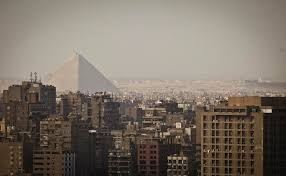
Sequent Occupancy: Societies leave their cultural imprints when they live in a place, creating layers on the cultural landscape.
Pyramids of Giza, Egypt
Types of Diffusion:
Relocation Diffusion: spread of culture through the movement of people from one place to another.
English colonizers to the USA
Expansion Diffusion:
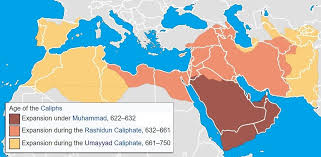
Contagious: rapid, widespread diffusion through a population
Songs, Black Plague, Islam
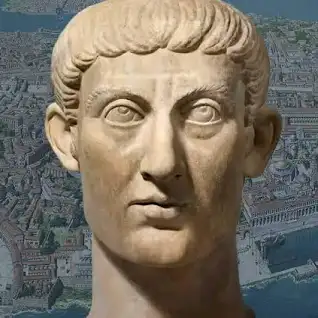
Hierarchical Diffusion: spread of an idea from someone with authority or a large city; central node of powers
Emperor Constantine converted to Christianity, and everyone else followed
Stimulus Diffusion: spread of an underlying principle that changes to match the adoptive culture
McDonald’s not having beef in India

Cultural Divergence: preserve folk culture or keep separate from pop. culture
Amish
Cultural Convergence: two culture’s traits adopt each other’s and become more alike
Global lingua franca: English
Can lead to loss of folk cultures
Acculturation vs. Assimilation:
Acculturation: adopting traits of a new culture while still maintaining elements of original
Speaking English at school but native at home
Dia de los Muertos
Assimilation: adopting the culture of the dominant society while losing native culture
Religious ideas being forced onto people
American Indians being forced to adopt American culture
Syncretism: A new cultural trait created from blending two or more cultures.
Catholic and West African culture into voodoo
Sikhism: a mix of Islamic and Hindu Culture
Multiculturalism: the presence of several distinct cultural or ethnic groups within a society
Different religions and languages in a country
Dialect: A regional variation of a language
Centripetal vs Centrifugal forces:
Centripetal: A force that brings/unites people together.
Japan consisting of mostly ethnic Japanese
Centrifugal: A force that separates people.
Quebec, Canada
Religion, Language, and Ethnicity can be both