Pharmacology
Basics
Pharmacology: the study of how drugs interact with biological systems
Classification
Drugs can be classified by on legal status:
Controlled Substances: Drugs regulated by government agencies due to their potential for abuse and dependence. Controlled substances are typically categorized into schedules based on their abuse potential and accepted medical use.
Prescription Drugs: Drugs that require a prescription from a licensed healthcare provider for legal access.
Over-the-Counter (OTC) Drugs: Drugs that can be purchased without a prescription and are generally considered safe for self-administration when used as directed.
Drugs can be classified based on their chemical structure, which can provide insight into their properties and pharmacological effects.
Depressants
Opioids
Stimulants
Hallucinogens
DRUGS WITH ABUSE POTENTIAL
Socially acceptable (illicit) – alcohol , caffeine , nicotine
Opioid analgesics- morphine , heroin
Sedative / hypnotics
Hallucinogens
Inhalants
Club drugs / designer drugs
Depressants
What they do? Slow down the brain and central nervous system
Examples:
Alcohol (beer, wine, vodka, tequila, gin, etc.)
Heroin (classified as opioid too)
Tranquilizers
Sleeping Pills
Marijuana
ALCOHOL
Alcohol is a central nervous system depressant. Alcohol goes directly from your digestive system into your blood stream and within minutes it spreads to the entire body. The brain gets the highest concentration because it gets more blood than any other part of the body.
In low doses causes:
A relaxing effect
Reduced tension
Lower inhibitions
Impaired concentration
Slower reflexes
Impaired reaction time
Reduced coordination
In medium doses causes:
Slurred speech
Drowsiness
Altered emotions
In high doses causes:
Vomiting
Breathing difficulties
Unconsciousness
Coma
DEATH
Effects on the body
Central Nervous system
Altered Speech
Hazy thinking
Slowed reaction time
Dulled hearing
Impaired vision
Weakened muscles
Foggy memory
Liver
Long-term excessive drinking can cause:
Fatty liver Disease: the earliest state of alcohol-related liver disease. It is the build up of extra fat in liver cells. Almost all heavy drinkers have fatty liver disease. However, if they stop drinking, fatty liver disease will usually go away.
Symptoms (if any) include: fatigue, weakness and weight loss.
•Alcoholic Hepatitis: Causes the liver to swell and become damaged. Up to 35% of heavy drinkers develop alcoholic hepatitis. Alcoholic Hepatitis can be mild or severe. If it is mild, liver damage may be reversed. If it is severe, it may occur suddenly and quickly lead to serious complications including liver failure and death.
Symptoms include: loss of appetite, nausea, vomiting, abdominal pain, fever and jaundice.
Alcoholic cirrhosis: Alcoholic cirrhosis is the scarring of the liver –hard scar tissue replaces soft and healthy tissue. It is the most serious type of alcohol related liver disease. Between 10 and 20 percent of heavy drinkers develop cirrhosis. The damage from cirrhosis cannot be reversed and can cause liver failure. Not drinking alcohol can help prevent further damage
Kidneys/Heart
Kidneys
Impairs their ability to regulate the volume and composition of fluid and electrolytes in the body
Heart
Chronic, heavy alcohol use increases the risk of heart disease.
Alcohol can also worsen high blood pressure and diabetes, two risk factors for heart disease.
Fetal Alcohol Syndrome
Low nasal bridge
Minor ear abnormalities
Indistinct philtrum
Microganthia
Epicanthal folds
Short palpebral fissures
flat midface and short nose
thin upper lip
Marijuana
Marijuana is a brown mix of dried flowers, stems, seeds and leaves from the hemp plant Cannabis sativa. The main active chemical is THC (tetrahydrocannabinol), which moves quickly through the bloodstream to the brain and other organs throughout the body.
AKA: Blunt, dope, ganja, grass, joint, bud, Mary Jane, pot, reefer, green, skunk, weed, hash, tea, chronic, loud
Cannabis Sativa
Main psychoactive ingredient is delta – 9 – THC ( tetrahydrocannabinol )
Does not fit neatly in descriptions
Historical Significance
Ancient Use: Marijuana has been used for various purposes for millennia. Ancient cultures in China, India, and the Middle East used it for medicinal, spiritual, and recreational purposes. The earliest recorded use dates back to around 500 BC in Asia.
Medicinal Use: Throughout history, marijuana has been used to treat various ailments, including pain, inflammation, nausea, and epilepsy. It was listed in the U.S. Pharmacopeia until the early 20th century.
Cultural Significance: In many cultures, marijuana held spiritual significance and was used in religious ceremonies. For example, in India, it's associated with the Hindu god Shiva and has been used in religious rituals for centuries.
Prohibition and Stigmatization: In the early 20th century, various countries, including the United States, began to impose restrictions on marijuana due to concerns about its psychoactive effects and perceived social harms. This led to its stigmatization and eventual prohibition in many parts of the world.
The bottom line
Marijuana has the potential to cause problems in your daily life, or make existing problems worse. It limits your brain’s effectiveness, slows down thinking, and impairs coordination and judgment. While you’re young and still maturing, marijuana can have a long-lasting, negative impact on your developing brain.
Known as a gateway drug
Cannabis-short term use — low to moderate doses
Disinhibition and talkativeness
Relaxation and drowsiness (contrast with LSD)
Distortions of perception, time, body image and distance
Impairment short term memory, ability to perform complex tasks
Reddening of eyes
Fall in blood pressure
Bronchodilatiation
Increased appetite
Cannabis short term use — higher doses
True hallucinations
Delusions
Depersonalization
Cannabis
For very high doses:
acute toxic psychosis characterized by hallucinations
paranoid delusions
disorientation
intense feelings of depersonalization
severe agitation
loss of insight
Cannabis — long term use
Amotivational Syndrome?
Manifestation of chronic intoxication
Respiratory system — bronchitis, asthma, lung cancer
Cannabis — short term use — higher doses
Synesthesias
Pseudo-hallucinations
Impaired judgement
Reaction time slowed
Stimulants
Stimulants are a class of drugs that increase alertness, attention, and energy while also elevating blood pressure, heart rate, and respiration. They stimulate the central nervous system, leading to enhanced activity in the brain
Cocaine, caffeine, nicotine, bath salts, amphetamines, MDMA
Cocaine
Derived from the coca plant, cocaine is a potent stimulant that can be snorted, smoked, or injected.
Coca is a flowering bush or shrub (Erythroxylon coca) that in cultivation stands three to six feet high and yields at most four ounces of waxy, elliptical leaves that are about 1 percent cocaine by weight.
Conversion into cocaine hydrochloride— powdered cocaine—requires several steps. Immediately after being harvested, the leaves are pulverized, soaked, and shaken in a mixture of alcohol and benzene (a coal tar derivative) for about three days.
After the liquid has been drained, sulfuric or hydrochloric acid, depending on the alkaloid content of the leaves, is added, and the solution is again shaken. Sodium carbonate is added, forming a precipitate, which is washed with kerosene and chilled, leaving behind crystals of crude cocaine known as coca paste, which is allowed to dry.
Cocaine typically enters the bloodstream by being snorted into the nostrils through a straw or rolled paper or from a “coke spoon.”
“Because cocaine is a vasoconstrictor, it inhibits its own absorption, and the time it takes to reach peak concentration gets longer as the dose gets larger” (Karch 1996: 19).
How is it used
Snorting
Injection
Smoking: Cocaine hydrochloride can be converted into a freebase form known as "crack" or "rock" cocaine, which can then be smoked. Smoking crack cocaine delivers the drug to the lungs, where it is rapidly absorbed into the bloodstream and produces a quick and intense high. However, crack cocaine is highly addictive and can lead to rapid tolerance and dependence.
Oral injection
AKA: Blow, bump, C, candy, Charlie, coke, snow
The Bottom Line: Using cocaine even once is dangerous, and the more you use it, the worse the effects are on your brain and heart. Cocaine-related deaths are often caused by cardiac arrest or seizures, followed by respiratory failure.
Effects of Cocaine
Short Term Effects:
Increased heart rate
Increased blood pressure
Increased body temperature
Seizures
Cardiac arrest
Death
Long Term Effects:
Irritability and anxiety
Paranoid psychosis
Scabs to form on your mucus membranes
Damage to nasal septum
Eventually make your nose collapse
Depression
Agitation and mania
Amphetamines
Unlike cocaine, amphetamines are products of the laboratory—they are synthetic drugs. Although their chemical structures are distinctly different (Snyder 1986) and amphetamine has no anesthetic properties, the effects of cocaine and amphetamines are similar.
The high from amphetamine lasts hours, rather than the fraction of an hour for cocaine.
E.g. meth
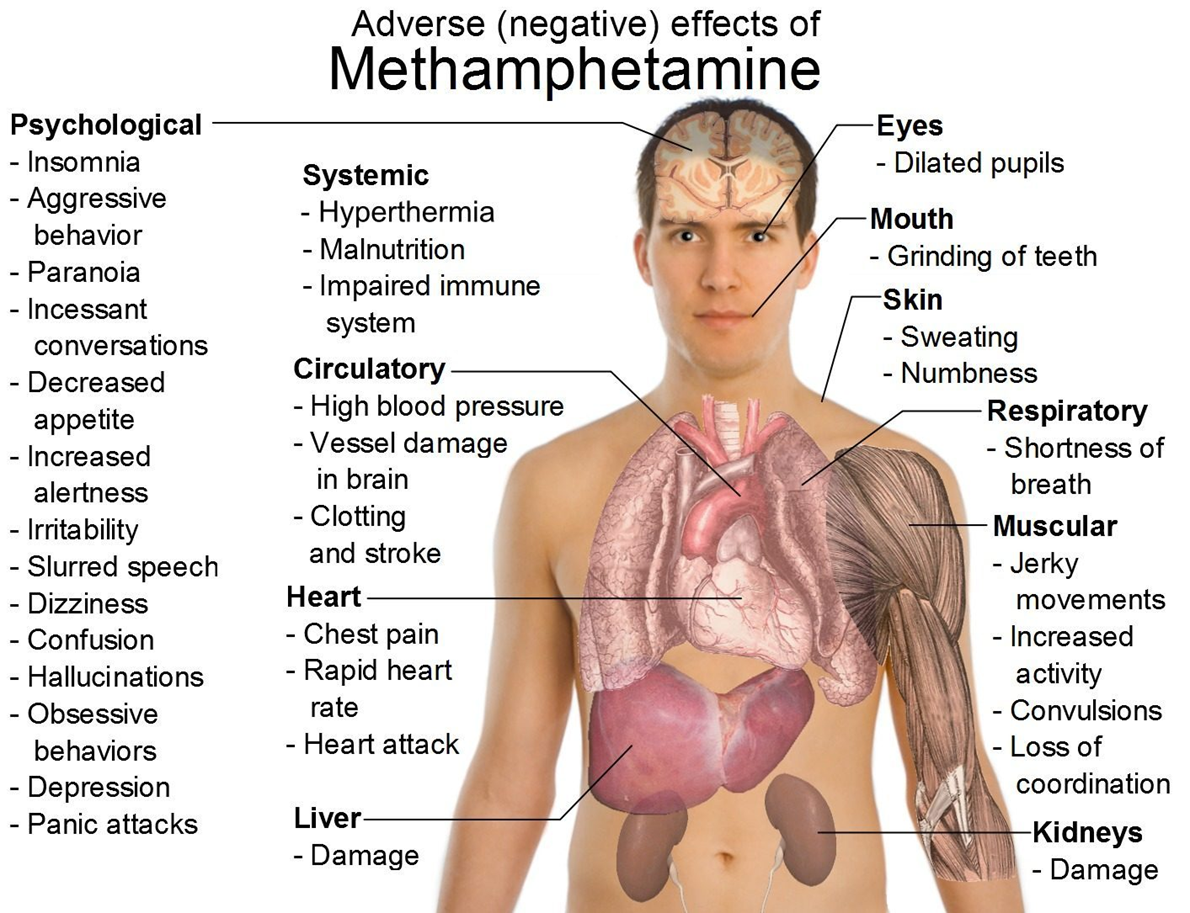
Methamphetamine is known by many street names, such as “speed,” “crank, “go,” “crystal,” “crystal meth,” and “poor man’s cocaine.” It can be used by all of the common routes of illicit drug administration (inhalation, intranasal snorting, intravenous injection, or orally) but must be purified before it can be smoked.
Effects
Euphoria
Increased alertness
Decreased appetite
Increased heart rate
Dilated pupils
Agitation and anxiety
Insomnia
Caffeine
Caffeine is a bitter substance which occurs naturally in over 60 plants including: coffee beans, tea leaves
Most frequently used stimulant
most popular
foods / beverages consumed
average daily intake: 2 cups coffee (200 mg)
30%: 500 mgs or more daily
Most common sources:
coffee bean / tea plants / kola nuts / mate leaves / guarana paste / yoco bark
50-200 mg
Sleepy first 5 minutes
Blood levels peak at 30 min.
Stimulant effects
300-1000 mg
Prolonged ability to perform
Exaggeration of side effects
Pronounced insomnia
Nervousness
Irritability
Tremor
Restlessness
1000+ mg
“Caffeinism”
All of the above worsen
GI disturbances
Cardiac arrhythmias
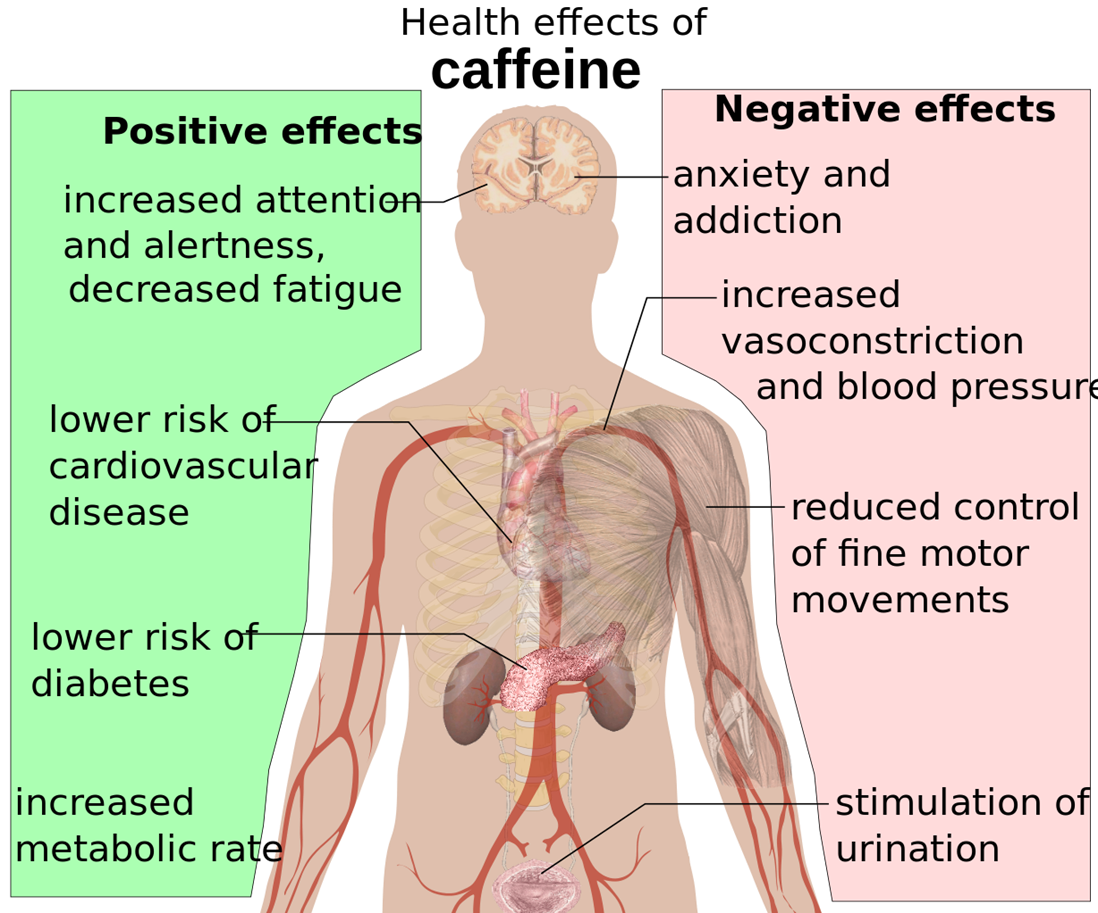
Effects
Increased heart rate
Jitteriness
Irregular sleep patterns
Cause uneven heart rhythms
Raise blood pressure
Headaches, nervousness, dizziness
Dehydration
Hallucinogens
Hallucination as a “Perception of visual, auditory, tactile, olfactory, or gustatory experiences without an external stimulus and with a compelling sense of their reality.”
“A hallucinogen is a drug that changes a person’s state of awareness by modifying sensory inputs, loosening cognitive and creative restraints, and providing access to material normally hidden in memory or material of an unconscious nature” (Jacob and Shulgin 1994: 74).
Mushrooms
Psilocybin mushrooms
There are many types of psilocybin mushrooms, so we will keep it general.
Psilocybin mushrooms – A hallucinogenic compound obtained from certain mushrooms.
Use of these mushrooms is ancient. Statues of mushrooms dating from A.D. 100-1400 appear throughout Mexico and Central America.
How are they taken?
Eaten raw
Cooked in food
Brewed in tea
Dried and ingested
Street names:
Magic mushrooms
“Shrooms”
How long does a trip last?
5-6 hours
Psilocybin Mushrooms Physical Side Effects
Nausea
Dilated pupils
Tightness in the neck
Induce sensory hallucinations
Hear things that are not real
Is it addictive?
It is not considered an addictive drug like cocaine, heroin or alcohol because it does not produce the same compulsive drug-seeking behavior. However, like addictive drugs, it produces greater tolerance in some users who take the drug repeatedly. These users must take higher doses to achieve the same results as they have had in the past. This could be an extremely dangerous practice because of the unpredictability of the drug effect on an individual.
LSD
LSD – A crystalline compound derived from lysergic acid and used as a powerful hallucinogenic drug.
LSD is an acronym for lysergic acid diethylamide.
LSD was discovered in 1938 by Dr. Albert Hoffman. It is manufactured from lysergic acid, which is found in ergot, a fungus that grows on rye and other grains.
A common nickname for LSD is “acid”.
Best known and most commonly used hallucinogen in the United States
LSD is odorless, colorless, and has a slightly bitter taste.
Usually taken orally, although it can be placed on blotter paper, and then divided up for multiple uses. Also sold in gelatin squares and pills.
Less than .001 gram of LSD produces extreme hallucinations!
LSD takes effect within 30 minutes, and it can last up to 12 hours.
The physical effects include dilated pupils, higher body temperature, increased heart rate and blood pressure, sweating, loss of appetite, sleeplessness, dry mouth, and tremors.
The psychological effects of LSD; users experience severe, terrifying thoughts and feelings, fear of losing control, fear of insanity and death, and despair while using LSD. Some fatal accidents have occurred during states of LSD intoxication.
LSD EFFECTS IN TIME
0-30 minutes: Dizziness, nausea, weakness, twitches, and anxiety.
30-60 minutes: Blurred vision, increased contrasts, visual patterns, feelings of unreality, lack of coordination, tremulous speech.
1-4 hours: Increased visual effects, wavelike motions, impaired distance perception, euphoria, slow passage of time.
4-7 hours: Waning off the above effects
7-12 hours: Become returning to normal
Late Effects: Headache, fatigue, contemplative state.
HEROIN
Heroin is a highly addictive drug. Overdose is a real, and deadly risk. Heroin is an opiate, a class of drugs that are either naturally derived from the flowers of the poppy plant, or synthetic substitutes. In the case of heroin, it’s produced from morphine, a naturally occurring substance that comes from the seedpod of poppy plants.
It carries a strong risk of addiction and physical dependence. Heroin is abused by injecting, snorting or smoking it, and all three can cause the same level of addiction, as well as serious health problems. Targets and stimulates brain’s natural reward system.
AKA: Smack, horse, brown sugar, dope, H, junk, skag, skunk, white horse, China white, Mexican black
Heroin is a white to dark brown powder.
It often is mixed with other substances (sugar, starch) or poison (strychnine).
The need to purchase and use heroin causes people to ignore other aspects of their lives, like family and loved ones, finances, and legal concerns.
HEROIN EFFECTS
Short term Effects
Suppressed breathing
Nausea and vomiting
Blood clots can form and travel to the lungs, liver, heart or brain, which is instantly fatal.
Addiction and physical dependency in short amount of time
Long Term Effects
Infection of the heart lining and valves
Liver disease
Lung disease
Hepatitis and HIV/AIDS from needle use