Carbon-Based Molecules: Structure, Function, and Biological Macromolecules
Page 1: Overview of Carbon-Based Molecules
Carbon-based molecules represent the chemical foundation of all living systems. Biomolecules form the structural architecture of cells and perform the essential chemical processes required to sustain life.
Living organisms are composed of four primary classes of carbon-based macromolecules:
Carbohydrates: Function as primary sources of cellular chemical energy and structural components in plants.
Lipids: Nonpolar molecules utilized for high-density long-term energy storage, cellular membrane formation, and hormonal signaling.
Proteins: Structurally complex polymers that execute cellular work, including biochemical catalysis, oxygen transport, cellular movement, and immune response.
Nucleic Acids: Information-bearing polymers that store, transmit, and express genetic blueprints.
Page 2: Atomic Structure of Carbon and the Building Block of Life
Carbon is designated the "building block of life" because carbon atoms serve as the atomic framework for the vast majority of biological molecules. The fundamental significance of carbon originates directly from its unique atomic configuration and bonding capacity.

Atomic Characteristics of Carbon
Atomic Number:
Mass Number:
Subatomic Composition: The nucleus contains protons () and neutrons. The nucleus is surrounded by orbiting electrons ().
Electron Configuration:
Inner energy level (first electron shell): electrons.
Outer energy level (valence shell): unpaired electrons.
Valence Capacity: Because the outer shell requires electrons for thermodynamic stability (the octet rule), carbon has an unfilled valence shell containing unpaired electrons, permitting it to form covalent bonds with up to four other atoms.
Page 3: Fundamental Structures of Carbon-Based Molecules
Because carbon can form four covalent bonds simultaneously, carbon-based molecules assemble into three fundamental structural motifs:
Straight Chains: Linear sequences of consecutively linked carbon atoms.
Branched Chains: Hydrocarbon backbones featuring one or more carbon-containing substituent side chains stemming from a central carbon chain.
Rings: Carbon atoms bonded covalently into closed, cyclic ring geometries.
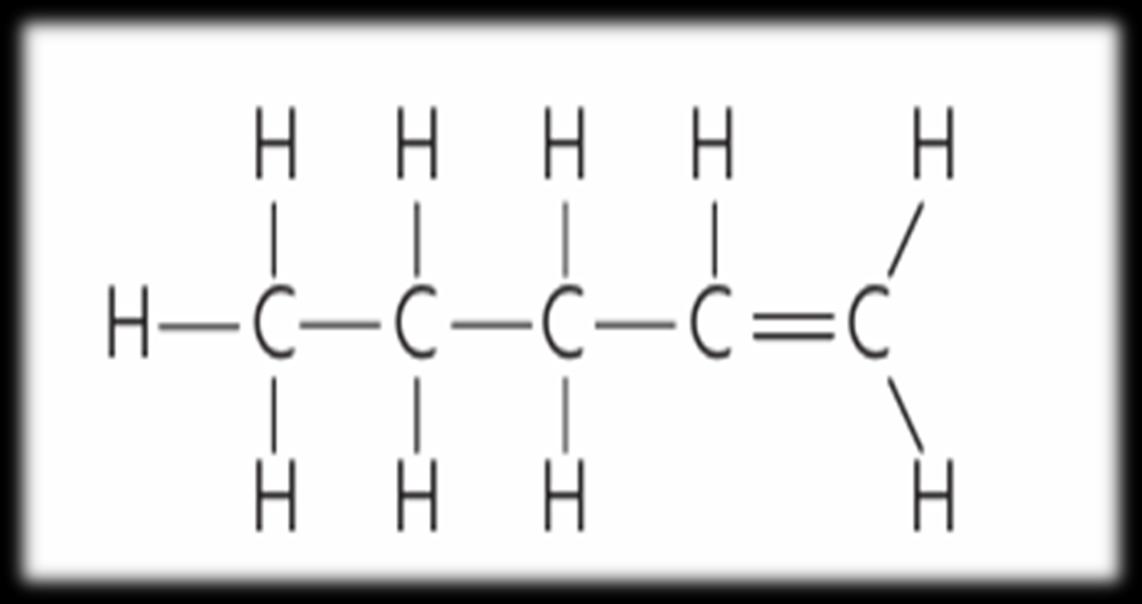
Straight-Chain Representative: Pentene
Pentene is an alkene consisting of five carbon atoms arranged in an open linear series featuring a terminal carbon-carbon double bond:

Branched-Chain Representative: Hexane Isomer
Branched chains possess a main hydrocarbon chain with extending lateral alkyl groups, altering physical and spatial characteristics:

Ring-Shaped Representative: Vanillin
Vanillin contains an aromatic benzene ring core bonded to aldehyde (), hydroxyl (), and methoxy () functional groups.
Linear and branched carbon chains can bond directly with carbon rings, yielding massive, highly intricate biochemical structures.
Page 4: Carbon Bonding Capacity and Valence Electrons
Each neutral carbon atom contains four unpaired electrons in its outer valence shell. Consequently, carbon atoms can form up to four covalent bonds with other atoms, including other carbon atoms.
Covalent Bond Versatility
Single Covalent Bonds: Sharing of one electron pair between adjacent atoms (, ).
Double Covalent Bonds: Sharing of two electron pairs (, ).
Triple Covalent Bonds: Sharing of three electron pairs (, ).
This capacity to bond in four directions enables the assembly of diverse macromolecules necessary for cellular life.
Page 5: Macromolecular Organization — Monomers and Polymers
Large biological macromolecules are constructed through the modular linkage of discrete molecular subunits.

Core Definitions
Monomer: A discrete, low-molecular-weight chemical subunit that can bind covalently to other similar or identical subunits to form a macromolecule.
Polymer: A large molecule, or macromolecule, composed of many monomers bonded covalently together in repeated sequence.
Page 6: Polymer Principles and Mechanical Analogies
Biological polymer formation functions identically to modular mechanical systems.

Etymology and Mechanical Parallel
mono- = one subunit (
poly- = many subunits (
Just as individual forged metal links interlock to create a functional bicycle chain, individual monomeric subunits bond sequentially to construct a macromolecular polymer.
Monomer Uniformity vs. Diversity
Homopolymers: Polymers formed from identical repeating monomeric units, such as plant starches composed entirely of repeating glucose monomers.
Heteropolymers: Polymers constructed from distinct, non-identical monomeric units, such as proteins assembled from different amino acids.
Page 7: Carbohydrates — Composition and Biological Functions
Carbohydrates are organic macromolecules composed strictly of carbon (), hydrogen (), and oxygen (). They encompass simple sugars as well as complex starches and structural fibers.
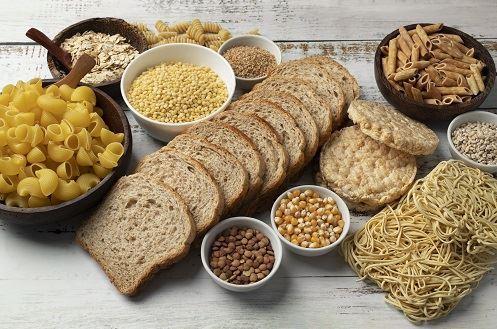
Primary Physiological Functions
Usable Chemical Energy: Carbohydrates are degraded by cellular respiration to yield adenosine triphosphate (), delivering energy to fuel metabolic reactions.
Plant Cell Architecture: Structural polysaccharides form the rigid external walls encasing plant cells.
Page 8: Classification of Carbohydrates — Monosaccharides, Disaccharides, and Polysaccharides
Carbohydrates are categorized based on their degree of polymerization into monosaccharides, disaccharides, and polysaccharides.
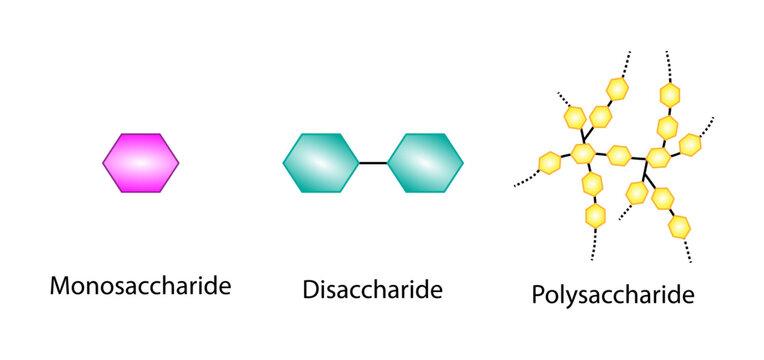
1. Monosaccharides
Monosaccharides are simple sugars that serve as the fundamental monomers of carbohydrates. Most simple sugars contain five or six carbon atoms:
Glucose: A six-carbon sugar () synthesized by plants during photosynthesis.
Fructose: A six-carbon structural isomer of glucose found naturally in fruits.
2. Disaccharides
Disaccharides are molecules formed by linking two monosaccharide units covalently:
Sucrose (Table Sugar): Formed by joining one glucose molecule and one fructose molecule.
3. Polysaccharides
Polysaccharides are complex carbohydrate polymers consisting of many monosaccharide units (more than three) linked together:
Starch: Branched chains of glucose monomers synthesized and stored by plants; utilized by both plant and animal cells as an energy source.
Glycogen: A glucose polymer synthesized and stored in animal liver and muscle tissue; features a higher degree of branching than plant starches.
Cellulose: An unbranched, straight, and rigid chain of glucose units that constitutes the outer structural cell wall of plant cells.
Page 9: Lipids — Properties and Major Functions
Lipids are nonpolar organic macromolecules that do not dissolve in polar solvents such as water (hydrophobic). Lipids include fats, oils, waxes, phospholipids, and cholesterol.

Primary Functions of Lipids
High-Density Energy Storage: Stored fats and oils yield large amounts of usable chemical energy per gram upon metabolic breakdown.
Cellular Boundary Structure: Phospholipids assemble spontaneously into lipid bilayers that establish cellular and organelle boundaries.
Hormonal Regulation: Steroid lipids function as chemical messengers throughout multicellular organisms.
Page 10: Chemical Structure of Lipids — Glycerol and Fatty Acids
Most lipids are constructed from a glycerol backbone bonded to hydrocarbon chains called fatty acids.

Glycerol
Glycerol () is a three-carbon alcohol featuring three polar hydroxyl groups ():

Fatty Acids
A fatty acid consists of an extended hydrocarbon chain composed of carbon atoms bonded to hydrogen atoms, terminating in a carboxyl functional group ():
Page 11: Triglycerides (Triacylglycerols)
Triglycerides represent the primary storage form of lipids in both animal adipose tissues and plant seeds.

Triglyceride Structure
A triglyceride is formed when three separate fatty acid chains bond to a single molecule of glycerol via ester linkages:
Glycerol forms the vertical chemical backbone.
Three fatty acid tails project horizontally from the glycerol carbons.
Page 12: Saturated vs. Unsaturated Fatty Acids
Differences in carbon-carbon bonding along the fatty acid tail determine the physical state and properties of fats and oils.
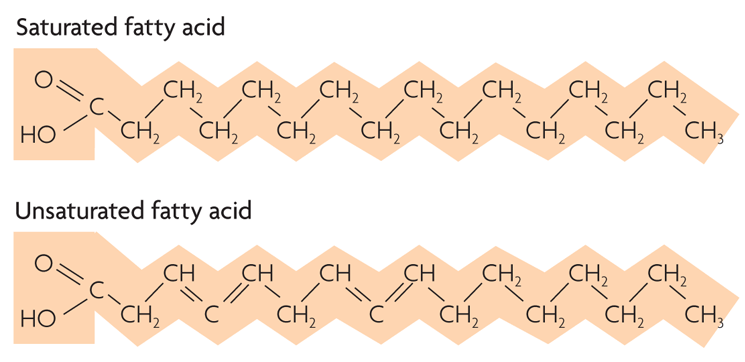
Saturated Fatty Acids
Bonding: Possess only single bonds () between carbon atoms along the hydrocarbon chain.
Hydrogen Saturation: Every bonding site on the carbon backbone is filled with hydrogen atoms (saturated with hydrogen).
Geometry: The chain is straight with no bends.
Physical State: Molecules pack tightly together; solid at room temperature.
Occurrence: Most common in animal fats (e.g., butter, lard, meat fat).
Unsaturated Fatty Acids
Bonding: Possess at least one double bond () between adjacent carbon atoms.
Hydrogen Saturation: Possess fewer hydrogen atoms than possible.
Geometry: Double bonds induce physical kinks in the carbon chain.
Physical State: Kinks prevent tight packing; liquid at room temperature.
Occurrence: Most common in plant oils (e.g., olive oil, peanut oil).
Page 13: Phospholipids and Biological Membranes
Phospholipids are specialized amphipathic lipids that form the foundational bilayer of all biological cell membranes.

Molecular Composition of a Phospholipid
Polar Head: Consists of a charged phosphate group () bonded to glycerol. It is hydrophilic (water-loving) and interacts with aqueous environments.
Nonpolar Tails: Consist of two fatty acid hydrocarbon chains. They are hydrophobic (water-fearing) and orient away from water.
Membrane Bilayer Organization
In aqueous cellular fluids, phospholipids spontaneously arrange into a double-layered sheet (bilayer): polar heads face outward toward the intracellular and extracellular water, while nonpolar fatty acid tails sequester inward, creating a selective permeability barrier.
Page 14: Cholesterol and Steroid Hormones
Cholesterol is an essential lipid possessing a distinct multi-ring structure rather than an extended hydrocarbon tail.
Physiological Roles of Cholesterol
Cell Membrane Fluidity: Embedded within the phospholipid bilayer to provide structural integrity and maintain membrane flexibility across variable temperatures.
Steroid Hormone Precursor: The biological precursor from which steroid hormones are synthesized.
Functions of Cholesterol-Derived Steroid Hormones
Stress Regulation: Corticosteroid hormones regulate physiological and metabolic responses to stress.
Reproductive Control: Sex hormones, including testosterone and estrogen, control sexual differentiation, development, and reproductive systems.
Dietary Presence: Sourced endogenously via hepatic synthesis and exogenously through foods such as eggs.
Page 15: Proteins — Diversity of Functions and Dietary Sources
Proteins are the most structurally and functionally diverse group of carbon-based molecules in living organisms.

Diverse Biological Functions of Proteins
Movement: Contractile proteins (actin, myosin) facilitate muscle contraction and cellular locomotion.
Eyesight: Photoreceptor pigments and lens structural proteins preserve visual acuity.
Digestion and Catalysis: Enzyme proteins accelerate and regulate biochemical reactions.
Oxygen Transport: Hemoglobin in erythrocytes binds and transports molecular oxygen () to tissues.
Structural Framework: Fibrous proteins build connective tissues, hair, skin, and cellular cytoskeletons.
Dietary Sources of Proteins
Proteins are obtained nutritionally through animal and plant sources, including meat, poultry, fish, eggs, dairy, beans, lentils, and nuts.
Page 16: Amino Acids — Monomers of Proteins
A protein is a polymer constructed from monomeric subunits known as amino acids.
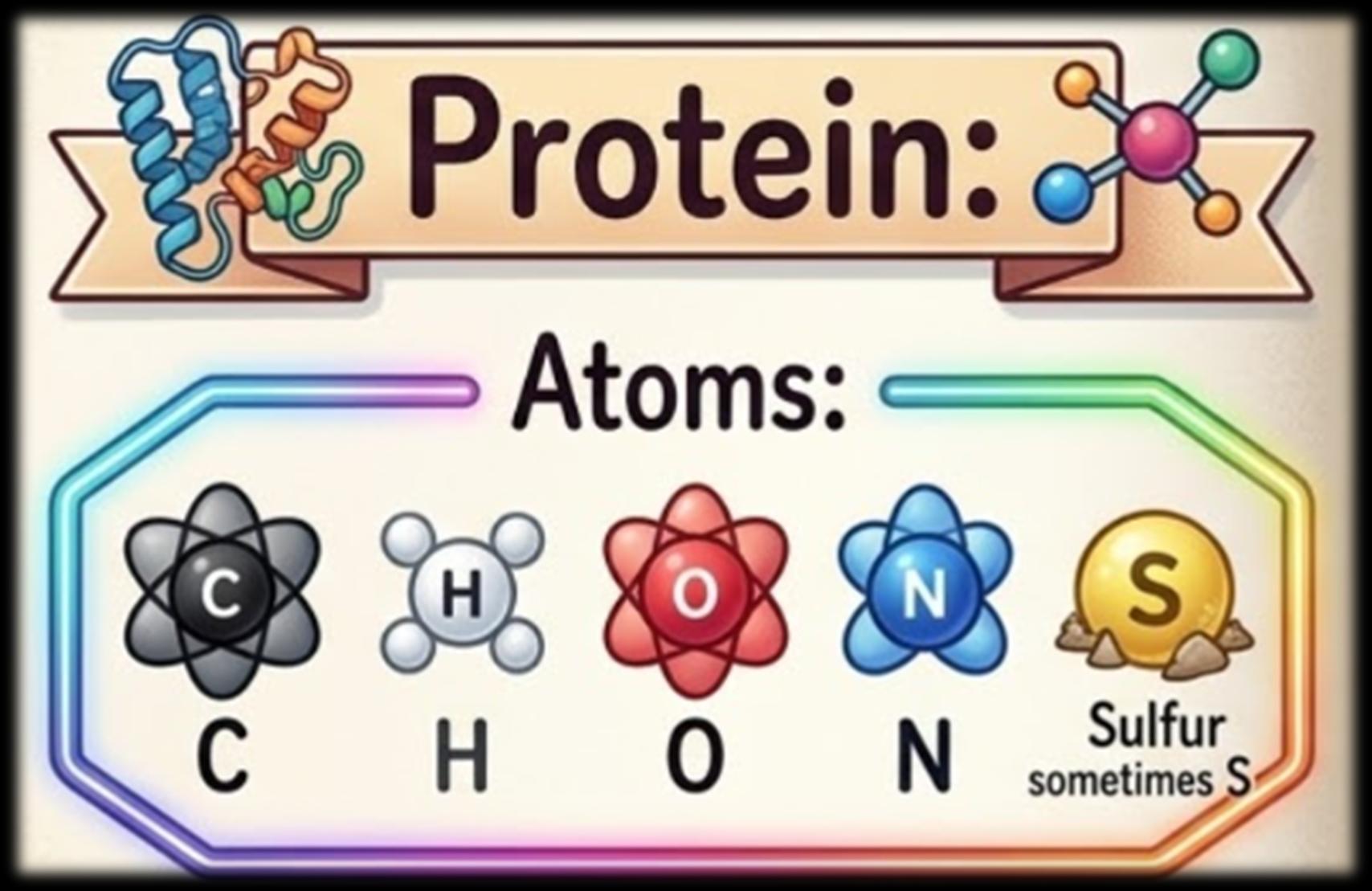
Elemental Composition
All amino acids contain:
Carbon ()
Hydrogen ()
Oxygen ()
Nitrogen ()
Sulfur (, present in specific amino acids such as cysteine and methionine)
The 20 Standard Amino Acids
Organisms utilize distinct amino acids to construct the entire repertoire of proteins:
Non-Essential Amino Acids: amino acids can be synthesized endogenously by the human body.
Essential Amino Acids: amino acids cannot be synthesized endogenously and must be acquired through dietary consumption.
Page 17: Molecular Anatomy of an Amino Acid
Every amino acid monomer shares a universal core structure organized around a central alpha-carbon () bonded covalently to four distinct chemical groups.
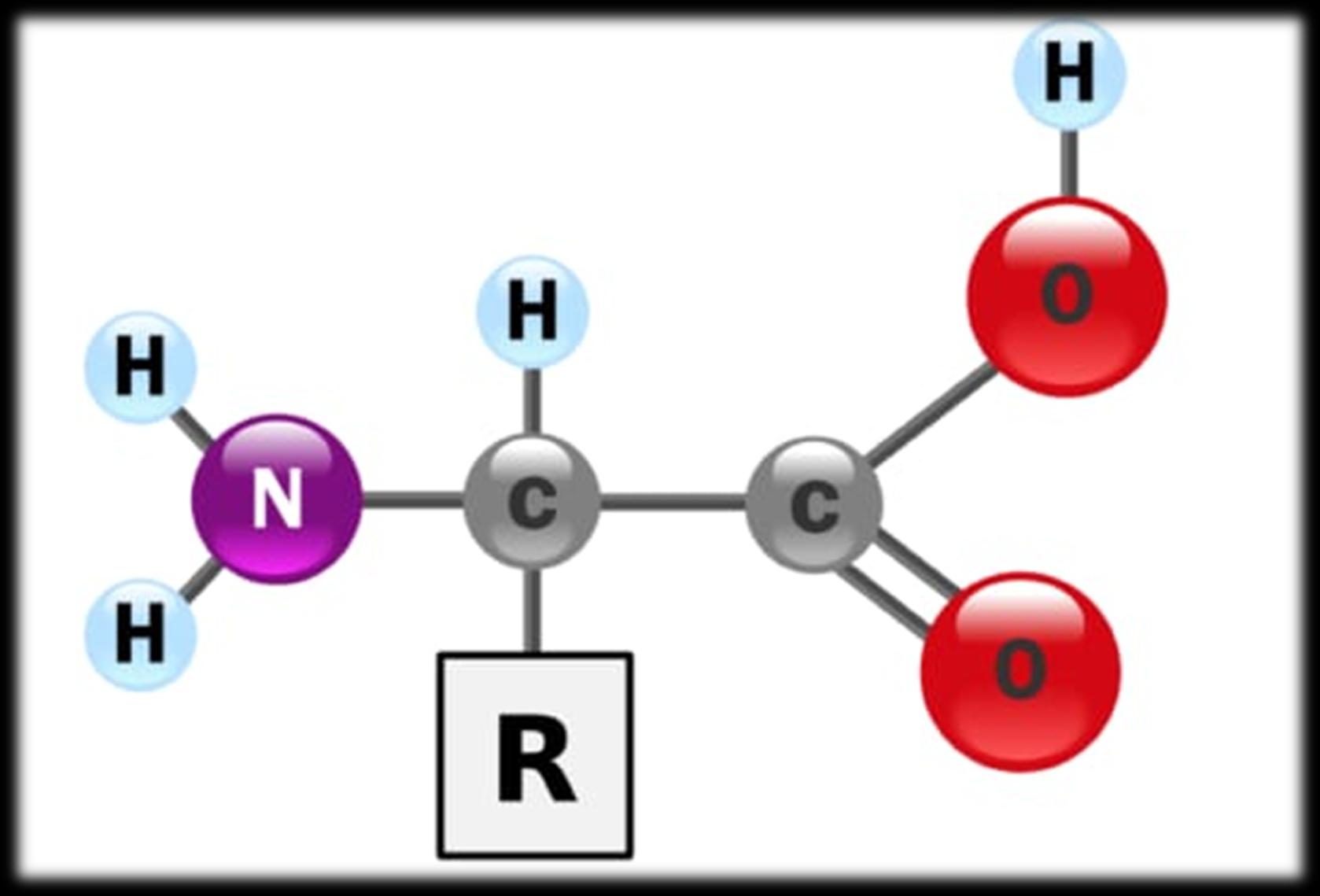
Universal Chemical Components
A single hydrogen atom ().
A basic amino group ().
An acidic carboxyl group ().
A variable side group designated the -group.
All biological amino acids possess identical hydrogen, amino, and carboxyl groups; they differ exclusively in the chemical structure and properties of their variable -group (e.g., serine contains a hydroxymethyl side group, ).
Page 18: Peptide Bonds and Determinants of Protein Identity
Amino acids link together through covalent bonds termed peptide bonds to assemble unbranched polymers.
Peptide Bond Formation
A peptide bond forms between the amino group () of one amino acid and the carboxyl group () of an adjacent amino acid via a condensation reaction that releases water ().
Polypeptide Chains
Repeated peptide bonding yields an elongated chain of amino acids designated a polypeptide. A mature, functional protein consists of one or more polypeptide chains folded into a specific three-dimensional conformation.
Determinants of Protein Specificity
The identity, structural conformation, and biological function of every protein are governed by:
The specific types (chemical variety) of amino acids incorporated.
The total number of amino acids present.
The exact linear sequence (order) of amino acids along the polypeptide chain.
Page 19: Structural Hierarchy — Amino Acids to Functional Proteins
Proteins assemble in a hierarchical progression: individual amino acid monomers assemble into linear peptide chains, which then fold into complex functional proteins.

Intramolecular Forces Driving Protein Folding
Disulfide Bridges: Specific -groups containing sulfur atoms (such as cysteine) form covalent bonds with one another, establishing rigid cross-links that pull the polypeptide into specific folds.
Hydrogen Bonding: Hydrogen bonds form between separate -groups or along the peptide backbone, driving the polypeptide to coil into alpha-helices or pleat into beta-sheets.
Page 20: Nucleic Acids — DNA, RNA, and the Flow of Genetic Information
Nucleic acids are extremely long polymers dedicated to the storage, transmission, and cellular translation of genetic information.
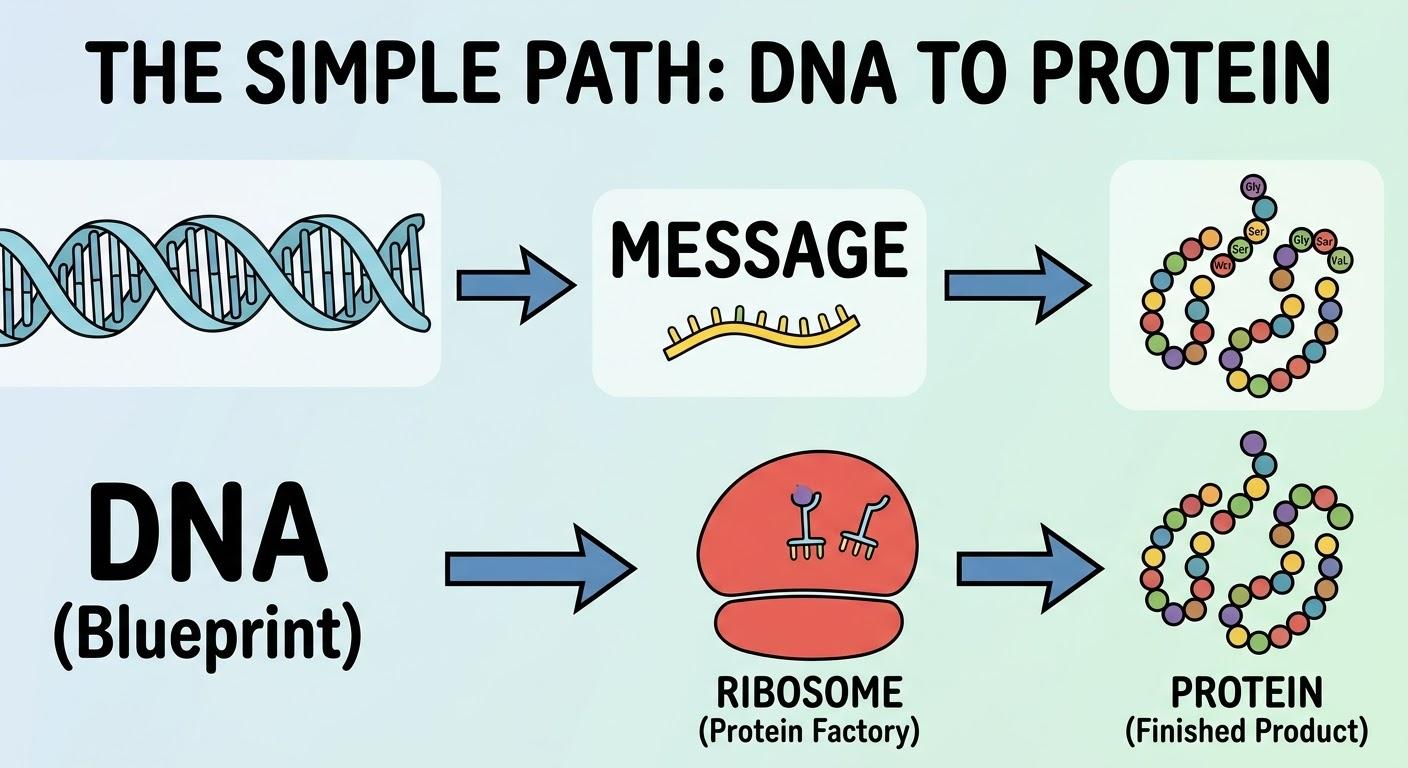
Two General Types of Nucleic Acids
DNA (Deoxyribonucleic Acid): The stable, double-stranded molecular blueprint that stores the master genetic code.
RNA (Ribonucleic Acid): The single-stranded message intermediary that carries genetic instructions from DNA to ribosomes for translation.
Protein Synthesis Pathway
Storage: DNA contains the exact nucleotide sequence encoding the linear order of amino acids for every cellular protein.
Transcription: The genetic sequence on DNA is transcribed into an RNA messenger molecule.
Translation: The RNA messenger migrates to the ribosome (the cellular "protein factory"), which reads the sequence and links amino acids into the finished functional protein.
Page 21: Structure and Chemical Components of Nucleotides
Nucleic acids are polymers composed of repeating monomeric subunits called nucleotides.
Elemental Composition of Nucleic Acids
Carbon ()
Hydrogen ()
Oxygen ()
Nitrogen ()
Phosphorus ()
Three Core Components of a Nucleotide
Phosphate Group: Contains a central phosphorus atom bonded to oxygens ().
Five-Carbon Sugar: Deoxyribose in DNA; ribose in RNA.
Nitrogen-Containing Base: A ring structure containing nitrogen atoms (Adenine [], Thymine [], Cytosine [], and Guanine [] in DNA; Uracil [] replaces Thymine in RNA).
Page 22: Biological Principles of Carbon Chemistry and Comparative Models
Curriculum Standards Focus
BI01.LS1.2: Evaluate comparative models of various cell types with a focus on organic molecules that make up cellular structures.
BI01.LS1.5: Research examples that demonstrate the functional variety of proteins and construct an argument based on evidence for the importance of the molecular structure to its function. Plan and carry out a controlled investigation to test predictions about factors which should cause an effect on the structure and function of a protein.
The Automotive Frame Analogy
Automobile manufacturers build several different car models utilizing the same standardized internal frame chassis. Although outer body styles, dimensions, and purposes vary, they share a common foundational structure. Similarly, millions of distinct carbon-based molecules are organized around a few simple structural frames composed of carbon atoms.
Photosynthesis and Carbohydrate Synthesis
During photosynthesis, plant cells capture solar energy to synthesize glucose according to the stoichiometric chemical equation:
Six molecules of carbon dioxide () combine with six molecules of water () to produce one molecule of glucose () and six molecules of oxygen gas ().
Page 23: Macromolecular Specialization — Polysaccharides, Lipids, and Protein Conformation
Structural Comparison of Polysaccharides
Starch: A branched polymer of glucose monomers synthesized and stored by plants for energy storage.
Cellulose: An unbranched, straight, and rigid polymer of glucose monomers. Hydrogen bonding between parallel straight chains forms tough, fibrous cables that constitute the cell wall surrounding plant cells (observed as stringy fibers in celery).
Lipid Packing Dynamics
In saturated fats, the absence of carbon-carbon double bonds produces straight fatty acid tails that pack tightly together, maintaining a solid state at room temperature. In unsaturated fats, carbon-carbon double bonds introduce structural kinks that physically prevent close packing, maintaining a liquid state at room temperature.
Protein Conformation and the Hemoglobin Case Study
Hemoglobin is a globular transport protein in red blood cells engineered to bind and carry oxygen () from the lungs to systemic tissues.
Quaternary Structure: Composed of four separate folded polypeptide subunits.
Active Binding Sites: Each of the four polypeptides contains a coordinated iron () atom capable of binding one oxygen molecule.
Sickle Cell Anemia Pathology: Hemoglobin consists of precisely ordered amino acids. A mutation resulting in just a single incorrect amino acid substitution alters the shape and folding of the entire protein. The abnormal hemoglobin polymers distort round erythrocytes into rigid, sickle-shaped crescents that occlude capillary blood vessels and impair oxygen delivery.
Page 24: Formative Assessment Solutions and Comparative Macromolecule Analysis
Question 1: What is the relationship between a polymer and a monomer?
A monomer is a discrete molecular subunit. A polymer is a large macromolecule formed when many monomers bond covalently together.
Question 2: Explain how both nucleic acids and proteins are polymers, describing their monomers.
Both proteins and nucleic acids are macromolecules composed of smaller repeating subunits bonded covalently together:
Proteins are polymers constructed from amino acid monomers.
Nucleic acids are polymers constructed from nucleotide monomers.
Question 3: Compare and contrast carbohydrates and lipids.
Characteristic | Carbohydrates | Lipids |
|---|---|---|
Similarities | - Carbon-based biological polymers/macromolecules. | - Carbon-based biological macromolecules. |
Differences | - Assembled from simple sugar monomers (monosaccharides). | - Assembled from glycerol bonded to fatty acid chains. |
Question 4: How do the bonding properties of carbon atoms result in a large variety of carbon-based molecules?
Carbon atoms possess four valence electrons, permitting them to form up to four stable covalent bonds simultaneously with other carbon atoms or different elements. This tetravalence allows carbon to form straight chains, branched chains, and closed ring structures.
Question 5: Why might fatty acids, amino acids, and nucleic acids increase the hydrogen ion () concentration of a solution?
Fatty acids, amino acids, and nucleic acids all contain acidic functional groups (carboxyl groups and phosphate groups ) that dissociate in aqueous solution to release hydrogen ions ( protons), thereby lowering the .
Page 25: Comprehensive Multiple Choice and True/False Review
Multiple Choice Review Questions
Carbon is unique due to the carbon atom's:
Correct Answer: a. bonding properties. (Carbon possesses four valence electrons, enabling it to form four covalent bonds in multiple directions.)
Incorrect: b. six outer unpaired electrons; c. ionic compounds; d. hydrogen bonding strength.
Which category of carbon-based molecules includes sugars and starches?
Correct Answer: d. carbohydrates. (Carbohydrates consist of monosaccharide, disaccharide, and polysaccharide sugars and starches.)
Incorrect: a. unsaturated fatty acids; b. phospholipids; c. proteins.
Fats, oils, and cholesterol are all types of:
Correct Answer: c. lipids. (All are nonpolar, hydrophobic carbon-based molecules.)
Incorrect: a. cell membranes; b. hormones; d. fatty acids.
Proteins are composed of which molecules?
Correct Answer: a. amino acids. (The biological amino acids serve as the monomers of proteins.)
Incorrect: b. fatty acids; c. monosaccharides; d. nucleic acids.
DNA and RNA are two types of:
Correct Answer: b. nucleic acids. (Nucleic acids store and express genetic information.)
Incorrect: a. proteins; c. lipids; d. carbohydrates.
True or False Assessment Statements
Carbon atoms form the building blocks of most living things.
Answer: True. Carbon serves as the structural foundation of biological molecules.
Carbon's outer energy level is full.
Answer: False. Carbon possesses four unpaired valence electrons; its outer shell requires four additional electrons to be full ( electrons total).
Carbon atoms can form covalent bonds with up to four other atoms.
Answer: True. Its tetravalent electron configuration permits four covalent linkages.
The three basic structures of carbon-based molecules are straight chain, bent chain, and ring.
Answer: False. The three fundamental structures are straight chains, branched chains, and rings (bent chains are not classified as a basic structural motif).
Page 26: In-Depth Conceptual Inquiry and Formative Review
Question 1: Why is carbon often called the building block of life?
Carbon atoms serve as the atomic foundation for the molecules that construct cellular architecture and execute the metabolic processes required to sustain living organisms.
Question 2: What ability allows carbon atoms to form a large number of molecules?
Carbon atoms possess four unpaired valence electrons, which gives them the ability to form four stable covalent bonds simultaneously with up to four other atoms, including other carbon atoms, assembling into straight chains, branched chains, and rings.
Question 3: What determines a protein's structure and function?
A protein's three-dimensional structure and specific biological function are determined by the variety, total number, and precise linear sequence of amino acids in its polypeptide chain, along with subsequent hydrogen bonding and covalent sulfur interactions (-group interactions) that dictate folding.
Question 4: What are nucleic acids made of?
Nucleic acids are polymers composed of monomer units called nucleotides. Each nucleotide consists of three bonded components: a five-carbon sugar, a charged phosphate group, and a nitrogen-containing base.