Lecture 6.2: Mechanisms of Pathogenicity
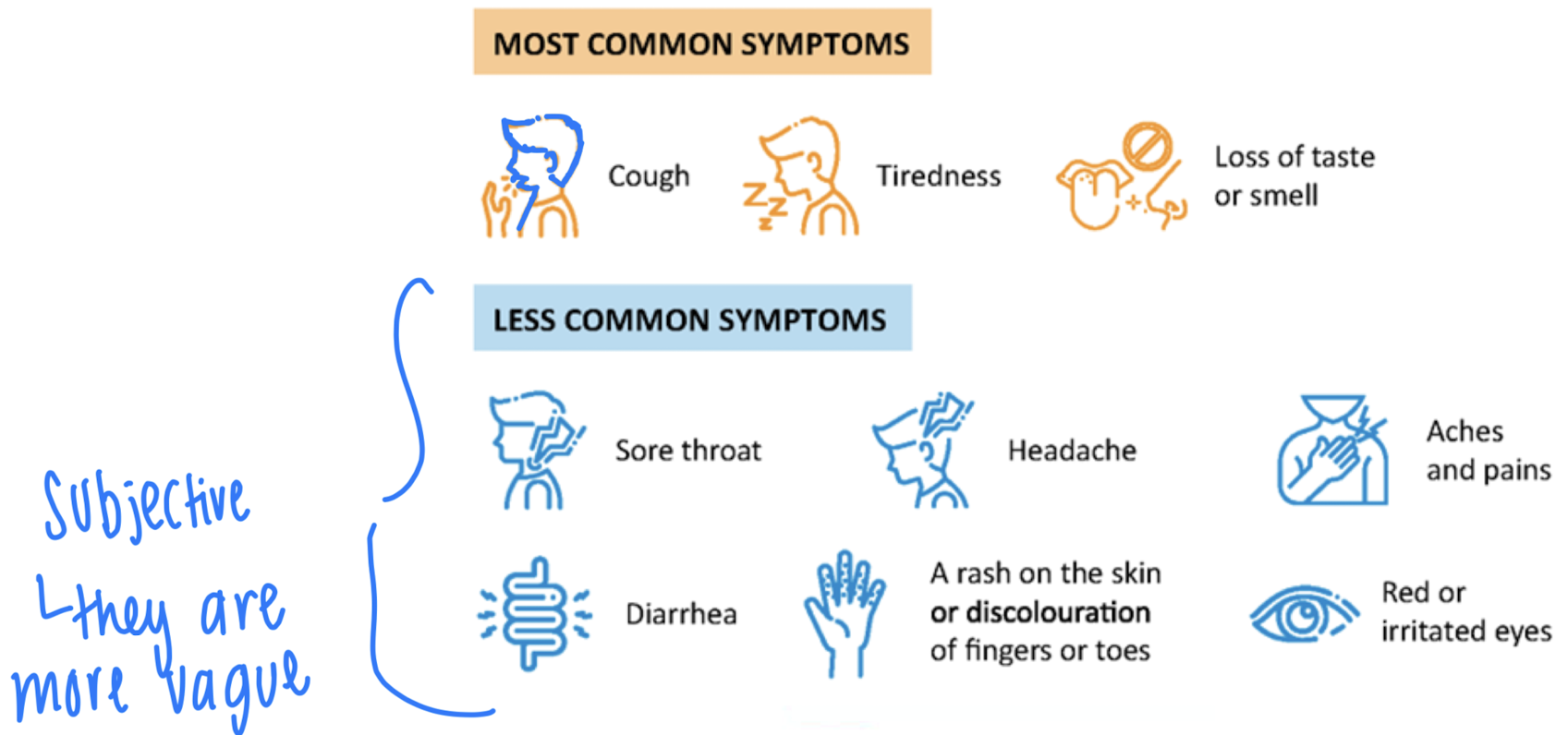
Symptoms Caused by Infections (Slide 3)
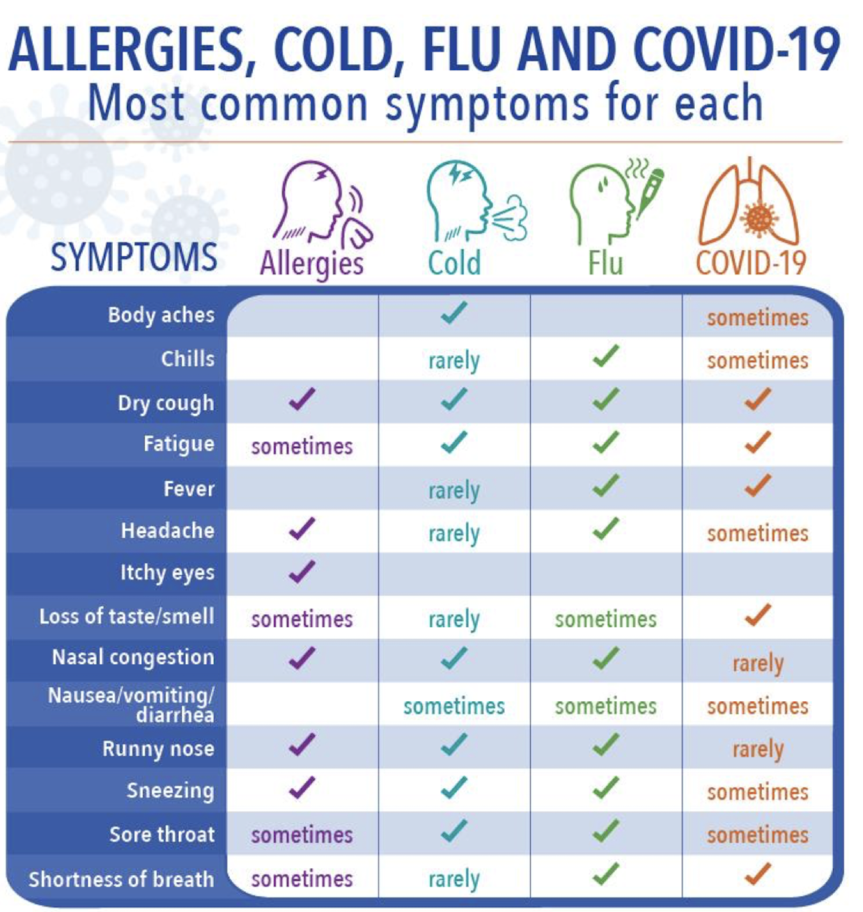
How do you figure out what you have? (Slide 4)
Although medical professionals rely heavily on signs and symptoms to diagnose diseases and prescribe treatment, many diseases can produce similar signs and symptoms.
Getting Infected by Pathogens (Slide 5)
Infection
successful colonization within a host of a microorganism (bacterium, virus, fungi, etc…)
infections can lead to disease: signs and symptoms resulting in a deviation from the normal structure or functioning of the host
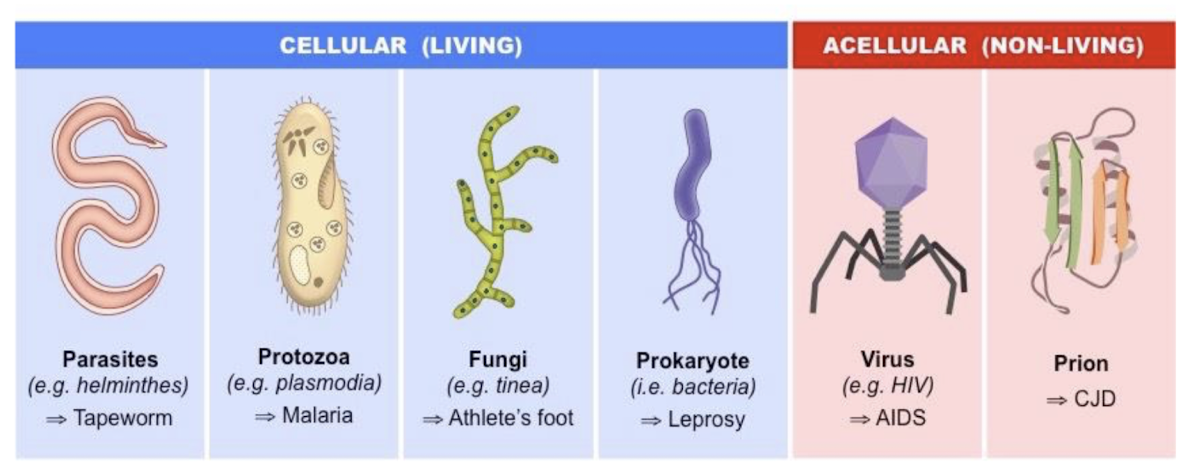
Pathogens: microorganisms that can cause disease
Signs of a Disease in Humans (Slide 6)
Under Normal Conditions
body temperature: 37° C [98.6° F]
heart rate (normally 60-100 beats per minute)
breathing rate (normally 12-18 breaths per minute)
blood pressure (normally between 90/60- and 120/80-mmHg)
Signs of disease are objective and measurable
Signs of a Disease in Humans (Slide 7)
Additional Observable Conditions
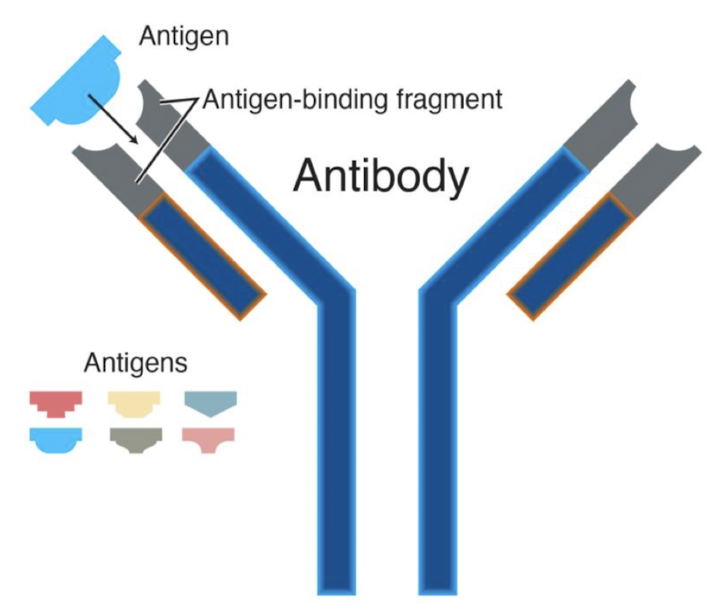
presence of antibodies in a patient
can be observed and measured through blood tests
presence of antibodies is not always a sign of an active disease
antibodies can remain in the body long after an infection has resolved
 Symptoms of A Disease in Humans (Slide 8)
Symptoms of disease are more subjective and may not be objectively measured
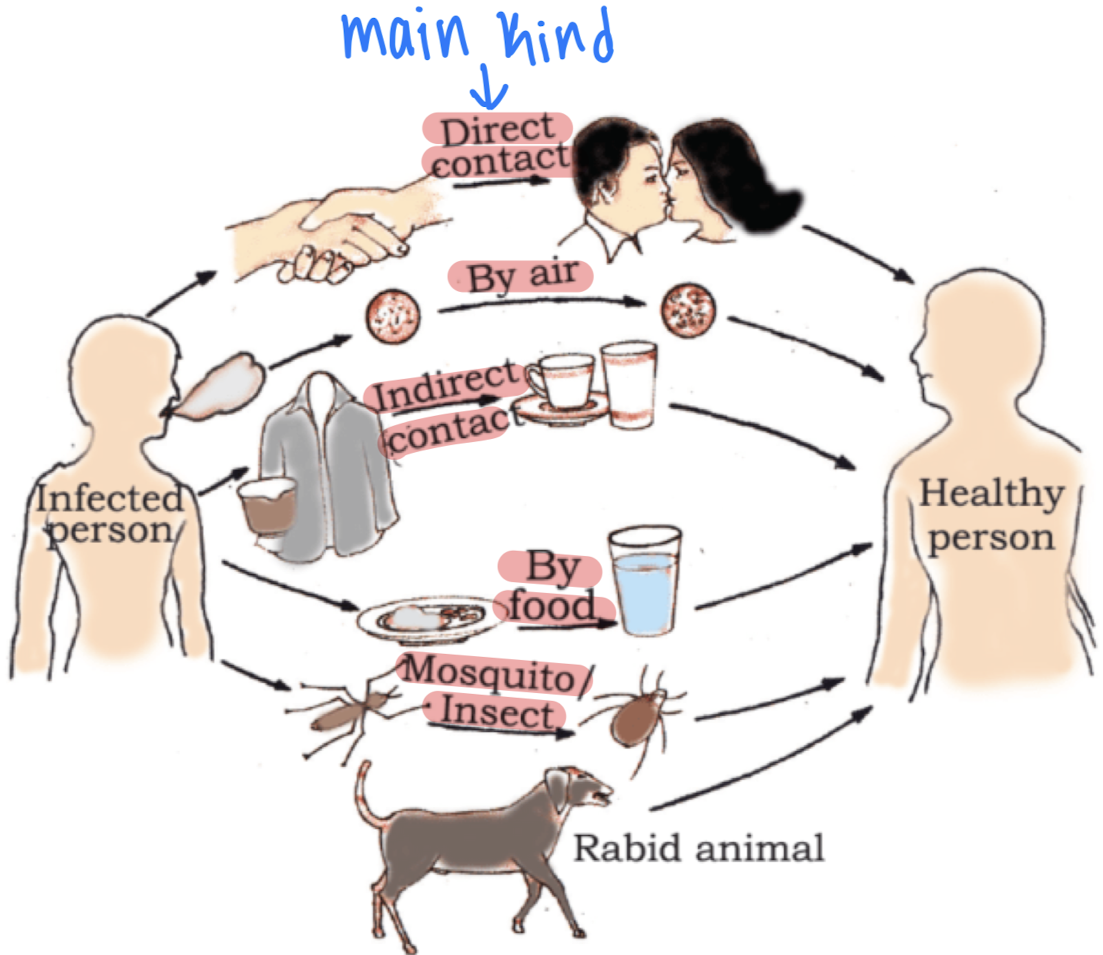
Method of Disease Transmission - Exposure (Slide 9)
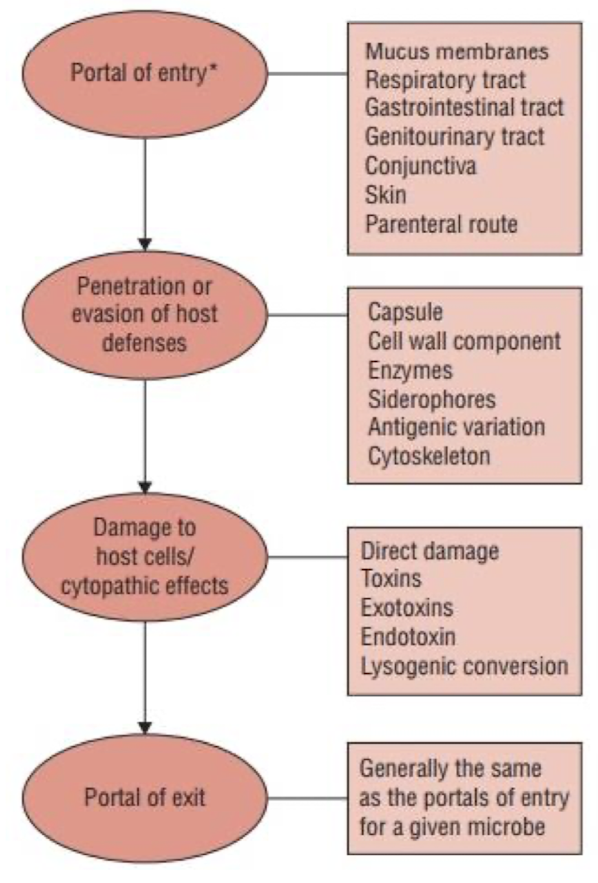
Stage of the infection process (Slide 10)
Portal of Entry
the way in which a pathogen enters a susceptible host
Penetration or evasion of host defenses
when the pathogens establish themselves inside the host
Damage to host cells
cause host cells to be severely hurt or killed
Portal of exit
where the pathogens exit to infect another host
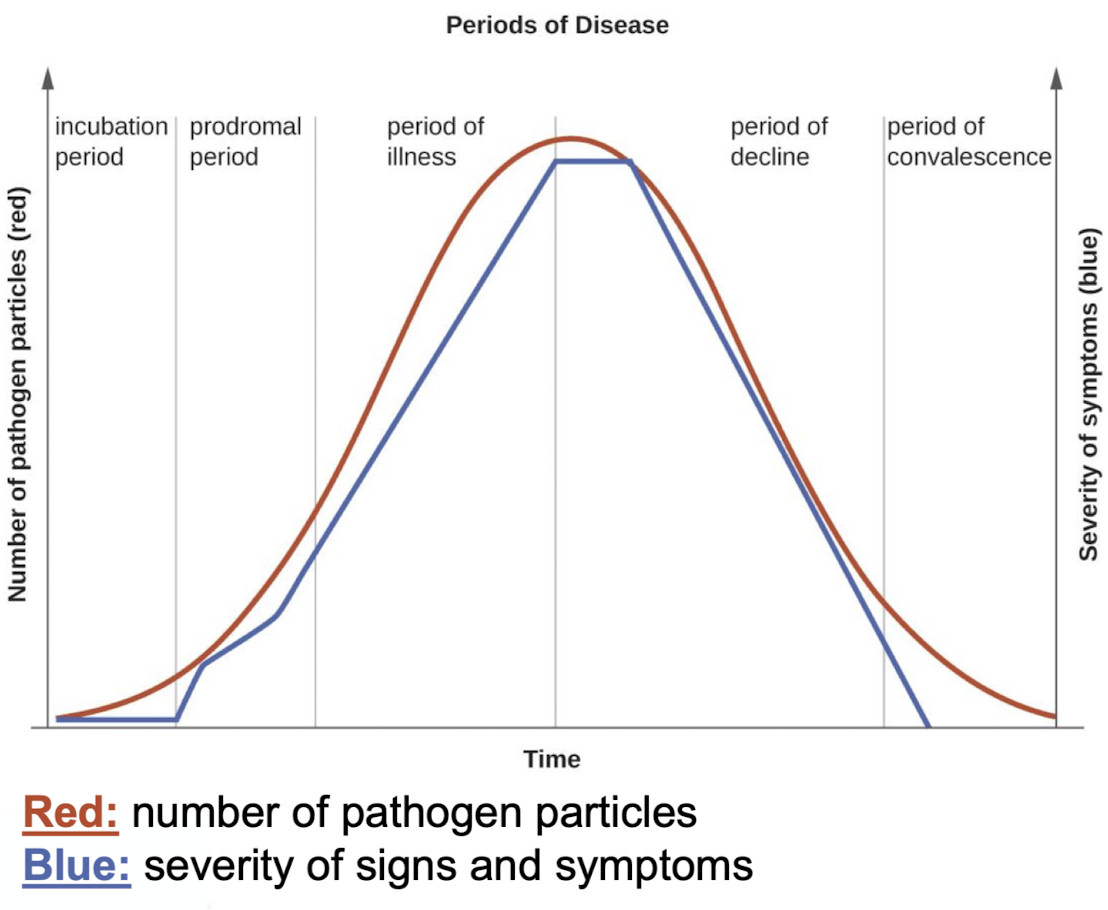
Periods of Disease (Slide 11)
Incubation Period (1st stage of acute disease)
pathogen begins multiplying
signs and symptoms are not observable
Prodromal Period (2nd stage of acute disease)
pathogen continues to multiply
nonspecific signs and symptoms become observable
Period of Illness (3rd stage of acute disease)
number of pathogens present is the greatest
signs and symptoms of the disease are most severe
Period of decline (4th stage of acute disease)
the number of pathogens decreases, along with signs and symptoms of the disease
Period of Convalescence (5th stage of acute disease)
patient returns to normal function
Pathogenicity & Virulence
Pathogenicity & Virulence (Slide 13)
Pathogenicity
the ability of a microbe to cause disease
Virulence
the degree to which an organism is pathogenic; severity of disease signs & symptoms
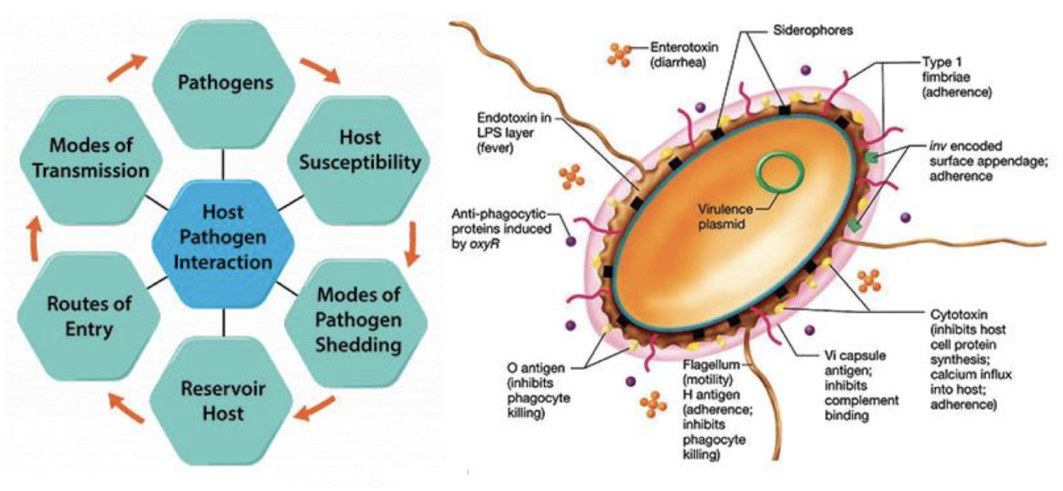
Pathogens cause disease - Koch’s postulates (Slide 14)
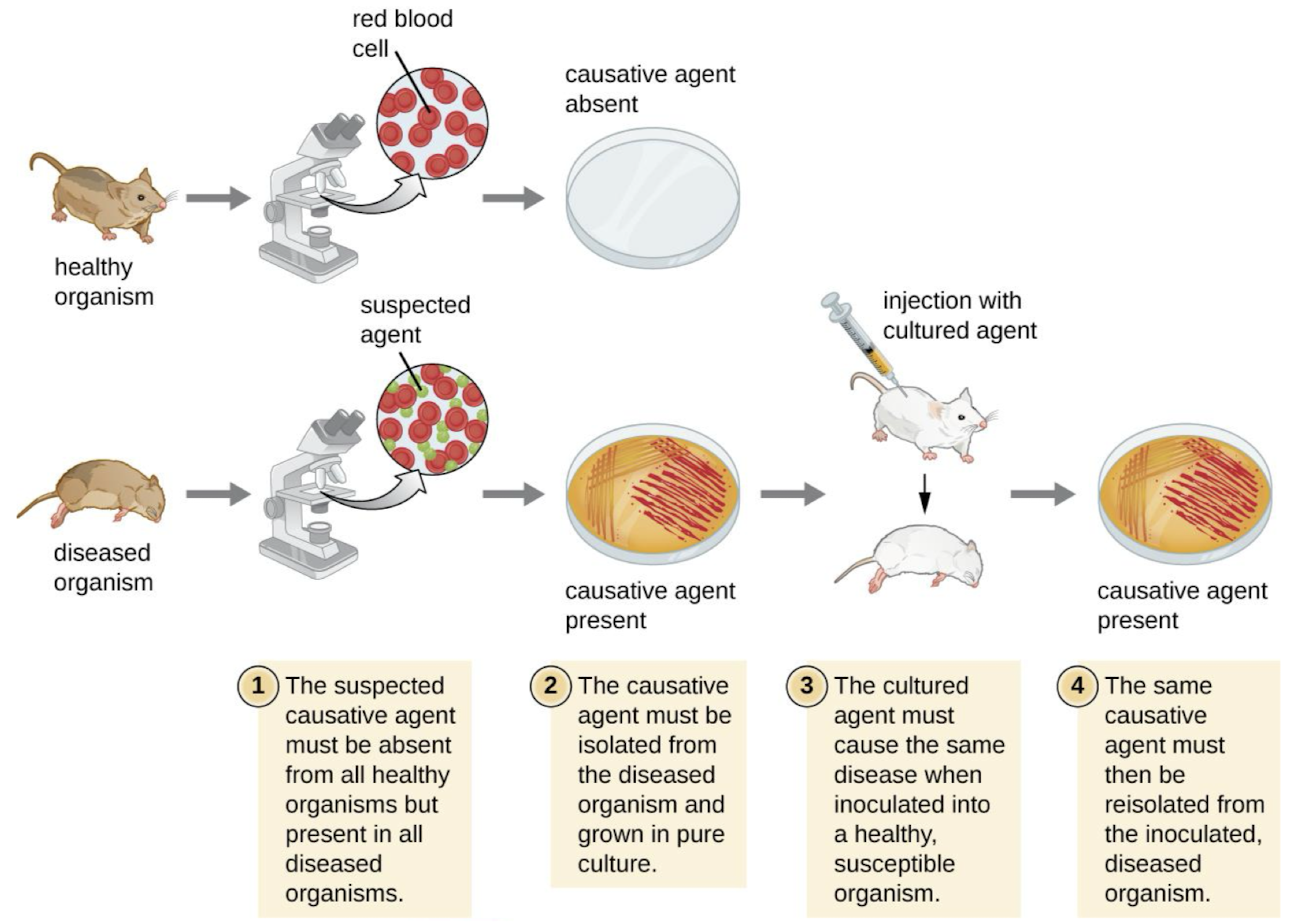 Limitations to Koch’s Postulates (Slide 15)
Viruses can’t be grown*
Assumes that pathogens are only forced in diseased, not healthy, individuals
not true for many pathogens
example: H. pylori can cause chronic gastritis, but it is also part of the normal microbiota of the stomach in many healthy humans who never develop gastritis
Assumes that all healthy test subjects are equally susceptible to disease
makeup of resident microbiota can influence an individual’s susceptibility to infections
individuals with differences in immune systems
two individuals with the same disease may not present with the same signs and symptoms
Assumes that all pathogens can be grown in pure laboratory culture
viruses are obligate intracellular pathogens that can grow only when inside a host cell
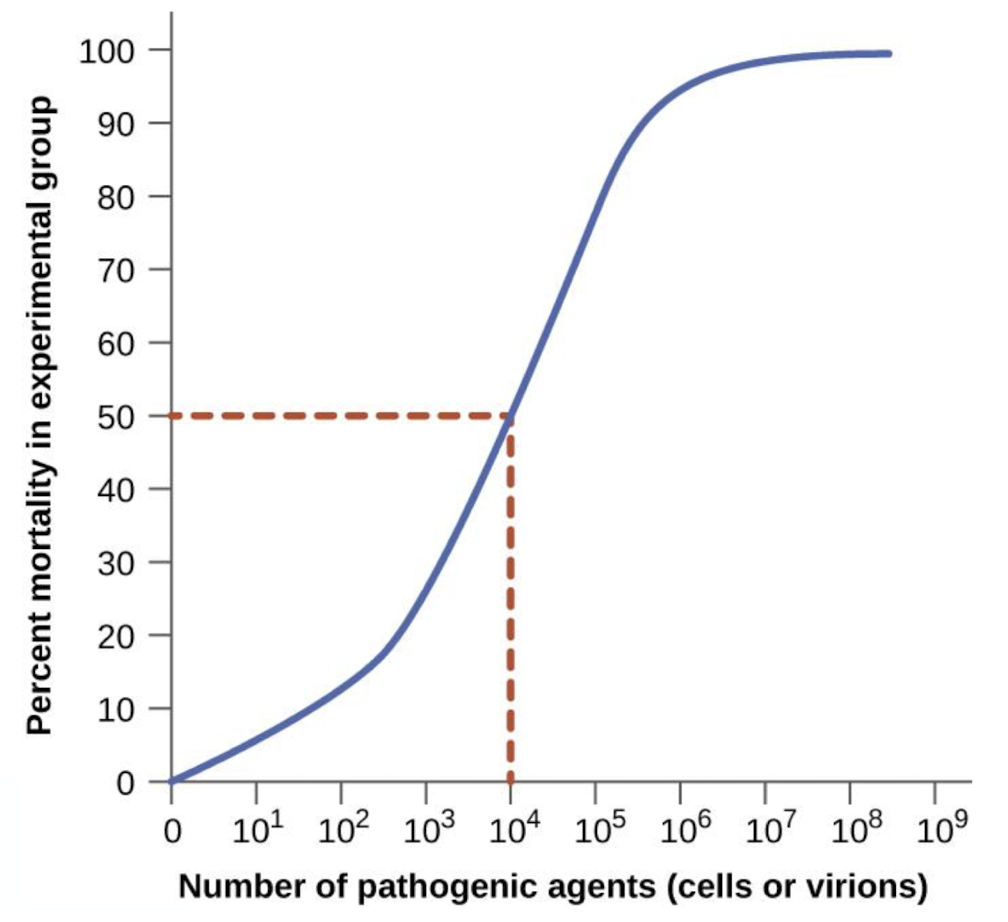
Measuring virulence - how deadly is an infection (Slide 16)
The virulence of a pathogen can be quantified using controlled experiments with laboratory animals
Two important indicators of virulence
median infections dose (ID50): number of pathogen cells or virions required to cause active infection in 50% of inoculated animals
median lethal dose (LD50): number of pathogenic cells, virions, or amount of toxin required to kill 50% of infected animals
Primary Pathogens vs. opportunistic pathogens (Slide 17)
Primary Pathogens
microorganisms that cause disease in the host regardless of the effectiveness of the host’s immune system.
Example: enterohemorrhagic E. coli (EHEC), which produces Shigs toxin and inhibits protein synthesis, leading to severe and bloody diarrhea, inflammation, and renal failure
Opportunistic Pathogens → only get sick if you have immunocompromised
microorganism that can only cause diseases in individuals with compromised host defenses
Example: S. epidermis is found in the normal microbiota of the skin, where it is generally avirulent. Inside the body, S. epidermis can cause serious infections such as endocarditis (heart inflammation)
Lecture Question 1: Covid-19 disease (Slide 18)
Considering that COVID-19 affects patients with weakened immune systems sometimes more severely, is COVID-19 a primary pathogen or opportunistic pathogen?
A. primary pathogen
Virulence Factors
How do pathogens cause damage to host cells? (Slide 20)
Virulence Factors
molecules that assist the bacterium colonize the host at the cellular level
Colonization of a niche in the host
Immunoevasion: evasion of the host’s immune response
Immunosuppression: inhibition of the host’s immune response
Entry into the exit out of cells
Obtain nutrition from the host
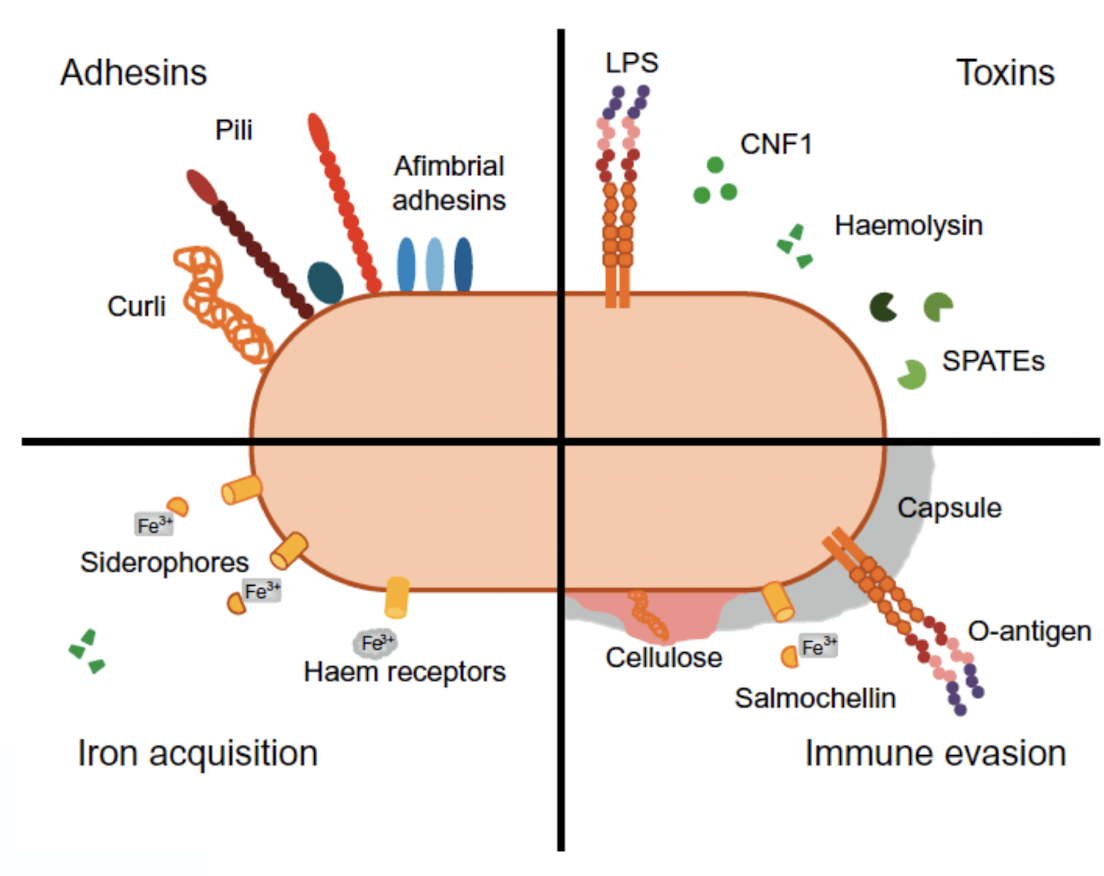
Virulence Factors - Destructive Enzymes (Slide 21)
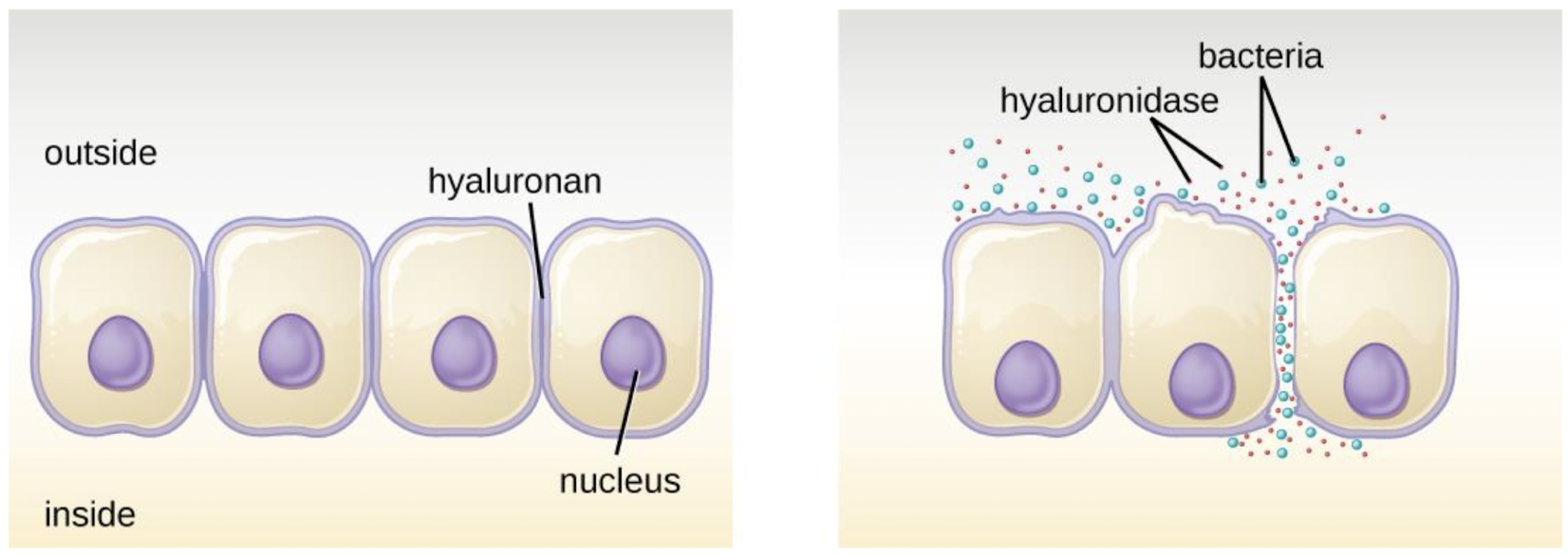
Destructive Enzymes
some virulence factors can affect the host by causing damage to host tissues:
Proteases - enzymes that breakdown host proteins
DNases - enzymes that breakdown host DNA
Hemolysins - can breakdown red blood cells (RBC’s)
Virulence Factors - Introduction to Toxins (Slide 22)
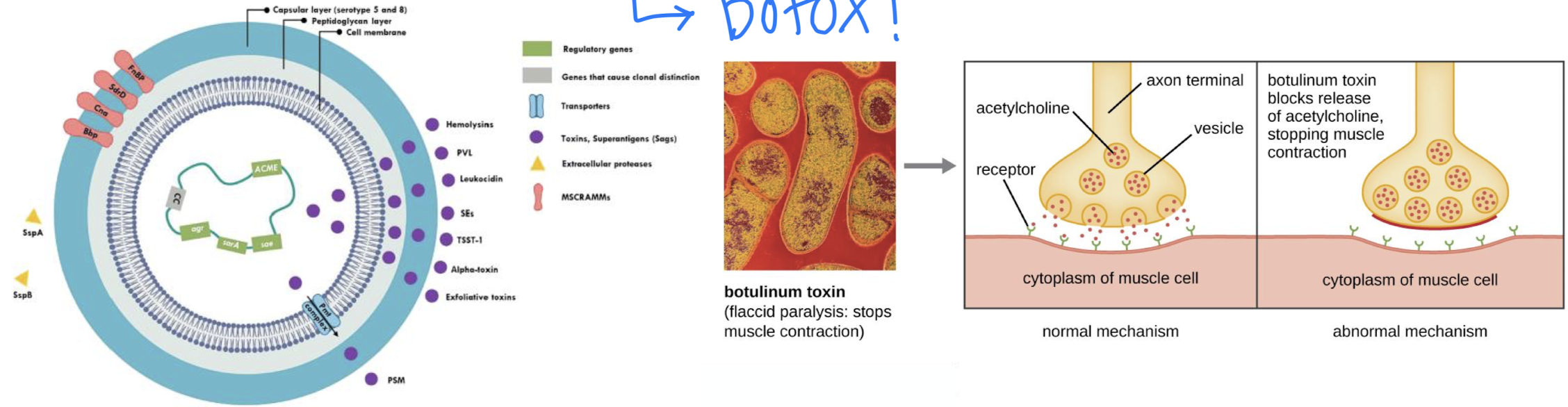
Toxins
bacterial toxins are virulence factors that manipulate host cell function and takeover control of vital processes (botox!) of living organisms to favor microbial infection
Virulence Factors for survival in the host (Slide 23)
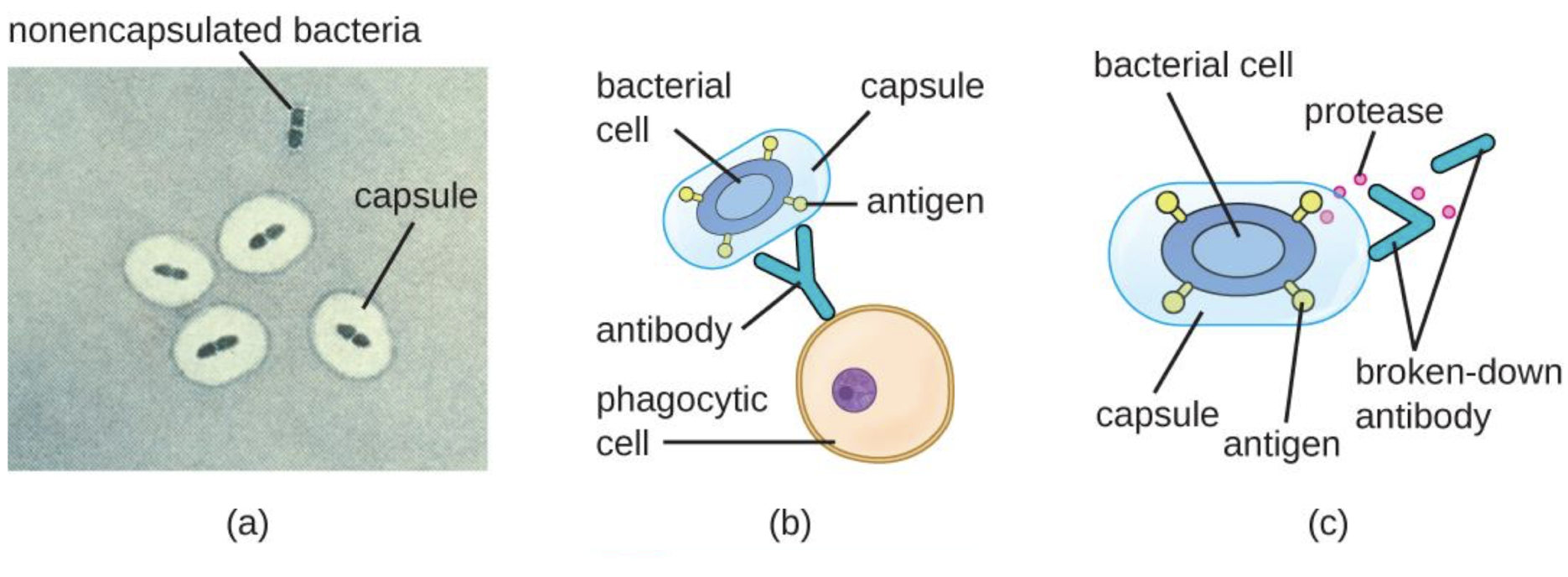
bacterial capsule helps protect the cell from being targeted by white blood cells
this helps the cells evade the immune system and survive in the hosts
behind their capsule, bacterial cells can continue producing toxins or destructive enzymes
How Viruses can evade the host immune system (Slide 24)
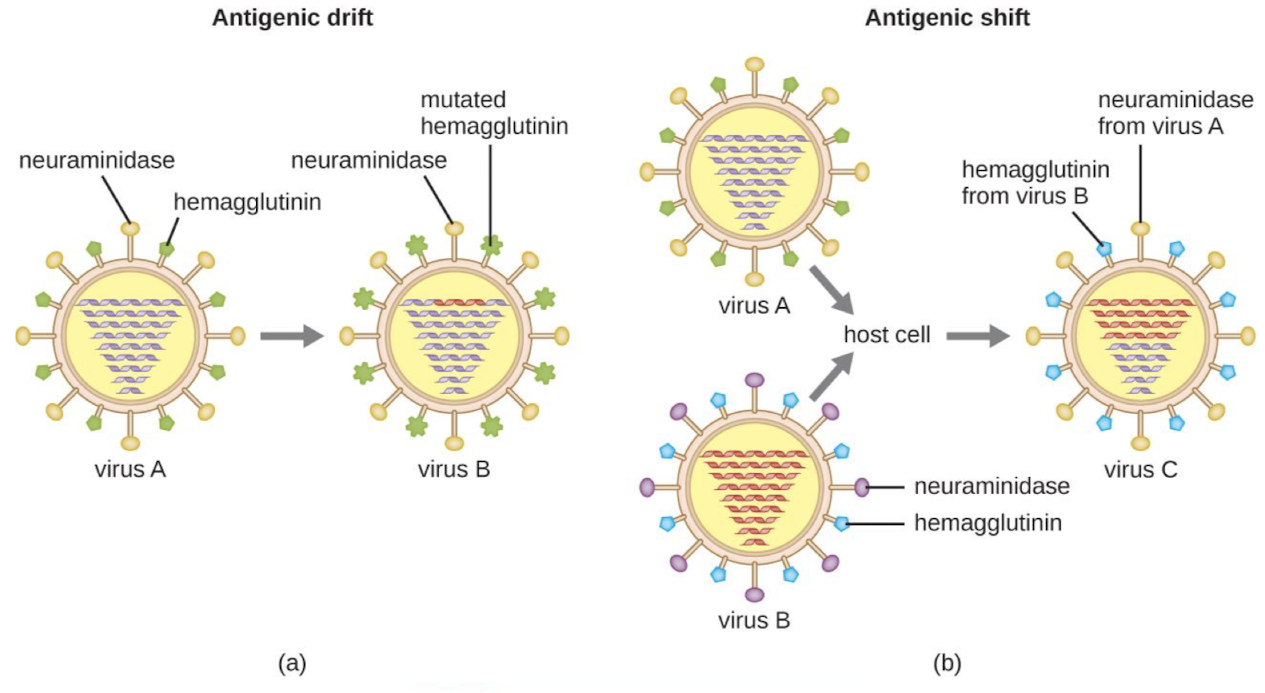
Antigenic Variation in Viruses
changing of surface antigens (carbohydrates or proteins) such that they are no longer recognized by the host’s immune system
viruses change shape to avoid antigens