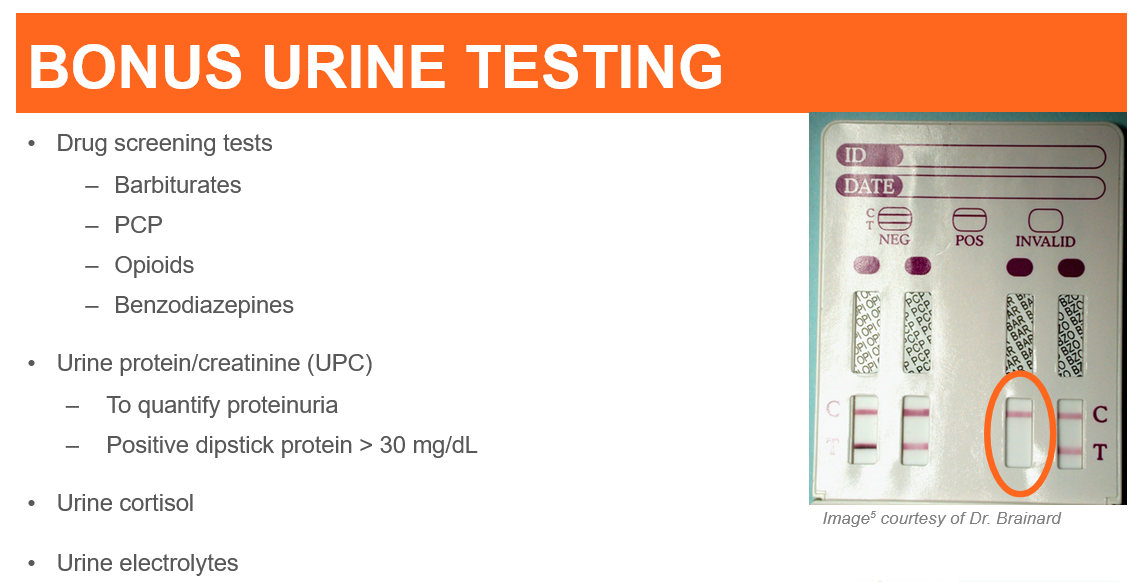
Urinalysis
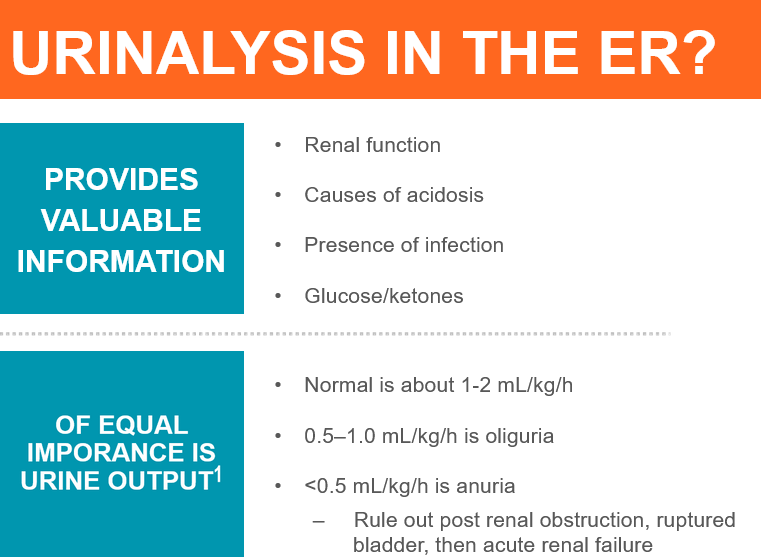
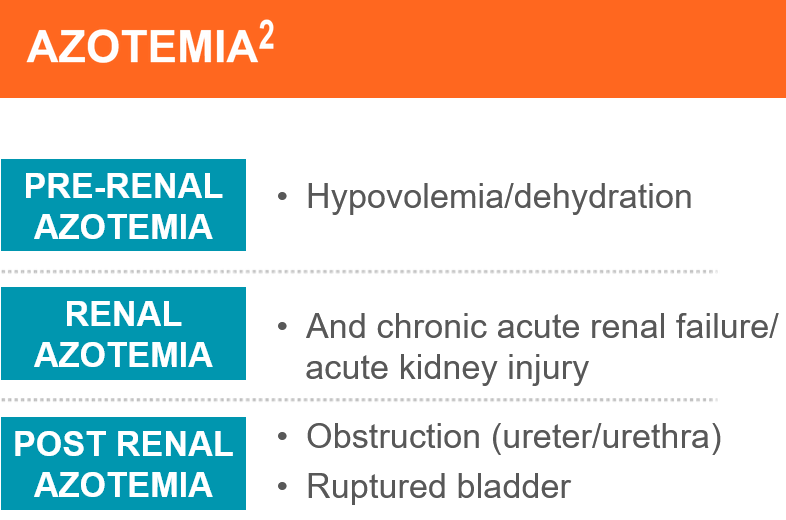
Azotemia → An excess of nitrogenous compounds (that would normally be excreted by the kidneys) in the blood
Prerenal Azotemia results from decreased blood flow to the kidneys.
Conditions that can lead to the development of prerenal azotemia include dehydration, congestive heart failure, and shock.
Renal Azotemia results from a decrease in glomerular filtration rate (GFR) due to acute or chronic primary renal (or intrarenal) diseases or to renal injury resulting from prerenal or postrenal causes.
Develops when there is a loss of approximately 75% of functioning nephrons.
Postrenal Azotemia is an accumulation of excretory products that develops when the integrity of the urinary tract is disrupted (eg, via bladder rupture) or urine outflow is obstructed (eg, via urethral or bilateral ureteral obstruction).
Renal Failure → The inability of a animal's kidneys to effectively filter waste from the blood, which can lead to a buildup of toxins in the body.
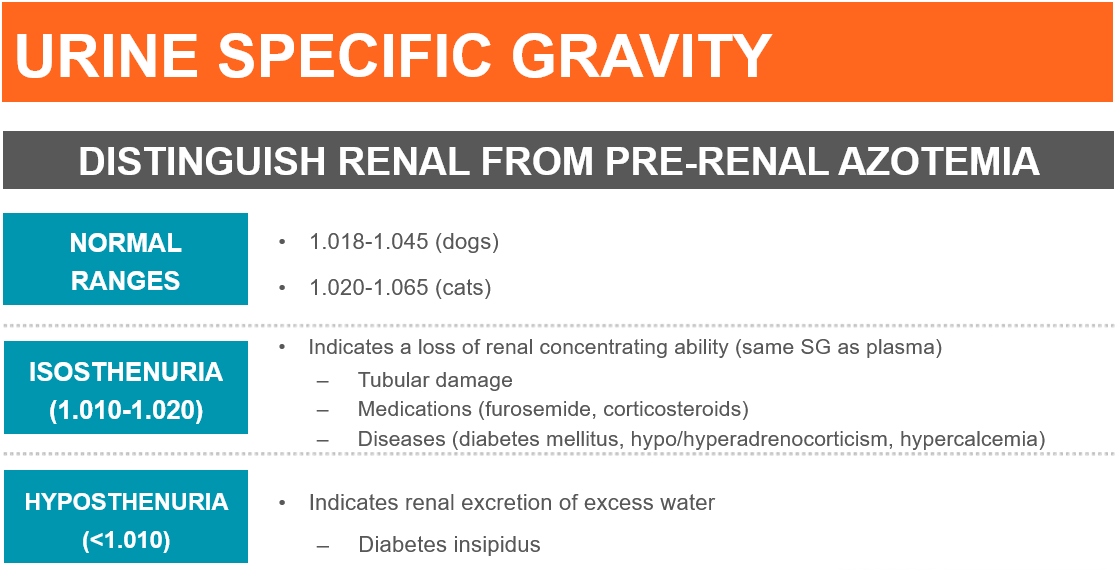
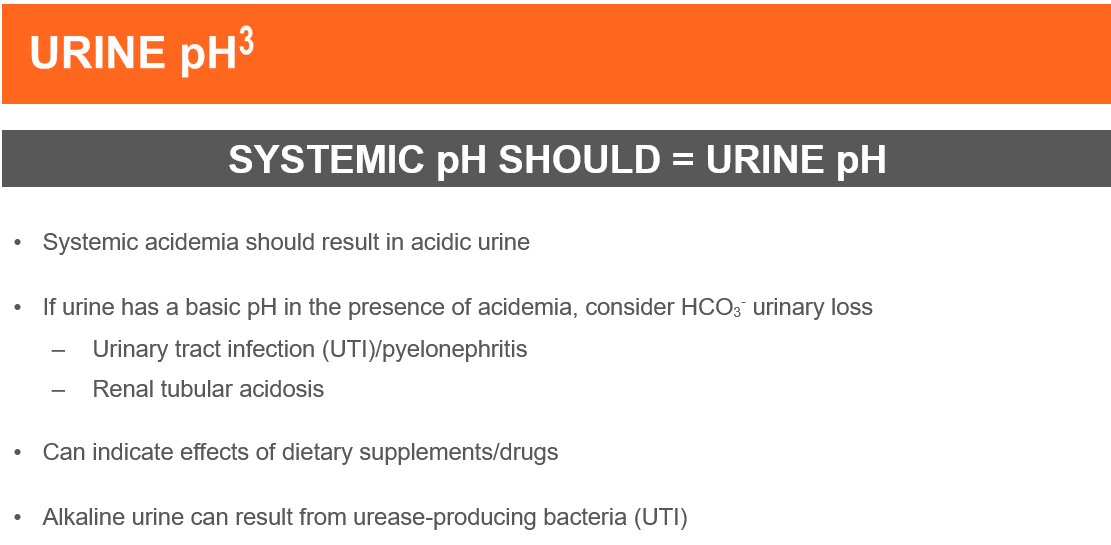
Acidemia → A condition where the blood pH is lower than normal, indicating an increase in hydrogen ion concentration.
Pyelonephritis → A bacterial infection of the kidneys, often originating from bacteria in the bladder that ascend to the kidneys.
It is more common in middle-aged or older dogs
Renal Tubular Acidosis → A condition in which the kidneys fail to excrete acids into the urine, leading to an excess of acid in the blood.
It can be classified into different types based on the specific dysfunction in the renal tubules, resulting in metabolic acidosis and electrolyte imbalances.
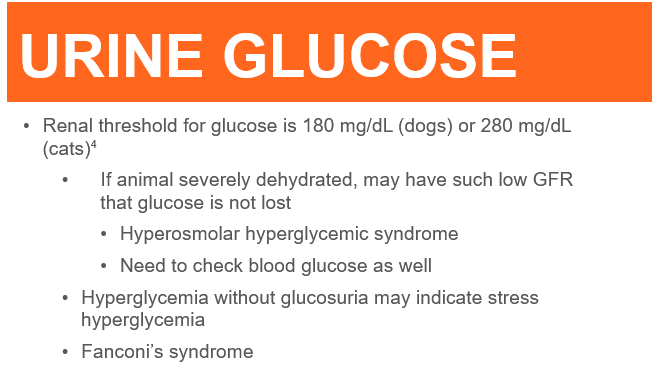
Hyperglycemia → A condition where there are abnormally high levels of glucose in the blood, typically exceeding 200 mg/dL.
It can indicate underlying health issues such as diabetes mellitus or pancreatitis
Fanconi’s Syndrome → A kidney disorder characterized by the failure of renal tubules to reabsorb essential nutrients like glucose and bicarbonate, leading to their loss in urine.
This condition can be genetic or acquired and may result in symptoms such as excessive thirst, urination, weight loss, and potential progression to kidney failure if untreated.
Blood volume status may effect urine glucose concentration.
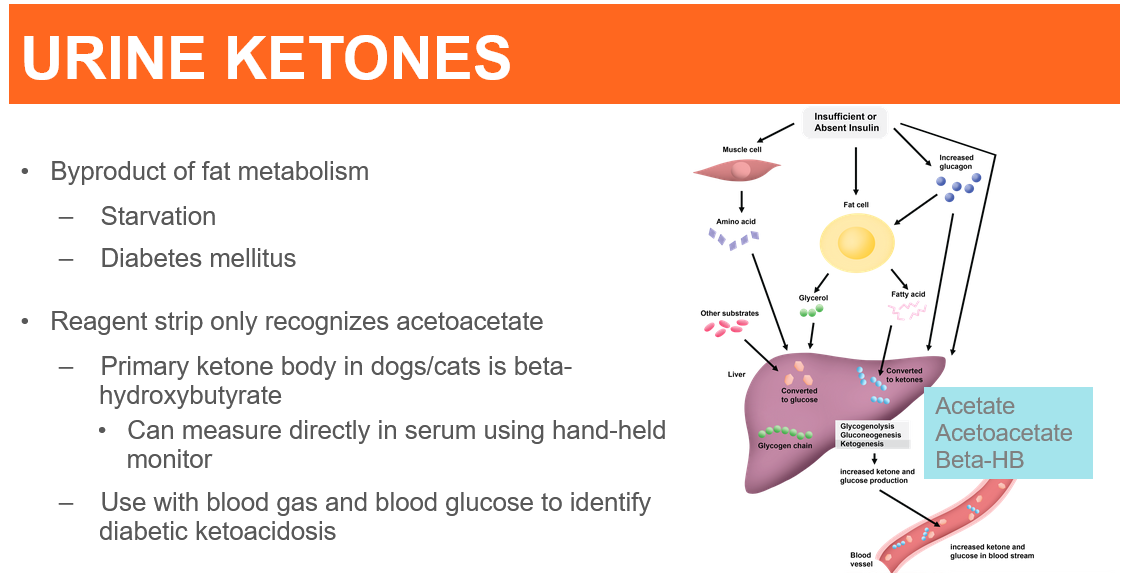
Diabetes Mellitus → A condition characterized by the body's inability to regulate blood sugar levels due to insufficient insulin production or action
This leads to high blood sugar levels, which can cause symptoms such as increased thirst, frequent urination, weight loss, and increased appetite in affected animals.
Ketones → Organic compounds produced by the liver during the breakdown of fatty acids, typically when glucose is not available for energy.
Elevated ketone levels can indicate conditions like diabetic ketoacidosis in dogs and cats, where the body resorts to fat metabolism due to insufficient insulin.
Venus Blood Gas (VBG) → a test that analyzes a blood sample taken from a vein to assess a patient's acid-base status, ventilation, and oxygenation.
Diabetic Ketoacidosis (DKA) → A serious condition that occurs when a pet, typically a dog or cat with diabetes, has insufficient insulin to regulate blood sugar levels, leading to high blood glucose and the production of ketone bodies from fat.
This results in metabolic acidosis, dehydration, and can be life-threatening if not treated promptly.
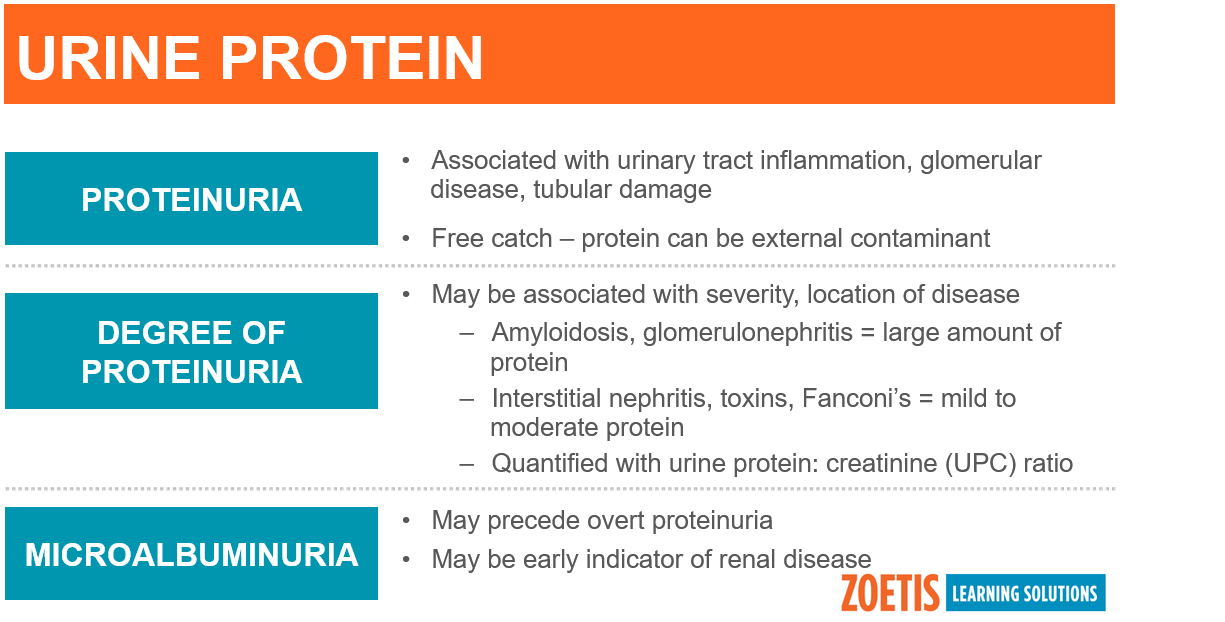
Proteinuria → The presence of excess protein in the urine
It may arise from various causes, including kidney disease, infections, or inflammation in the urinary tract.
Microalbuminuria → The presence of small amounts of albumin in the urine of dogs and cats, typically ranging from 1 to 30 mg/dL
It can indicate underlying health issues, including early signs of kidney disease
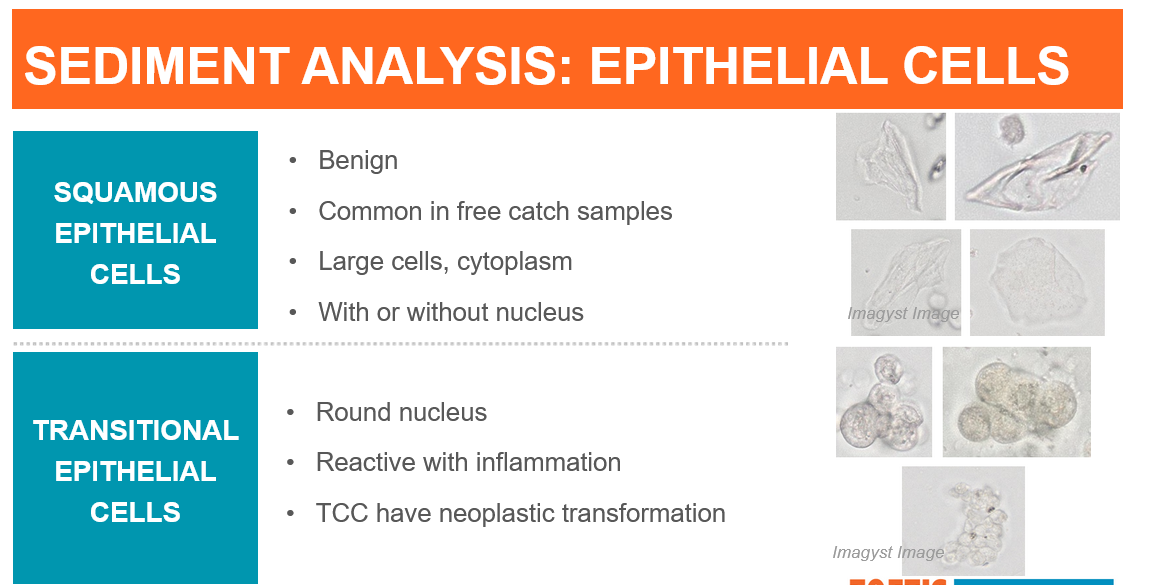
Neoplasia→ Refers to the uncontrolled, abnormal growth of cells or tissues in animals, which can result in the formation of tumors.
These tumors can be benign (non-cancerous) or malignant (cancerous)
Is often used interchangeably with "tumor" and "cancer."
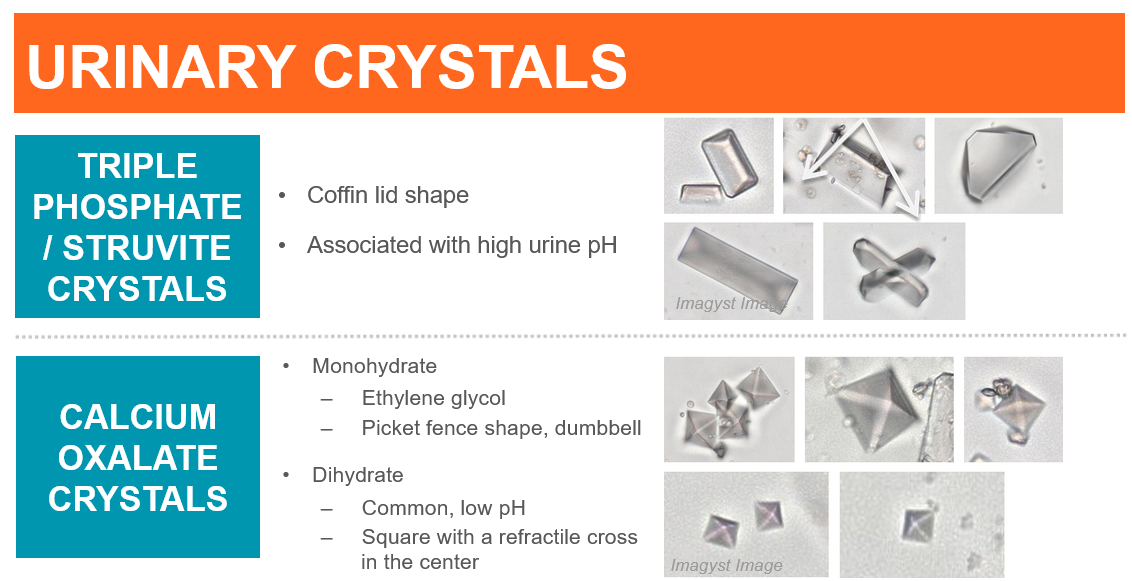
Urolithiasis → A condition in animals characterized by the formation of urinary stones (uroliths) in the urinary tract, which can lead to various health issues, including urinary obstruction and infection
These stones are typically composed of minerals and can occur in the bladder, kidneys, or urethra.
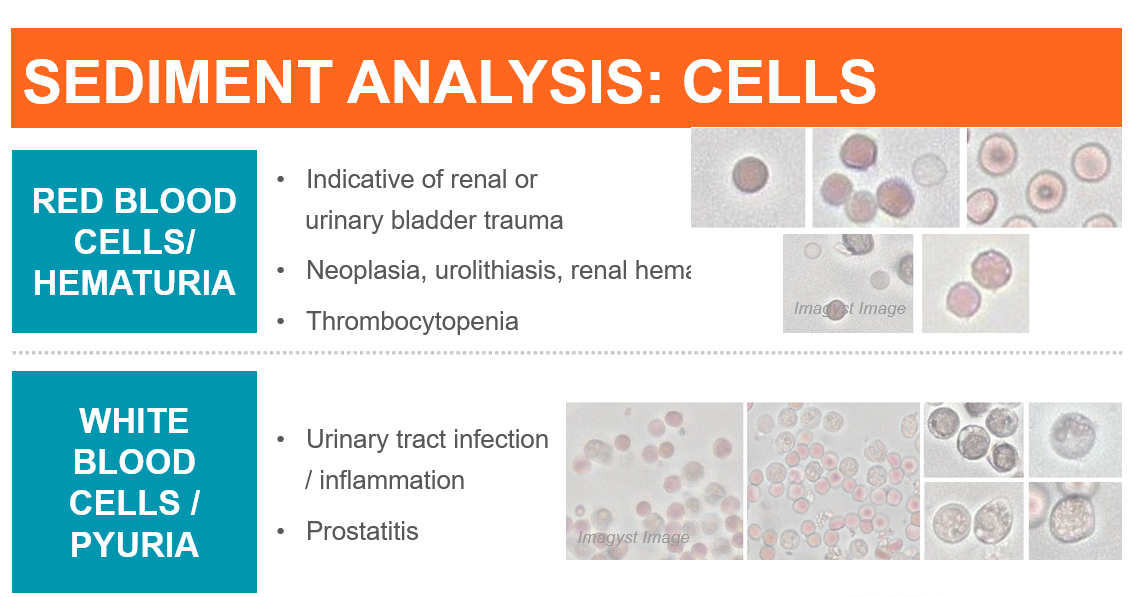
Renal Hematuria → Refers to the presence of blood in the urine that originates from the kidneys.
It can be indicate/caused by various conditions, including kidney stones, tumors, or infections (UTI)
Thrombocytopenia → A condition where there is a decrease in the number of blood platelets (thrombocytes) circulating in the blood.
Platelets are crucial for blood clotting, and their deficiency can lead to spontaneous bleeding or bruising
This condition can result from various causes, including impaired platelet production, increased destruction, or consumption of platelets
Commonly associated with diseases like immune-mediated thrombocytopenia, infections, certain medications, and toxins
Pyuria → Refers to the presence of white blood cells (leukocytes) in the urine, which is often indicative of inflammation or infection in the urinary tract.
It can be associated with conditions such as bacterial urinary tract infections, kidney infections, or other inflammatory diseases affecting the urinary system.
Prostatitis → Refers to inflammation of the prostate gland, commonly seen in male dogs.
It can be classified as acute or chronic:
Acute prostatitis often results from bacterial infections and may present with symptoms like fever, pain, and difficulty urinating.
Chronic prostatitis, on the other hand, may show milder or no symptoms but can lead to recurrent urinary tract infections.