Chapter 4 Test: Communites and Ecosystems and Climate Change
trophic level - this defines the organisms position in the food chain
food chain - a sequence of trophic relationships where each member of the sequence feeds on the previous one
food web - a complex network of tropic relationships in a community
energy pyramid - loss of energy between levels of a food chain
producers - organisms that create food for themselves through photosynthesis (autotrophs)
consumers - organisms that need to eat inorder to obtain energy (heterotrophs)
decomposers - organisms that break down dead or decaying organisms
autotrophs - a organisms that are able to make their own food from raw materials and energy, known as producers
heterotrophs - known as consumers, a organisms that consume producers or other consumers
herbivore - an organism that only eat plants
carnivore - an organism that only eats animals
omnivore - an organism that eats both plants and animals
scavenger - an organism that consumes mostly decaying biomass, such as meat or rotting plant matter
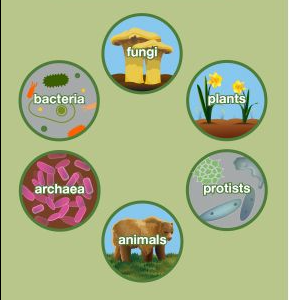
biotic factors - living factors of an ecosystem
abiotic factors - non-living factors of an ecosystem 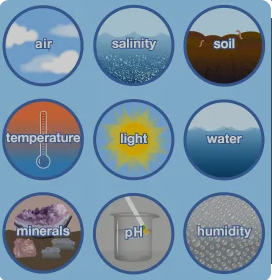
habitat - the enviornment in which a species normally lives
niche - the role an organism plays in a community
biosphere - the worldwide sum of biomes and ecosystems
biome - a biome is a large area characterized by its vegetation, soil, climate, and wildlife (e.g. grassland, tundra, freshwater, marine)
ecosystem - a community and its abiotic environment
community - a group of populations living and interacting with eachother in an area
population - a group of organisms of the same species that live in the same area at the same time
species - a group of organisms that can interbreed and produce fertile offspring
biomass - the mass or weight of living tissue
pioneer species - the first species to colonoize in primary succession (e.g. lichens, fungi, bacteria)
climax forest - a mature community that is stable and does not change easily because of the large species diversity and number
succession - the process by which the mix of species and habitat in an area changes over time
Primary Succession - development of a region with no persisting vegitation or soil; occurs after a volcanic erruption
Secondary Succession - the development of a region where vegitation is cleared but there is still soil; occurs after a fire or landslide
mutualism - ( + / + ) Both organisms benefit from the relationship
commensalism - ( 0 / + ) a relationship where one organism benefits and one is neutral
parasitism - (+ / - ) a relationship between two organisms where one benefits and one is harmed
predation - ( + / - ) in a relationship that is predatious the other organism is not only harmed but eaten and used as nutrients for the preditor
competition - ( - / - ) both organism are harmed by the existence of the other, because they fight for the same source of nutrients or space
amensilism - ( 0 / - ) a relationship between two organisms where one is harmed and one is neutral
saprotrophs - externally digest waste by secreting digestive enzymes and abosorbing the products of digestion
detritivores - internally digest waste through consumption
competitive exclusion - No two organisms can occupy the same habitat and niche at the same time
keystone species - species that plays such an essential role in an ecosystem that if they were hunted or harvested the ecosystem would be very damaged
cryptic coloration - a defense or tactic that organisms use to disguise their appearance (camouflage) 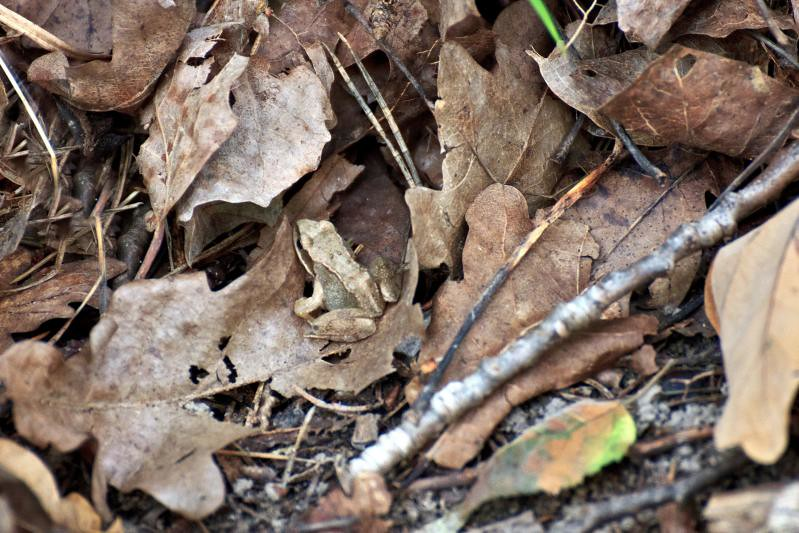
aposematic coloration - markings on an animal used to warn off predators, 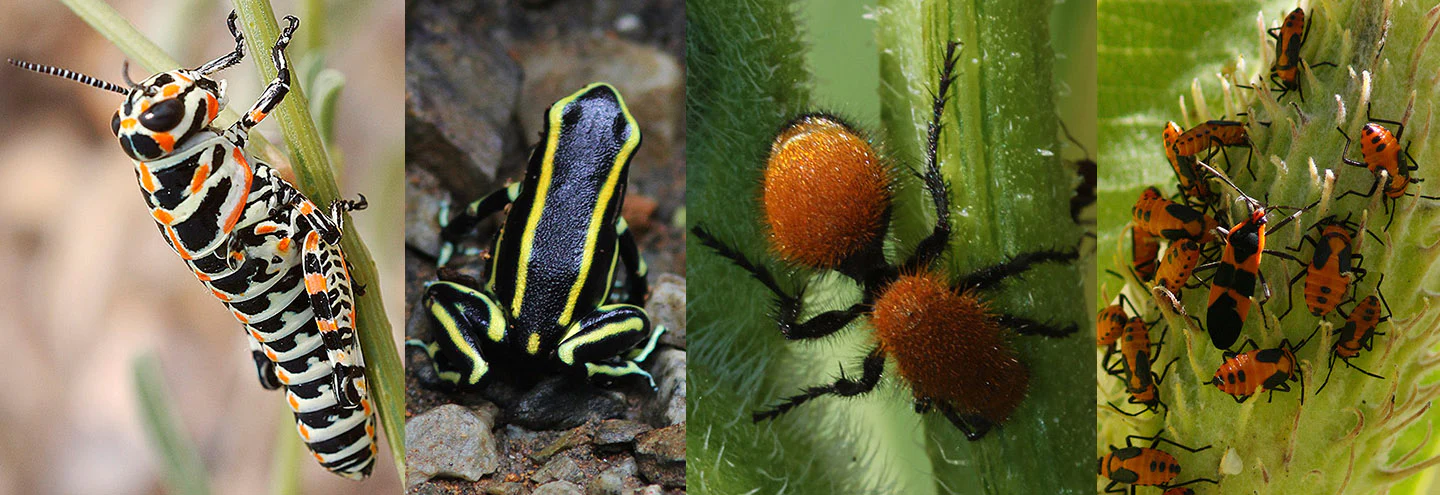
Batesian mimicry - when a harmless species mimics a harmful species 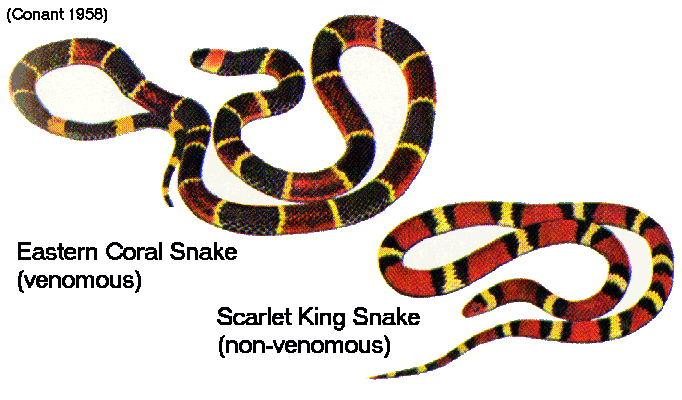
Mullarian mimicry - a cooperation between two species, they look alike so the end up protecting each other by fooling their preditors 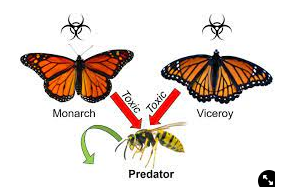
Water Cycle :
- Water’s abiotic reservior(s) - the atmosphere, the ground, the ocean, and glaciers
- precipitation - water enters the food chain through _____________
- transpiration - water is returned to the atmosphere through _____________ (done by plants)
- evaporation - water is returned to the atmosphere through ___________
Carbon Cycle:
- Carbon’s abiotic reservior - the atmosphere
- Carbon is stored as - CO2
- combustion - carbon is returned to the atmosphere through the __________ of fossil fuels.
- respiration - carbon is returned to its abiotic reservior through ___________ (done by plants and animals)
- photosynthesis - carbon in the atmoshpere enters the food chain through ______________
Questions:
- [ ] List the levels of organization of matter on Earth from largest to smallest: Biosphere, Biome, Ecosystem, Community, Population, Species
- [ ] Why is there a lot of energy lost in ecosystem as you go up trophic levels? How is it lost? : Energy decreases as it moves up trophic levels because energy is used by the organism and it is lost as metabolic heat
- [ ] Explain how a terrestrial community undergoes succession: an ecosystem gradually changes in species composition and community structure over time after a disturbance has occurred. In primary succession lichens secrete organic acids and chemically break down rock to produce soil, nitrogen fixers enrich the soil, other plant species are established and the community grows.
- [ ] Why are there so many primary producers in a terrestrial community? :
There are many
- [ ] What is a keystone species and why is it important :
- [ ] Draw, label, and describe the carbon cycle :