CHD
Unit 2: System Disorders
Page 1
SECTION 3 | Cardiovascular and Hematologic Disorders
Chapter 20: Cardiovascular Disorders
Heart disease can be congenital or acquired.
Anatomic abnormalities present at birth can lead to congenital heart disease (CHD) most commonly, heart failure, and hypoxemia.
Heart failure occurs when the heart is unable to meet the metabolic and physical demands of the body due to inadequate blood flow.
Hyperlipidemia has increased due to poor diet and decreased activity levels in children. Children who have hyperlipidemia are at a greater risk for childhood obesity and for developing heart disease as an adult.
Congenital Heart Disease
Assessment
Risk Factors
Maternal factors
Infection
Alcohol or other substance use disorder during pregnancy
Diabetes mellitus
Genetic factors
History of congenital heart disease in other family members
Syndromes (Trisomy 21 [Down syndrome])
Presence of other congenital anomalies or chromosomal abnormalities
Expected Findings
Defects that increase pulmonary blood flow
Defects with increased pulmonary blood flow allow blood to shift from the high pressure left side of the heart to the right, lower pressure side of the heart.
Increased pulmonary blood volume on the right side of the heart increases pulmonary blood flow.
These defects include manifestations and findings of heart failure.
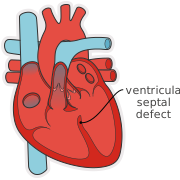
Ventricular septal defect (VSD)
A hole in the septum between the right and left ventricle that results in increased pulmonary blood flow (left-to-right shunt)
Loud, harsh murmur auscultated at the left sternal border
Heart failure
Many VSDs close spontaneously early in life
Atrial septal defect (ASD)
A hole in the septum between the right and left atria that results in increased pulmonary blood flow (left-to-right shunt)
Systolic murmur and a fixed split second heart sound may be present
Heart failure
Asymptomatic (possibly)
Patent ductus arteriosus (PDA)
A condition in which the normal fetal circulation conduit between the pulmonary artery and the aorta fails to close and results in increased pulmonary blood flow (left-to-right shunt)
Systolic murmur (machine hum)
Wide pulse pressure
Bounding pulses
Asymptomatic (possibly)
Heart failure
Rales
Obstructive defects
Obstructive defects include those where blood flow exiting the heart meets an area of narrowing (stenosis), which causes obstruction of blood flow.
The pressure that occurs before the defect is increased (ventricle) and the pressure that occurs after the defect is decreased. This results in a decrease in cardiac output.
These children can present with manifestations of heart failure. QEBP
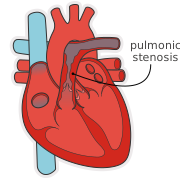
Pulmonary stenosis
A narrowing of the pulmonary valve or pulmonary artery that results in obstruction of blood flow from the ventricles
Systolic ejection murmur
Asymptomatic (possibly)
Cyanosis varies with defect, worse with severe narrowing
Cardiomegaly
Heart failure
Aortic stenosis
A narrowing of the aortic valve
Infants: Faint pulses, hypotension, tachycardia, poor feeding tolerance
Children: Intolerance to exercise, dizziness, chest pain, possible ejection murmur
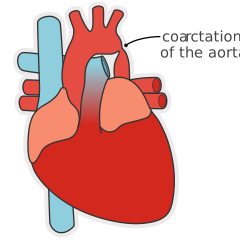
Coarctation of the aorta
A narrowing of the lumen of the aorta, usually at or near the ductus arteriosus, that results in obstruction of blood flow from the ventricle
Elevated blood pressure in the arms
Bounding pulses in the upper extremities
Decreased blood pressure in the lower extremities
Cool skin of lower extremities
Weak or absent femoral pulses
Heart failure in infants
Dizziness, headaches, fainting, or nosebleeds in older children
A nurse is assessing an infant who has coarctation of the aorta. Which of the following findings should the nurse expect?
Select all that apply.
a
Weak femoral pulses
b
Cool skin of lower extremities
c
Severe cyanosis
d
Clubbing of the fingers
e
Decreased blood pressure in lower extremities
Defects that decrease pulmonary blood flow
Defects that decrease pulmonary blood flow have an obstruction of pulmonary blood flow and an anatomic defect (ASD or VSD) between the right and left sides of the heart.
In these defects, there is a right to left shift allowing deoxygenated blood to enter the systemic circulation.
Hypercyanotic spells (blue, or “Tet,” spells) manifest as acute cyanosis and hyperpnea.
Tricuspid atresia
A complete closure of the tricuspid valve that results in mixed blood flow. An atrial septal opening needs to be present to allow blood to enter the left atrium.
Infants: Cyanosis, dyspnea, tachycardia
Older children: Hypoxemia, clubbing of fingers
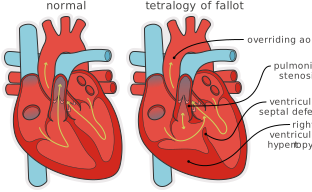
Tetralogy of Fallot
Four defects that result in mixed blood flow: Pulmonary stenosis, ventricular septal defect, overriding aorta, right ventricular hypertrophy
Cyanosis at birth: progressive cyanosis over the first year of life
Systolic murmur
Episodes of acute cyanosis and hypoxia (blue or “Tet” spells)
Mixed defects
Transposition of the great arteries
A condition in which the aorta is connected to the right ventricle instead of the left, and the pulmonary artery is connected to the left ventricle instead of the right. A septal defect or a PDA must exist in order to oxygenate the blood.
Murmur depending on presence of associated defects
Severe to less cyanosis depending on the size of the associated defect
Cardiomegaly
Heart failure
Truncus arteriosus
Failure of septum formation, resulting in a single vessel that comes off of the ventricles
Heart failure
Murmur
Variable cyanosis
Delayed growth
Lethargy
Fatigue
Poor feeding habits
Hypoplastic left heart syndrome
Left side of the heart is underdeveloped. An ASD or patent foramen ovale allows for oxygenation of the blood.
Mild cyanosis
Heart failure
Lethargy
Cold hands and feet
Once PDA closes, progression of cyanosis and decreased cardiac output result in eventual cardiac collapse
A nurse is caring for an infant who has the following clinical manifestations: systolic murmur, wide pulse pressure, bounding pulses, and rales when auscultating the lungs. Which of the following congenital heart conditions should the nurse suspect?
a
Tetralogy of Fallot
b
Patent ductus arteriosus
c
Ventricular septal defect
d
Pulmonary stenosis
Patient-Centered Care
Therapeutic procedures
Ventricular septal defect
Nonsurgical procedure/Therapies
Closure during cardiac catheterization
Careful observations for spontaneous closure
Diuretics
Surgical procedures
Pulmonary artery banding
Complete repair with patch (increased risk for heart block)
Atrial septal defect
Nonsurgical procedures/THERAPIES
Closure during cardiac catheterization
Diuretics
Low dose aspirin 6 months after procedure
Surgical procedure:
Patch closure
Cardiopulmonary bypass
Patent ductus arteriosus
Nonsurgical procedures/THERAPIES
Administration of indomethacin (to allow for closure)
Insertion of coils to occlude PDA during cardiac catheterization
Administration of diuretics (furosemide)
Provide extra calories for infants QEBP
Surgical procedure: Thoracoscopic repair (ligate vessels)
Pulmonary stenosis
Nonsurgical procedures/THERAPIES: Balloon angioplasty with cardiac catheterization
Surgical procedures
Infants: Brock procedure
Children: pulmonary valvotomy
Aortic stenosis
Nonsurgical procedures/THERAPIES
Balloon dilation with cardiac catheterization
Administer beta blockers, calcium channel blockers
Surgical procedures
Norwood procedure
Aortic valvotomy
Coarctation of the aorta
Nonsurgical procedures/THERAPIES
Infants and children: Balloon angioplasty
Adolescents: Placement of stents
Surgical procedure: Repair of defect recommended for infants less than 6 months of age
Tricuspid atresia
Surgical procedures: Surgery in 3 stages: shunt placement, Glenn procedure, modified Fontan procedure
Tetralogy of Fallot
Surgical procedures
Shunt placement until able to undergo primary repair
Complete repair within the first year of life
Transposition of the great arteries
Surgical procedure/THERAPIES
Surgery to switch the arteries within the first 2 weeks of life.
IV prostaglandin E (keep ducts open).
Truncus arteriosus
Surgical procedure: Surgical repair within the first month of life
Hypoplastic left heart syndrome
Surgical procedures: Surgery in three stages starting shortly after birth: Norwood procedure, Glenn shunt, and Fontan procedure
Pulmonary Artery Hypertension
Pulmonary artery hypertension (PAH) is high blood pressure in the arteries of the lungs that is a progressive and eventually fatal disease. There is no cure for pulmonary hypertension.
Assessment
Risk factors
Although anyone can develop PAH, there can be a genetic link in children who have family who have PAH.
Expected findings
Dyspnea with exercise
Chest pain
Syncope
Diagnostic Procedures
Radiography (chest x-ray)
Electrocardiogram
Echocardiography
Cardiac catheterization
Patient-Centered Care
Nursing Care
Support the child and family regarding diagnosis and decisions of treatment options.
Prepare the child and family for possible lung transplantation.
Client education QPCC
High altitude can cause hypoxia and should be avoided if possible. However, for those who live in high altitude area the provider will manage care accordingly.
Supplemental oxygen is available and can be used to prevent hypoxia.
It is important to adhere to the medication schedule.
The prostacyclin infusion cannot be interrupted for any reason.
Infective (bacterial) endocarditis
Infective endocarditis is an infection of the inner lining of the heart and the valves that can enter the bloodstream.
Causative organisms include Streptococcus viridans, Candida albicans, and Staphylococcus aureus.
Assessment
Risk factors
Congenital or acquired heart disease
Indwelling catheters
Expected findings
Fever, malaise, new murmur, myalgias, arthralgias, diaphoresis, weight loss, splinter hemorrhages under fingernails
Neonates: Feeding problems, respiratory distress, tachycardia, heart failure, septicemia
Laboratory Tests
CBC
Erythrocyte sedimentation rate (ESR): elevated
Urinalysis
Blood cultures (positive for diagnosis)
Diagnostic Procedures
Electrocardiogram (ECG; vegetations present)
Echocardiogram
Patient-Centered Care
Nursing care
Administer antibiotics parenterally for an extended length of time (2 to 8 weeks) usually via a peripherally inserted central catheter.
Maintain a high level of oral care.
Advise the guardians to notify their child’s dentist of existing cardiac problems to ensure preventative treatment.
Medications
High-dose anti-infectives are given for 2 to 8 weeks IV.
Client Education QPCC
High risk children require prophylactic antibiotics prior to dental and surgical procedures.
Observe for manifestations and findings of infection.
Schedule follow-up appointments.
Follow the American Heart Association’s recommendations for infective endocarditis prophylaxis. Only high-risk clients should receive prophylactic antibiotic therapy.
High-risk clients should receive prophylactic antibiotic therapy prior to dental procedures, surgical procedures that involve the respiratory tract, and procedures on infected skin or musculoskeletal tissue.
The high-risk group requiring prophylaxis treatment includes children who have artificial heart valves; previous diagnosis of infective endocarditis; unrepaired cyanotic congenital heart disease; repaired congenital heart disease using prosthetic material or device during the first 6 months of the procedure; and residual defects after congenital heart disease repair.
Observe for manifestations of endocarditis (low-grade fever, malaise, decreased appetite with weight loss).
Children can require long-term antibiotics at home.
Complications
Heart failure
Myocardial infarction
Embolism
A nurse is providing education to the parent of a child who has infective endocarditis. Which of the following statements by the parent indicates understanding of the teaching?
a
“My child will need IV antibiotics for the next 7 days.”
b
“I will need to let our dentist know about my child’s diagnosis.”
c
“My child will need to avoid high altitudes until the infection is gone.”
d
“Some children with this diagnosis eventually require a lung transplant.”
Cardiomyopathy
Cardiomyopathy refers to abnormalities of the myocardium which interfere with its ability to contract effectively. Can lead to heart failure.
Classifications
Dilated (DCM): Most common.
Hypertrophic (HCM): Autosomal genetic increase in heart muscle mass leads to abnormal diastolic function
Restrictive: Rare; prevents filling of the ventricles and causes a decrease in diastolic volume
Assessment
Risk factors
Genetic factors, infection, deficiency states, metabolic conditions, collagen diseases, drug toxicity, dysrhythmias
Expected findings
Tachycardia and dysrhythmias
Dyspnea
Hepatosplenomegaly
Fatigue and poor growth
DCM: Palpations, syncope, infant poor feeding- respiratory distress
HCM: Chest pain, syncope, dyspnea
Patient-Centered Care
Therapeutic Measures
Beta blockers, calcium channel blockers, ACE inhibitors, anticoagulants
Heart transplant
Diagnostic Procedures
Radiography (chest x-ray)
ECG
Echocardiogram
Cardiac catheterization
Complications
Infection
Embolic complications (restrictive)
Shock
Cardiogenic shock results from impaired cardiac function that leads to a decrease in cardiac output.
Anaphylactic shock results from a hypersensitivity to a foreign substance that leads to massive vasodilation and capillary leak and can occur in response to an allergy to latex or drugs, insect stings, or blood transfusions.
Assessment
Risk factors
Cardiogenic shock can be seen in children following cardiac surgery and with acute dysrhythmias, congestive heart failure, trauma, or cardiomyopathy.
Anaphylaxis can be seen in children who have allergies, asthma, or a family history of anaphylaxis.
Expected findings
Dyspnea
Breath sounds with crackles
Grunting
Hypotension
Tachycardia
Weak peripheral pulses
Manifestations of heart failure
Impaired myocardial function: Sweating, tachycardia, fatigue, pallor, cool extremities with weak pulses, hypotension, gallop rhythm, cardiomegaly
Pulmonary congestion: Tachypnea, dyspnea, retractions, nasal flaring, grunting, wheezing, cyanosis, cough, orthopnea, exercise intolerance
Systemic venous congestion: Hepatomegaly, peripheral edema, ascites, neck vein distention, periorbital edema, weight gain
A nurse is assessing an infant who has heart failure. Which of the following manifestations should the nurse expect to find?
Select all that apply.
a
Bradycardia
b
Cool extremities
c
Peripheral edema
d
Increased urinary output
e
Nasal flaring
Manifestations of hypoxemia: Cyanosis, poor weight gain, tachypnea, dyspnea, clubbing, polycythemia
Manifestations of anaphylaxis: Urticaria, periorbital or perioral angioedema, stridor, bronchospasm

A nurse is caring for a school-aged child who has heart failure. The nurse has assessed the child and found the clinical manifestations listed below. Sort the clinical manifestations into the systems category in which they belong.
Drag the manifestations from the left column to the appropriate category in the right column.
Myocardial
Pulmonary
Vascular
Laboratory Tests
ABGs including pH
Hemoglobin, hematocrit, and blood electrolytes
Diagnostic Procedures
ECG monitoring
To identify cardiac dysrhythmias
Nursing Actions
Assist with the application of electrodes.
Assist with maintaining the child in a quiet position.
Client Education: Tell the child that the test will not be painful.
Radiography (chest x-ray)
To determine heart size and blood flow
Nursing Actions: Assist with positioning the child.
Echocardiography
To determine cardiac defects and heart function by use of ultrasound
Nursing Actions: Assist with positioning the child.
Cardiac catheterization
An invasive test used for diagnosing, repairing some defects, and evaluating dysrhythmias. A radiopaque catheter is peripherally inserted and threaded into the heart with the use of fluoroscopy. A contrast medium (can be iodine-based) is injected, and images of the blood vessels and heart are taken as the medium is diluted and circulated throughout the body.
Preprocedure Nursing Actions
Perform a nursing history and physical exam. Evidence of infection (a severe diaper rash) can necessitate canceling the procedure if femoral access is required.
Check for allergies to iodine and shellfish. QS
Provide age-appropriate teaching.
Describe how long the procedure will take, how the child will feel, and what care will be required after the procedure.
Provide for NPO status 4 to 6 hr prior to the procedure. (If the procedure is performed as outpatient, be sure the child and family are given instructions in advance.)
Obtain baseline vital signs, including oxygen saturation.
Locate and mark the dorsalis pedis and posterior tibial pulses on both extremities. Document the quality of the pulses.
Administer pre-sedation as prescribed based on the child’s age, height, weight, condition, and type of procedure being performed.
Postprocedure Nursing Actions
Provide for continuous cardiac monitoring and oxygen saturation to assess for bradycardia, dysrhythmias, hypotension, and hypoxemia.
Assess heart and respiratory rate for 1 full minute.
Assess pulses for equality and symmetry.
Assess temperature and color of affected extremity. A cool extremity with skin that blanches (check surrounding skin tissue for changes in pigmentation as well) can indicate arterial obstruction.
Assess insertion site (femoral or antecubital area) for bleeding or hematoma.
Maintain clean dressing.
Prevent bleeding by maintaining the affected extremity in a straight position for 4 to 8 hr.
Monitor I&O for adequate urine output, hypovolemia, or dehydration.
Monitor for hypoglycemia. IV fluids with dextrose can be necessary.
Encourage oral intake, starting with clear liquids.
Encourage the child to void to promote excretion of the contrast medium.
Client Education
Fluid intake can help with the removal of the dye from the body.
Monitor the site for infection.
Use mild analgesics for pain.
Keep dressing clean and dry.
No strenuous exercise.
A nurse is caring for a 2-year-old child who has a heart defect and is scheduled for cardiac catheterization. Which of the following actions should the nurse take?
a
Place on NPO status for 12 hr prior to the procedure.
b
Check for iodine or shellfish allergies prior to the procedure.
c
Elevate the affected extremity following the procedure.
d
Limit fluid intake following the procedure
Activity: Case Study
Scene 1
Scene 2
Scene 3
Scenario Conclusion
The nurse in this scenario is caring for a school-aged child who had a cardiac catherization using the femoral vein one hour ago. Which of the following actions should the nurse take?
a
Remove pressure dressing from the insertion site.
b
Palpate pulses distal to the insertion site.
c
Place the child in a semi-fowlers position.
d
Maintain the child on NPO status.
The nurse in this scenario is providing discharge teaching to the child’s mother. Which of the following instructions should the nurse include in the teaching?
a
“Your child may resume their normal level of activity in 24 hours.”
b
“You should administer acetaminophen to your child for discomfort at the insertion site.”
c
“Drainage and swelling are expected at the insertion site for the first week after the procedure.”
d
“It is expected for the extremity that was used for the procedure to be cool to the touch.”
Patient-Centered Care
Nursing Care
Remain calm when providing care.
Keep the child well-hydrated.
Conserve the child’s energy by providing frequent rest periods; clustering care; providing small, frequent meals; bathing PRN; and keeping crying to a minimum in cyanotic children.
Perform daily weight and I&O to monitor fluid status and nutritional status.
Monitor heart rate, blood pressure, blood electrolytes, and kidney function to assess for complications.
Provide support and resources for parents to promote developmental growth in the child.
Monitor family coping and provide support.
Administer prescribed medications.
Maintain fluid and electrolyte balance.
Administer potassium supplements if prescribed. These might not be indicated if the child is concurrently taking an ACE inhibitor.
Maintain sodium and fluid restrictions if prescribed.
Decrease workload of the heart.
Maintain bed rest.
Position in an infant seat or hold at a 45° angle. Keep safety restraints low and loose on the abdomen.
Allow the child to sleep with several pillows and encourage a semi-Fowler’s or Fowler’s position while awake.
Provide adequate nutrition.
Plan to feed the infant using a feeding schedule of every 3 hr. The infant should be rested, which occurs soon after awakening.
Use a soft preemie nipple or a regular nipple with a slit to provide an enlarged opening.
Hold the infant in a semi-upright position.
Allow the infant to rest during feedings, taking approximately 30 min to complete the feeding.
Gavage feed the infant if they are unable to consume enough formula or breast milk.
Increase caloric density of formula gradually from 20 kcal/oz to 30 kcal/oz.
Encourage clients who are breastfeeding to alternate feedings with high-density formula or fortified breast milk.
Increase tissue oxygenation.
Provide cool, humidified oxygen via an oxygen hood (or tent), mask, or nasal cannula.
Suction the airway as indicated.
Monitor oxygen saturation every 2 to 4 hr.
Medications
Digoxin
Improves myocardial contractility
Nursing Actions
Determine the heart rate and withhold the medication if it is below the hold rate specified by the provider. QS
Monitor for toxicity as evidenced by bradycardia, dysrhythmias, nausea, vomiting, or anorexia.
Plan to administer digoxin immune fab as an antidote for toxicity.
Therapeutic blood levels can vary between conditions and clients. Consider manifestations and digoxin level when toxicity is suspected.
Captopril or enalapril
Angiotensin-converting enzyme (ACE) inhibitors reduce afterload by causing vasodilation, resulting in decreased pulmonary and systemic vascular resistance.
Nursing actions
Monitor blood pressure before and after the medication is administered.
Monitor for evidence of hyperkalemia.
Client Education: Monitor blood pressure frequently.
Metoprolol or carvedilol
Beta-blockers decrease heart rate and blood pressure, and promote vasodilation.
Nursing actions
Monitor blood pressure and pulse prior to administration.
Monitor for adverse effects (dizziness, hypotension, and headache).
Furosemide or chlorothiazide
Potassium-wasting diuretics rid the body of excess fluid and sodium.
Nursing actions
Encourage a diet high in potassium.
Monitor I&O.
Monitor for adverse effects (hypokalemia, nausea, vomiting, and dizziness).
Monitor weight daily.
Interprofessional Care
Dietitians should be consulted to assist the family with appropriate food choices.
Client Education QPCC
Cardiac catheterization
Monitor for possible complications (bleeding, infection, thrombosis).
Limit activity for 24 hr.
Encourage fluids.
Digoxin administration
Take pulse prior to medication administration. Notify provider if pulse is lower than specified rate.
Administer digoxin every 12 hr.
Direct oral elixir toward the side and back of mouth when administering. QS
Give water following administration to prevent tooth decay if the child has teeth.
If a dose is missed, do not give an extra dose or increase the next dose.
If the child vomits, do not re-administer the dose.
Observe for manifestations of digoxin toxicity (decreased heart rate, decreased appetite, nausea, vomiting). Notify the provider if these occur.
Keep the medication in a locked cabinet.
A nurse is providing teaching to the caregiver of an infant who has a prescription for digoxin. Which of the following instructions should the nurse include?
a
"Do not offer your baby fluids after giving the medication.”
b
"Digoxin increases your baby’s heart rate.”
c
"Give the correct dose of medication at regularly scheduled times.”
d
“If your baby vomits a dose, you should repeat the dose to ensure that the correct amount is received."
Diuretic administration
Offer small amounts of fluids in small cups or containers.
Observe for adverse effects of diuretics, which can include nausea, vomiting, and diarrhea.
Observe for manifestations of blood potassium level imbalances (muscle weakness, irritability, excessive drowsiness, and increased or decreased heart rate).
Encourage the child to eat foods high in potassium (bran cereals, bananas, legumes, leafy vegetables, oranges, and orange juice.)
Client education
Monitor weight daily.
Report evidence of worsening heart failure (increased sweating and decreased urinary output [fewer wet diapers or less frequent toileting]).
Complications
Cardiac catheterization (potential)
Nausea, vomiting
Low-grade fever
Loss of pulse in the catheterized extremity
Transient dysrhythmias
Acute hemorrhage from entry site
Hypoglycemia: Monitor blood glucose levels
Nursing Actions
Apply direct continuous pressure at 2.5 cm (1 in) above the catheter entry site to localize pressure over the location of the vessel puncture.
Position the child flat to reduce the gravitational effect on the rate of bleeding.
Notify the provider immediately.
Prepare for the possible administration of replacement fluids and/or medication to control emesis.
Client Education
Monitor for infection.
Monitor for bleeding.
Hypoxemia
A hypercyanotic spell can result in severe hypoxemia, which leads to cerebral hypoxemia, and should be treated as an emergency.
Nursing Actions: Immediately place the child in the knee-chest position, attempt to calm the child, and call for help.
Heart failure requiring transplant
Cardiomyopathy and congenital heart disease are causes of heart failure.
Nursing Actions
Maintain pharmacological support as ordered (oxygen, diuretics, digoxin, afterload reducers [ACE inhibitors]).
Provide family and child support.
Client Education
Adhere to the medication regimen.
Be aware of infection control precautions.
Rheumatic fever
Rheumatic fever is an inflammatory disease that occurs as a reaction to Group A beta-hemolytic streptococcus (GABHS) infection of the throat.
Assessment
Risk Factors
Rheumatic fever usually occurs within 2 to 6 weeks following an untreated or partially treated upper respiratory infection (strep throat) with GABHS.
Expected findings
History of recent upper respiratory infection
Fever
Tachycardia, cardiomegaly, new or changed heart murmur, muffled heart sounds, pericardial friction rub, and report of chest pain, which can indicate carditis
Nontender, subcutaneous nodules over bony prominence
Large joints (knees, elbows, ankles, wrists, shoulders) with painful swelling, indicating polyarthritis QPCC
Findings can be present for a few days and then disappear without treatment, frequently returning in another joint.
Pink, nonpruritic macular rash on the trunk and inner surfaces of extremities that appears and disappears rapidly, indicating erythema marginatum
CNS involvement (chorea) including involuntary, purposeless muscle movements; muscle weakness; involuntary facial movements; difficulty performing fine motor activities; labile emotions; and random, uncoordinated movements of the extremities
Irritability, poor concentration, and behavioral problems
Laboratory Tests
Throat culture for GABHS: currently recommend screening all school-aged children who have sore throats
Blood antistreptolysin O titer: Elevated or rising titer, most reliable diagnostic test
C-reactive protein (CRP): Elevated in response to an inflammatory reaction
Erythrocyte sedimentation rate: Elevated in response to an inflammatory reaction
A nurse is caring for a child who is suspected of having rheumatic fever. Which of the following findings should the nurse expect?
Select all that apply.
a
Erythema marginatum (rash)
b
Continuous joint pain of the fingers
c
Tender, subcutaneous nodules
d
Decreased erythrocyte sedimentation rate
e
Elevated C-reactive protein
Diagnostic Procedures
Radiography (chest x-ray)
To assess for cardiomegaly.
Cardiac function
ECG to reveal the presence of conduction disturbances and to evaluate the function of the heart and valves.
Echocardiography to document pericardial effusions.
Nursing Actions: Position the child correctly for the procedure.
Client Education: Explain the need for decreased movement during the procedure.
Jones criteria
The diagnosis of rheumatic fever is made on the basis of modified Jones criteria. The child should demonstrate the presence of two major criteria or the presence of one major and two minor criteria following an acute infection with GABHS infection.
Major criteria
Carditis
Subcutaneous nodules
Polyarthritis
Rash (erythema marginatum)
Chorea
Minor criteria
Fever
Arthralgia
Patient-Centered Care
Nursing Care
Encourage bed rest during the acute illness.
Administer antibiotic as prescribed.
Encourage nutritionally balanced meals.
Assess for chorea (nervousness, behavioral changes, decreased attention span).
Medications
Antibiotic prophylaxis
Follow the prescribed prophylactic treatment regimen, which can include one of the following.
Two daily oral doses of penicillin V
Monthly IM injection of penicillin G
Daily oral dose of sulfadiazine
The length of treatment varies according to residual heart disease, ranging from 5 years to indefinitely.
Nursing actions
Assess for an allergic response (anaphylaxis, hives, rashes).
Assess for nausea, vomiting, or diarrhea.
Client Education: Encourage compliance with medication regimen.
Client Education QPCC
Promote rest during the acute phase.
Provide information and reassurance related to the development of chorea and its self-limiting nature.
Consume a diet of well-balanced meals.
Seek medical care if infection recurrence is suspected.
Child may need valve repair or replacement surgery.
Follow up with cardiologist regularly.
Complications
Carditis and heart disease, atrial fibrillation, embolism
Dyslipidemia
Dyslipidemia refers to disorders of lipid metabolism that can result in abnormalities in the lipid profile. Cholesterol is part of the lipoprotein complex in blood.
Triglycerides come from two sources: Naturally made in the body from carbohydrates, and the end product of fat ingestion.
Total cholesterol: The sum of all forms of cholesterol.
High density lipoprotein (HDL) cholesterol: “Good” cholesterol, having low level of cholesterol and triglycerides and high level of protein.
Low density lipoprotein (LDL) cholesterol: “Bad” cholesterol, having a high level of cholesterol, low level of triglycerides, and moderate levels of protein.
Assessment
Risk Factors
Family history
Genetic
Obesity
Lack of exercise
History of health condition: diabetes, hypertension
Congenital heart disease and transplant recipients
Cancer survivors
History of Kawasaki disease with coronary artery aneurysms
Chronic inflammatory diseases
Medications: birth control pills, diuretics, beta-blockers
Laboratory Tests
Lipid profile: fasting for 12 hr prior to test
Fasting blood glucose
Patient-Centered Care
Nursing Care
Assist in screening clients who are at risk. Recommend two screenings between 2 to 8 years and the results of both tests are averaged.
Assess clients for febrile illness 3 weeks prior to screening. (Illness will alter results.)
Client Education QPCC
Keep a diet history for review by the dietitian.
Diet to lower cholesterol: low fat, whole grains, fruit and vegetables.
Use olive oil and canola oil.
Recommend physical activity for children and adolescents for at least 60 min/day; young child can be performed in smaller increments throughout the day.
Medication
Cholestyramine and colestipol
Used in clients who do not respond to conventional treatment
Used in children 10 years and older who have LDL 190 mg/dL or higher, or 160 mg/dL in clients who have risk factors
Nursing actions
Powdered medication mixed in 4 to 6 oz water or juice, then administered immediately.
Monitor for adverse effects: Constipation, abdominal pain, flatulence, nausea and abdominal bloating.
Monitor laboratory findings: Liver function tests, CBC, creatinine kinase, and fasting lipid profile at 4- and 8-week intervals and with any dosage change.
Client Education
Understand how to administer medications.
Observe for adverse effects of medications.
Discontinue medication if experiencing dark urine or muscle aches, and notify the provider.
Take multivitamin supplements while taking this medication.
HMG-CoA reductase inhibitors (statins)
Nursing actions
Monitor for liver function, creatine kinase (CK) prior to start of therapy and during therapy.
Can cause rhabdomyolysis (dark urine and muscle aches)
Most effective in older children and adolescents.
Client Education: Take in the evening.
Interprofessional care
Dietary counseling
Complications
Atherosclerosis and coronary heart disease
Nursing actions: Identify children who are at risk and promote early screening.
Client Education: Practice healthy eating habits.
Kawasaki disease
Acute systemic vasculitis, resolves in less than 8 weeks. Also known as “mucocutaneous lymph node syndrome.”
Assessment
Risk Factors
Etiology unknown
Expected findings
Acute phase
Onset of high fever, lasting 5 days to 2 weeks, that is unresponsive to antipyretics.
Irritability
Red eyes without drainage
Bright red, chapped lips
Strawberry tongue with white coating or red bumps on the posterior aspect
Red oral mucous membranes with inflammation including the pharynx
Swelling of hand and feet with red palms and soles
Nonblistering rash
Bilateral joint pain
Enlarged lymph nodes
Desquamation of the perineum
Cervical lymphadenopathy
Cardiac manifestations: Myocarditis, decreased left ventricular function, pericardial effusion, and mitral regurgitation
Subacute phase
Resolution of fever and gradual subsiding of other manifestations
Irritability
Peeling skin around the nails, on the palms and soles
Temporary arthritis
Convalescent
No manifestations seen except altered laboratory findings. Resolution in about 6 to 8 weeks from onset.
Laboratory Tests
CBC, CRP, ESR, blood albumin, elevated liver enzymes, lumbar puncture to assess for aseptic meningitis and inflammation
Diagnostic Procedures
Radiography (chest x-ray)
Echocardiogram to evaluate heart size and functioning of the ventricles and valves. A follow up study is recommended 4 to 6 weeks after treatment.
Patient-Centered Care
Nursing Care
Monitor vital signs and cardiac status. Maintain cardiac monitoring.
Assess for heart failure (decreased urine output, gallop heart rhythm, tachycardia, respiratory distress).
Monitor I&O.
Obtain daily weight.
Administer IV fluids to prevent dehydration.
Offer clear liquids and soft, non-acidic foods.
Administer IV gamma globulin according to facility policy.
Administer aspirin as prescribed.
Provide care to promote comfort due to findings.
Perform oral hygiene. Apply lip balm as needed.
Apply cool cloths to skin.
Apply skin lotions to maintain hydration.
Provide for a calm, quiet environment.
Promote rest by clustering care.
Medication
Gamma globulin
Nursing actions
Administer via IV infusion.
High dosage: 2 g/kg over 8 to 12 hr.
Ideally, administer within the first 10 days of illness.
Repeat for clients who remain febrile.
Monitor vital signs.
Assess for allergic reaction.
Aspirin
High dose: 80 to 100 mg/kg/day divided every 6 hr.
Once afebrile: 3 to 5 mg/kg/day to continue until platelet count returns to expected range which can be approximately 6 to 8 weeks.
If coronary abnormalities develop, continue aspirin therapy indefinitely.
Client Education QPCC
Understand disease progression.
Maintain follow-up appointments.
The irritability can last 2 months.
Arthritic manifestations can last several weeks.
Skin manifestations are painless but the skin could be tender.
Perform passive ROM exercises in the bathtub.
Avoid live immunizations for 11 months.
Notify the provider of any fever.
Care After Discharge
Avoid smoking.
Maintain a heart healthy diet.
Screen for heart disease as child ages.
Blood cholesterol testing
Blood pressure monitoring
Periodic imaging of the heart
Complications
Coronary artery dilation or aneurysm formation
Most common in the subacute phase
Echocardiogram to monitor for changes
Administer anticoagulation medications as prescribed (enoxaparin)
Active Learning Scenario
A nurse is discussing care of a child who has Kawasaki disease with a newly hired nurse. What should be included in this discussion? Use the ATI Active Learning Template: System Disorder to complete this item.
Expected Findings: Identify for the acute, subacute, and convalescent phase.
Nursing Care: List seven nursing actions for this client.
Click to download this file.
Active Learning Scenario Key
Click to reveal sample responses.
Expected Findings
Acute phase: onset of high fever that is unresponsive to antipyretics, with development of other manifestations
Fever greater than 38.9° C (102° F) lasting 5 days to 2 weeks and unresponsive to antipyretics
Irritability
Red eyes without drainage
Bright red, chapped lips
Strawberry tongue with white coating or red bumps on the posterior aspect
Red oral mucous membranes
Swelling of hands and feet with red palms and soles
Non-blistering rash
Bilateral joint pain
Enlarged lymph nodes
Subacute phase: resolution of the fever and gradual subsiding of other manifestations
Irritability
Peeling skin around the nails, on the palms and soles
Convalescent phase: no manifestations seen except altered laboratory findings. Resolution in about 6 to 8 weeks from onset.
Nursing Care
Monitor vital signs, ECG, and cardiac status.
Assess client for heart failure (decreased urine output, gallop heart rhythm, tachycardia, respiratory distress).
Monitor I&O. Obtain daily weight.
Administer IV fluids. Offer clear liquids and soft foods.
Administer IV gamma globulin according to facility policy.
Administer aspirin as prescribed.
Provide care to include oral hygiene, cool cloths to extremities, application of skin lotion; providing for a quiet environment to promote rest; cluster nursing care.