IB Biology HL Y1 Quarter 2
Blue highlight = example / Green highlight = important info i think probably
Standards - B4.2, C4.2, D4.2, D4.3, A4.2
B4.2 Ecological niches
Hutchinsonian niche - “n-dimensional hypervolume" where the dimensions represent environmental conditions and resources
Ecological niche - the role of species in an ecosystem, includes all abiotic and biotic factors
Fundamental niche - potential niche of a species based on adaptations and tolerance limits
Realized niche - the actual niche of a species when in competition with other species
Competitive Exclusion - one species will always go extinct if two species niches are the same
Niche partitioning - small differences in niches that allow for coexisting
Words to know: microorganisms = microscopic | obligate = mandatory | facultative = optional
Obligate anaerobe - must be in a low amount of oxygen, lower than atmospheric, different species have different ranges of tolerance
Obligate aerobe - must be in an area with atmospheric levels of oxygen
Facultative anaerobe - can live in either areas with oxygen or without
Autotrophs - produce carbon compounds from inorganic compounds using:
Light - Photosynthesis, known as photoautotrophs
Inorganic chemical energy - Chemosynthesis, known as chemoautotrophs
Examples: some prokaryotes, algae, plants, some archaeans
Heterotrophs - obtain carbon compounds from other organic sources, aka consumers
Holozoic - food is ingested, digested internally, absorbed and assimilated
Example: animals
Mixotrophs - can be both autotrophs and heterotrophs, different levels, obligate or facultative
Often protists
Examples: euglena, ocean plankton
Saprotrophs - heterotrophs that are decomposers, secrete enzymes to external environment and digest food externally, pull in digested nutrients only
Examples: some fungi and bacteria
Archaeans - extremophiles, one of the three domains of life
Three main types of nutrition: light, oxidation of inorganic chemicals like sulfur, oxidation of carbon compounds
Plant adaptations for harvesting light
Tall trees - grow tall (canopy or emergent trees)
Lianas - root in the ground and then wrap around trees to get higher
Epiphytes - grow on other trees
Strangler epiphytes - start on tree and then grow down into the ground, take nutrients from others
Shade-tolerant shrubs - can absorb far red light that can reach the ground through the trees
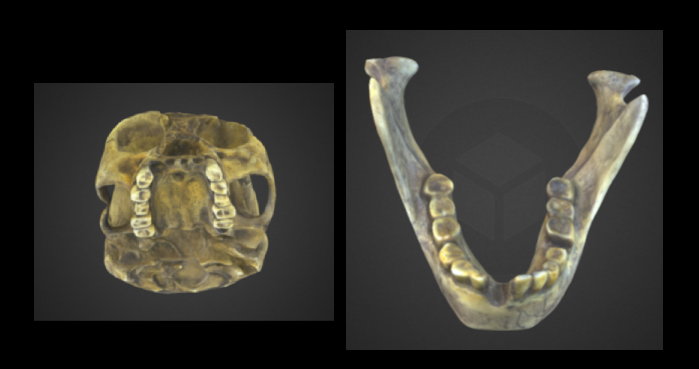
Hominidae Teeth
Homo sapiens - us, omnivores
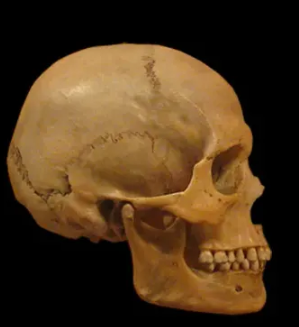
Paranthropus robustus - nuts
Homo floresiensis - really small mouth, missing pre molars
C4.2 Transfers of energy and matter
Review from B4.2
Autotroph - external energy source to synthesize carbon compounds from inorganic materials
Photoautotrophs - sun
Chemoautotrophs - chemical reactions, example: iron-oxidizing bacteria
Heterotroph - use carbon compounds from other organisms to synthesize more carbon compounds
Oxidation reactions release energy
Open ecosystem - matter and energy can enter
Closed ecosystem - only energy can enter
Sunlight sustains most ecosystems
Caves - poop and debris
Depth of ocean - hydrothermal vents or dead whales
Food chain - one possible feeding interaction
Food web - all of the feeding interactions in a community
Arrows indicate direction of transfer of biomass and energy
Trophic levels - feeding levels showing the transfer of chemical energy
Producer - autotroph
Primary consumer - eats producers
Secondary consumer - eats primary consumers
Tertiary consumer - eats secondary consumers
Energy is lost as heat (that can’t be recaptured) between trophic levels, there is less energy and biomass in higher levels
Glucose - splits and releases energy
Primary production - accumulation of carbon compounds in autotrophs
Units: mass per unit area per unit time or gm-2yr-1
Lots in tropical rainforests, not a lot in desert
Secondary production - accumulation of carbon compounds in heterotrophs (biomass)
Energy pyramids - stepped pyramids showing trophic levels
Units: Jm-2yr-1
Height of each row is the same, width is proportional to the amount of energy
Each level must be labeled: energy amount, trophic level, example organism

Scavengers - eats feces, dead parts of organisms (leaves) and dead whole organisms
Detritivores - mainly eat feces and dead leaves
Decomposers - decomposes dead matter
The three items above are not part of the food web
Carbon sink - carbon is being stored, photosynthesis > respiration
Carbon source - carbon is being transferred from, respiration > photosynthesis
Ecosystems can be either a sink or a source
Respiration - adds carbon dioxide to the atmosphere for photosynthesis
Photosynthesis - adds oxygen to the atmosphere for aerobic respiration
Cannot have one of these without the other!
All elements are cycled, not just carbon
CHONSP - acronym for the most common elements cycled
Carbon, hydrogen, oxygen, nitrogen, sulfur, phosphorus
Decomposers release nutrients back for autotrophs
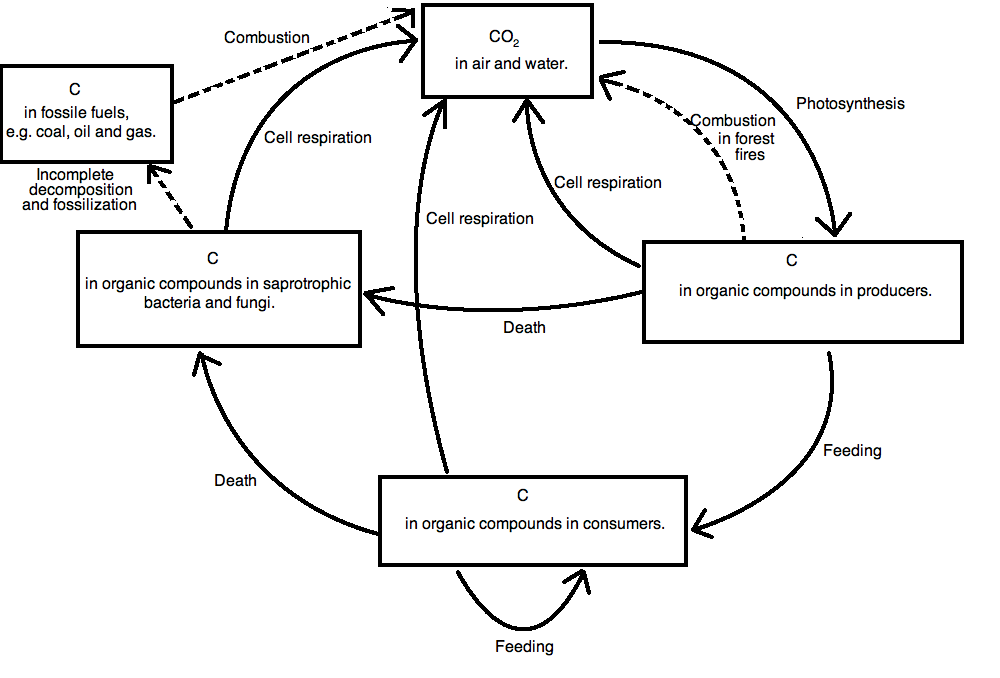
Keeling curve - graph showing yearly fluctuating carbon dioxide levels
Photosynthesis causes the decrease due to a decrease in temperature and rain
Respiration causes the short term increase
Main place impacting the graph is the boreal forest (taiga) in Russia
Combustion increases the overall graph
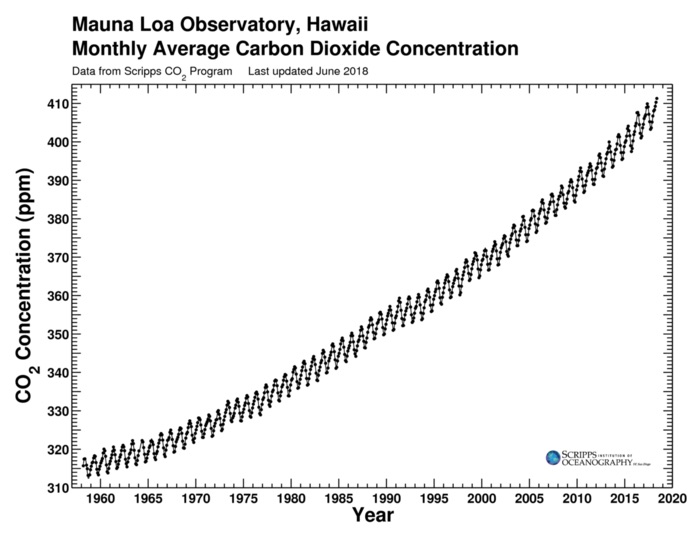
Combustion of organic materials
Biomass - fuel, organic compounds, and burn it - recently made
Peat - partially decomposed plant matter found in swamps, waterlogged soil
anaerobic zone stops decomposition
Coal - peat buried underground for many years
Oil / Natural gas - dead marine organisms, buried under the sediment partially decomposed
D4.2 Stability and change
Ecological succession - changes in abiotic and biotic factors after a natural disaster, changes in community structure, leads to succession (changes in species over time)
Primary succession - starts with rock (no life/soil), due to volcano, glacier receding, sand dune formation, lichen breaks down rock to soil
Secondary succession - starts from soil and pre-existing species, due to other natural disasters like fire
Increase in plants (small to large), primary production increases over time, species diversity increases then decreases/stabilizes, food webs increase in size, more nutrients cycled
Climax community - the end community in an area after recovery from a disturbance based off of temperature and rainfall
Arrested succession - succession is stopped before it reaches climax community due to humans and livestock, drainage of wetlands can prevent succession
Cyclical succession - cycle of communities instead of a single unchanging climax community (only found in certain areas with intermediate to high disturbance levels), more common than previously thought
Example: Wetlands
Stability - ecosystems tend to remain stable for long periods as shown with fossils
Requirements: Supply of energy, recycling of nutrients, genetic diversity, stable climate (within tolerance levels)
Keystone species - species with low populations that have great impacts on their ecosystems (disproportionate impact)
Predators: wolves and sea otters
Mutualists: bees and hummingbirds (pollinators)
Ecosystem engineers: beavers and elephants
Biomagnification - toxins accumulate more in higher trophic levels
Bioaccumulation - in one organism
Examples of toxins: plastic, DDT, mercury
Plastic - non-biodegradable = does not degrade naturally, negatively affects marine life
Macroplastics - large, Microplastics = microscopic
Deforestation of the Amazon - leads to lower stability, affects water cycle in the area as the trees release water (no trees, no rain), leads to desertification
Resource harvesting - rate of harvesting must be lower than rate of replacement to be sustainable, applies to any natural resource
Agriculture - often not sustainable due to the requirements to be sustainable and environmental impacts
Water usage: can lead to leaching of nutrients
Soil erosion: planting of same crop or leaving soil unplanted can lead to lower soil quality and/or the loss of topsoil
Fertilizer: limited amount, can run off
Pesticides and herbicides
Carbon footprint
Eutrophication - enrichment of ecosystem (typically aquatic) with chemical nutrients (nitrates, phosphates, etc) from fertilizers
Can lead to algal blooms - increased biochemical oxygen demand (BOD)
Algae block the sun, which prevents photosynthesis for other plants, causing death of plants and anaerobic/dead zones
Rewilding - restoration of natural processes in ecosystems
Reintroduces apex predators and keystone species
Habitat connections over large areas
Lowers human impact
Ecological management and restoration
Example: Hinewai Reserve - 109 ha (1987) to 1230 ha
Modeling ecosystem sustainability in jars help show how ecosystems are sustainable
D4.3 Climate change
Anthropogenic (human) causes of climate change
Increases in carbon dioxide and methane
Ice core data shows changes in CO2 as well as correlation between temp and carbon dioxide
Greenhouse gas effect - Short wavelength radiation enters the atmosphere, hits the surface of the earth and is absorbed, earth radiates the heat back out as long wavelength radiation, long wavelength radiation is absorbed and trapped by the greenhouse gases in the atmosphere
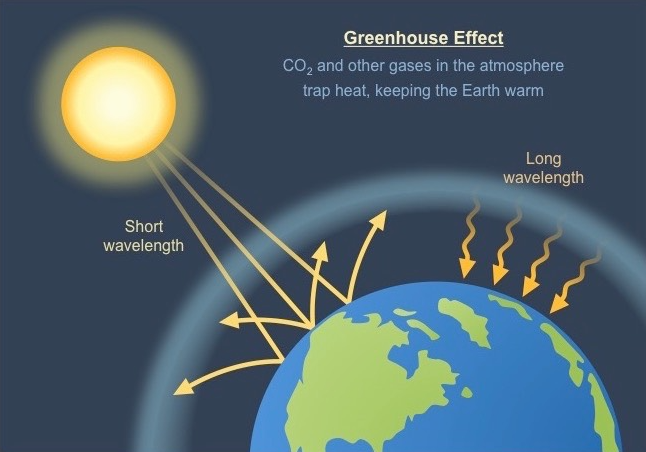
Positive feedback cycles in global warming
Increased release of carbon dioxide from the deep ocean
Increased absorption of solar radiation due to loss of reflective snow and ice, causing more heat, which melts more snow and ice
Increased decomposition of peat which releases carbon dioxide which causes more decomposition
Increased release of methane from permafrost area due to warming temperatures which then causes more greenhouse gases which causes more warming
Increases in droughts and fires causes more CO2
Changes in ecosystems caused by climate change
Boreal forest - warmer temperatures and decreased snowfall are causing droughts, reduces primary production in taiga → causes forest browning → increases forest fires → increases legacy carbon combustion (burning of old, accumulated sources of carbon) (example of tipping point)
Ice - ice in both Antarctica (landfast ice) and the Arctic (sea ice) are melting, leading to habitat loss; penguins lose their breeding grounds, walruses lose their habitat
Change in ocean currents affect upwelling (nutritious water from deep water), leading to less primary production and less energy for food chains
As temperatures rise, temperate species move towards the poles (ex: plants in North America) and others move up slopes (ex: Montane birds)
Coral reefs - dying from ocean acidification caused by carbon dioxide, which along with rising temperatures causes coral bleaching and the suppression of new coral formation, when coral dies, its ecosystem dies
Carbon sequestration - storing carbon for long periods of time
Afforestation - planting new forests
Forest regeneration - restoring current forests
Restoration of peat-forming wetlands (typically occurs in temperate and boreal zones but can also occur in the tropics)
Phenology - research into the timing of biological events
Affected by photoperiod (amount of light) and temperature patterns
Affects flowering, bud burst and bud set in deciduous trees, bird migration, bird nesting, insect reproduction
Disruption of timing - organisms are in sync with other organisms they need (typically food) most of the time, but climate change causes there to be a mismatch through the change of photoperiod or temperature (one modified by temperature or photoperiod, the other the opposite)
Examples: Reindeer (photoperiod) and arctic mouse-ear chickweed (temperature), east coast birds and their food, great tit (photoperiod unchanged) and caterpillar (temperature change), butterflies and the lupine
Insect life cycles - increased temperatures increase the life cycle speed, therefore more are born each year
Example: Spruce bark beetle
Evolution due to climate change - climate change leads to environmental change, variation in a population → natural selection → evolution due to modified selection pressures
Example: Tawny owl - frequency shift (gray to brown) from lack of snow
A4.2 Conservation of Biodiversity
Biodiversity - variety of life in all its forms, levels and combinations
Ecosystem diversity - different habitats and communities in a geographic area, includes the benefits of the ecosystem
Species diversity - number of different species (richness) in an area and the relative abundance (evenness) of the species in a given community

Genetic diversity - the genetic variation in a species, different species have different amounts of variation
Species and Extinction
Millions of species have been described (Genus species or binomial name) but millions have not yet (like insects)
There are more species on Earth now than ever before
Fossils show some species but are very limited
Humans are causing the sixth mass extinction event due to hunting and habitat degradation
Examples: North Island Giant Moa - overexploitation of eggs, Caribbean Monk seals - overfishing and hunting, Megafauna of California - hunting and fires
Ecosystem loss - Agriculture and urbanization are the major causes
Examples: Mixed dipterocarp forest in Southeast Asia is rapidly vanishing, aquatic ecosystems in California
Evidence for Crisis
Main source: Intergovernmental Science-Policy Platform on Biodiversity and Ecosystem Services (IPBES)
Surveys must be done repeatedly to provide evidence for changes in species diversity
Source must be peer reviewed and published
Data can come from expert and citizen scientists
Main cause of the current biodiversity crisis - human population growth!
Need for food = more land for agriculture = habitat loss, deforestation
Need for homes = habitat loss, deforestation
Need for natural resources = overexploitation (hunting & harvesting)
Global transport = pollution; spread of diseases, pests, invasive species
Approaches to Conservation - multifaceted process (multiple methods)
In Situ - on site conservation (in natural habitats)
Rewilding, nature reserves/parks/forests, restoration of habitats
Ex Situ - off site conservation (not in natural habitats)
Zoos, botanic gardens, seed and tissue banks (frozen zoo)
EDGE (Evolutionarily Distinct and Globally Endangered) of Existence
Prioritize threatened species by phylogenetic diversity
Evolutionarily distinct species and globally endangered (red panda)
Complex and complications to choosing which species to save