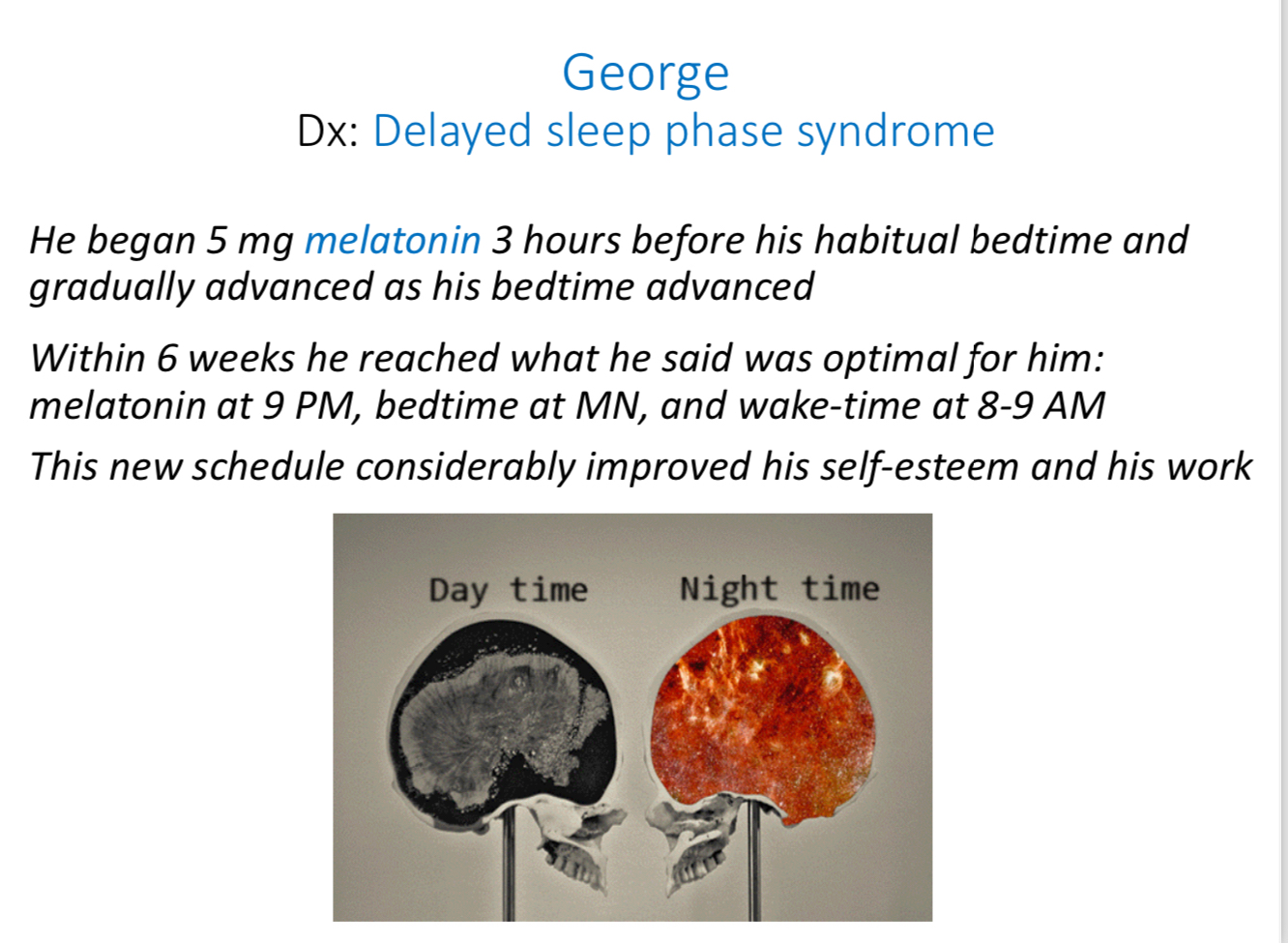
Notes on Biological Rhythms, Sleep, and Dreaming
Biological Rhythms, Sleep, and Dreaming
Page 1: Introduction to Biological Rhythms
Biological Rhythms: Refers to the physiological and behavioral patterns that follow a cycle based on time, such as sleep-wake cycles.
Key Topics: Sleep, dreaming, and its implications for neuroscience.
Page 2: Case Study - George
Background: A student whose sleep patterns became irregular during junior high.
Impact on Life: Difficulty waking for school led to poor academic performance despite potential. He eventually succeeded academically by taking classes at times that suited his sleep habits.
Struggles: Tried various sleep aids and therapies without success.
Page 3: Reasons for Sleep
Cognitive Functions: Sleep consolidates memories and helps retain critical information from learning.
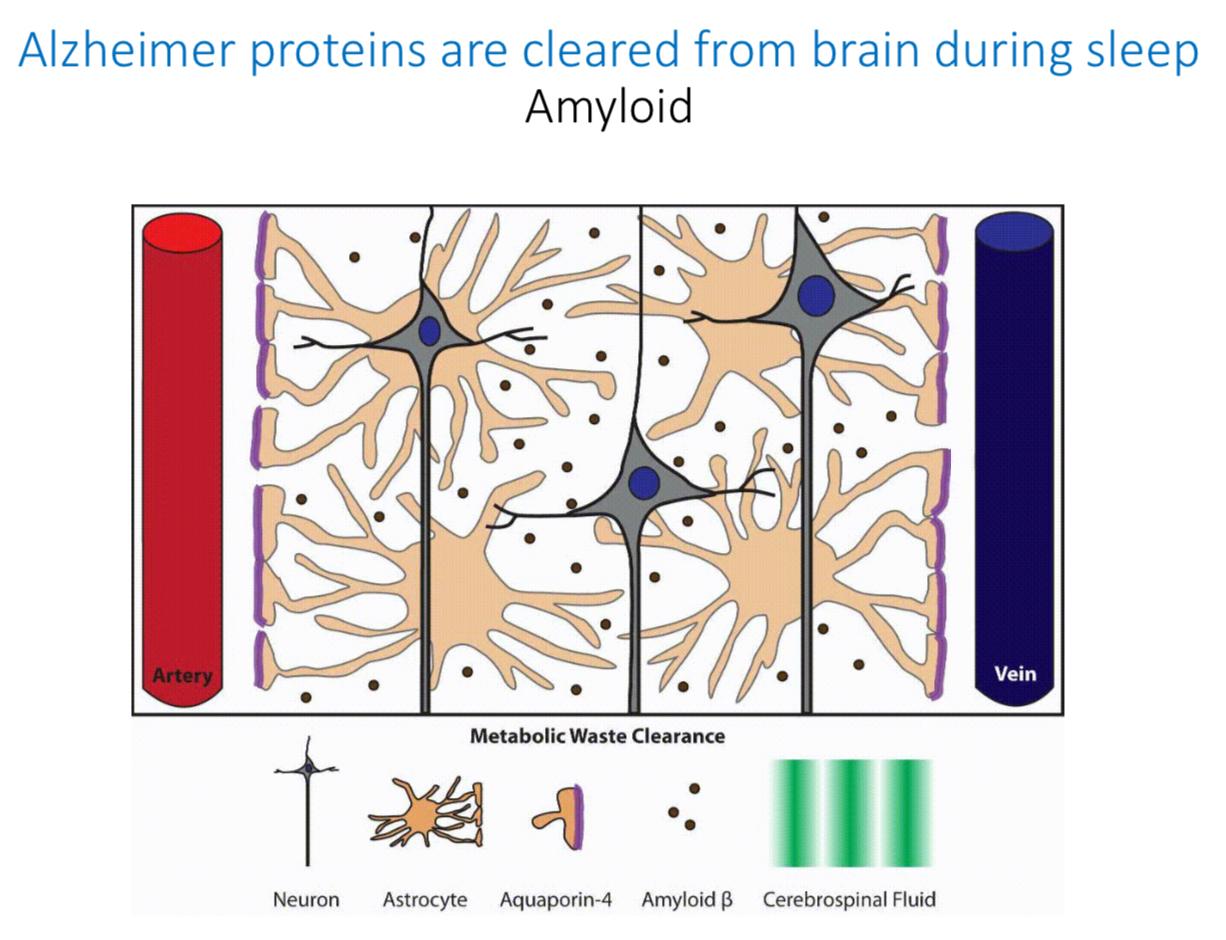
Waste Clearance: Sleep facilitates the removal of harmful waste products, specifically adenosine, which accumulates throughout the day.
Thought Experiment: Consideration of whether one would take a pill that negates the need for sleep.
Page 4: Types of Biological Rhythms
Behavioral, Physiological, Biochemical Rhythms:
Diurnal: Active during the day.
Nocturnal: Active at night.
Circadian Rhythms: Approximately 24 hours long, regulated by an internal clock and influenced by external stimuli such as light.
Page 5: Circadian System Components
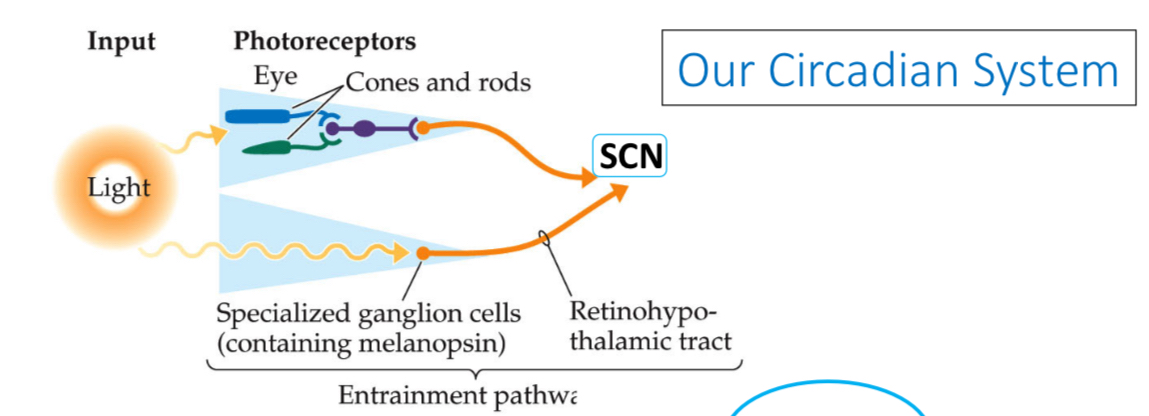
Input and Response: Light enters through the eyes, where photoreceptors (cones and rods) play a crucial role.
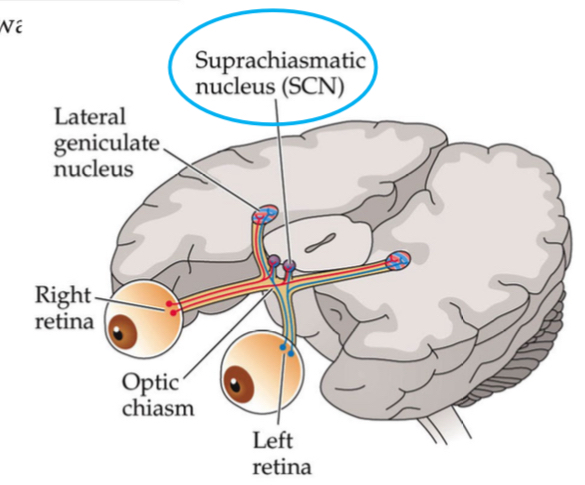
Suprachiasmatic Nucleus (SCN): Main component of the circadian clock; receives light information via the retinohypothalamic tract from retinal ganglion cells containing melanopsin.
Page 6: Molecular Mechanism of the Clock
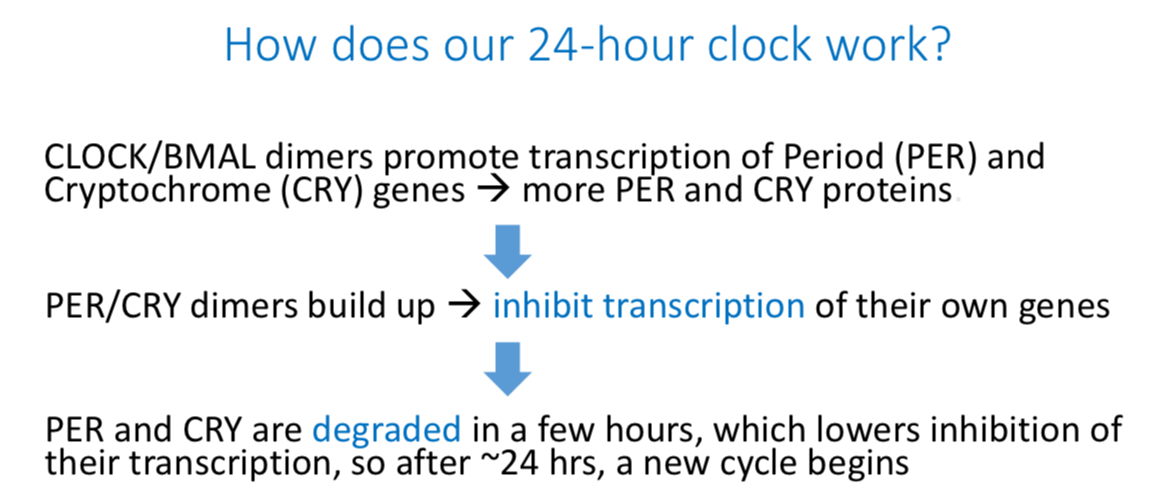
PER/CRY Dimer Concept: These proteins inhibit the transcription of their genes, guiding the cycle of circadian regulation via their synthesis and degradation.
CLOCK/BMAL Interaction: Promotes the transcription of Period and Cryptochrome genes involved in circadian rhythms.
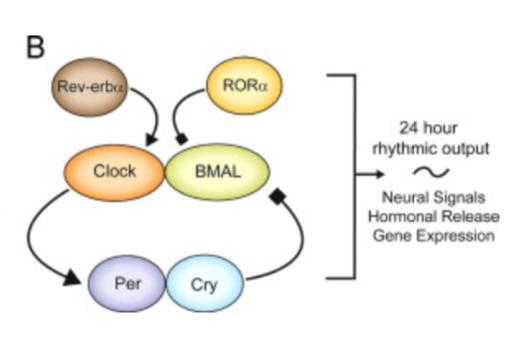
Page 7: Insights from Joe Takahashi
Contribution: Explained molecular mechanisms of circadian clocks, awarded the Nobel Prize in Medicine.
Page 8: SCN - Beyond Sleep
Functions: SCN doesn't just regulate sleep; it also influences various brain and body functions according to the time of day.
Page 9: SCN Lesions and their Effects
Disruption of Rhythms: Lesions in the SCN lead to disrupted circadian rhythms without abolishing other biological rhythms.
Melatonin Regulation: SCN regulates melatonin secretion from the pineal gland, critical for sleep onset.
So a lesion of SCN disrupts melatonin production
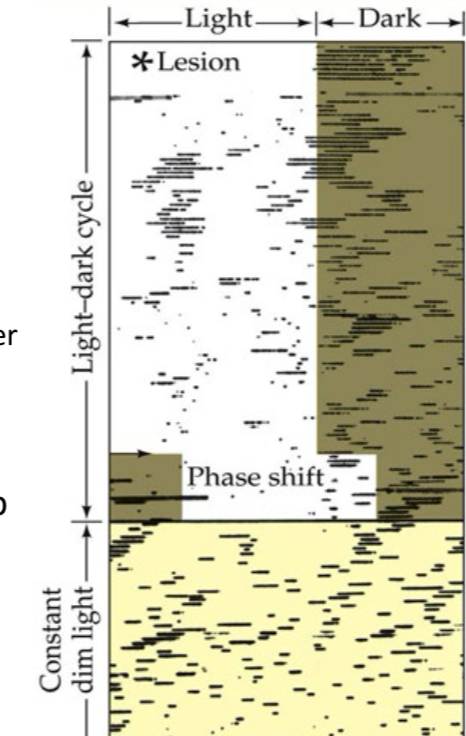
Page 10: Endogenous( internal) Clock Studies
Volunteer Studies: When deprived of light cues, subjects show free-running cycles demonstrating internal biological rhythms without external influences.
Page 11: Human Free-Running Cycle
Cycle Duration: Average free-running cycle observed in humans is about 24 hours and 11 minutes, reflecting natural biological rhythms.
Page 12: Ontogeny of Sleep
Changes Over Time: Sleep patterns vary with age, influencing percentage of sleep relative to a 24-hour period.
Development: Sleep duration and patterns are markedly different in neonates compared to adults.
Page 13: Chronotypes Across Ages
Chronotype Variation: Differences in sleep preferences across ages, with teenagers often identified as late risers compared to children or older adults.
Page 14: Daily Cycle and Alertness
Awake Cycle: Describes fluctuations in alertness and physiological processes throughout the day, including hormone levels and blood pressure changes at specific times.
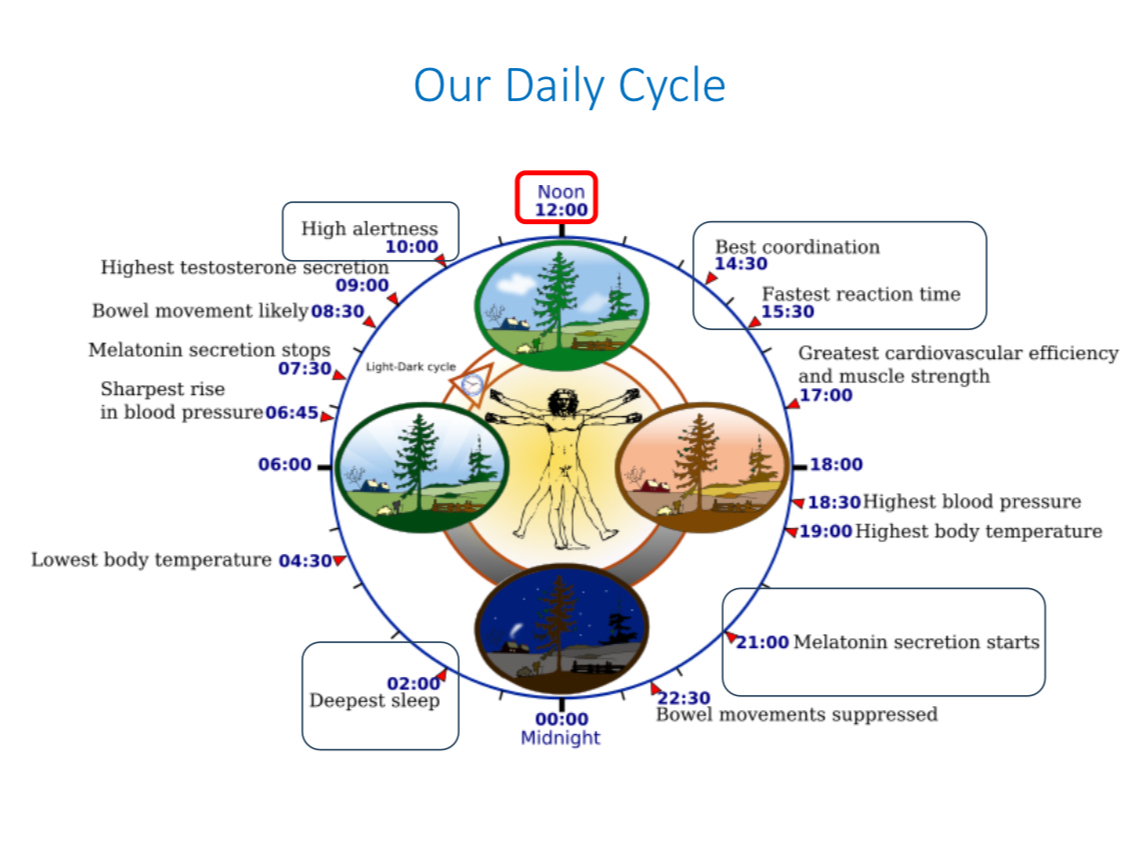
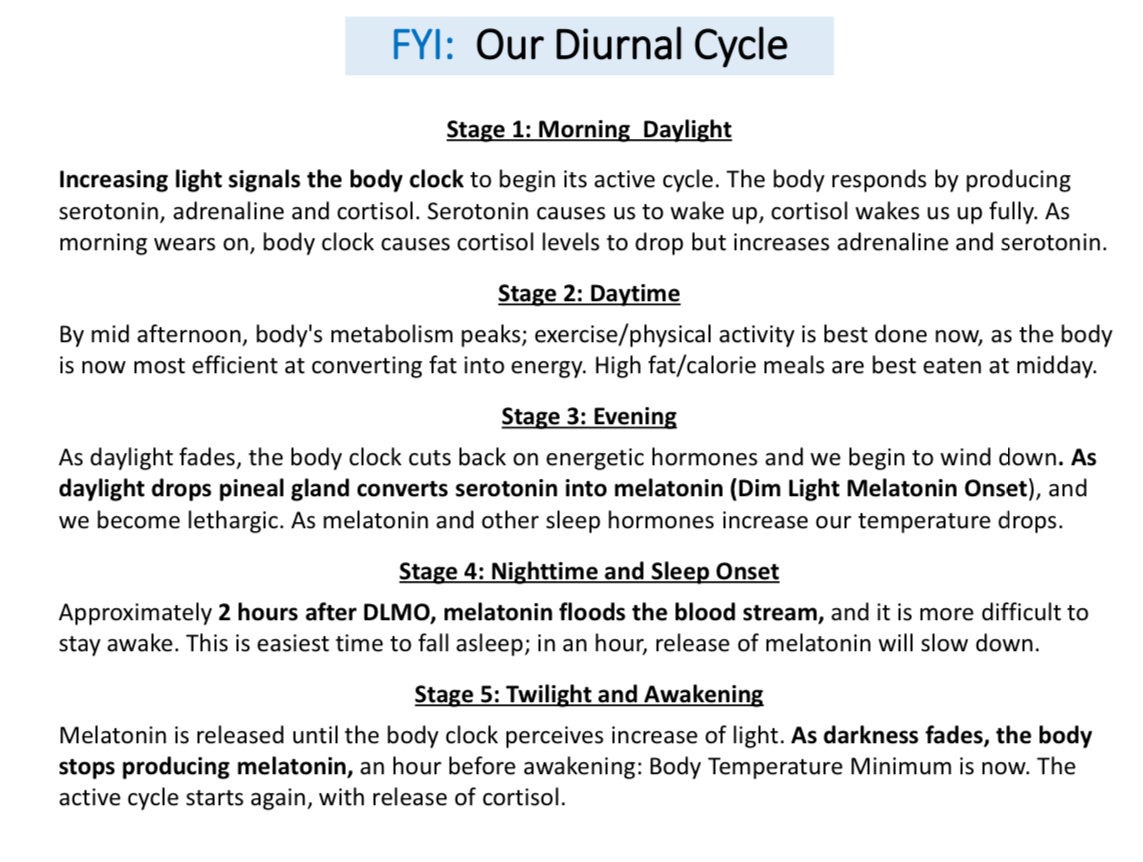
Page 15: Stages of Daily Cycle
Stages: Morning activation through serotonin and cortisol, daytime physical peaks, evening winding down, and nighttime quality sleep indicators like melatonin increases.
Page 16: Sleep Types
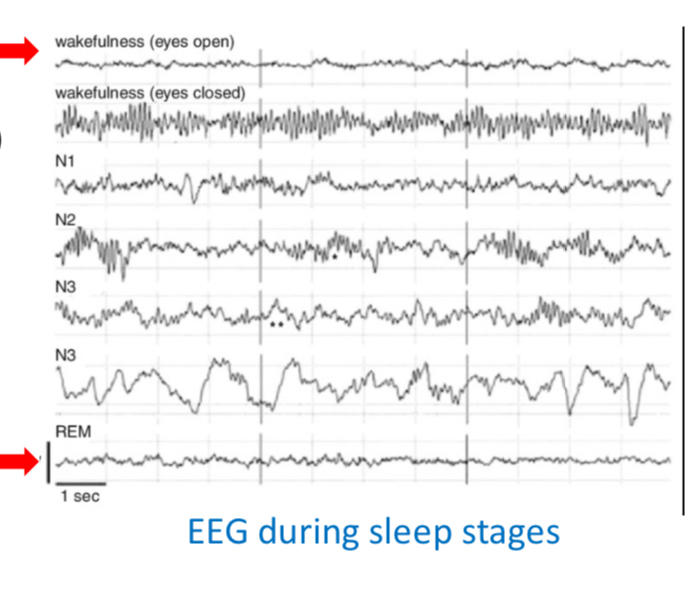
N1-N3 Sleep: Defined as non-REM slow-wave sleep with distinct EEG activity compared to REM sleep.w
REM sleep consists of rapid eye movements, quicker breathing and heart rate, muscles relax
Page 17: Sleep Patterns in Young Adults
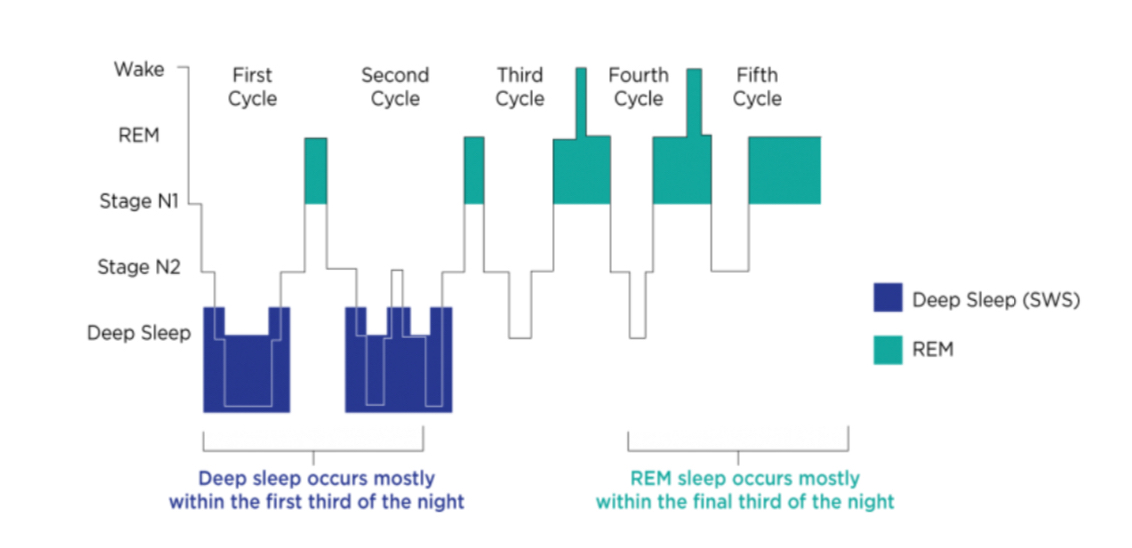
Sleep Cycles: Average night consists of multiple cycles (90–110 minutes each) characterized by varying ratios of deep sleep and REM sleep.
Page 18: Nature of Dreams
Dream Variability: Vivid dreams occur during REM sleep; non-emotional fragments happen in N states.
Specific Disturbances: Nightmares and night terrors are different presentations of sleep disturbances associated with REM and N3 respectively.
Nightmares awake sleeper from REM sleep
Night terrors, sudden arousals occur during N3
Page 19: Sleep in Marine Mammals
Unique Adaptations: Some species like dolphins alternate hemispheres for sleep, enabling them to surface for air.
marine mammals do not run sleep perhaps because they have to focus their breathing so they cannot relax
Page 20: Trends in Sleep Across Age
Age Impact: General decline in total sleep time and increase in wakeful periods as one ages.
Page 21: Mechanisms of Waking and Sleep
Activation and Inhibition: The SCN regulates wakefulness and sleep through several brain areas, including the locus coeruleus and VMPO.
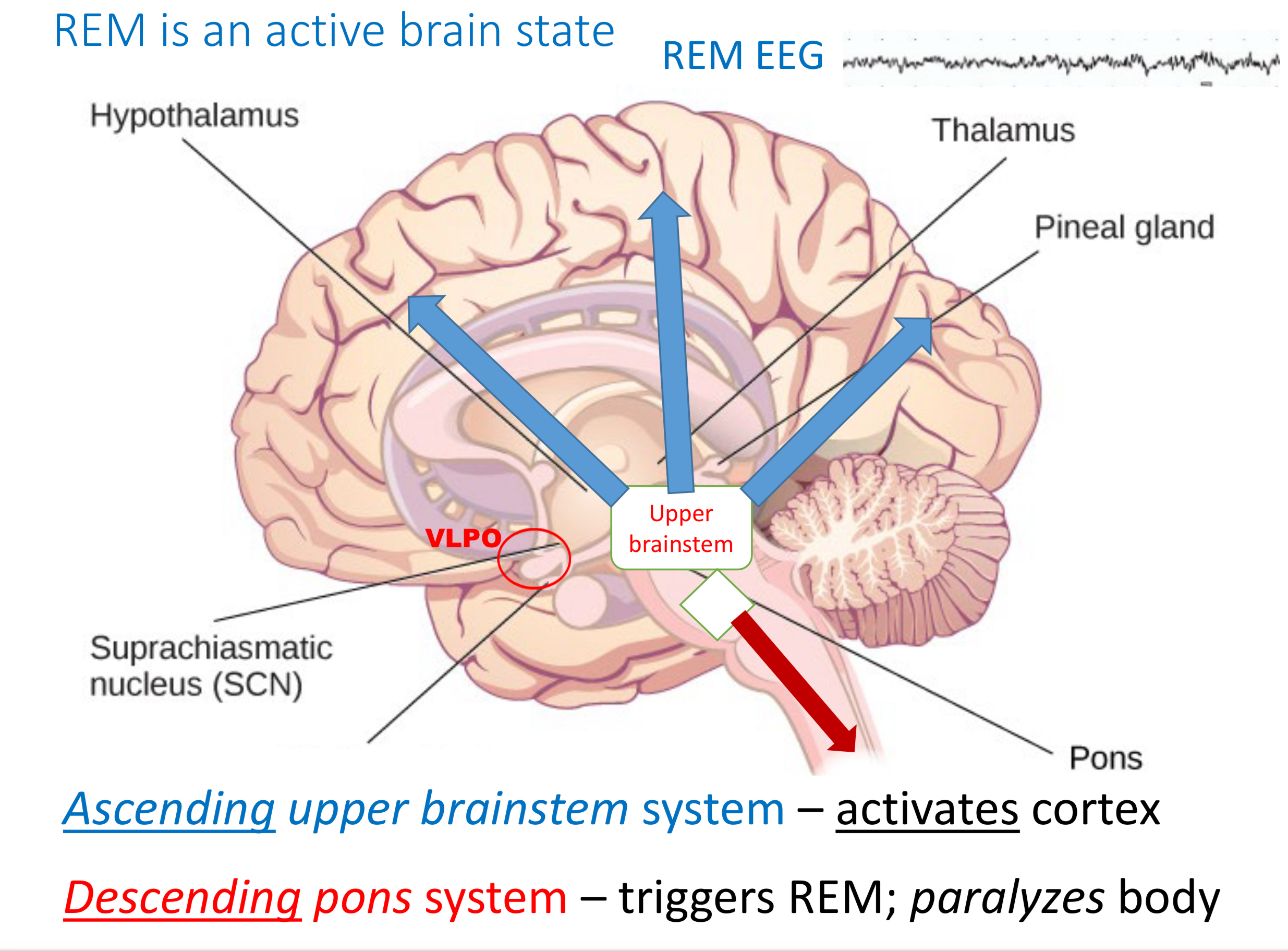
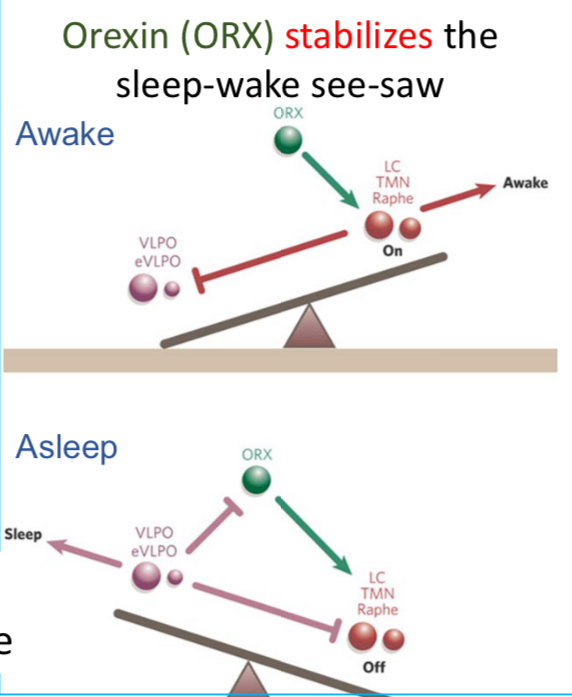
WAKING UP/Suprachiasmatic nucleus (SCN): Turns off inhibition of the brain stem reticular activating system, which turns on the cortex via the thalamus
FALL ASLEEP/VLPO nucleus of hypothalamus turns off the brain stem
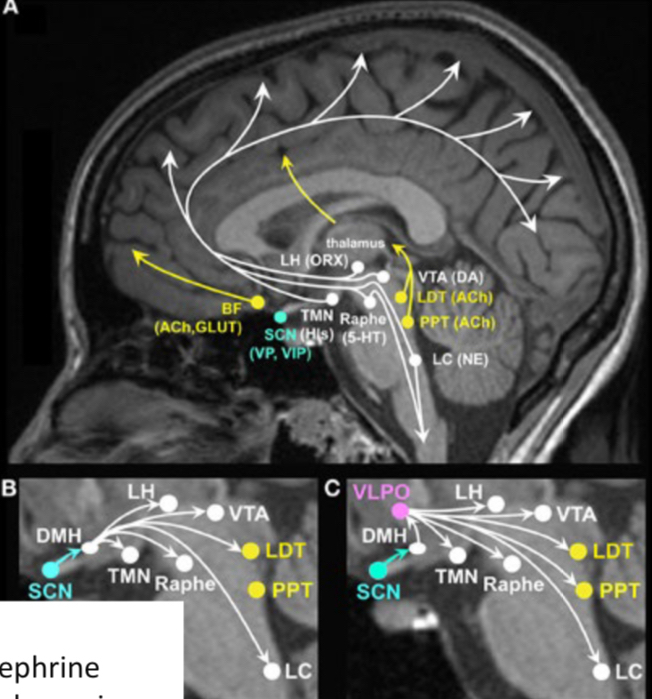 LC- locus coeruleus- norepinephrine
VTA - ventral tegmental area - dopamine
Raphe - serotonin
Page 22: Neurotransmitter Roles in Sleep
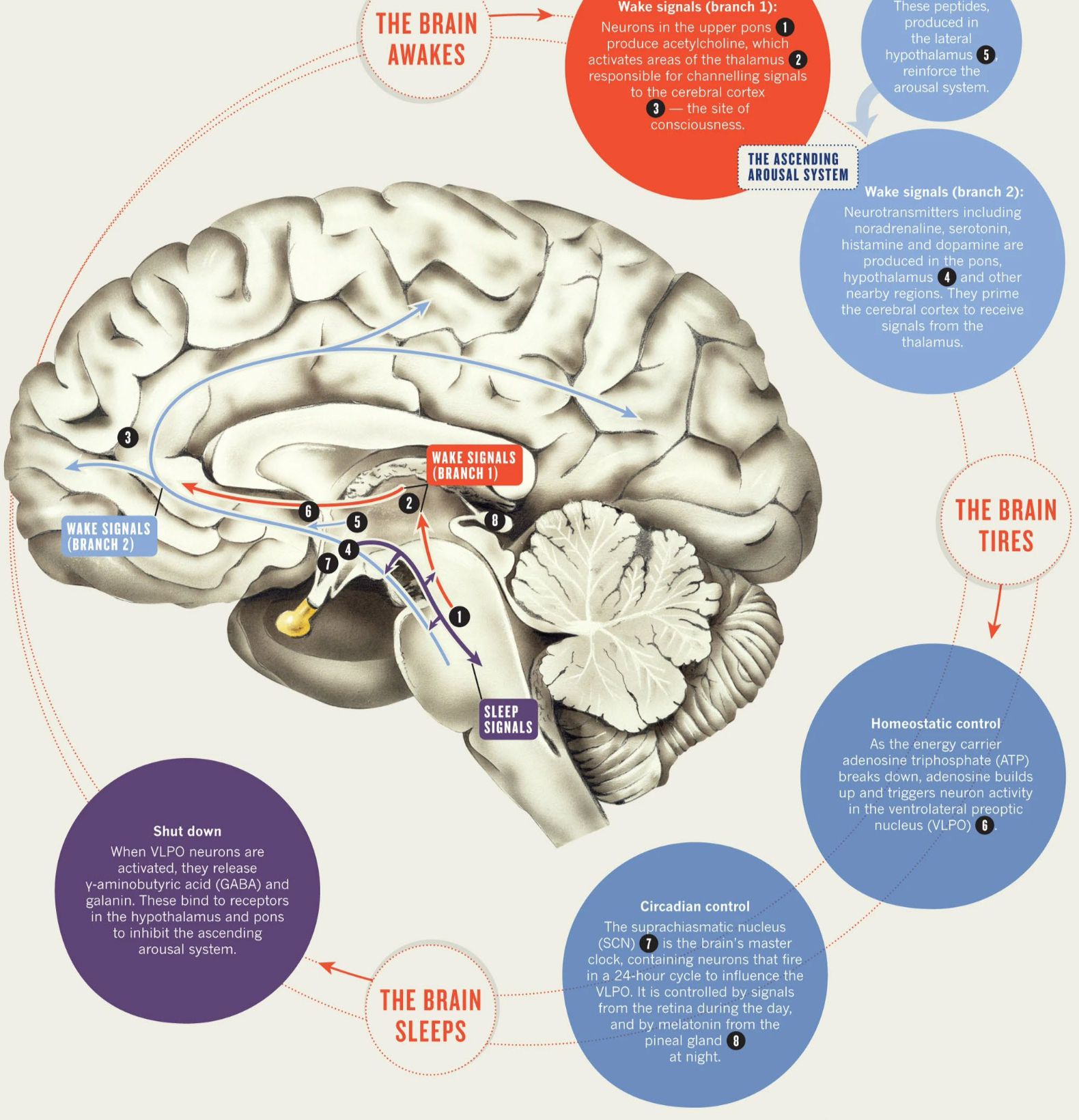
Neurons in upper pons (ascending brain stem pathways ) produce acetylcholine, activating the thalamus
This stimulates the cerebral cortex(site of consciousness)
Neurotransmitters such as noradrenaline, seretonin, histamine, and dopamine are produced in the pons and hypothalamus.
They prime the cerebral cortex to receive signals from thalamus (sensory relay system)
Neurotransmitters in lateral hypothalamus (VLPO) reinforce the arousal system
Page 23: REM Sleep Dynamics
Mechanisms Behind REM: Involves control through both upper and descending brainstem structures influencing muscle paralysis and brain activity.
Page 24: REM Sleep and Memory
Memory Processes: N sleep helps in memory recall, while REM is crucial for consolidation/integrating learned material.
Learned material is synchronized with hippocampus
Memories become independent of hippocampus and brain erases unwanted memories during REM
Neural Activity: hippocampus and limbic system are activated during REM, leading to memory replay and purification.
Page 25: Sleep Disorders Overview
Transition to Disorders: Filters through types of sleep disorders, indicating distinct abnormalities that affect sleep quality.
Page 26: Narcolepsy
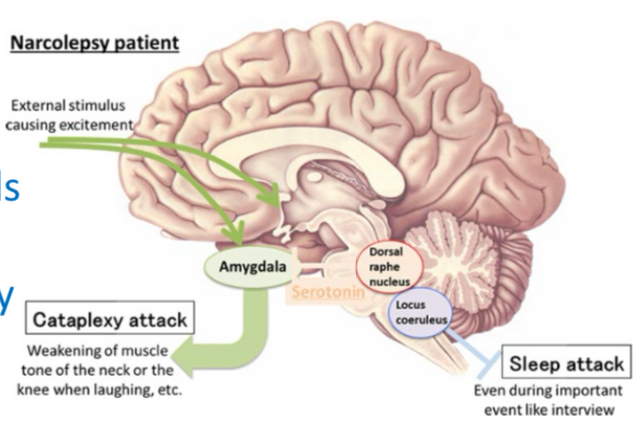
Characteristics: Involves sudden sleep attacks, cataplexy(sudden loss of muscle tone/collapse), and a unique path into REM sleep state without non-REM.
Dorsal Raphe(norepinephrine) fails to inhibit amygdala(emotions) from activating LC(seretonin) causing cataplexy
Page 27: Orexin's Role in Narcolepsy
Orexin Function: Prevents inappropriate transitions directly into REM sleep; narcolepsy results from orexin receptor malfunction.
Page 28: Other Disorders
Sleep Paralysis: Brief inability to move linked to pomtine center triggers mucscle relaxation
Night terrors and enuresis: related to N sleep occurrences.
Page 29: Somnambulism
Sleepwalking Incidents: Often occurs in deeper N sleep; notable literary reference to Lady Macbeth's actions.
Page 30: Sleep Apnea
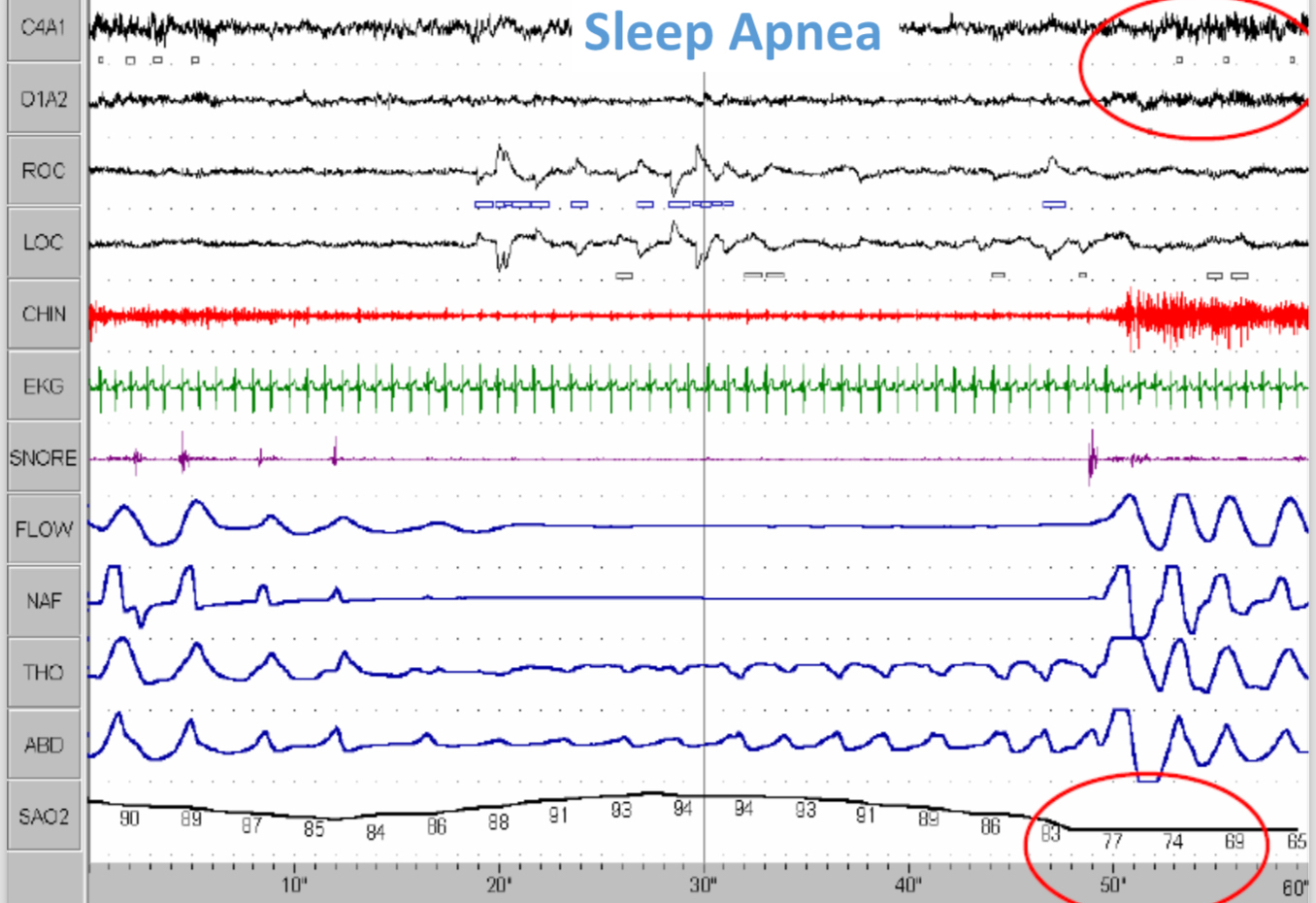
Mechanisms and Symptoms: Characterized by pauses in breathing leading to decreased oxygen levels and trained responses, often leading to snoring and gasping.
Breathing stops(apnea)-blood oxygen drops rapidly
Chest muscles relax too much or pacemaker respiratory neurons in brain stem do not signal properly
Page 31: Diagnostic Monitoring
Polysomnography: Tool used for monitoring sleep cycles and apnea events for efficient diagnostics of sleep apnea incidents.
Page 32: Treatment for Sleep Apnea
CPAP Treatment: Continuous Positive Airway Pressure machine as an effective remedy for sleep apnea, significantly improving outcomes.
Prevents collapse of airways
Untreated sleep apnea leads to fatal heart failure
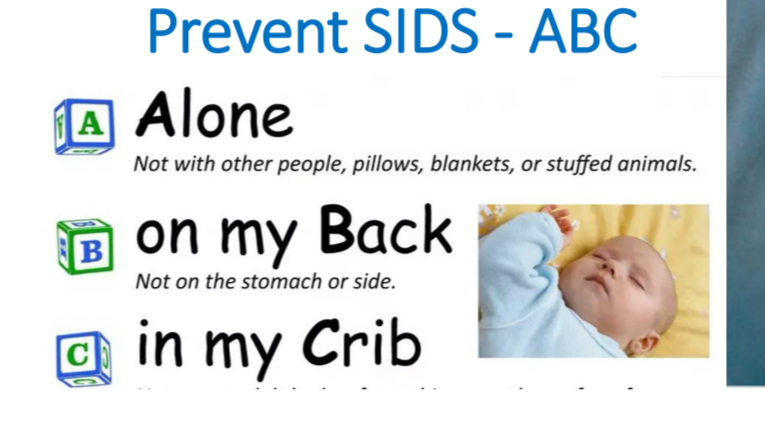
Page 33: Sudden Infant Death Syndrome (SIDS)
Preventive Measures: Recommendations for infant sleep on their back to mitigate risk factors associated with SIDS.
Babies can get sleep apnea from immature respiratory pacemakers or arousal mechanisms
Page 34: REM Sleep Behavior Disorder (RBD)
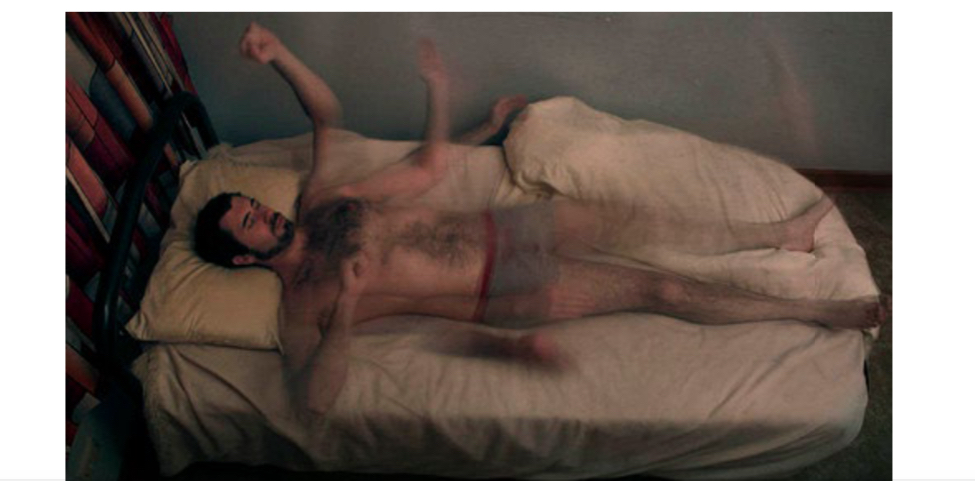
Characteristics: Individuals act out dreams due to incomplete or absent paralysis
Paralysis usually occur during REM sleep and the absence causes people to act out dreams
Can result in significant physical harm.
Page 35: Notable Case of RBD
Kenneth Parks Case: Sleepwalking incident leading to a violent crime
Page 36: Good Sleep Practices
Routine Recommendations: Advocating for consistent sleep schedules, environment adjustments, and pre-sleep rituals to enhance sleep quality.
Page 37: Biological Waste Clearance
Sleep’s Role in Cleansing: Importance of sleep in clearing neurotoxic proteins including amyloid from the brain, which are implicated in conditions like Alzheimer's.
Page 38: Delayed Sleep Phase Syndrome Example - George
Treatment: Utilization of melatonin to adjust bedtime, achieving optimal sleep-wake times and improving overall wellbeing.