Donning PPE (Personal Protective Equipment)
In a cardiovascular examination refers to the process of putting on protective clothing and gear to reduce the risk of infection or contamination. This is particularly important in healthcare settings to protect both the healthcare provider and the patient, especially when performing procedures that might expose them to bodily fluids or respiratory droplets.
Steps for Donning PPE in Cardiovascular Examination:
1. Hand Hygiene: Before putting on any PPE, thoroughly wash hands with soap and water or use an alcohol-based hand sanitizer.
2. Gown: Put on a clean, non-sterile gown to protect your clothing and skin from possible contact with fluids.

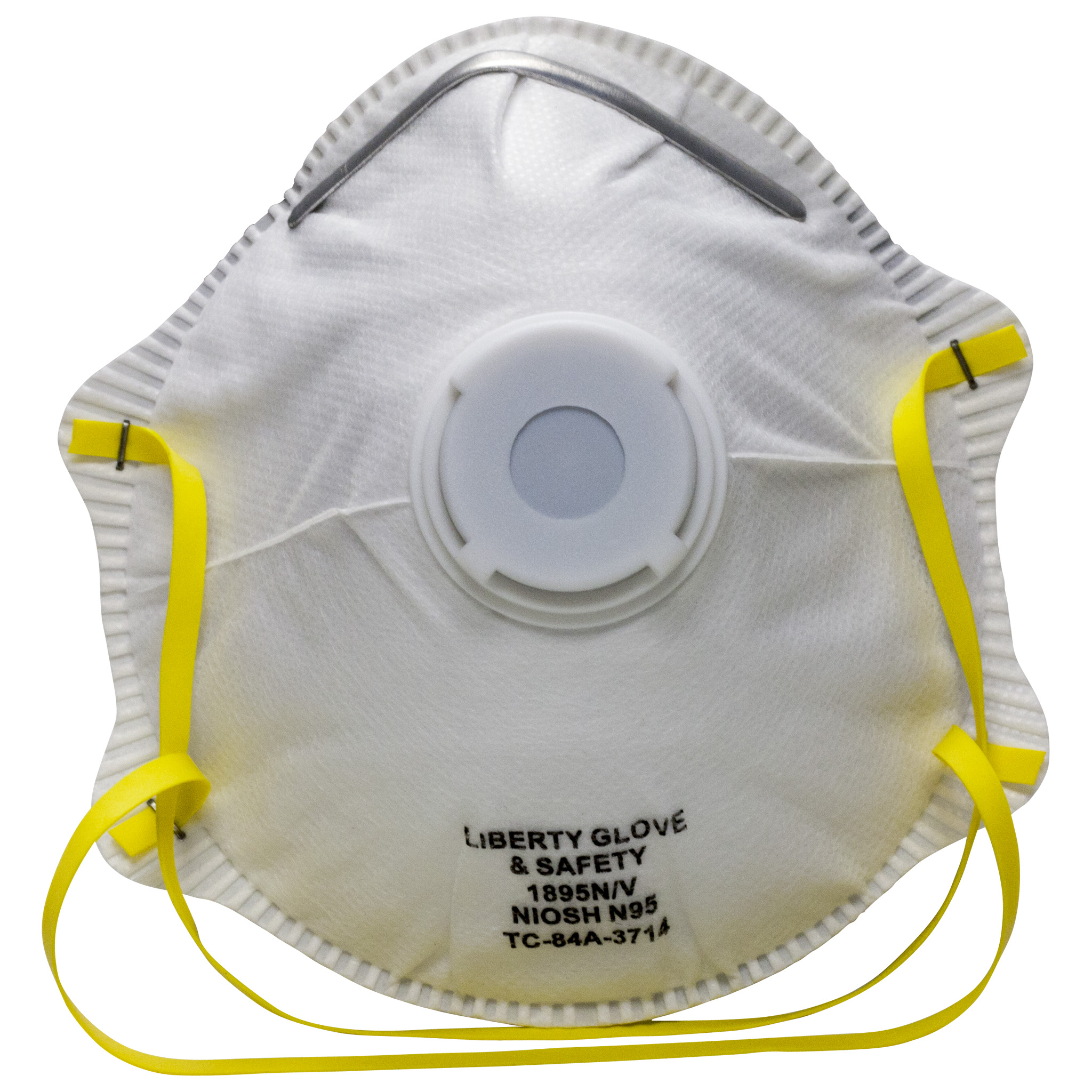
3. Mask or Respirator: Wear a surgical mask or an N95 respirator, especially if there’s a risk of respiratory droplet transmission.
4. Eye Protection: If necessary, put on goggles or a face shield to protect your eyes from splashes or droplets.

5. Gloves: Put on gloves last to protect your hands. Ensure the gloves cover the cuffs of the gown.
Importance in Cardiovascular Examination:
- Preventing Cross-Contamination: In cardiovascular examinations, where procedures may involve close contact with the patient, PPE helps prevent the spread of infections, particularly if the patient has an infectious condition.
- Protecting Vulnerable Patients: Patients with cardiovascular issues may have weakened immune systems, making it important to avoid introducing any infections to them.
In summary, donning PPE during a cardiovascular examination is a critical step to ensure safety and prevent the spread of infections between the healthcare provider and the patient.