Wk 9.1 Therapeutic Applications of Enzymes
Learning Goals
Understand that enzyme deficiencies or reduced activity can cause diseases like Glycogen Storage Disease Type II (GSD Type II) and hyperlipidaemia.
Understand how enzymes can be used therapeutically, either directly or in gene therapy.
Understand enzyme applications in detection methods (bioluminescence, chemiluminescence, Western blot) and various industrial, commercial, and pharmaceutical processes (e.g., drug manufacturing).
Understand that enzymes can be engineered to improve efficiency.
Enzyme Deficiency and Disease
Deficiency or reduced enzyme activity can cause disease.
Glycogen Storage Diseases (GSD): Metabolic disorders involving enzymes that regulate glycogen metabolism.
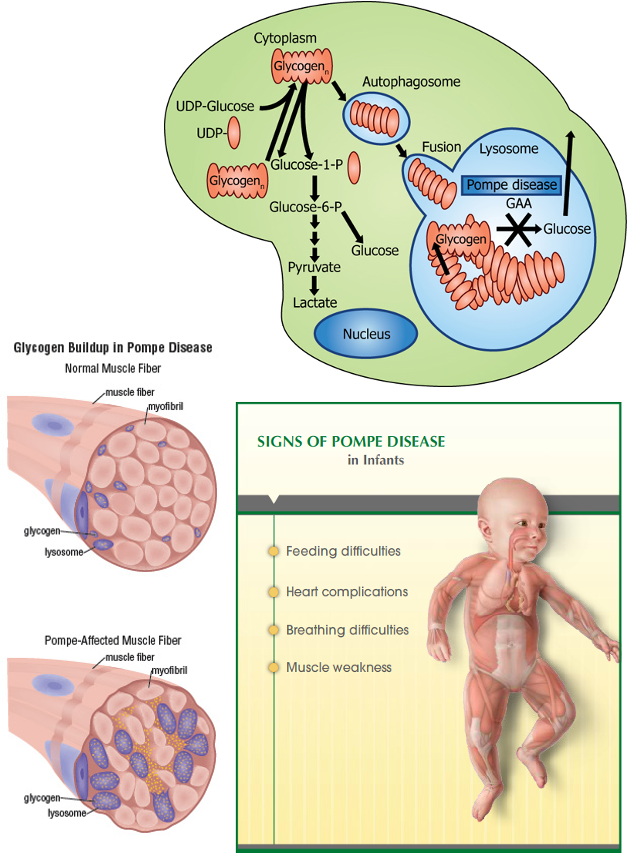
GSD Type II (Pompe’s disease): Caused by a deficiency of lysosomal alpha-glucosidase, leading to glycogen accumulation in lysosomes.
Results in muscle weakness and nerve damage, potentially leading to heart failure.
Treatment involves administering Myozyme, which replaces the defective enzyme.
Lipoprotein Lipase Deficiency (Hyperlipidaemia):
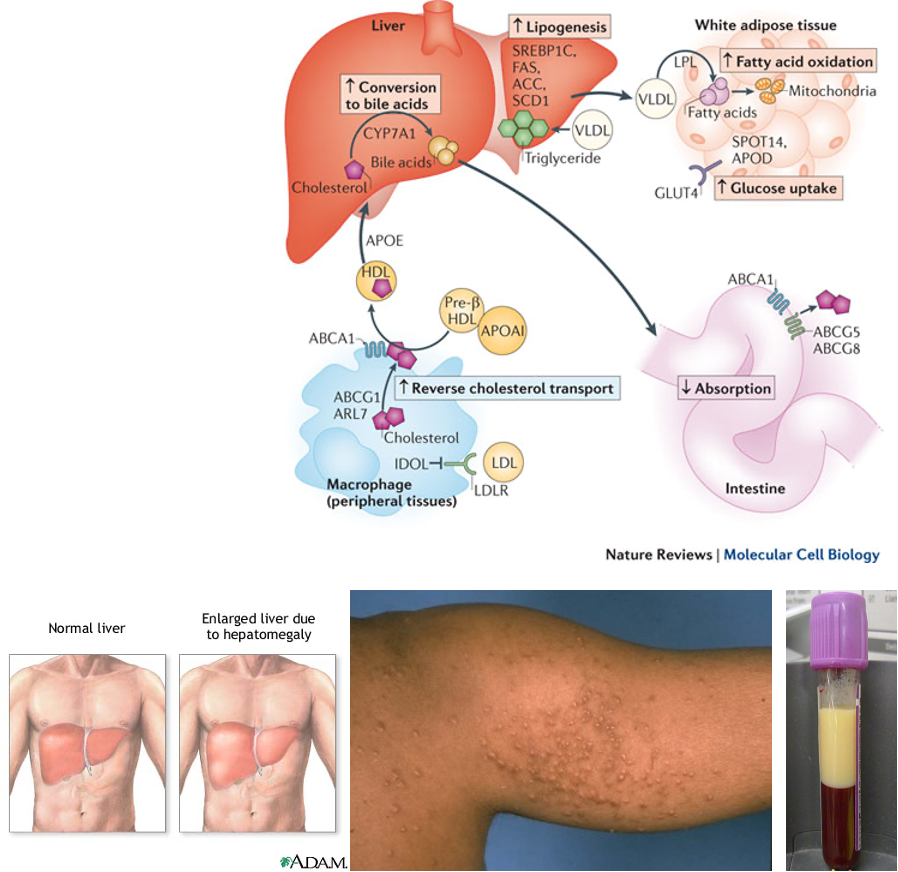
Defect in lipoprotein lipase.
Impairs the digestion of fat from the diet, leading to elevated chylomicrons (which transport lipids from the digestive tract to the liver).
Symptoms include pancreatitis, enlargement of the liver and spleen, and xanthomas (yellow skin lesions).
Management involves limiting fat intake through diet, and potentially gene therapy.
Enzymes as Therapeutic Agents
Enzymes Can Be Used As Therapeutic Agents e.g. Stroke
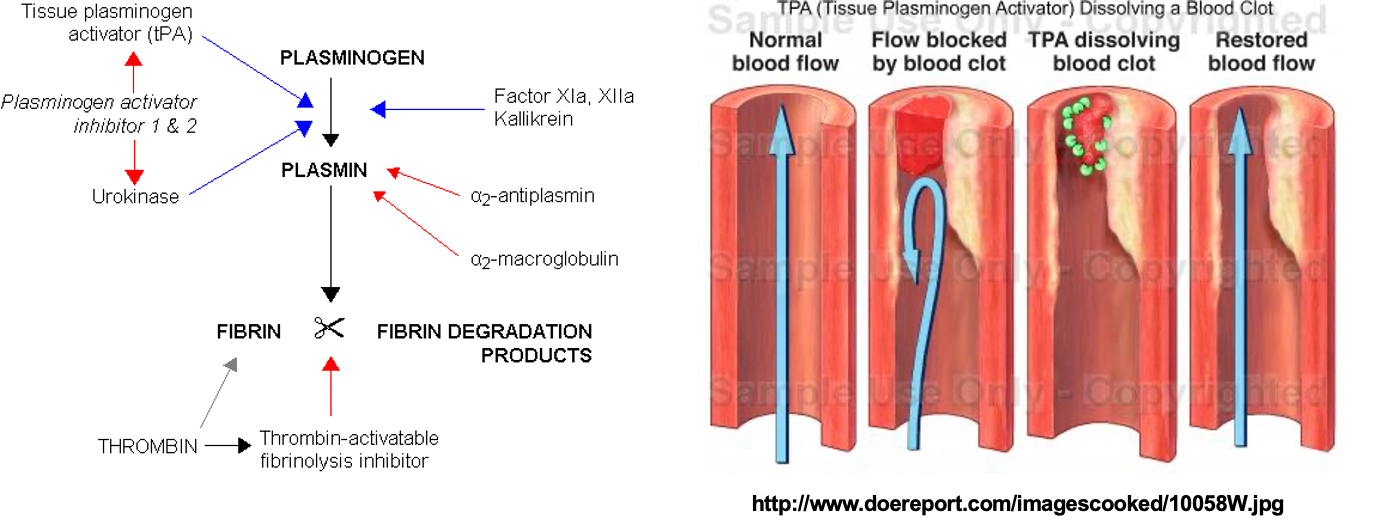
Apply an exogenous enzyme to treat disease process
e.g. stroke — break up blood clots (streptokinase, tissue plasminogen activator [t-PA], urokinase)
Enzymes Can Be Used As Therapeutic Agents e.g. Cancer
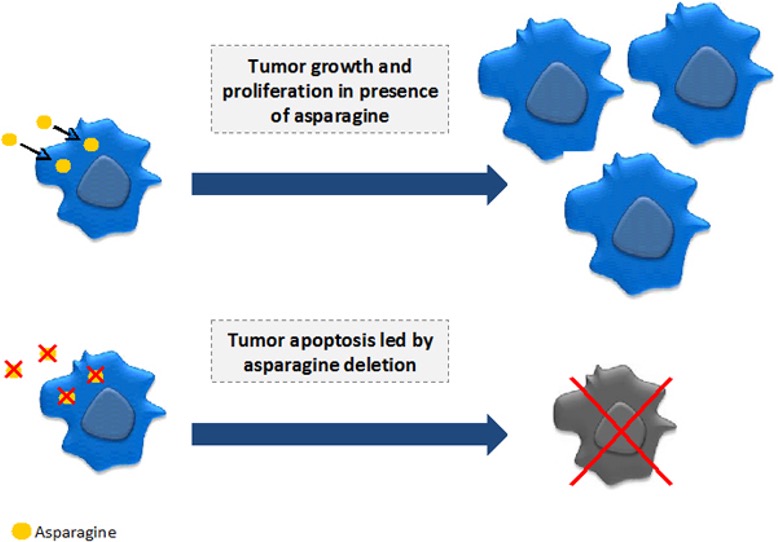
Acute leukaemia cells can have an enzyme deficiency where they are unable to synthesise asparagine
Obtain Asn from healthy tissue as tumour cell growth needs asparagine
Asparaginase limits tumour growth by removing Asn (healthy tissue) available to tumour cells
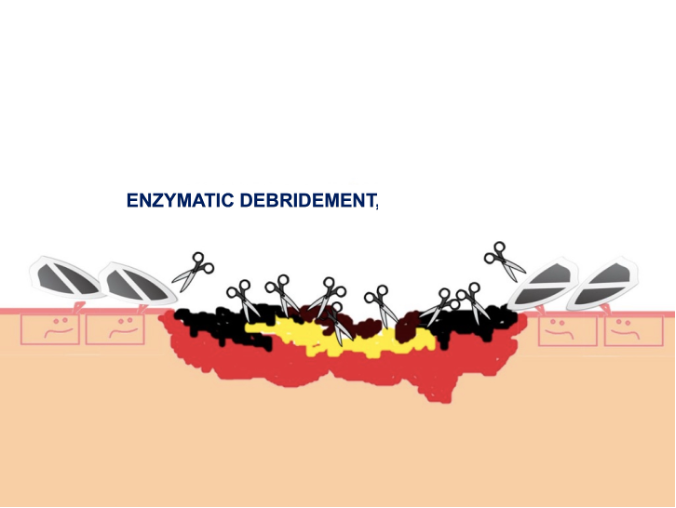
Enzymes Can Be Used As Therapeutic Agents e.g. Skin Ulcers
break in the skin » underlying tissues can be seen
Severe ulcers can have an accumulation f dead tissue which impairs healing
Topical application of ointment containing collagenase can be used to promote healing
Gene Therapy
Direct Treatment:
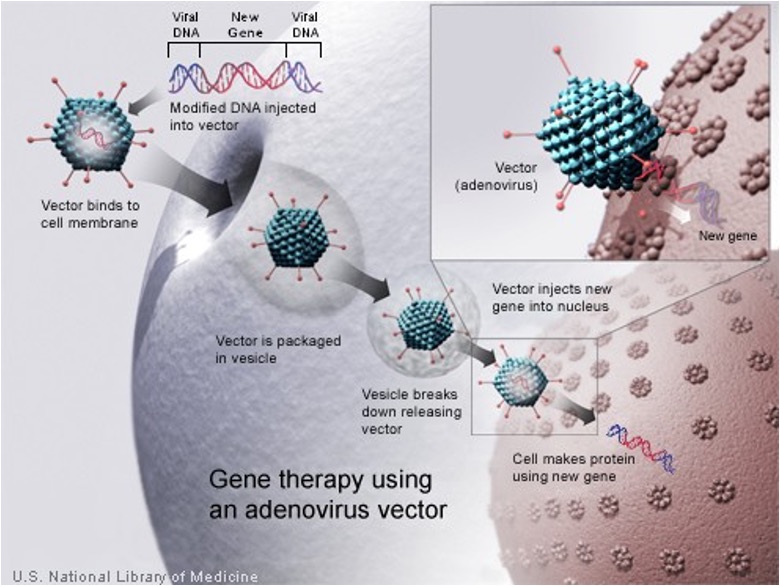
Replacing a defective gene with a normal gene directly in a human.
The gene is packaged into a virus (using a “no symptoms” virus).
Glybera was approved for treating lipoprotein lipase deficiency. Other treatments in development include valoctocogene roxaparvovec (for haemophilia), which targets Factor VIII (a zymogen).
Potential issues include:
The gene inserting in the wrong place.
Not all cells get infected (due to receptor limitations).
Protein overload causing death.
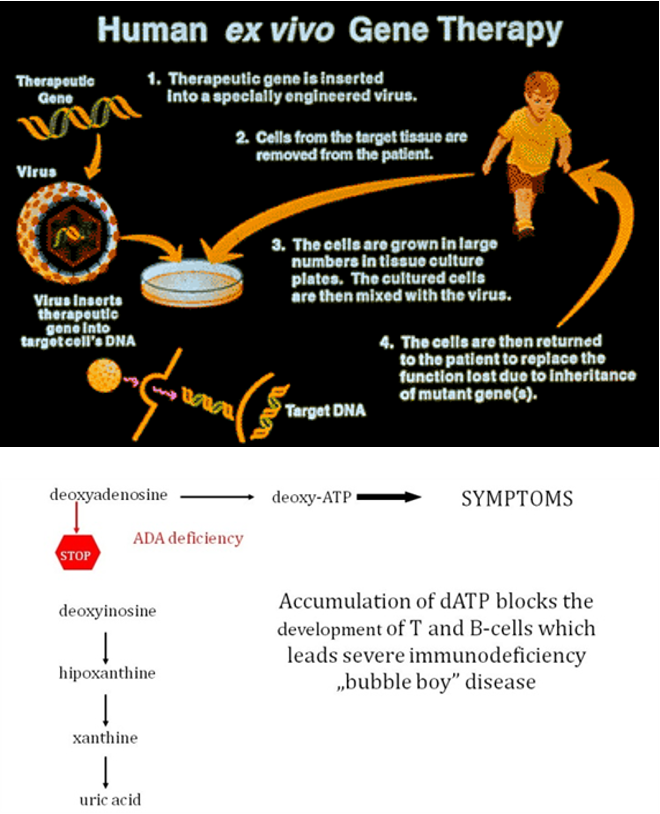
Ex Vivo Treatment: *
Removing patient cells, inserting a gene into those cells, and then putting the cells back into the patient.
The first successful gene therapy occurred in 1990 for:
Adenosine deaminase deficiency, which affects purine metabolism (nucleic acid breakdown).
This deficiency impacts the development and maintenance of the immune system, leading to severe combined immunodeficiency (SCID), where individuals have no immune system.
The gene was placed into T lymphocytes, and the first patient remained healthy.
First patient still healthy
Enzymes in Detection Methods
Bioluminescence: Release of light.
Firefly luciferase transforms (found inside abdomen) luciferin to oxyluciferin + light.

Used to detect reactions that otherwise couldn’t be visualised (e.g., tumour cells in animals).

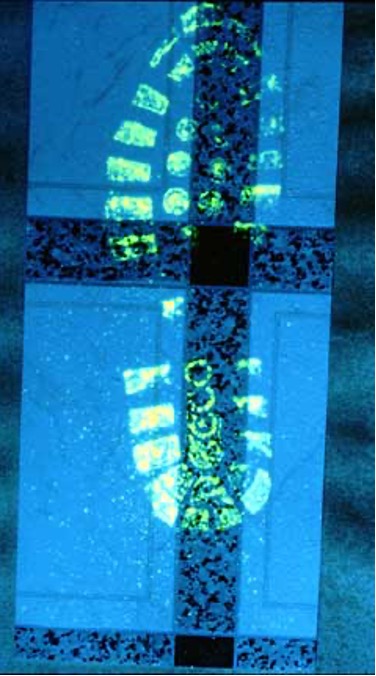
Chemiluminescence: Light produced when a chemical reaction is triggered in the presence of a catalyst.
Luminol is a common example.
Used in biochemistry to detect proteins and nucleic acids, and clinically for the detection of blood.
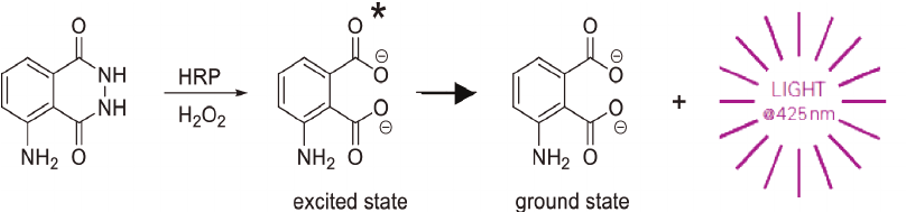
The presence of a heme-enzyme can also cause the release of light in the presence of oxidants and basic compounds.
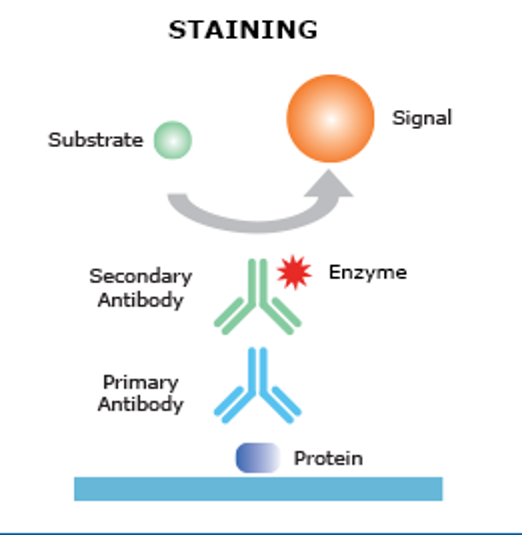
Immunochemical Methods: Using antibodies (e.g., Western blot).
Detects the presence of proteins within a sample and allows for quantitation.
An antibody has an enzyme conjugated to it, which converts a substrate to a product, releasing colour or light.
Uses antibodies — perform this in cell signalling practical
Commercial Applications
lots and lots
Many are ‘engineered’ or designed for commercial/industrial applications
Food Processing:
Glucose oxidase for preservation.
Rennet (from calf stomachs) to coagulate milk in cheese production.
Proteases (e.g., trypsin, pepsin) as meat tenderizers and to prevent cloudiness in beer.
Taste Improvement:
Glucose isomerase to increase sweetness of drinks.
Naringinase to remove the bitter taste in grapefruit juice.
Lipase from the pancreas to improve cheese aroma.
Industrial Application
Paper and Textile Industries:
Glucose isomerase added to paper to increase its plasticity.
Amylase used to remove starch from textiles.
Proteases (trypsin, pepsin) used as tanning agents for leather.
Cosmetics:
Proteases used for the removal of necrotic tissue and acne treatment.
Pharmaceutical Applications
Drug Manufacturing:
Removal of impurities, e.g., removing contaminating proteins in Phyllophorus proteus using papain.
Drug synthesis, e.g., synthesis of simvastatin using acyltransferase (LovD).
Enantioselective reactions, e.g., production of S-citalopram by lipase.
Engineered to improve usefulness
Enzyme Engineering
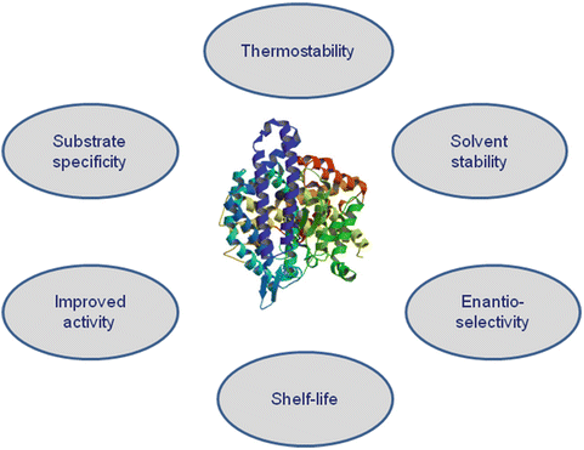
Enzymes can be engineered to improve their activity or efficiency using recombinant DNA technology to alter the amino acid sequence.
This can alter kinetic properties, regulation, enhance substrate specificity/activity, and increase stability (e.g., heat, solvent, degradation).
Example: Penicillin acylase (used to produce the first reagent in penicillin manufacture) is engineered to improve substrate selectivity.
Summary
Deficiency or reduced activity of enzymes can cause disease.
Enzymes can be used as therapeutic agents, e.g., myozyme for GSD Type II, t-PA in stroke, asparaginase in leukaemia, collagenase for skin ulcers.
Gene therapy can be direct or ex vivo.
Enzymes are used in detection methods, e.g., bioluminescence, chemiluminescence, Western blot.
Variety of commercial, industrial, and pharmaceutical applications for enzymes, e.g., food processing, taste improvement, paper/textile industries, cosmetics, drug synthesis.
Enzymes can be engineered to improve their activity or efficiency.