Chemistry- SC3-4
1. The Periodic Table
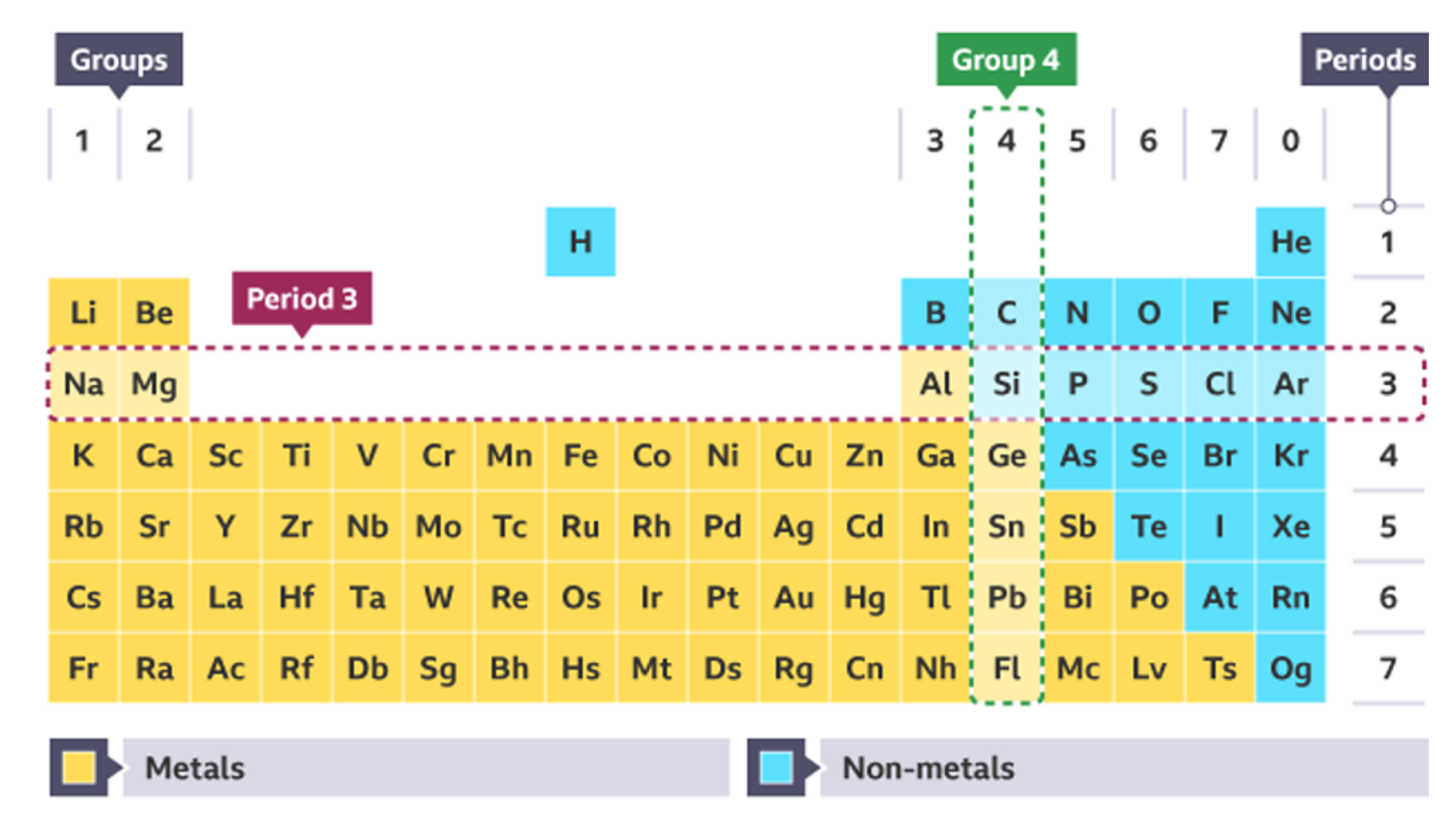
Organization: Arranges elements by increasing atomic number. Elements with similar chemical properties are grouped together.
Periods (Rows): Horizontal rows. The period number indicates the highest energy level an atom's electrons occupy.
Groups (Columns): Vertical columns. Elements within the same group generally have the same number of valence electrons, leading to similar chemical reactivity.
Key Trends (Periodicity):
Atomic Radius: Generally decreases across a period (due to increasing nuclear charge) and increases down a group (due to increasing number of electron shells).
Ionization Energy: Energy required to remove the outermost electron. Generally increases across a period and decreases down a group.
2. Atomic Structure
Fundamental Particles:
Protons: Positively charged (+), located in the nucleus. Mass approx. amu. Determines the element's identity (atomic number, Z).
Neutrons: No charge (), located in the nucleus. Mass approx. amu. Contributes to atomic mass. Isotopes of an element have different numbers of neutrons.
Electrons: Negatively charged (-), orbit the nucleus in electron shells/orbitals. Mass approx. amu (negligible). Determines chemical properties and bonding behaviour.
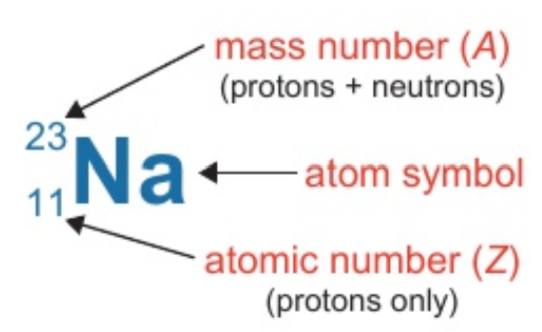
Atomic Number (Z): Number of protons in an atom's nucleus. Unique to each element.
Mass Number (A): Total number of protons and neutrons in an atom's nucleus ().
Isotopes: Atoms of the same element (same Z) but with different numbers of neutrons (different A).
Ions: Atoms that have gained or lost electrons, resulting in a net electrical charge.
Cations: Positively charged ions (lost electrons).
Anions: Negatively charged ions (gained electrons).
I
atom structure
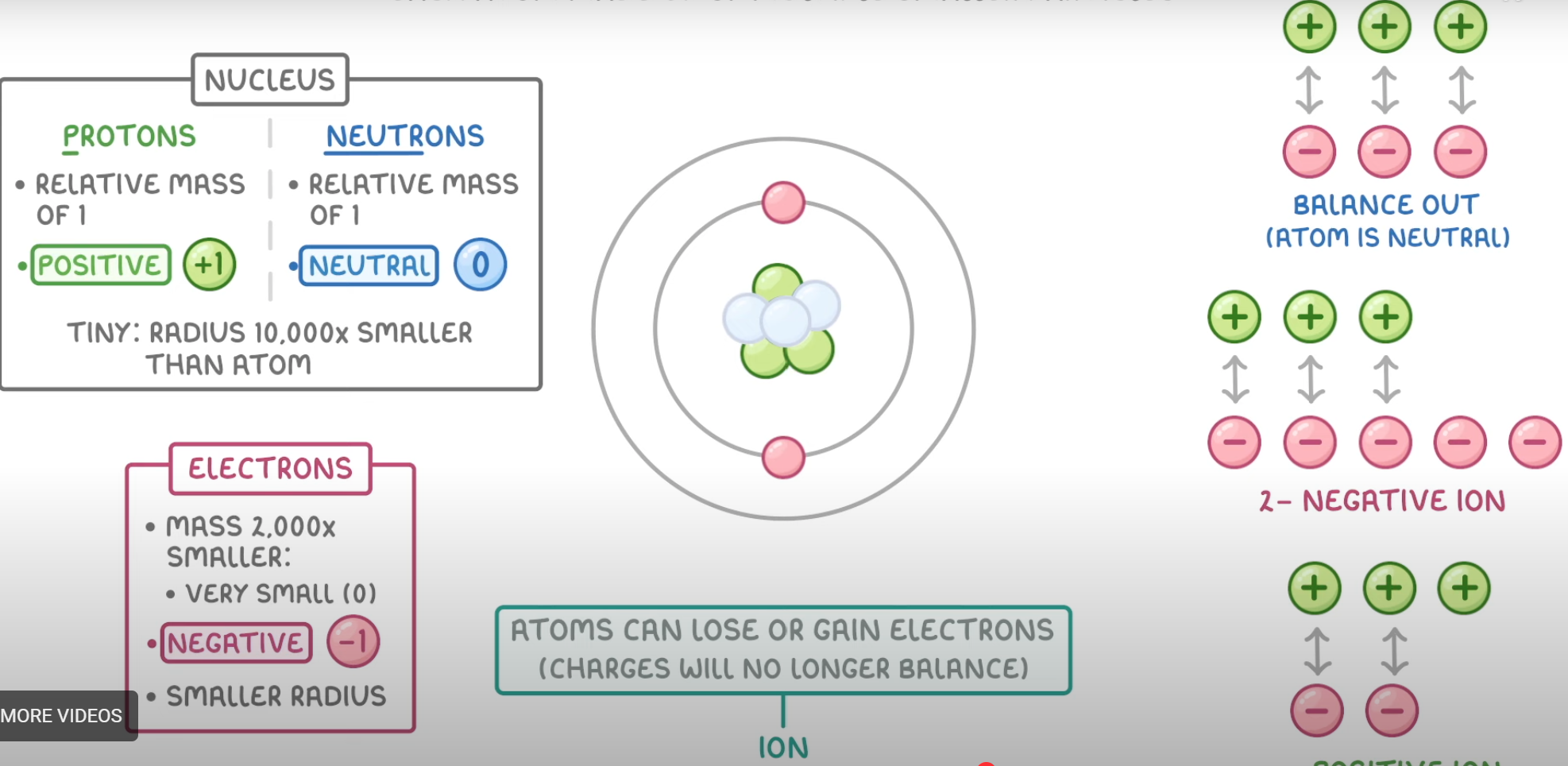
At the centre of all atoms is a tiny nucleus containing protons and neutrons. This is surrounded by fast moving electrons arranged in electron shells at different distances from the nucleus. Atoms in elements always have equal numbers of protons and electrons and so have no overall charge because the charges cancel out.
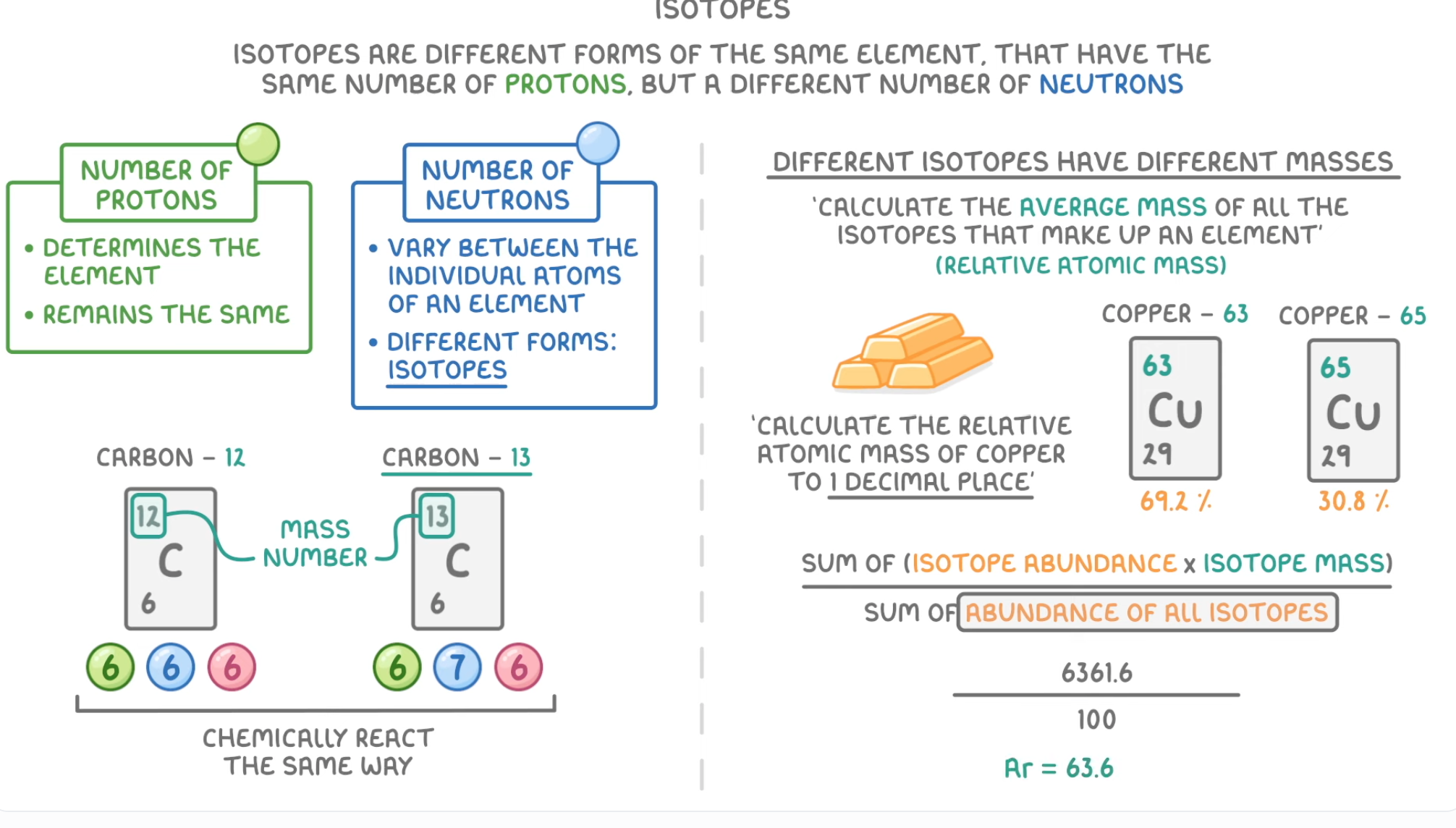
Isotopes are atoms with the same atomic number, but different mass numbers. Isotopes are atoms with the same number of protons, but different numbers of neutrons.
An atom has 13 protons and 14 neutrons. What is its mass number?
Mass number is the total number of protons and neutrons. So in this case we just do 13 + 14 = 27.
calculating relative atomic mass.
Boron naturally exists as two isotopes, boron-10 and boron-11. The abundance of boron-10 is 20% and the abundance of boron-11 is 80%. Using these figures, what is the relative atomic mass of boron?
Use the formula (% of isotope A ×mass of isotope A)+(% of isotope B ×mass of isotope B) /100.
Now input the values. (10×20) + (11×80) / 100
This gives us the relative atomic mass of 10.8.