6 - Interest Rates
interest rates is a very powerful tool in the economy
when higher - it decreases business activity
when lower - ppl have more money to spend
can influence the exchange rate
As interest rates increase, it becomes more expensive to borrow money. Rising interest rates affects spending because the cost of borrowing money goes up. So, if you have a mortgage, any type of credit card or a loan, you could end up paying more for the money you originally borrowed.
🔺 When interest rates in the Philippines are HIGH:
Foreign investors like it — they get better returns.
They bring in US dollars to invest in PH (like in banks or bonds).
This increases demand for pesos → PH peso strengthens (1 USD = fewer PHP).
Example: If interest in PH is higher than in the US, more people want pesos → USD to PHP exchange rate drops (stronger peso).
🔻 When interest rates in the Philippines are LOW:
Investors look elsewhere, like the US, where returns are better.
They take out their money and convert pesos to dollars.
This increases demand for USD → PH peso weakens (1 USD = more PHP).
Example: If interest in PH is lower than in the US, people prefer dollars → USD to PHP exchange rate rises (weaker peso).
GATT - wider route than economic integration (General Agreement on Tariffs and Trade)
led to WTO - attracted more countries to join
covers 3 basic elements:
trade shall be conducted on a non-discriminatory basis
protection shall be afforded domestic industries
consultation shall be primary method
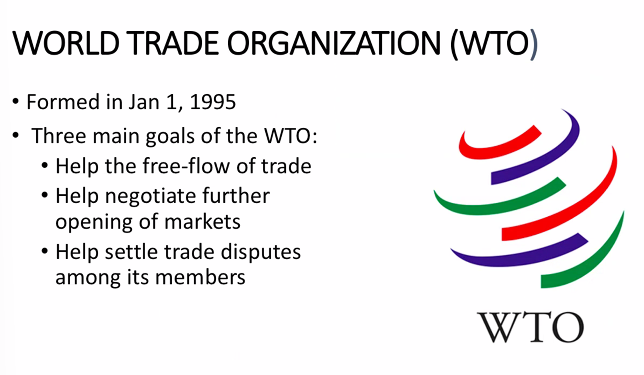
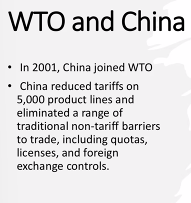
China was left out
when there r trade violations, WTO doesnt intervene. they cannot penalize. they have a settlement
WB is more on cause-related. they want to contribute to the economic growth long-term; provides financial assistance to developing nations to support their development and reduce poverty.
WTO - more focused on trade; manages the rules of trade between nations, ensuring fair and predictable trade practices, and addressing trade disputes
World Bank - comprises 5 institutions, all are known as the World Bank Group
most investors dont want to invest in poor countries, IFC and MIGA serve as savers
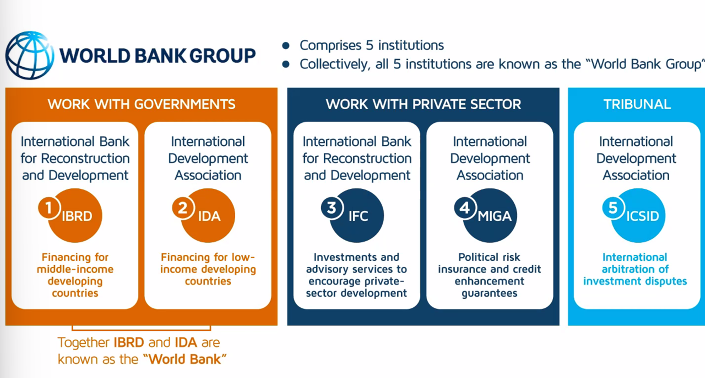
we can borrow from world bank as a government
compare debt vs GDP to get a full picture
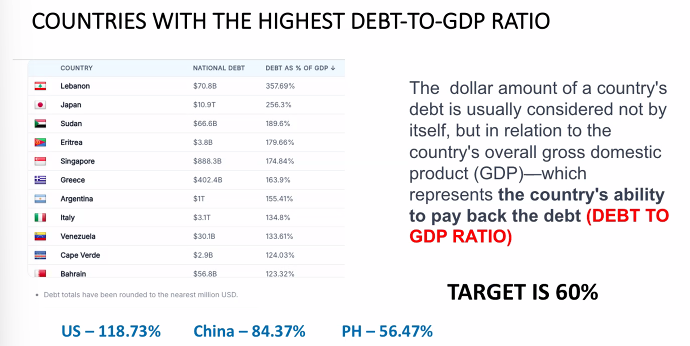
target is 60%
IMF vs WB
The main difference between the International Monetary Fund (IMF) and the World Bank lies in their respective purposes and functions. The IMF oversees the stability of the world's monetary system, while the World Bank's goal is to reduce poverty by offering assistance to middle-income and low-income countries.
ex. IMF is who u reach out to when the country’s on the verge of collapsing
World Bank helps countries develop