L18 - Single molecule detection principles, STED
Single molecule enzymology

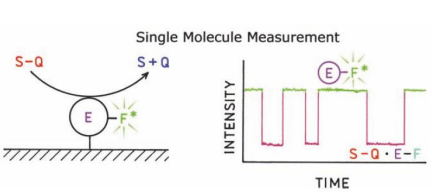
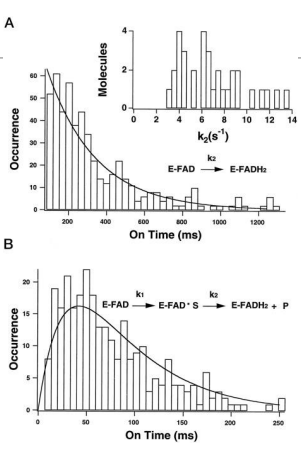
distributions of bound times
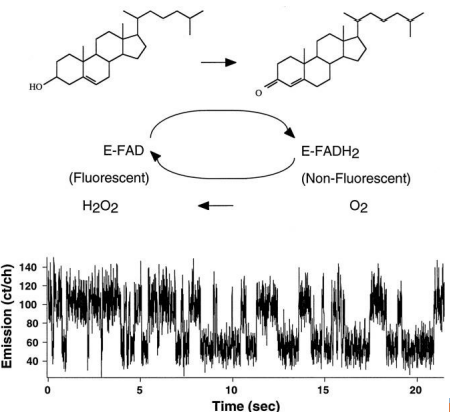

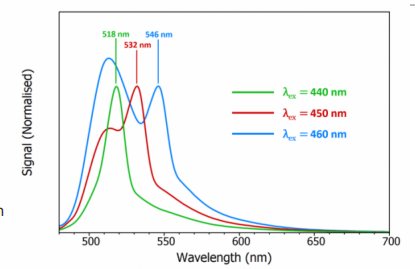
issue with detecting single molecules
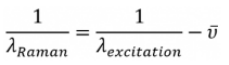
ν is the Raman shift which is around 3400-3600 cm-1 for water\
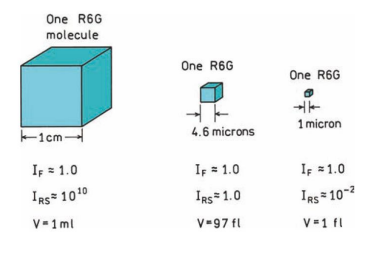
volume effect
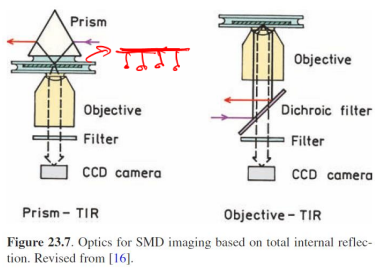
Total Internal Reflection (TIR)
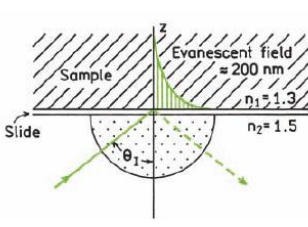
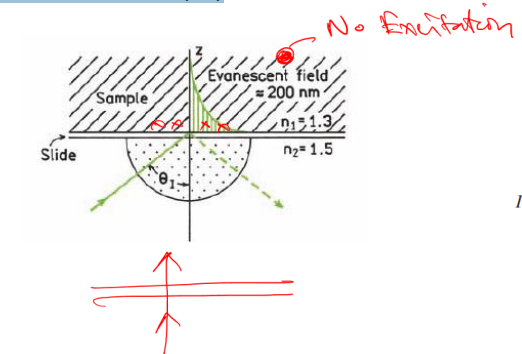
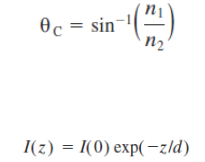
suppresses background fluorescence and enables observation of surface attached molecules
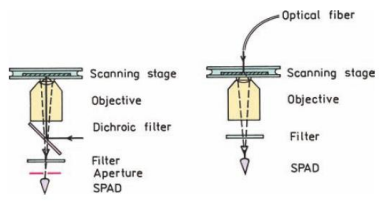
Confocal microscopy on dilute samples
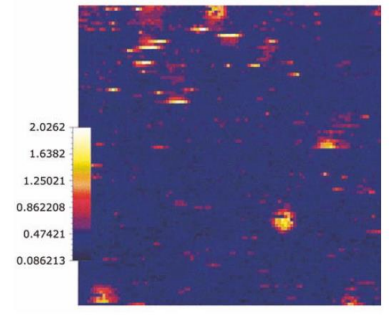
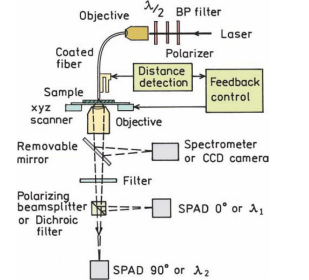
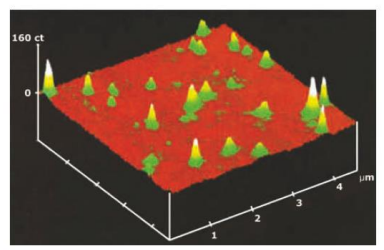
Near Field Scanning Optical Microscopy (NSOM)
RECAP of SMD
Why SMD?
Captures dynamic processes without the need for synchronization
Allows measurement of distributions, not just ensemble averages
Key Insight:
Use SMD to directly observe kinetic fluctuations of enzymes
Techniques for Reducing Background
Fluorescence often buried under scattering and autofluorescence
Raman scattering can mimic fluorescence
Solution: Limit the detection volume
Three Main SMD Modalities
TIRF (Total Internal Reflection Fluorescence) - Excites only near-surface molecules (~200 nm)
Confocal Microscopy - Spatial filtering (pinhole) to exclude out-of-focus light
NSOM (Near-field Scanning Optical Microscopy) - Sub-diffraction illumination via nanoscopic tip
Diffraction Barrier
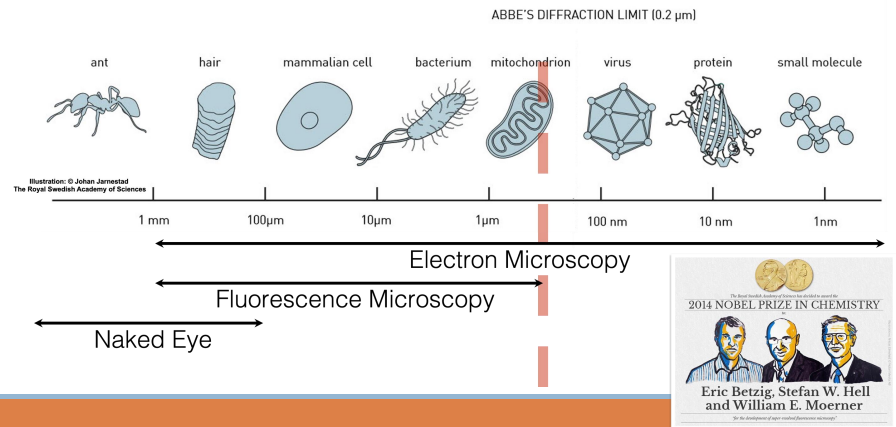
Stimulated Emission Depletion Microscopy (STED)
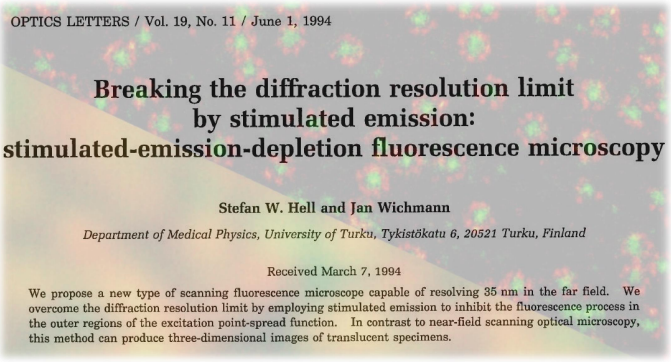
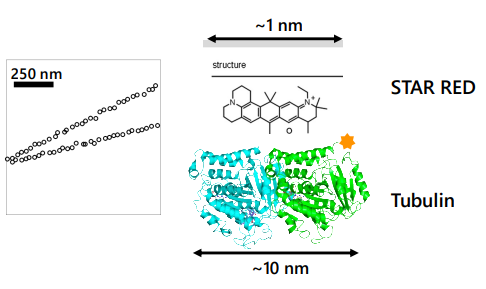
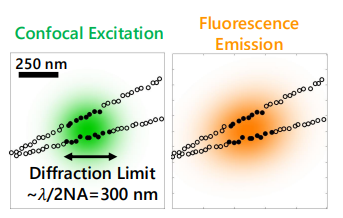
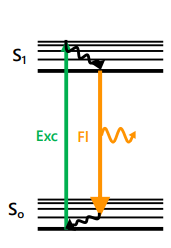
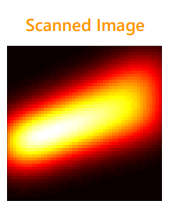
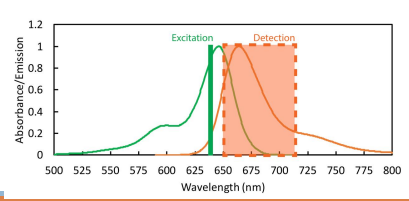
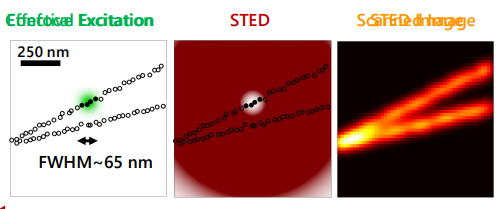
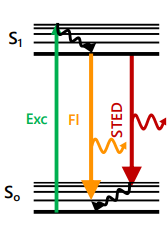
Resolution enhancement
put the graph in the notes little bro 💔
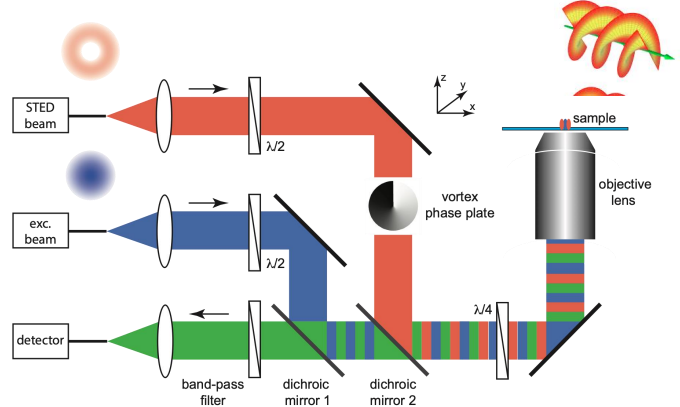
STED setup
Limitations
Photobleaching and Phototoxicity
High-intensity depletion laser (~100–1000 mW) accelerates photobleaching.
Fluorophores quickly lose their ability to fluoresce, especially under repeated scanning.
The intense depletion and excitation light can damage live cells.
Fluorophore Requirements
Not all fluorophores are STED-compatible.
Fluorophores must exhibit efficient stimulated emission and photostability.
Careful spectral separation is required between excitation, emission, and depletion wavelengths.
Complex Instrumentation
Requires precise alignment of multiple laser beams (excitation, depletion).
Beam shaping (e.g., donut-shaped depletion) demands advanced optics.
Limited Imaging Speed
STED is often performed as point-scanning, so it's relatively slow.
This may not capture fast biological dynamics effectively.