Chapter 2
Scientific Notation
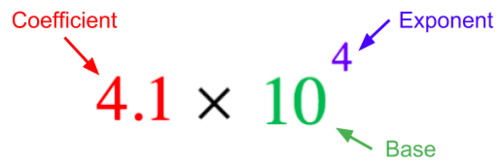
- Product of two values
- Coefficient (between 1 and 9)
- Multiplier (10 raised to a power, shifts the decimal to left or right)
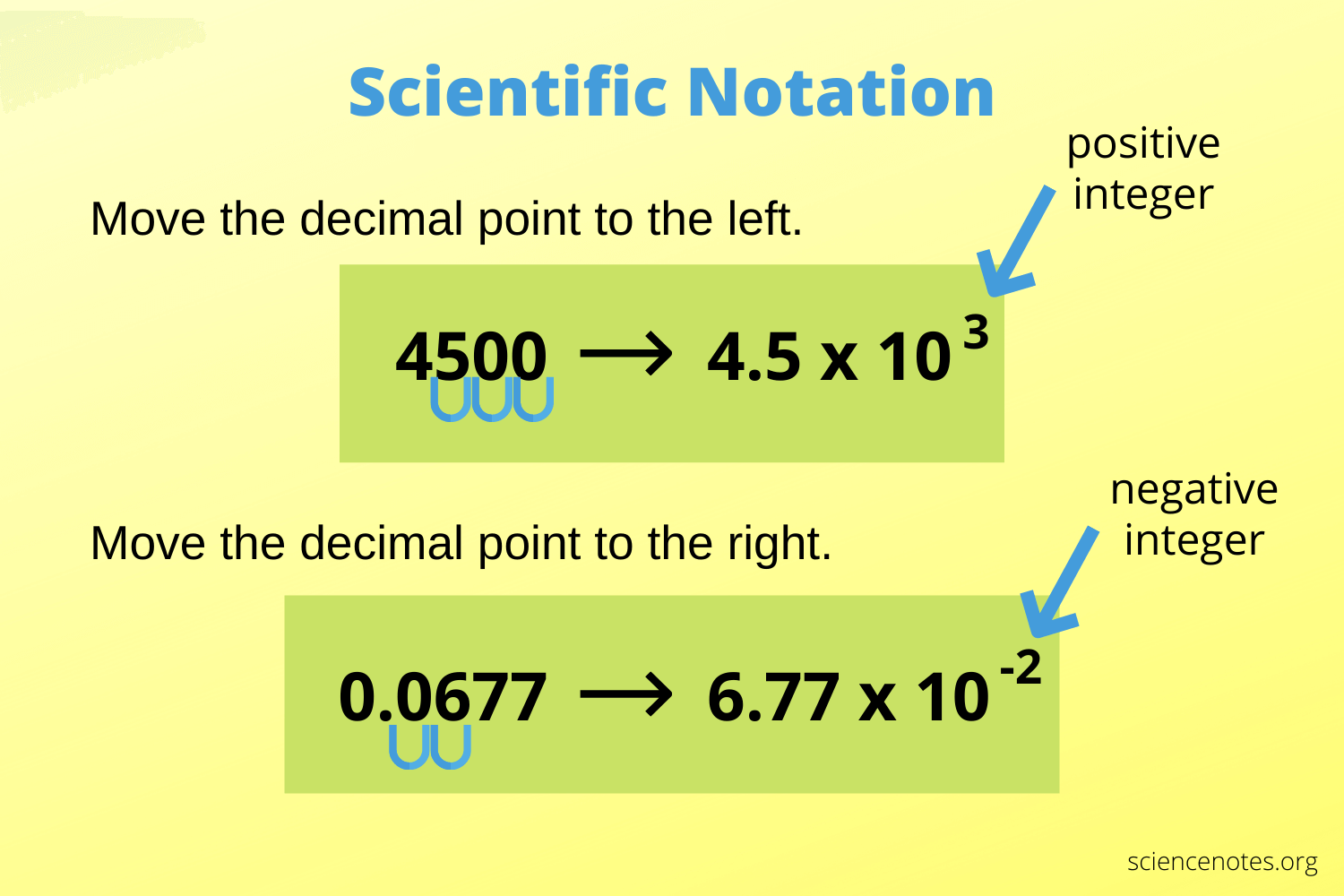
- Negative → Left
- Position → Right
Examples of scientific notation

Going from scientific notation to standard notion
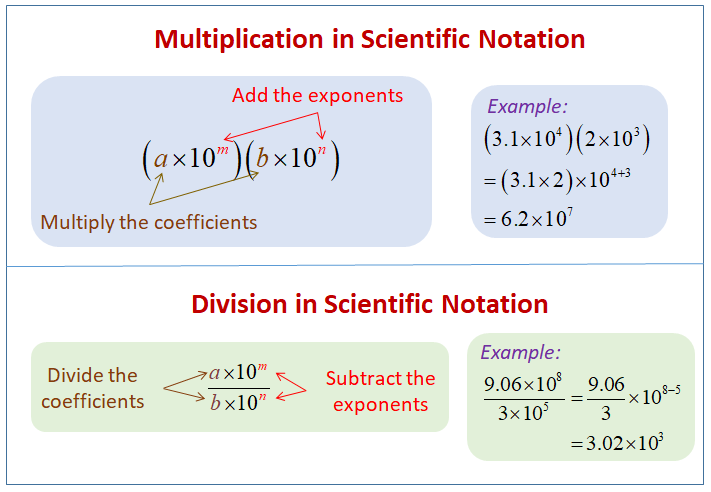
Multiplication & Division
Multiplication
- Multiply coefficients
- Add exponents
Division
- Divide coefficients
- Subtract Exponents
Using a calculator for scientific notation
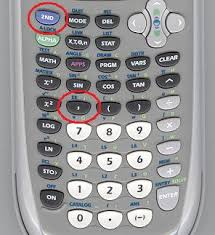
- Press 2nd
- Then the “,” key for EE
Measurements and units
Unit of measurement - quantities with accepted values that can be communicated between people
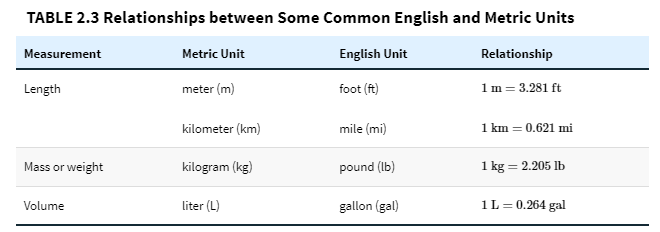
We use the English unit
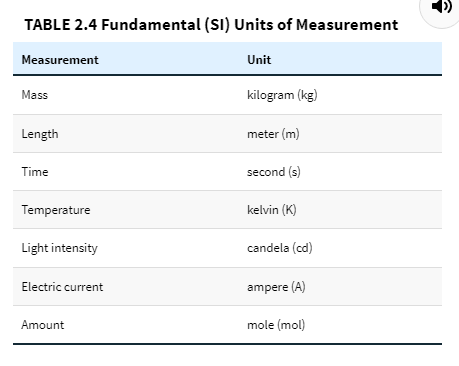
The international scientific community uses which are based on the metric system for easier communication
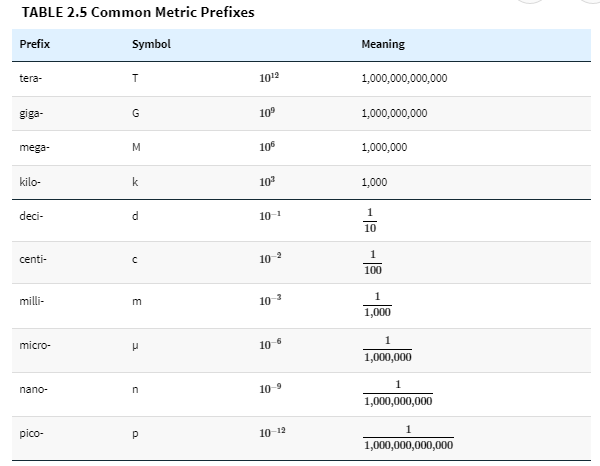
 The metric system uses prefixes to describe larger or smaller amounts.
Describing the quality of measurements
- how reliable a series of measurements are
- Does it reflect the true value?
- how finely tuned measurements are
- How close groups of measurements are to each other?
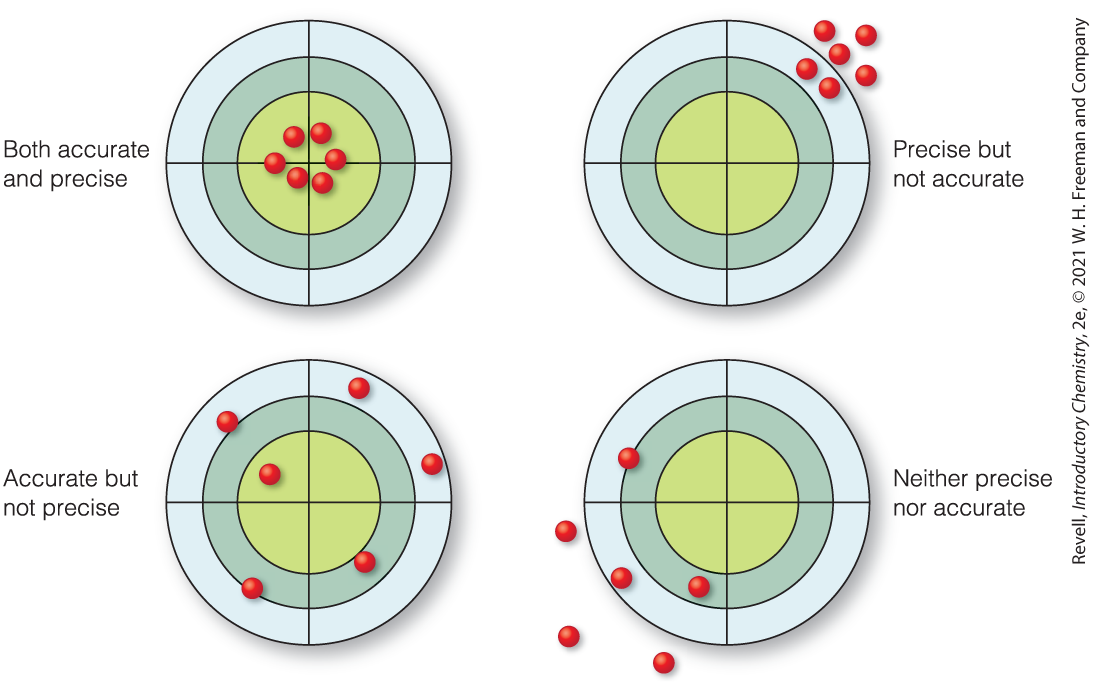
Significant digits
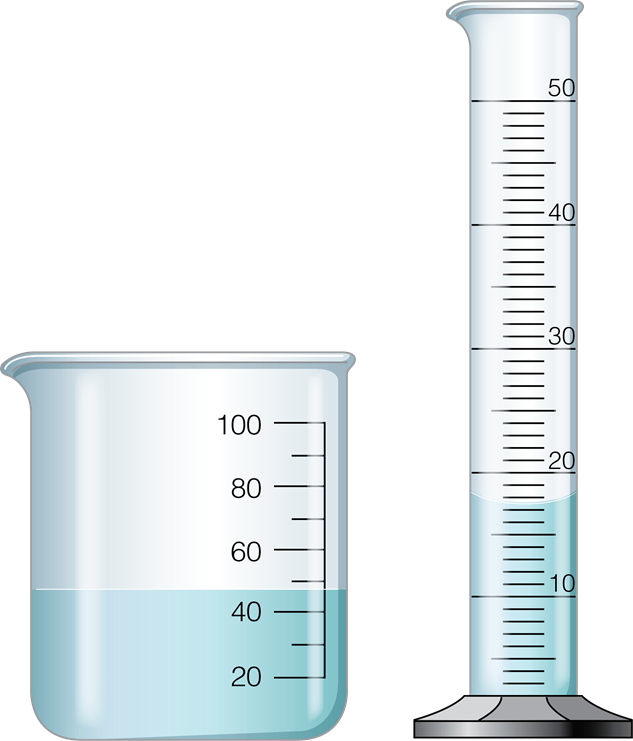
We can estimate one digit between the marked values
==Significant digits: Indicate how precisely we know a measurement==
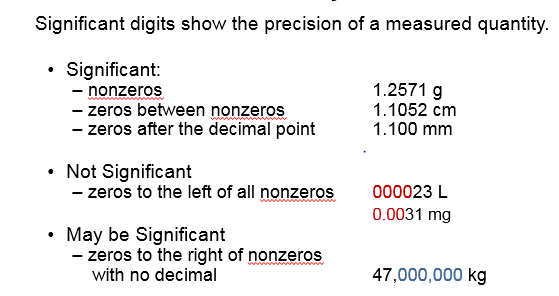
Identifying Significant Digits
- All nonzero digits are significant, and all zeros between nonzero digits are significant.
- If a decimal point is present, zeros to the right of the last nonzero digit are significant
- Zeros to the left of the nonzero are never significant
- If there is no decimal point present, zeros to the right of the last nonzero may or may not be significant
Defining Significant Digits for Large Numbers
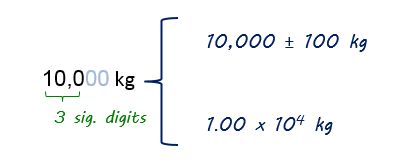
Summary
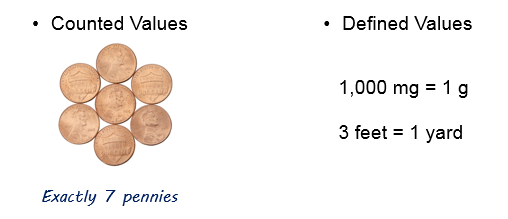
 Exact Numbers
Values for which there is no uncertainty
 Calculations with Significant Digits
- \
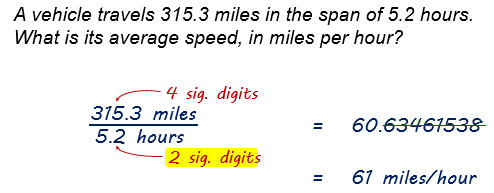
- When ==multiplying or dividing==, report the same number of digits as are in the least precise starting measurement
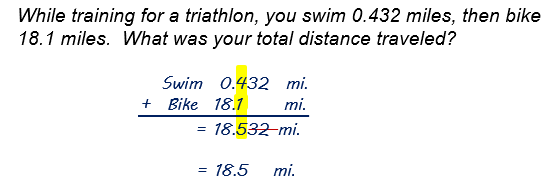
- When ==adding or subtracting==, round to the last decimal place of the least precise starting measurement
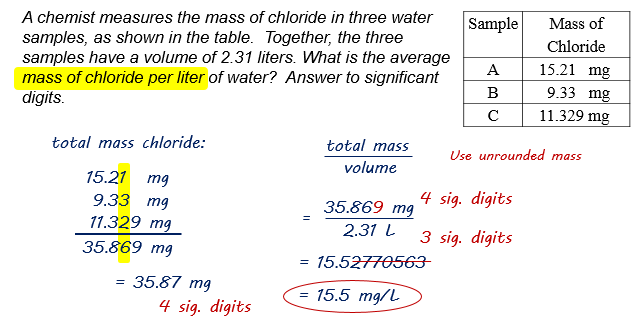
- If a calculation involved multiple steps, wait until the end to round to significant digits
Unit Conversions
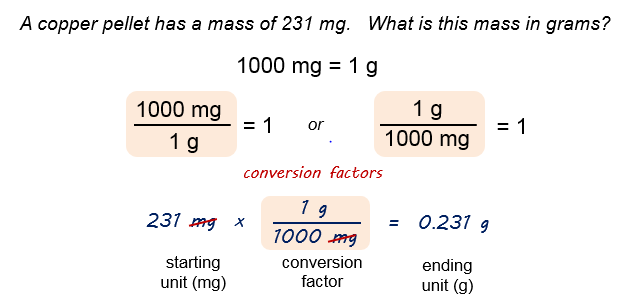
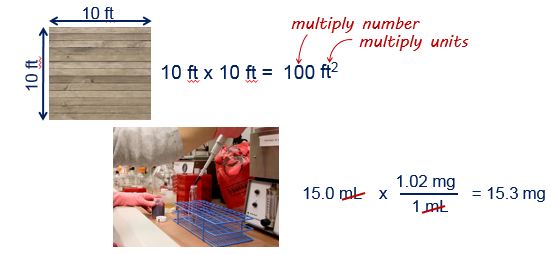
Dimensional Analysis
- Whatever we do to the number, we also do to the units
- Example:
- Conversion Factor - Fractions that contain equivalent amounts of different units in the numerator and in the denominator
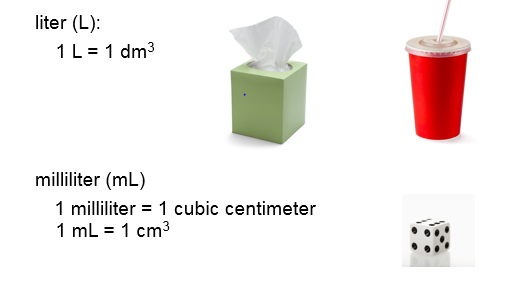
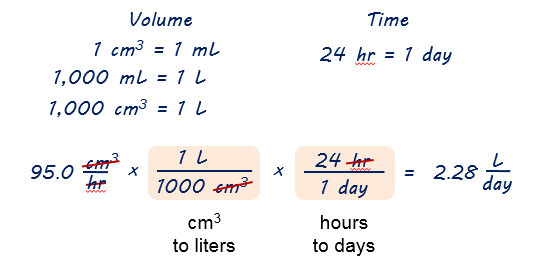
Units of Volume
Converting Units
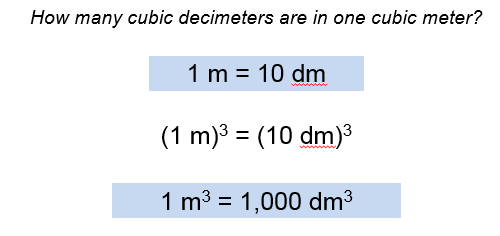
Example
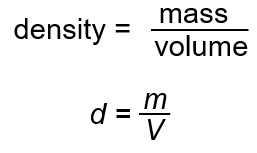
Relating mass and volume: Density
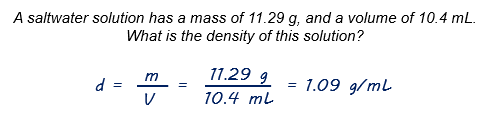
An example:
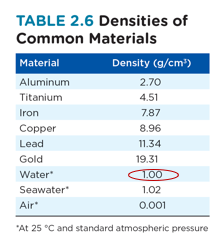
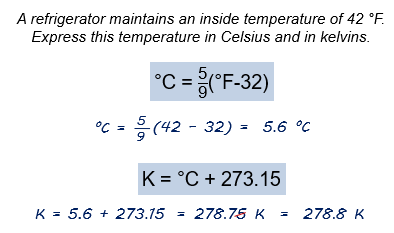
Converting Between Temperature Units
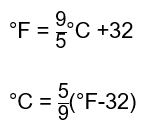
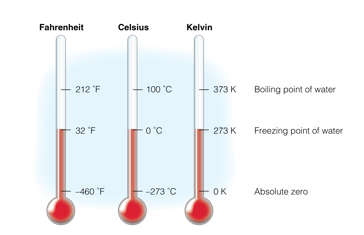
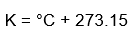
An example: