HDFS 101 - Individual and Family Development Test Two
Growth and Change in Infancy
Infancy is from birth to 12 months
Weight triples by end of first year
Babies appear plump
Fat stores sugar and energy; The brain needs a lot of that energy
Chart Growth Girls 0-36 Months: What is the child eating?
 Weight is more important than height! Weight has to do with energy and movement. Height has to do with genetics.
Two Key growth patterns:
Cephalocaudal principal:
Proximodistal Development: We grow from the inside out. A lot of girth in their tummies because that is where they store fat
When we are born, our brain is a quarter of a size of an adult brain
At age two, our brain is 70-80 percent the size of an adult brain
The brain grows in three ways: exuberance and myelination
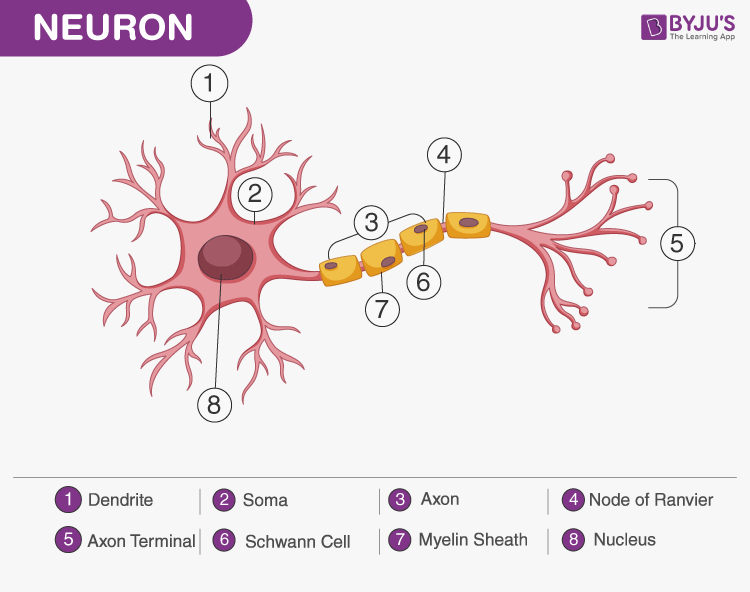
Exuberance: dendrite connections multiply
Myelination: axons become encased in a myelin sheath
Efficiency increases due to synaptic pruning
Brain and Nervous System Growth
Primitive reflexes: Involuntary movements exhibited by infants in response to certain stimuli, gradually disappearing as the nervous system matures.
Adaptive reflexes: are involuntary responses that adjust to new stimuli. They help us react quickly to changes in our environment for survival.
Brain Development- Brain Specialization
Cerebral cortex much larger than in other animals
Two hemispheres connected by corpus callosum
Relies on hormones and chemicals that come out when we sleep
Lateralization
Specialization within lobes
Occipital lobe
Temporal lobe
Parietal lobe
Frontal lobe- last to grow
Left brain functions:
Analytic thought
Logic
Language
Science and math
Right brain functions
Holistic thought
Intuition
Creativity
Art and Music
Frontal lobe
Highest processes, including planning for the future and making decisions. Finishes growing at 29
Parietal lobe
Processes bodily sensations
Occipital lobe
Processes visual information
Temporal lobe
Processes auditory information, including language
Synaptic development
Brain Development
Neurons: don’t touch. Individual cells that are separated with gaps
Axons: Thing that comes off a dendrite that sends messages to another neuron
Dendrites:
Synapses
Neurotransmitters
Synaptic overproduction or exuberance
Synaptic pruning: “Going from 5 power-plants to 3 power-plants”
Myelination
How long can sperm live in the female reproductive organs after ejaculation? 5 days
Health and Wellness
Sleep: A state of consciousness. They have different types of sleep and it supports growth
Teething: The process where an infant's first set of teeth, known as deciduous teeth or baby teeth, emerge through the gums, usually starting around six months of age.
Infant nutrition:
Infants need a high fat diet
About 6 months, may introduce solid foods
West rice cereal
Traditional cultures-mashed, pre-chewed, pureed
Health Care and Immunizations
Illnesses in first two years of life are common. A neonate has almost zero immune system
Breastmilk gives antibodies to the infant
Vaccinations build up immune system
Saves 2-3 million lives a year
Has decreased rate of disease dramatically
Protects the community
Most cost effective way to fight disease
Vaccines are safe
No link between autism and vaccines
No mercury in childhood vaccines
Five leading causes of death in 2021 for infants:
Birth defects
Preterm birth and low birth rate
Sudden infant death syndrome
Injuries
Maternal pregnancy complications
Muscle, bone growth, environment, and temperament are all factors for when a child learns to walk
Infant Fine Motor
Newborn: Pre-reaching and grasping reflex
About 4 Months: Intentional reaching emerges, voluntary grasping, ulnar grasp
About 9 to 12 Months:
Ossification: Our bones become more solid as more blood flows through the body
Difference between watching 10 years old playing hockey and 13 year olds playing hockey is that there is a lot more coordination because the 10 year olds’ bodies are trying to catch up with how much it is growing
Sensory Development
Depth perception
Intermodal perception
Integration of sensory information
One month olds match things in mouth to things they touch
By eight months can match unfamiliar faces with correct voice and gender
Piaget's Theory of Cognitive Development
Focuses on the cognitive development of children from infancy to adolescence.
Suggests that children actively construct their understanding of the world through a series of stages.
Stages of Cognitive Development:
Sensorimotor Stage (Birth to 2 years):
Infants learn through sensory experiences and motor actions.
Develop object permanence and basic problem-solving skills.
Preoperational Stage (2 to 7 years):
Children use symbols and language to represent objects and events.
Egocentrism is prominent, and they struggle with conservation and logical reasoning.
Concrete Operational Stage (7 to 11 years):
Children become capable of logical thinking and understanding conservation.
They can perform mental operations on concrete objects and understand cause and effect.
Formal Operational Stage (11 years and older):
Adolescents develop abstract thinking, hypothetical reasoning, and logical deduction.
They can think about possibilities and solve complex problems.
Key Concepts:
Maturation: A biologically based program is the driving force behind development
Schemes: Cognitive structure for processing, organizing, and interpreting information
Assimilation: New information is altered to fit an existing scheme
Accommodation: Changing a scheme to adapt to the new information
Criticisms:
Some argue that Piaget underestimated children's abilities.
Cultural and individual differences are not adequately considered.
The theory does not account for the role of social interaction in cognitive development.
Overall, Piaget's theory provides valuable insights into the cognitive development of children, emphasizing the importance of active learning and the progression through distinct stages. However, it is important to consider its limitations and incorporate other perspectives to gain a comprehensive understanding of cognitive development.
Object Permanence: Objects continue to exist even when not aware of them
Under 4 months- no understanding
4 to 8 months- some uncertain about existence
8 to 12 months- developing awareness
Piaget's Sensorimotor Stages
Stage 1: Reflexes (0-1 month)
Infants' actions are based on reflexes like sucking and grasping.
Stage 2: Primary Circular Reactions (1-4 months)
Infants repeat actions that bring pleasure, focusing on their own bodies.
Stage 3: Secondary Circular Reactions (4-8 months)
Infants start to repeat actions that affect the environment, like shaking a rattle.
Stage 4: Coordination of Reactions (8-12 months)
Infants begin to coordinate multiple actions to achieve a goal, showing intentional behavior.
Stage 5: Tertiary Circular Reactions (12-18 months)
Infants explore new ways of achieving goals through trial and error.
Stage 6: Mental Representations (18-24 months)
Infants develop the ability to use symbols and mental images to solve problems, marking the beginning of symbolic thought.
Learning to regulate their primary emotions helps toddlers to regulate their sociomoral emotions
Toddlerhood: 12-36 months
Growth in physical development (begin to dress themselves, feed themselves, etc)
Brain development (coordination, language development, sleep patterns and motor skills)
Brain Development in Toddlerhood:
Synaptic density
Synaptic pruning
Frontal cortex starts to grow
Continued myelination (hyppocampus)
Autobiographical memory
What is the hippocampus for?
Sleep and Teething
Most teeth will have emerged by the end of toddlerhood
Babies can become particular about what they want to eat at this stage
Sleep: state of conscious that is tied to brain development. Can fluctuate during this time. Babies have two nap periods during the day time
Gross Motor Skills During Toddlerhood
What age are kids taking their first steps: approximately 9-15 months due to environment and physicality
Coordination
Most babies die during this stage due to…
Motor vehicle deaths
Drowning
Fires and burns
Airway blockages (choking and suffocation)
Milestones:
11-12 Months: Walk without support
15 Months: Stand and begin to climb
18 Months: Some running
24 Months: Can kick with more dexterity
Fine Motor Skills During Toddlerhood
Fine Motor Skills
Left or right handedness
Sub-branches:
12-24 Months: Hold cups, feed self, scribble, turn pages, build
24-36 Months: Draw circle, brush teeth, build taller towers
Toilet Training (sign of readiness):
Staying dry for an hour or two during the day
Regular bowel movements
Increased anticipation of the event
Directly asking to use the toilet or wear underwear
Cognitive Development During Toddlerhood
Piaget's Sensorimotor Stages
Implications
Parenting: Encourage exploration and provide a safe environment.
Education: Hands-on activities to promote learning.
Developmental Milestones: Monitor progress in acquiring skills.
Categorization
Infants can categorize (habituation/dishabituation)
Toddlers can spontaneously categorize one dimension at a time
Achievements during toddlerhood
Substage 5: Tertiary Circular Reactions (12-18 Months) Trial and error experimentation
Substage 6: Mental Representations (18-24 Months) Symbolic thought and deferred imitation
Vygotsky's Sociocultural Theory
Key Points:
Developed by Lev Vygotsky, a Russian psychologist.
Emphasizes the role of social interaction and culture in cognitive development.
Believes that learning is a social process that occurs through interactions with others.
Zone of Proximal Development (ZPD):
The difference between what a learner can do without help and what they can achieve with guidance.
Learning occurs in the ZPD with the help of a more knowledgeable other (MKO).
Scaffolding:
The support provided by the MKO to help the learner move through the ZPD.
Gradually reduced as the learner gains competence.
Cultural Tools:
Language, symbols, and other cultural artifacts that shape thinking and behavior.
Influence how individuals perceive the world and solve problems.
Private Speech:
Children talk to themselves to guide their thinking and actions.
Gradually internalized as silent inner speech.
Implications:
Emphasizes the importance of social interaction in learning.
Supports collaborative learning environments.
Highlights the role of culture in shaping cognitive development.
Cognitive Changes During Toddlerhood
Assimilation
Accommodation
Sensorimotor intelligence
Toddlers’ Emotions and Emotional Regulation
Primary Emotions
Secondary Emotions (Sociomoral Emotions): variations in individualistic vs. collectivistic cultures
Guilt
Shame
Embarrassment
Envy
Pride
Empathy
Personality Disorder
Toddler Social Anxiety
Causes of temper-tantrums
New people
New places
At this age we are teaching children how to handle these feelings
Use of behaviors and language to self-regulate
Emotional regulation as dyadic
Development of socio-moral emotions
Expectations vary by culture
Temper tantrums in individualistic vs collectivist
Erik Erikson's Stages of Development
Trust vs. Mistrust (Infancy, 0-1 year)
Infants learn to trust or mistrust their caregivers based on the consistency of care and love they receive.
Autonomy vs. Shame and Doubt (Early Childhood, 1-3 years)
Children develop a sense of independence and control over their actions, leading to autonomy, or they may develop shame and doubt if their attempts are criticized.
Initiative vs. Guilt (Preschool, 3-6 years)
Children begin to assert control and power over their environment, leading to a sense of initiative, or they may develop guilt if they are overly criticized.
Industry vs. Inferiority (School Age, 6-12 years)
Identity vs. Role Confusion (Adolescence, 12-18 years)
Intimacy vs. Isolation (Young Adulthood, 18-40 years)
Generativity vs. Stagnation (Middle Adulthood, 40-65 years)
Integrity vs. Despair (Late Adulthood, 65+ years)
Erikson's Autonomy vs Shame
Stage: Toddlerhood (1-3 years old)
Conflict: Autonomy vs Shame and Doubt
Key Task: Developing a sense of independence and control over actions
Success: Children who successfully navigate this stage develop self-confidence, independence, and a sense of autonomy
Failure: Leads to feelings of shame, doubt, and lack of confidence in one's abilities
Parental Role: Encouraging exploration, providing choices, and supporting independence while setting appropriate limits
Signs of Success: Assertiveness, curiosity, and willingness to try new things
Impact: Success in this stage lays the foundation for healthy emotional development in later stages
Erikson's Initiative vs Guilt
Stage: Third stage in Erikson's psychosocial development theory.
Age: Around 3 to 6 years old.
Conflict: Children develop a sense of initiative by taking on tasks and exploring their environment. They may feel guilty if they are overly criticized or restricted.
Initiative: Children start to plan activities, make up games, and initiate tasks. They develop a sense of purpose and direction.
Guilt: If children are made to feel too anxious or irresponsible, they may develop a sense of guilt. This can hinder their ability to take risks and try new things.
Parental Role: Parents should encourage their children to explore and try new things while providing guidance and support. Balancing freedom with boundaries is crucial.
Outcome: Successfully navigating this stage leads to a sense of purpose and the ability to set goals. Unresolved conflicts may lead to feelings of inadequacy and self-doubt.
Temperament
Crucial to a child’s emotional regulation. Temperament plays a significant role in how individuals navigate different stages of development. Some children may be naturally more adventurous and open to trying new things, while others may be more cautious and hesitant. Understanding and respecting each child's unique temperament is essential in supporting their growth and development. Parents and caregivers should adapt their approach based on the child's temperament, providing the necessary support and encouragement tailored to their individual needs. By recognizing and honoring their temperament, children can feel validated and supported in their journey towards self-discovery and personal growth.
5 Steps of Emotion Coaching by Gottman
Be Aware of Emotions: Recognize and acknowledge your child's emotions. Be present and attentive to their feelings.
See Emotions as an Opportunity for Connection and Teaching: View emotional moments as a chance to bond with your child and help them learn about their feelings.
Listen Empathetically and Validate Feelings: Listen actively to your child's emotions without judgment. Validate their feelings to show understanding.
Help Label Emotions: Assist your child in identifying and labeling their emotions. This helps them develop emotional awareness and regulation.
Set Limits while Helping Problem-Solve: Establish boundaries when necessary, but involve your child in finding solutions to manage their emotions effectively.
Criticisms of Attachment Theory
Cultural Bias: Critics argue that attachment theory is based on research conducted mainly in Western cultures, which may not be applicable to other cultural contexts.
Simplicity: Some critics suggest that attachment theory oversimplifies the complexities of human relationships and fails to consider other factors that influence attachment.
Deterministic: The theory is criticized for being too deterministic, implying that early attachment experiences solely determine an individual's future relationships and behaviors.
Gender Bias: Critics argue that attachment theory focuses more on the mother-child relationship, neglecting the role of fathers and other caregivers in attachment formation.
Lack of Evidence: Some researchers question the empirical evidence supporting attachment theory, suggesting that the findings may not be as robust as claimed.
Inflexibility: Critics argue that attachment theory may not account for the flexibility and variability in attachment patterns that individuals may exhibit across different relationships and contexts.
Attachment Styles
Secure Attachment
Most common
Caregiver is responsive and consistent.
Child feels secure to explore and seek comfort.
Develops trust and healthy relationships.
Disorganized-Disoriented Attachment
Least Common
Caregiver is unpredictable or abusive.
Child shows conflicting behaviors (approach and avoidance).
May struggle with emotional regulation and relationships.
Insecure-Avoidant Attachment
Caregiver is emotionally unavailable or rejecting.
Child learns to self-soothe and suppress emotions.
May have difficulties in forming close relationships.
Insecure-ambivalence (resistance) attachment
thought to maintain proximity to their caregiver by 'up-regulating' their attachment behavior: when they are separated from a caregiver, they may become very distressed and may be angry, and resist contact when the caregiver returns
Mary Ainsworth
Attachment Theory:
Collaborated with John Bowlby in the development of attachment theory.
Studied the mother-infant bond and its impact on child development.
Strange Situation Experiment:
Developed the "Strange Situation" experiment to observe attachment styles in children.
Identified three main attachment styles: secure, insecure-avoidant, and insecure-anxious/ambivalent.
Contributions:
Introduced the concept of the "secure base" in attachment theory.
Emphasized the importance of early attachment relationships in shaping later social and emotional development.