Cell Structure
EVERY ORGANELLE THAT HAS A DOUBLE MEMBRANE
The Nucleus (The Control Centre)
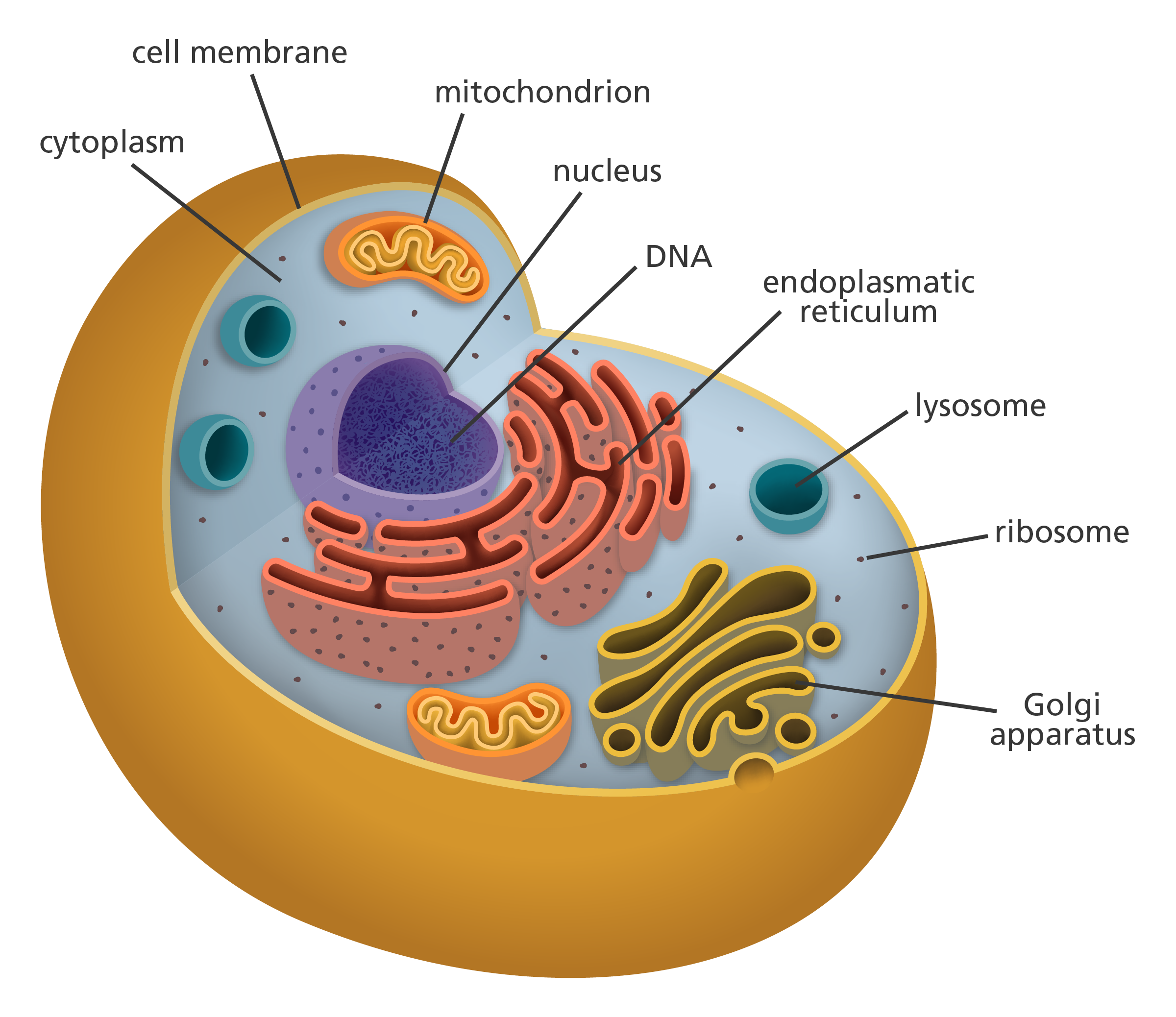
Structure: The largest organelle. Surrounded by a double membrane called the nuclear envelope, which is perforated with nuclear pores. Contains chromatin (DNA + histone proteins) and a dense region called the nucleolus.
Function:
Houses the cell's genetic material (DNA).
Controls cell activities (via transcription of mRNA).
The nuclear pores allow the transport of mRNA and ribosomes out of the nucleus.
The nucleolus is the site of ribosome synthesis (specifically, it makes ribosomal RNA (rRNA) and assembles ribosomal subunits).
Mitochondrion (The Aerobic Respiration Site)
Structure: Surrounded by a double membrane. The inner membrane is extensively folded into cristae (to increase surface area). The fluid-filled centre is the matrix.
Function: The site of aerobic respiration. It produces ATP (adenosine triphosphate) for energy-requiring processes in the cell.
SINGLE MEMBRANE PROCESSING AND TRANSPORT SYSTEM
There two types of Endoplasmic Reticulum; the Rough Endoplasmic Reticulum & Smooth Endoplasmic Reticulum.
Rough Endoplasmic Reticulum
Structure: A system of flattened, membrane-bound sacs (cisternae) studded with ribosomes on its outer surface.
Function: Protein synthesis and processing. Ribosomes on the RER translate mRNA into proteins. These proteins are then folded and transported through the RER lumen (cavity) to the Golgi apparatus.
Smooth Endoplasmic Reticulum
Structure: A system of tubular membranes with no ribosomes attached.
Function: Lipid and steroid synthesis (e.g., hormones), and detoxification of drugs and poisons in liver cells.
Golgi Apparatus
Structure: A stack of flattened, curved, membrane-bound sacs (cisternae), with small vesicles constantly budding off the edges.
Function:
Modifies proteins and lipids (e.g., adding carbohydrate groups to form glycoproteins).
Packages these modified molecules into secretory vesicles for transport.
Produces lysosomes.
Secretes the cell's products (e.g., mucus, digestive enzymes) out of the cell via exocytosis.
Lysosomes (The "Suicide Sacs" / Digestive System)
Structure: A small, spherical, single-membrane-bound sac containing a high concentration of hydrolytic enzymes (digestive enzymes).
Function:
Digest material taken in by phagocytosis (e.g., pathogens engulfed by white blood cells).
Digest worn-out organelles (e.g., old mitochondria) in a process called autophagy.
Release their enzymes outside the cell (exocytosis) to destroy surrounding material.
The Protein Factories and Cytoskeleton
Ribosomes
Structure: No membrane! (Non-membrane-bound). Made of two subunits (large and small) composed of rRNA and protein. They are either found free-floating in the cytoplasm, or attached to the RER.
Sizes: 80S in eukaryotic cells; 70S in prokaryotic cells, mitochondria, and chloroplasts.
Function: The site of translation (protein synthesis), where mRNA is read to assemble amino acids into a polypeptide chain.
Cytoskeleton
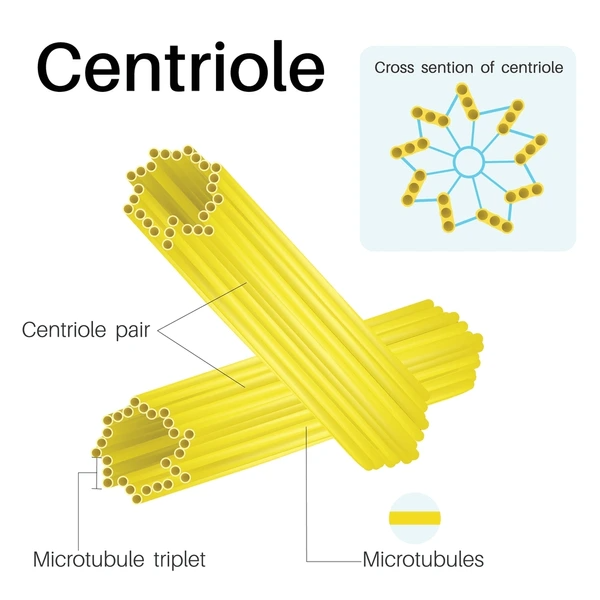
Structure: A network of protein fibres running throughout the cytoplasm. It consists of microtubules (hollow tubes made of tubulin), microfilaments (solid rods of actin), and intermediate fibres.
Function:
Provides mechanical support and maintains cell shape.
Microtubules form the spindle fibres during mitosis.
Acts as "tracks" for the movement of organelles
ORGANELLES FOUND IN PLANTS
Cell Wall
Structure: A rigid outer layer made of cellulose (a polysaccharide) in plants. It is fully permeable and has plasmodesmata (tiny pores connecting adjacent cells).
Function:
Provides mechanical strength and structural support (prevents the cell from bursting due to osmotic pressure).
Determines and maintains cell shape.
Plasmodesmata allow for cell-to-cell communication and transport of substances.
Chloroplast
Structure: Surrounded by a double membrane. Inside, there are stacks of thylakoid membranes called grana (singular: granum), which are suspended in the fluid-filled stroma.
Function: The site of photosynthesis.
The light-dependent reactions occur on the thylakoid membranes (grana), which contain chlorophyll.
Vacuole
Structure: In mature plant cells, this is a large, permanent, fluid-filled sac surrounded by a single membrane called the tonoplast.
Function:
Maintains turgidity (rigidity) by absorbing water.
Acts as a temporary food store (e.g., storing sugars/amino acids).
Contains pigments (e.g., anthocyanins in petals) to attract pollinators.
Specialised Organelles
Cilia and Flagella
Structure: Hair-like extensions of the cell surface membrane. They contain a core of microtubules in a "9+2" arrangement (9 outer doublets, 2 central singlets).
Function:
Flagella (longer; e.g., sperm tails) cause movement of the whole cell.
Cilia (shorter and numerous; e.g., in the trachea) move fluids or mucus over the surface of the cell.
Prokaryotic Cells
Prokaryotes have no nucleus and no membrane bound organelles.
It has circular DNA at its centre.
Also has plasmids which are double-stranded DNA.
Has a cell surface membrane and a cell wall made of murein.
It also has 70S ribosomes