EXAM #1
What is Science?
What is Biology?
What is Anatomy and Physiology?
What is the FIRST rule of A&P?
SCIENCE: the systematic evidence-based study of the physical world through observation, experimentation and measurement.
Side note: Physical refers to everything in the natural universe that exists as matter or energy and can be detected, observed, or measured— directly or through instruments"
BIOLOGY: the scientific study of life and living organisms
ANATOMY: study of the structure of body parts and their relationship to one another.
PHYSIOLOGY: study of the function of body parts and how they work together to carry out life-sustaining activities.
The first rule of A&P is that Anatomy and Physiology are inseparable. You cannot have one without the other.
And function always reflects structure. What a structure can do depends on its specific form.
STRUCTURAL ORGANIZATION OF THE BODY:
Human body is very organized on many levels, largest to smallest:
Atoms
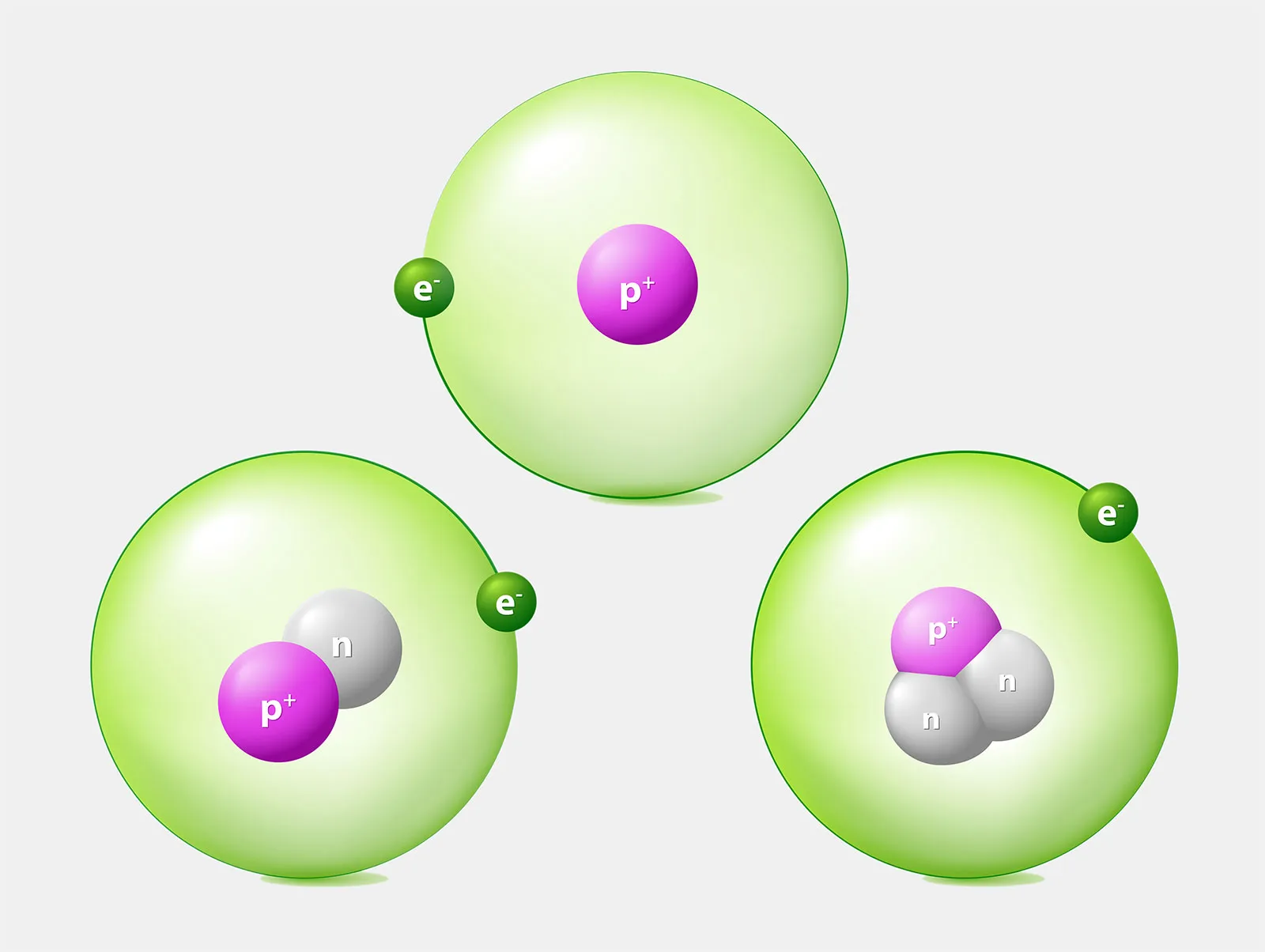
Molecules

Organelles
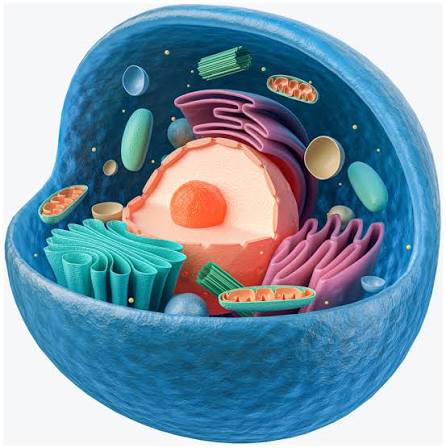
Cells
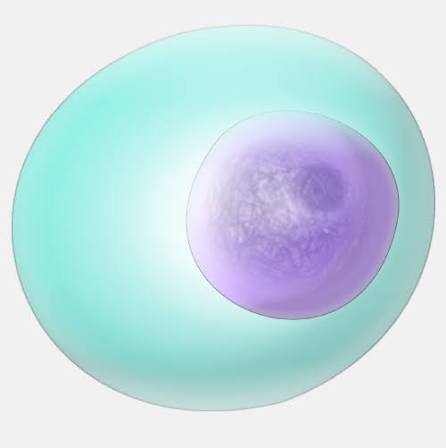
Tissues

Organs

Organ System
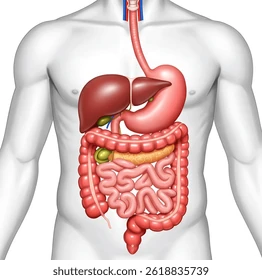
Organism
REQUIREMENTS FOR LIFE
Maintaining Boundaries
Movement
Responsiveness
Digestion
Metabolism
Excretion
Reproduction
Growth
Maintaining Boundaries
Separation between external and internal environments must exist.
Plasma membranes separate cells
Skin separates organism from environment
Movement
Muscular system allows movement
Of body parts (VIA skeletal muscles)
Of substances (VIA cardiac muscle (blood) and smooth muscle (digestion & urination)
Responsiveness
Ability to sense and respond to stimuli
Withdrawal reflex prevents injury
Control of breathing rate
Digestion
Breakdown of digested foodstuff, followed by absorption of simple molecules into the blood.
Metabolism
All chemical reactions that occur in body cells:
Sum of all catabolism (breakdown of molecules) and anabolism (synthesis of molecules)
Excretion
Removal of wastes from metabolism and digestion
Urea (from breakdown of proteins)
Carbon Dioxide (from metabolism)
Feces (Unabsorbed food)
Reproduction
At the cellular level, reproduction involves division of cells for growth or repair.
At the organismal level, reproduction is the production of offspring.
Growth
Increase in size of a body part or of an organism
Integumentary System
Forms the external body covering, and protects tissues from injury. Synthesizes Vitamin D and houses cutaneous receptors and sweat and oil glands.
Skeletal System
Protects and supports body organs, provides a framework the muscles use to cause movement. Blood cells are formed within bones. Bones store minerals.
Muscular System
Allows manipulation of the environment, locomotion, and facial expression. Maintains posture and produces heat.
Nervous System
Fast acting
Responds to internal and external changes by activating appropriate muscles and glands
Endocrine System
Glands secrete hormones that regulate processes such as growth, repoduction, and nutrient use (metabolism) by body cells.
Cardiovascular System
Blood vessels transport blood, which carries oxygen, carbon dioxide, nutrients and wastes.
The heart pumps blood.