gene expression
How is the human genome packed into the nucleus of the cell
human nuclear genome distributed among a set of chromosomes,
amoung eukaryotes, chromosome number does not correlate with genome size or biological features of the organism.
average human chromosome contains around 5 cm of DNA
therefore we require a highly organised packaging system
to understand how genes function and are expressed we must understand this packing system
histone - DNA binding proteins
Chromatine DNA-histone complexes
1973-74
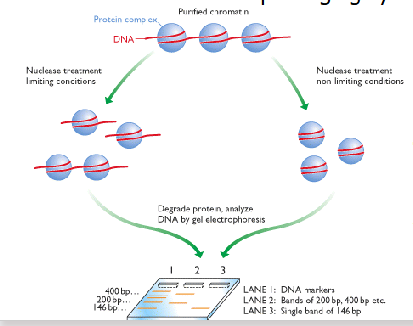
Nucleases protection assays performed on isolated chromatin from nuclei
minited digest = 200pb product (and multiple of)
Complete digest = 146bp product
Results indicate regular positioning of protein on DNA
Beads on a string
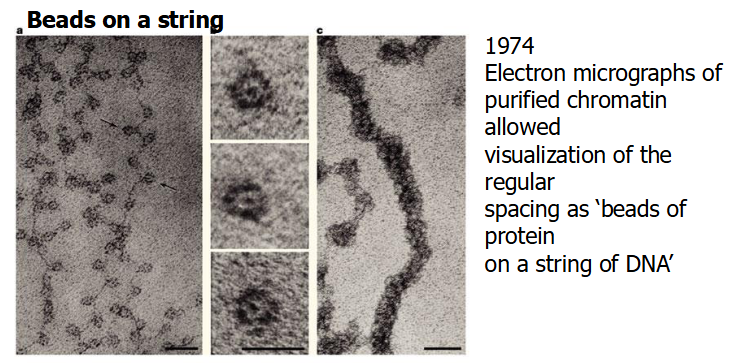
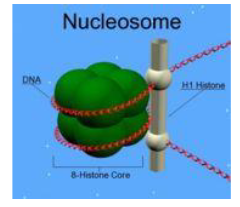
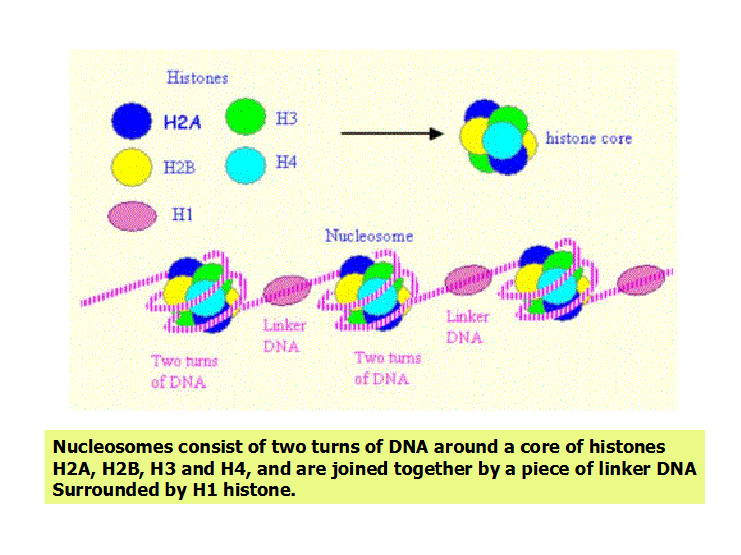
These beads are nucleosomes
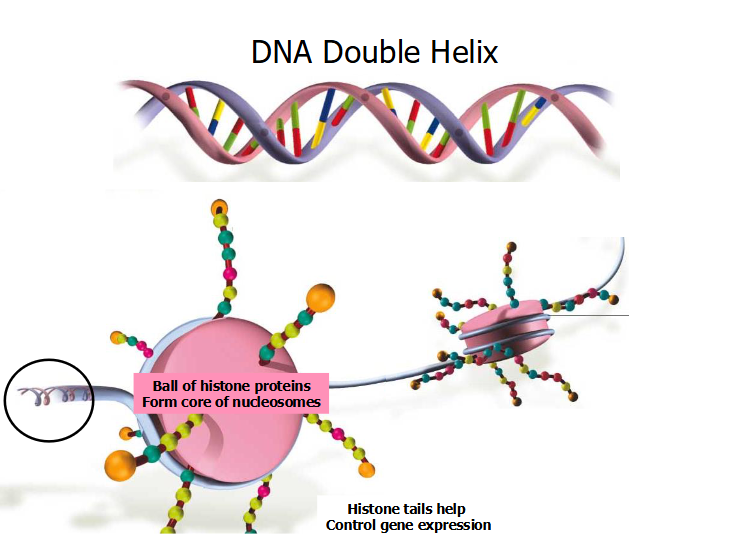
consisting of a core octamer of 8 histone proteins , bound by 2 turns of ~ 146bps of DNA.
The core octamer is anchored by a linker H1 histone and each nucleosome is separated by approx 50-70bps of linker DNA
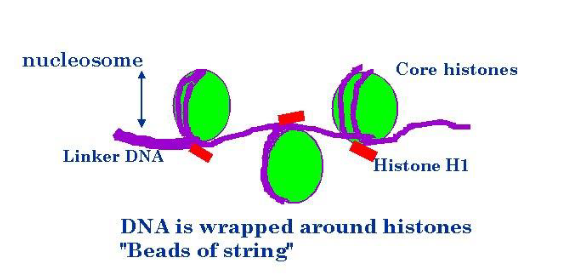
Core histone are H2A, H2B, H3, H4
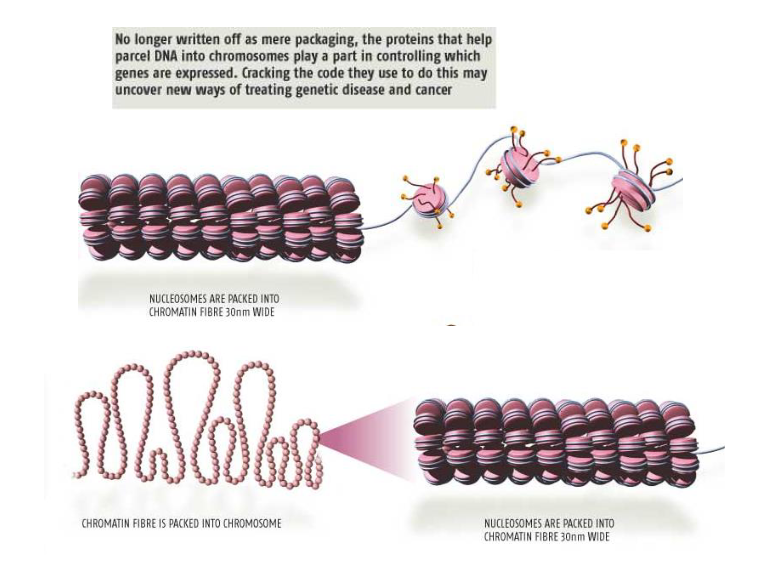
Beads on a sting observation represents an unapacked form of chromatin which occurs only infrequently. more gently cell breakage techniques revealed a more condensed form of chromatine-a 30nM fibre we refer to as a SOLENOID
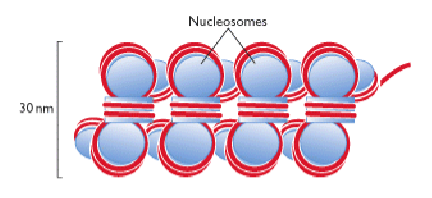
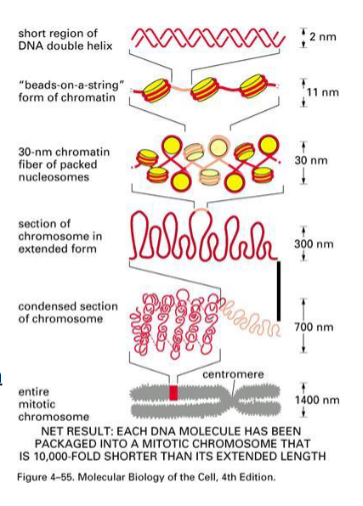
SOLENOID
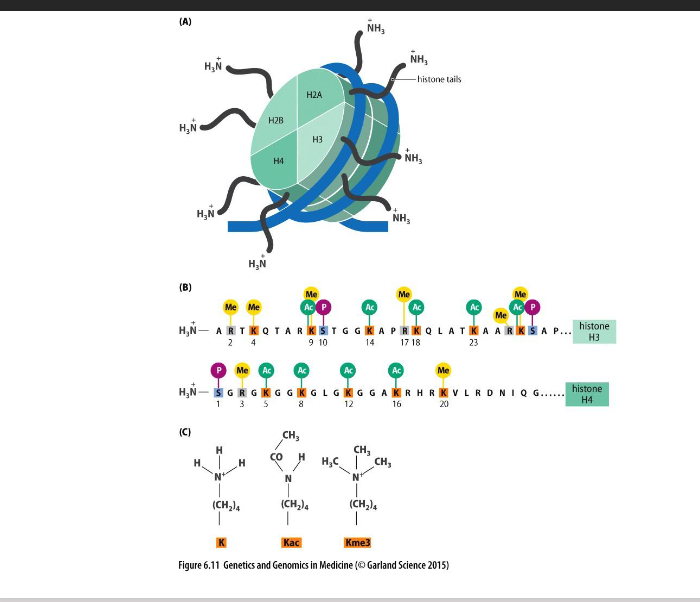
the individuals nucleosomes are held together by interactions between core histones (H4). The protein tails are the histones extend outside the nucelsome and are prone to modification
eg- acetylation which is an important event in dictating control of gene expression
This is the major form of chromatin found in the nucleus between cell divisions (interphase)
After DNA replication, DNA adopts higher order of packaging forming highly ceondensed metaphase chromosomes, which contain 2 copies of the chromosomal DNA held together at the centromere.
What you NEED to know
You should be able to define the major types of regulatory DNA sequence that control gene expression
This will include discussion of what is a gene promoter, enhancer, silencer and insulator
You should be able to discuss the types of protein factors that interact with regulatory DNA. What is their functin and how they contribute to the expression of a gene
important processes to understand include the modification of histone proteins and DNA and their relevance to gene expression
remember the recurring themes of protein-DNA interactions
Basic concepts
every nucleated cell in the body has a genome
gene expression is the process by which a gene is transcribed/ translated into a protein product varies dynamically
Dependent on cell and tissue ttype
stage of development
health and disease
response to medication
By GENES-we will focus on protein coding genes
this is a highly controlled and regulated process
determined by regulatory sequences within DNA that we can think of as “control circuitry”
regulatory RNA species (encoded by specific genes) also play a role
comples mechanisms involving interactions between CIS acting protein
(or RNA) factors and trans DNA regulatory elements
Gene expression
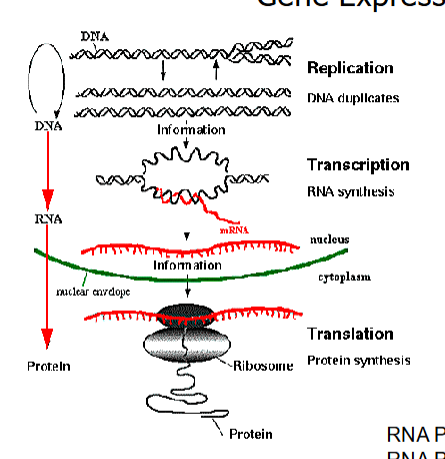
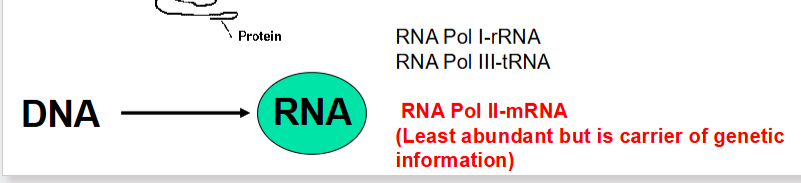
Only a small fraction of DNA in humans is expressed to give a protein product. the vast majority of cellular DNA is never transcribed, the fraction of the genome which represents DNA for protein is rather small
Many “trancription units” are expressed to produce functional RNAs such as tRNA and rRNA
primary transcript subject to RNA processing
central part of mRNA is translated
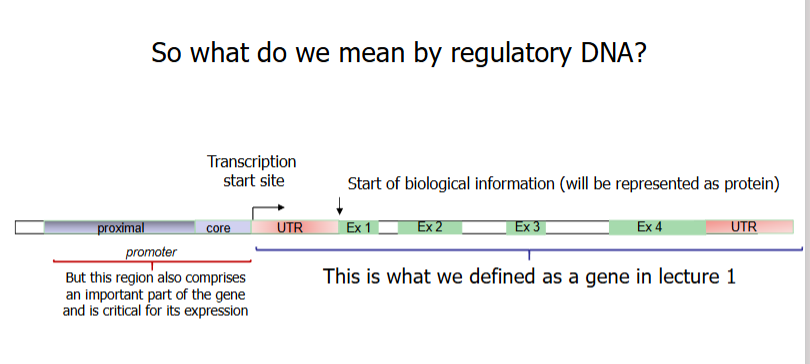
Eukaryotic gene expression
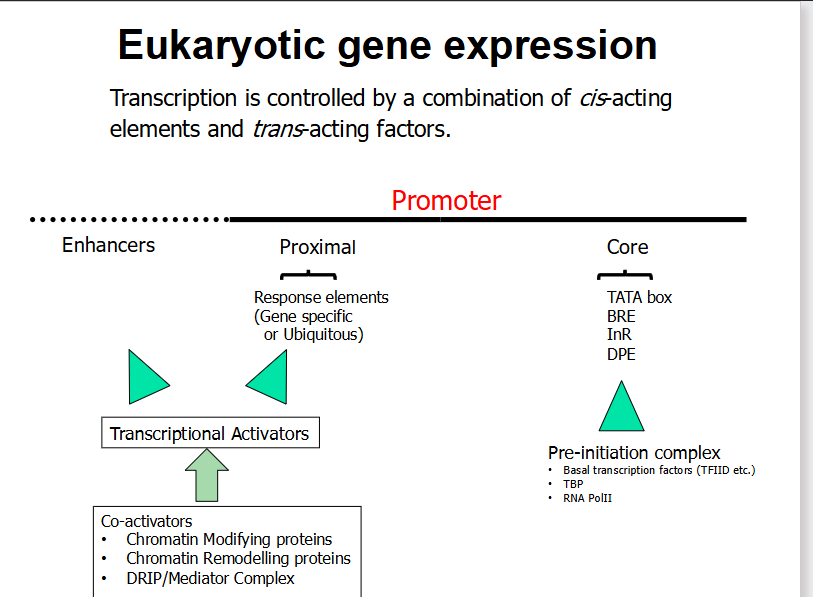
Transcription is controlled by a combination of cis-acting elements and trans factors
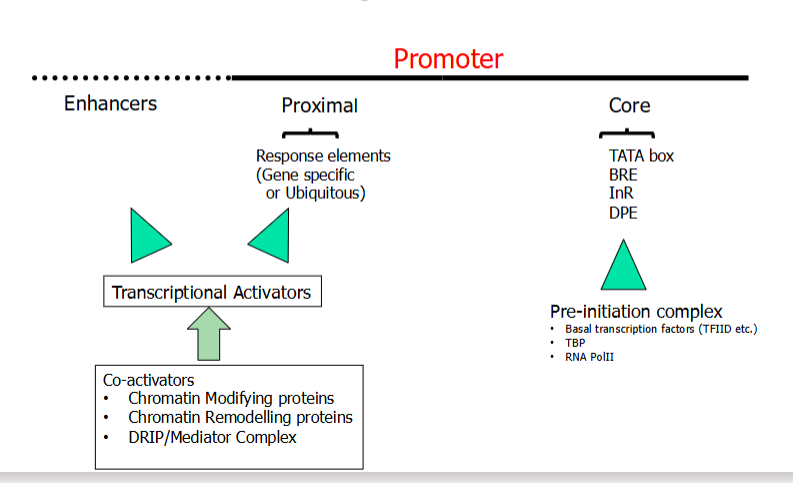
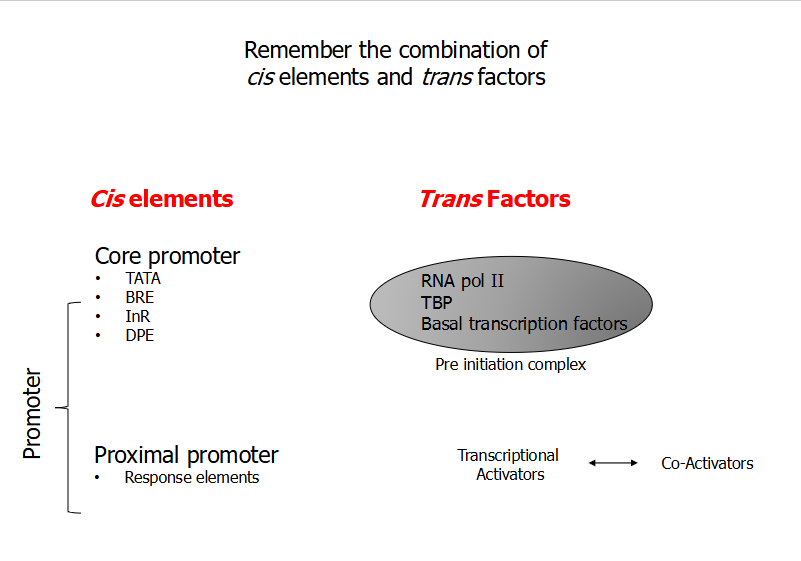
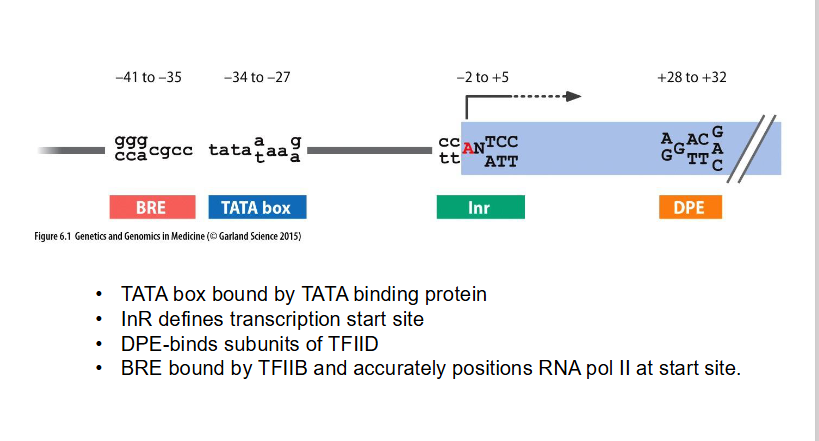
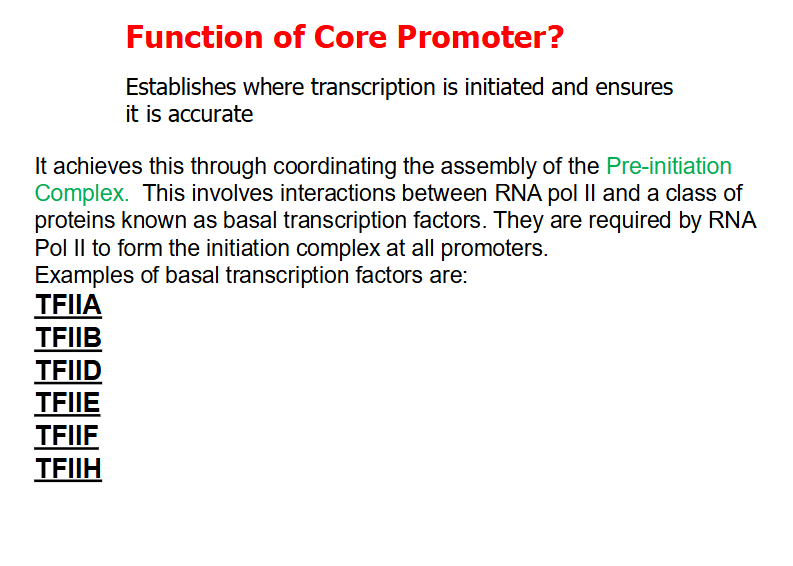
Core promoter
The minimal sequence at which RNA pol II can initiate transcription
IT is the ultimate target of all the factors that are involved in the regulation of transcriptions by RNA Pol II
it is about 40bps long and incuded such elements as BRE, InR and either a TATA box or a DPE
These elements are found in some but not all core promoters
Consensus sequences for some core promoters elements within gene by RNA pol II transcribed
Function of proximal promoter
determines the nature of expression of the gene
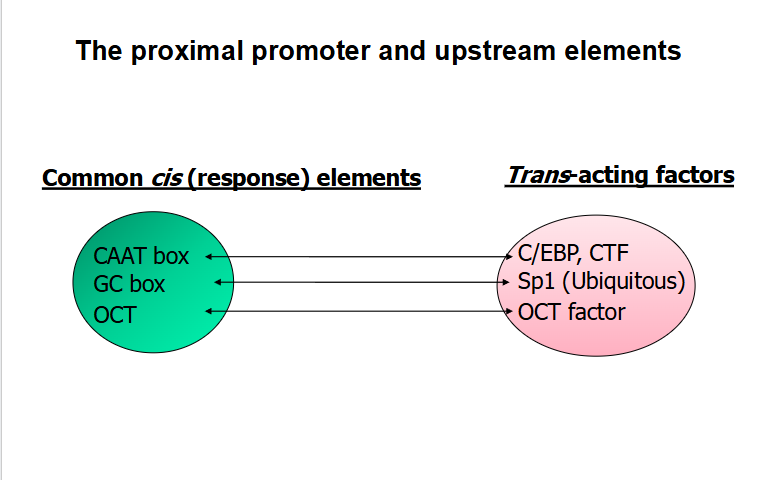
housekeeping genes have upstream (proximal) elements recongnised by UBIQUITOUS activators
genes that are expressed only when required have upstream elements that require activators only available at those times and places
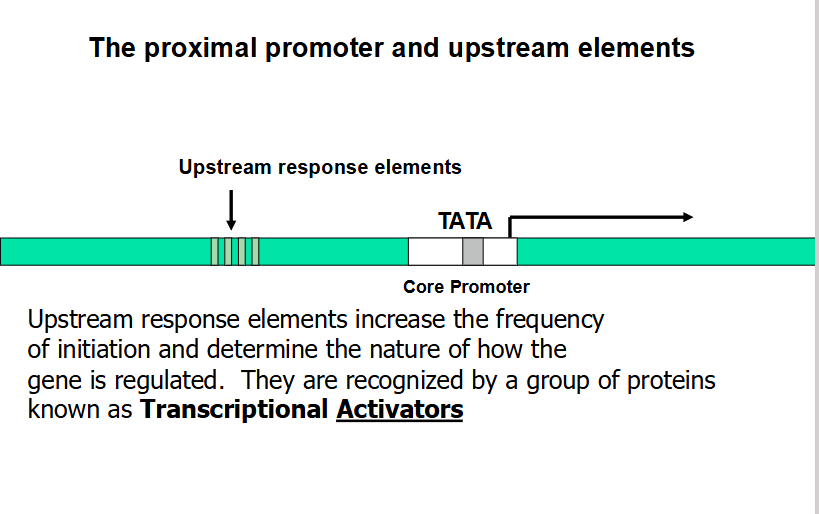
Upstream response elements
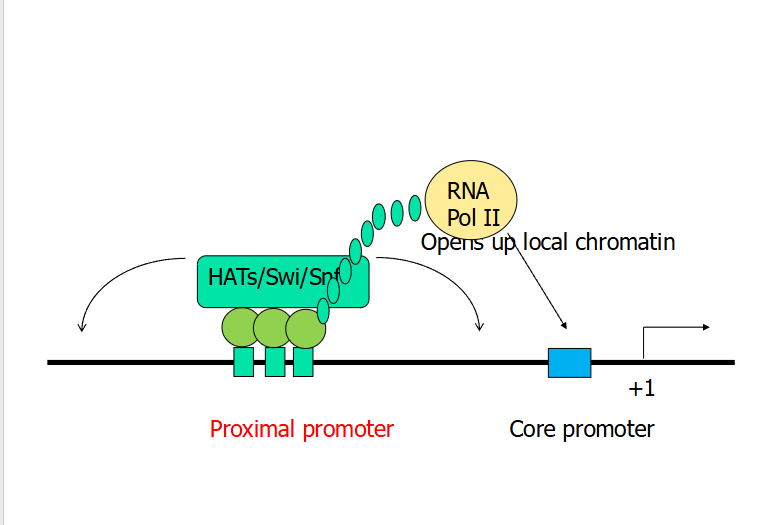
Upstream response elements increase the frequency of initiation through the binding of activators which may influence the formation of the initiation complex
Activators in turn can recuit co-activators which can bridge/link the pre-initiation complex and also which also serve to modulate chromatin structure
Examples of co-activators
chromatin modifying complexes
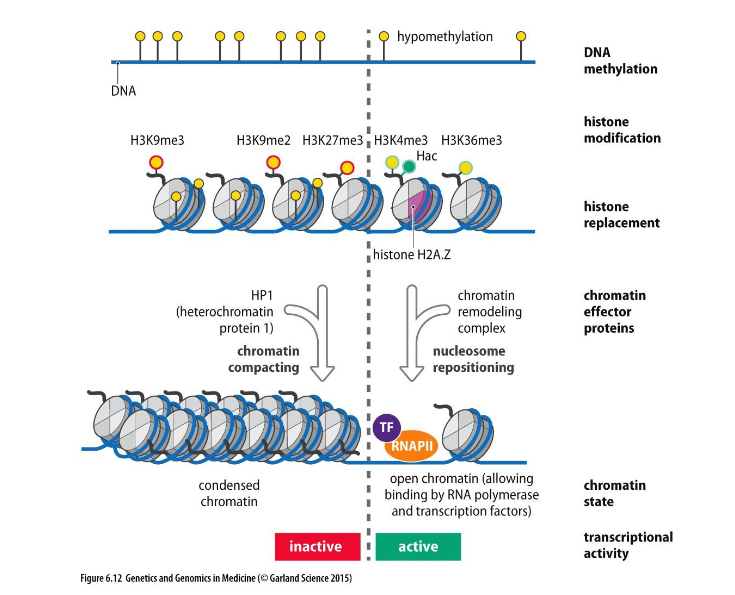
-amino terminal ends of histones are acetylated, phosphorylated, or methylated
acetylated histones interact with DNA more loosely. DNA complex is less rigid and more easily dissociated
examples are HATs (histones acetylases)
If the histone tails are underacetylated-histone tails wrap around the DNA tightly-transcriptional silent. These are HDACs (Histone Deacetylases)
Chromatin remodelling complexes
SWI/SNI complexes use ATP-derived energy to disrupt DNA-protein interactions
Mediator complex
large multisubunit complex which interacts with Pol II
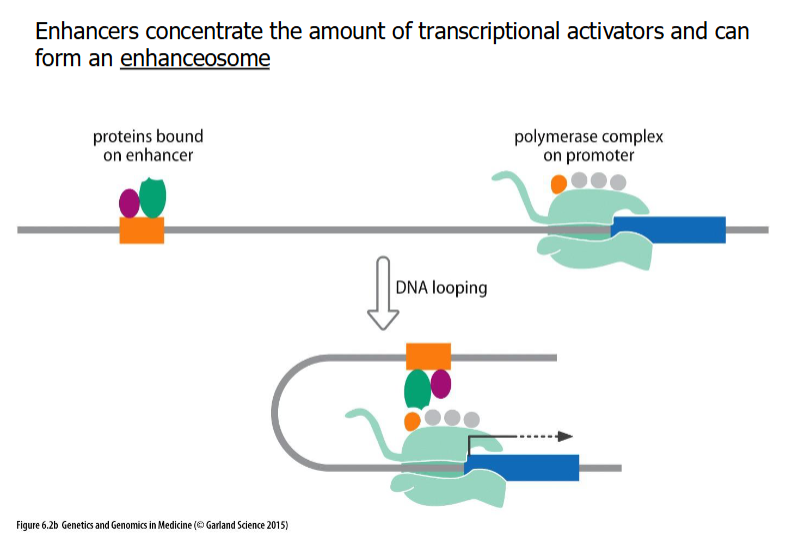
Enhancers
significantly increase the transcription of specific genes. Unlike promoters, they can be situated far from the gene, they influence, sometimes thousands of base pairs away.
working by serving as binding sites for transcription factors, to help initiate and regulate the transcription process, boosting the production of mRNA and, consequently, protein.
they are highly dynamic and versatile and can operate in a tissue specific manner, meaning they activate gene expression only in certain cell types or under certain conditions.
This ensures that genes are expressed at the correct developmental stages, or in response to environmental signals.
enhancers can interact with multiple promoters, allowing them to coordinate the expression of different genes simultaneously, thereby orchestrating complex biological processes.
Silencers
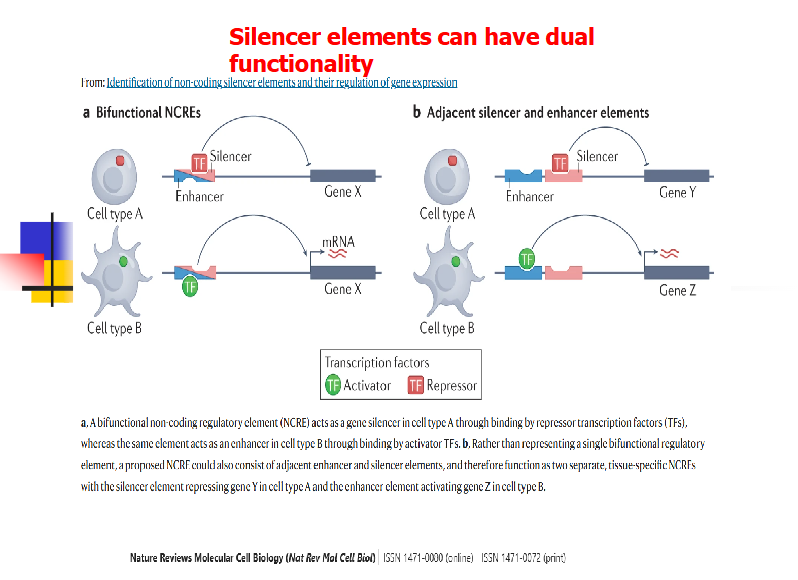
In contract to enhancers, silencers are DNA elements that repress gene transcription
inhibit the assembly of the transcrption complex at the promoter, thereby reducing the production of mRNA
Can also exert their effects from a distance, although they are often located closer to the genes they regulate
Play a vital role in maintaining cellular identity and function by preventing inappropriate gene expression, ensure genes necessary for liver function are not activated in muscle cells
also involved in developmental processes, helping to turn off genes that are no longer needed as an organism progresses through various stages of growth
Interplay between enhancers and silencers
gene expression is a finely balanced between the activities of enhancers and silencers
this allows cells to respond to internal cues and external stimuli, adapting to changes in their environment, the modulation of this balance can lead to significant biological outcomes. for example, during embryonic development, enhancers and silencers work together to control the timing and location of gene exppression, guiding formation of tissues and organs
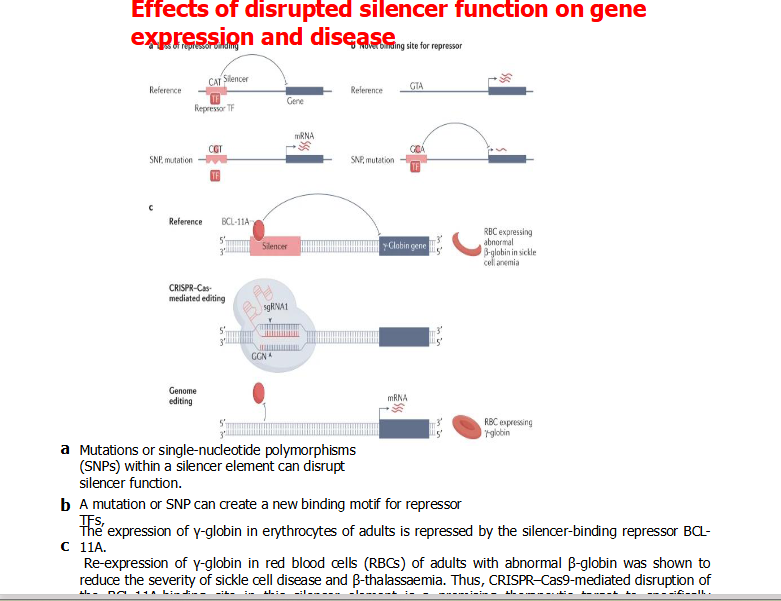
Moreover, disruptions in enhancer or silencer function can lead to diseases, mutations or alterations in these elements have been implicated in various disorders, including cancer. Aberrant enhancer activity can lead to the overexpression of oncogenes while dysfunctional silencers may fail to properly repress genes that promote cell proliferation or survival
Objectives
you should already be familiar with the steps and process involved in the basic regulation of gene transcription
you should know the role of the promoter understand what is meant by the terms such as pre-initiation complex, response elements, transcriptional activators
you should be able to apply some of that knowledge to discuss
-how gene expression can be regulated by stimuli such as nutrients or endocrine factors
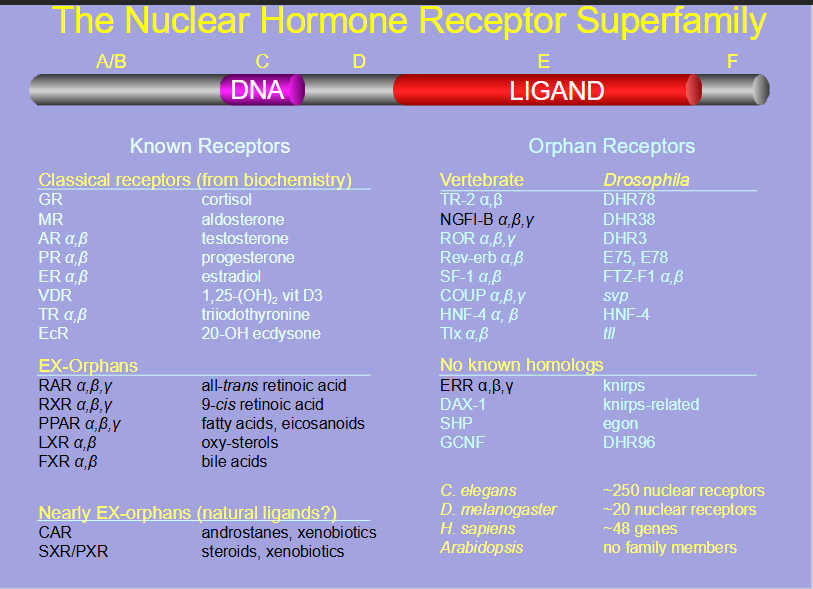
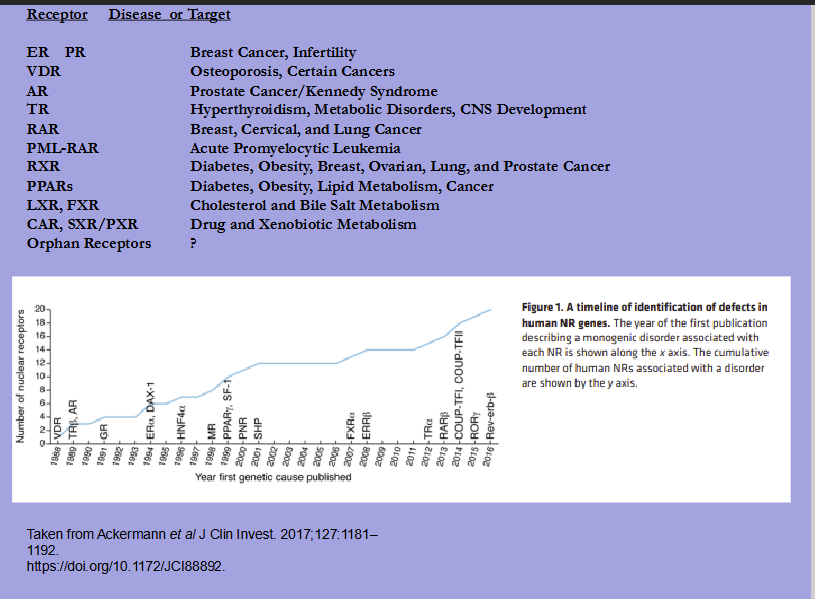
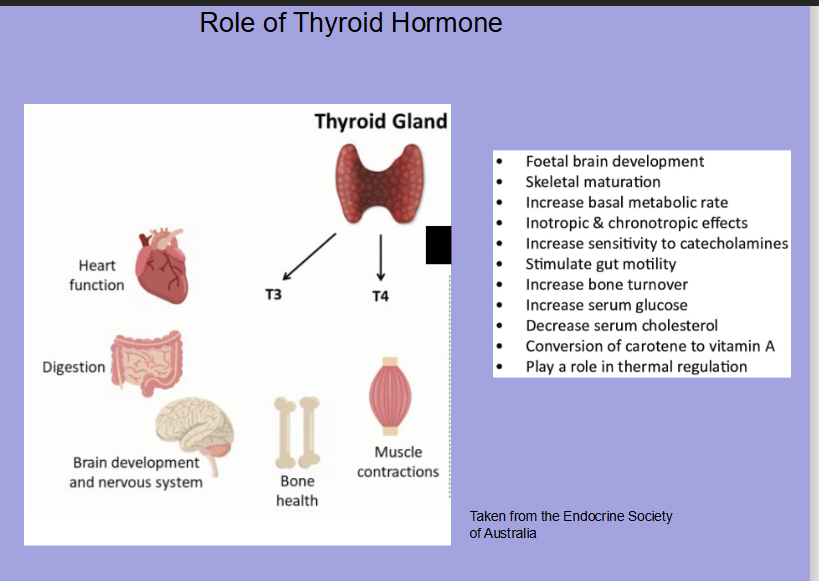
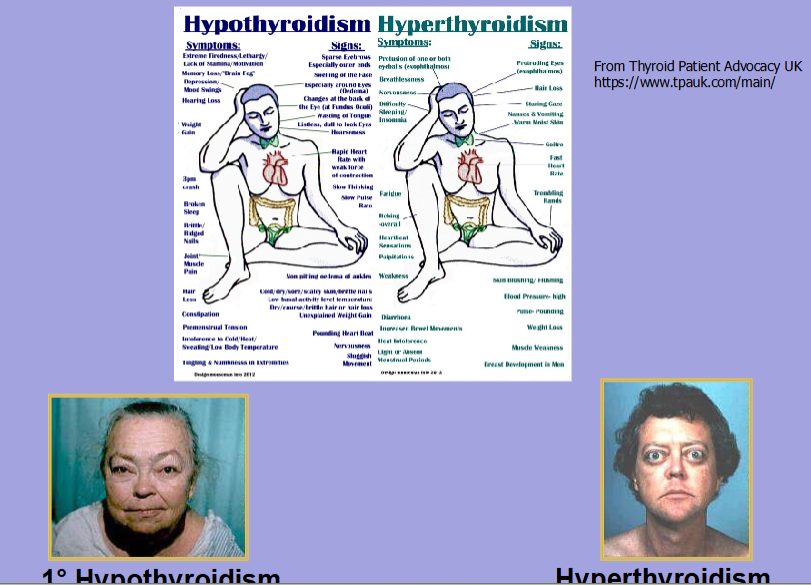
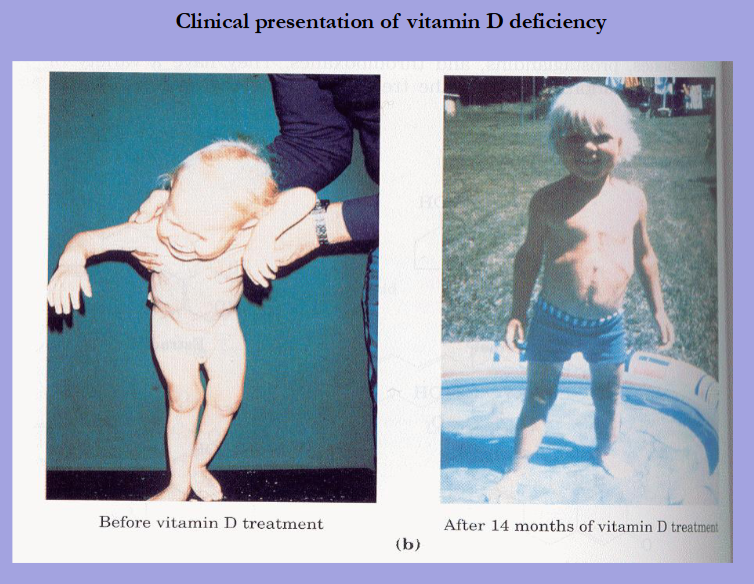
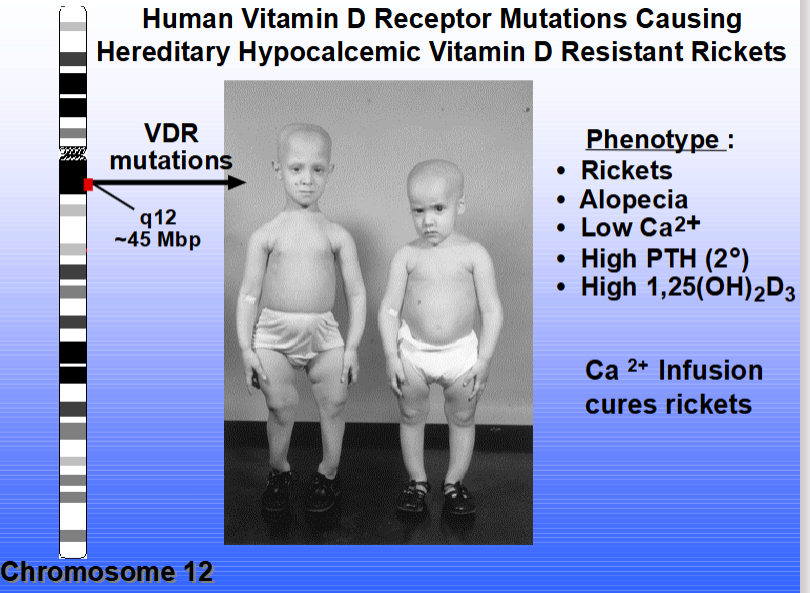
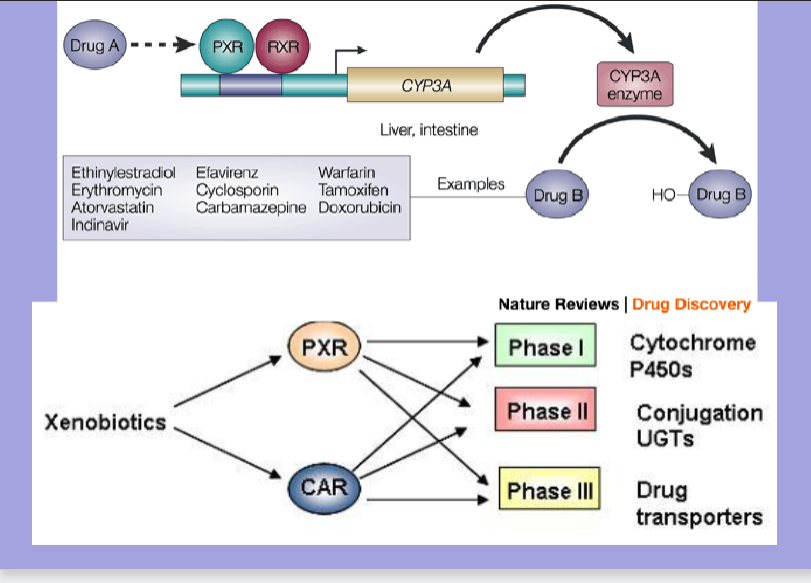
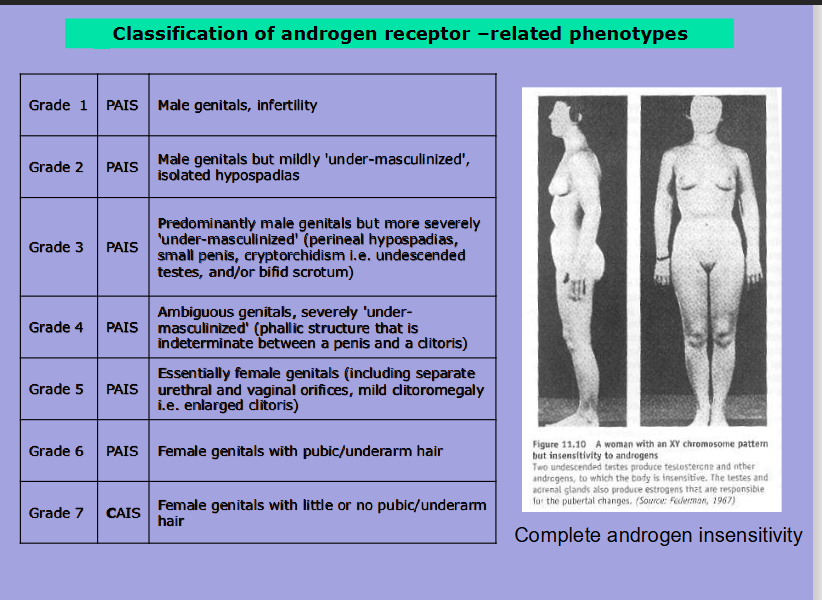
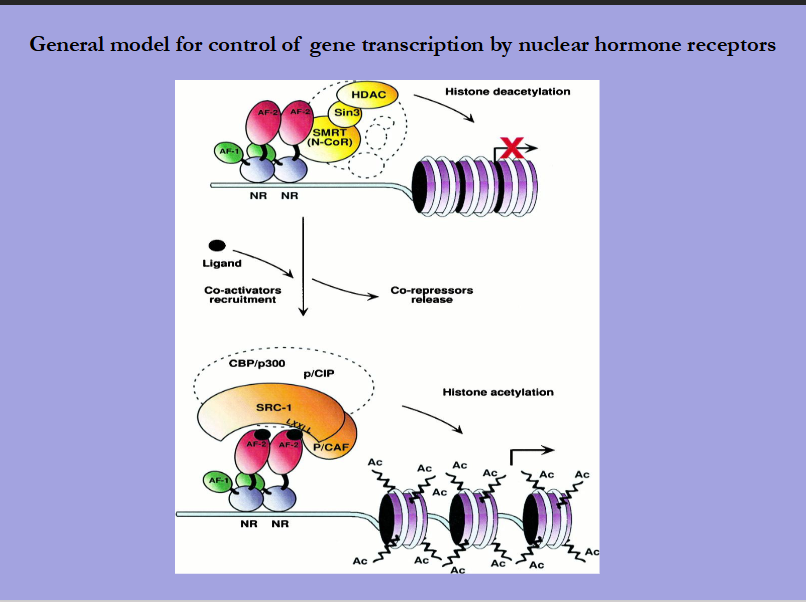
in this section of the lecture we will focus on the examples of nuclear hormone receptors as mediators of regulated gene transcription
you should be able to debate and discuss how NRs and NR-mediated activity represent targets for drug development and therapeutic regimes
Nuclear hormone receptors

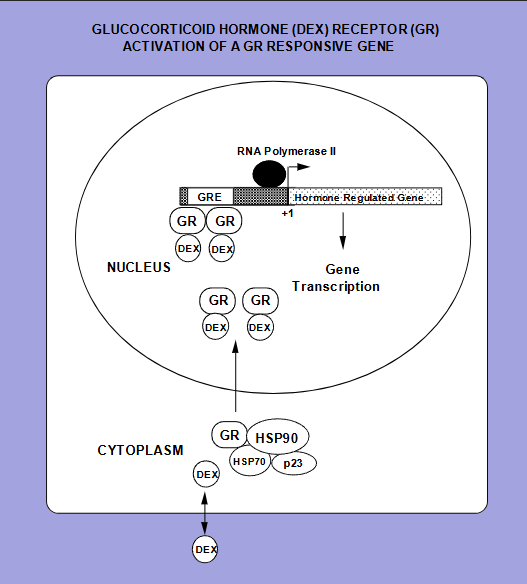
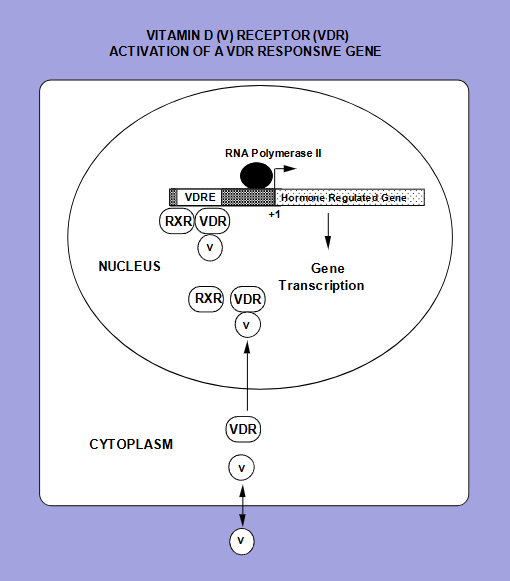
-Bind to specific DNA targets- hormone response elements
-Most activate transcription upon ligand binding
-ligands are small lipophilic molecules that freely enter cells
diffuse from source
penetrate to a target
-typically respond to low levels of hormone ~3ppb (10-8M)
regulation of levels
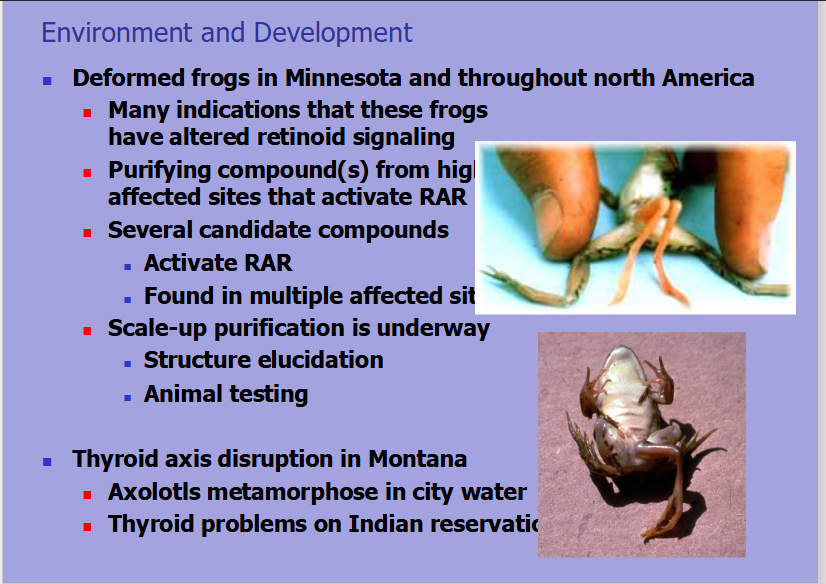
environmental agents
Breast cancer
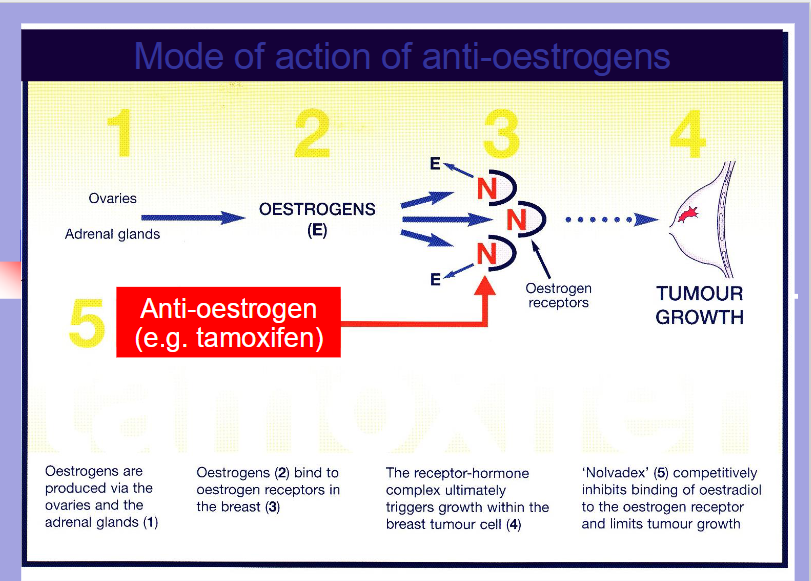
Estradiol stimulates growth and prevents apoptosis in ER+ breast cancer
Blocking effects of estrogen
block estrogen prodution
- aromatase inhibitors
selectively modulate estrogen effects
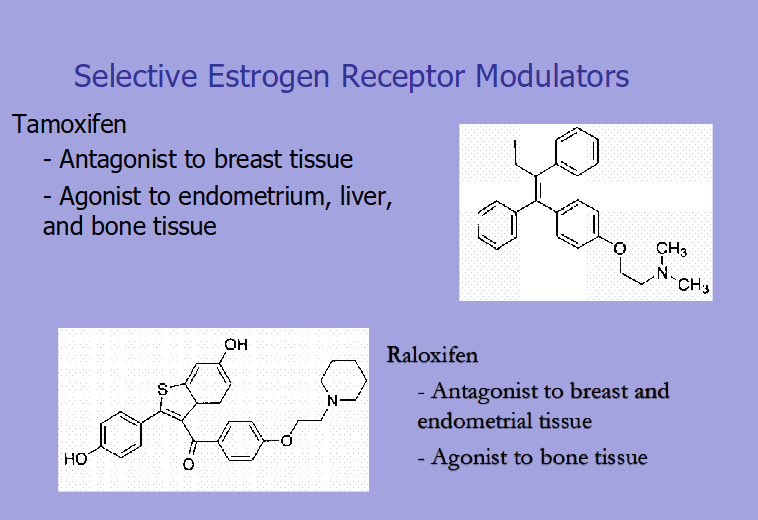
SERMs (tamoxifen)
Bind and downregulate estrogen receptors
fulvestrant
Tamoxifen
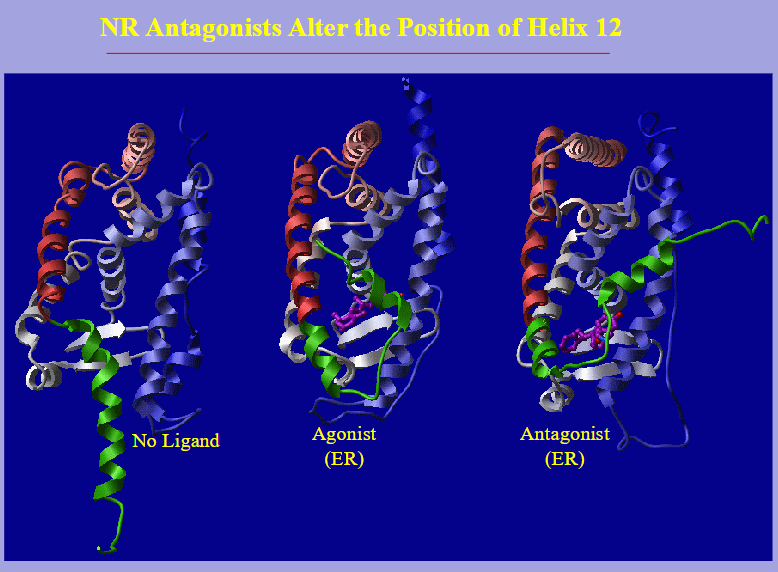
Selective estrogen receptors modulator (SERM)
binds ER with high affinity
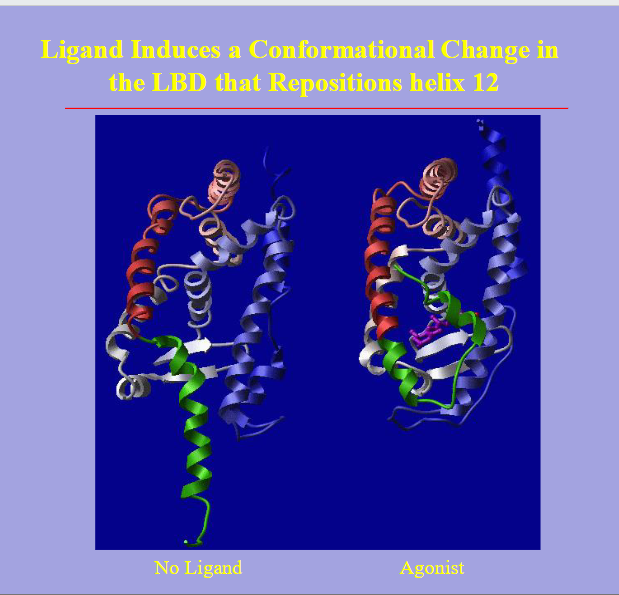
ER then undergoes a conformational change that is different from the change after estrogen binding
changes the way ER interacts with coactivators and corepressors
binds DNA, but get altered gene transcription
Tissue-specific pattern of interaction with coactivators and corepressors
promotes bone mineralisation, endomatrial proliferation (acts as agonist)