BSC226: Early Vascular Plants,Lycopods, and ferns
Development of Vascular Plants
During the Plaeozoic Era:
Silurian Period: vascular plants appear in the fossil record
Carboniferous: Dominated by land plants, mostly lycopods
First land plats reassembled bryophytes
Horneophyton: conducting cells with lignin as in the true vascular plants
Cooksonia: oldest fossil of land plants
Dated to the Silurian period
Some general definitions
Primary growth: the growth that occurs relatively close to the tips of roots and stems
Initiated by apical meristems and involved with the extension of the plant body
Secondary growth: additional growth that thickens the stem and root caused by activity in lateral meristems
Vascular tissue system: conductive tissues such as the xylem and phloem embedded in the ground tissue system.
Traceary elements: conducting cells of the xylem with distinctive lignified wall thickenings
Tracheids: only type of water conducting cells in most vascular plants, other than angiosperms and gnetophytes
Primitive
Vessel elements: principal water-conducting cells in angiosperms
Evolved independently in several groups of vascular plants due to convergent evolution
Sieve elements conducting cells of the phloem with soft walls
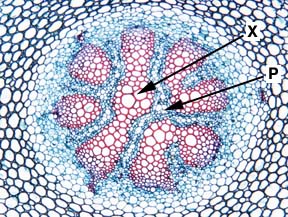
Protostelic: a simple primitive arrangement of conductive tissue ins stems and roots, consisting of a solid cylinder of xylem surrounded by phloem
Phylum Lycopodiophyta
Includes the Families Lycopodiacee, Selaginellaceae, and Isoetaceae
Dominated during the Late Devonian to the Carboniferous period
General Characteristics:
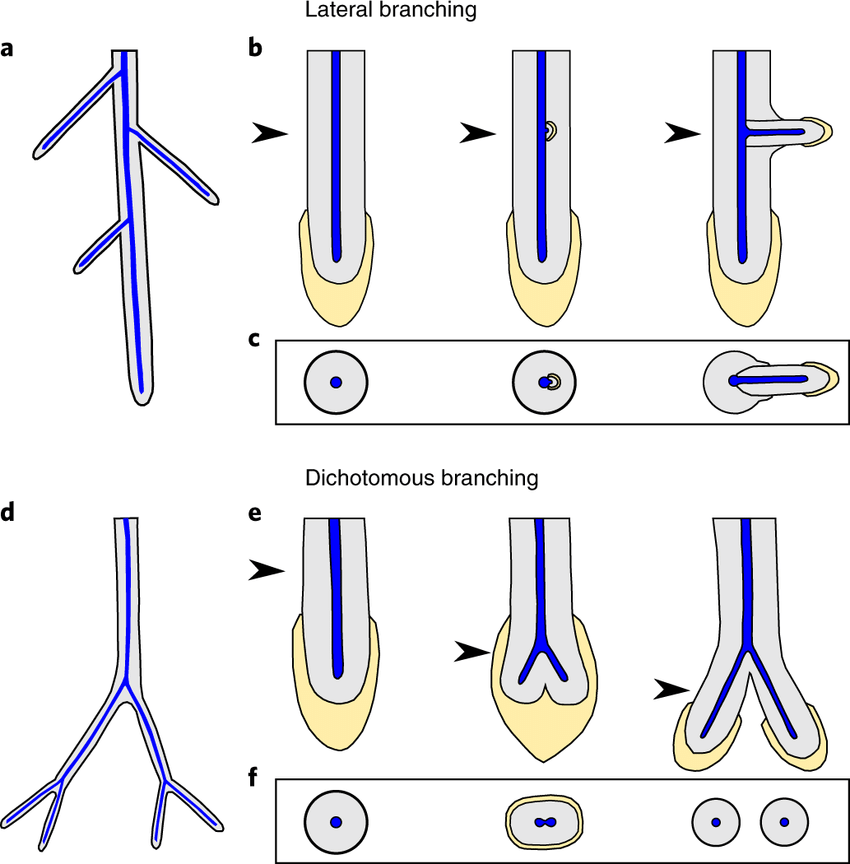
Vascular Plants with a sporophyte that dichotomous branching
Dichotomous branching: the division or forking of an axis into TWO branches
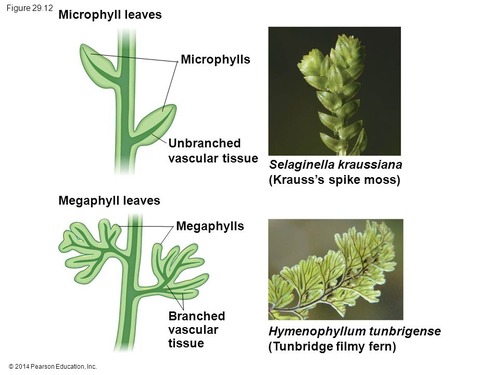
Microphylls: leaves with a small vascular bundle
A SINGLE strand of vascular tissues
Vascular tissue in the center of the stem
Sporangia in the axils(on top) of microphylls
Biflagellate/multiflagellate
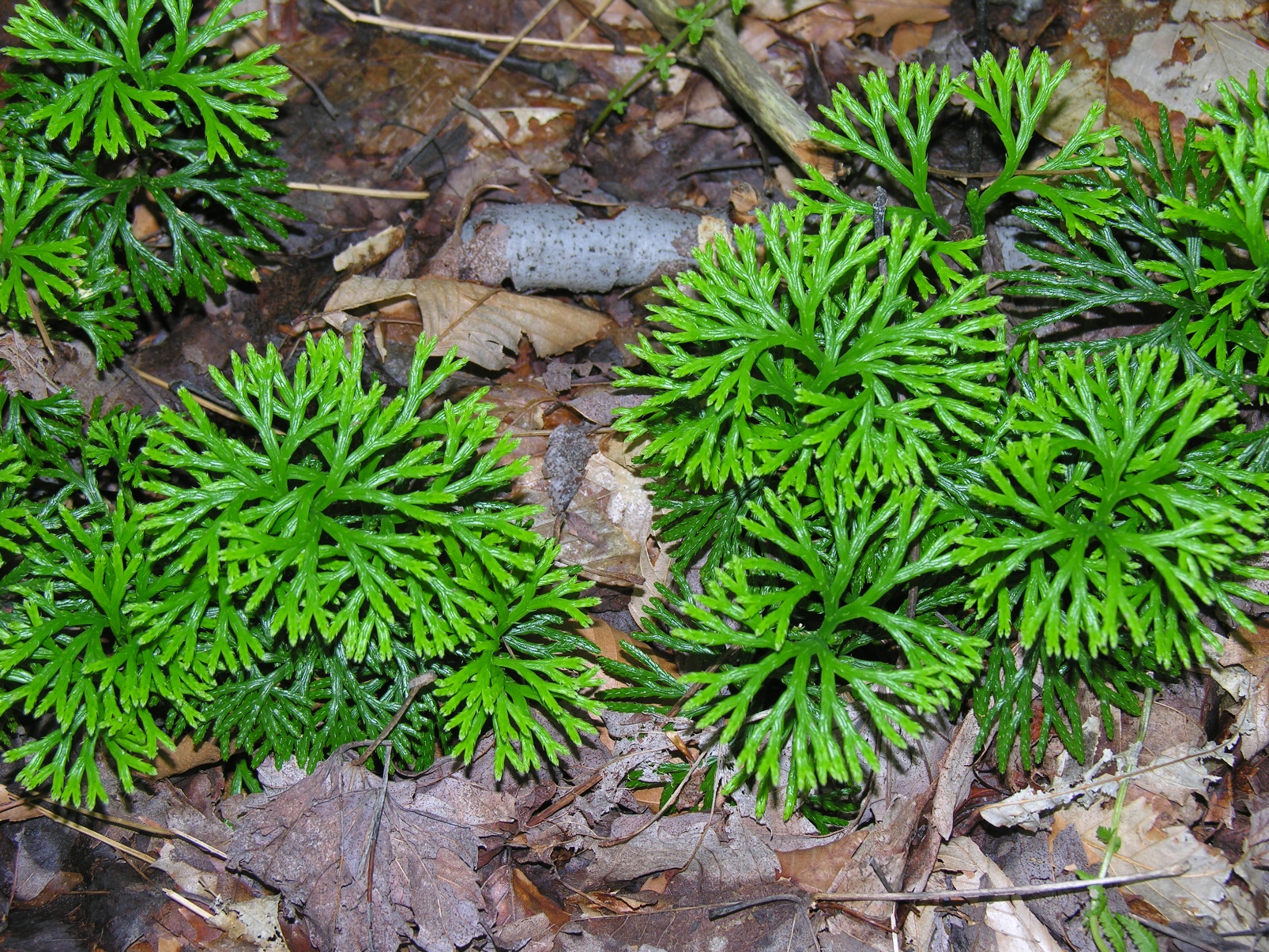
Family Lycopodiaceae
HOMOSPOROUS LYCOPODS
One kind of spore is produced
Club mosses
Identical vascular tissue in the microphylls and the stem
Sporophyte Morpholgoy :
Branching rhizome from which aerial branches and roots arise
Stems and roots are protostelic
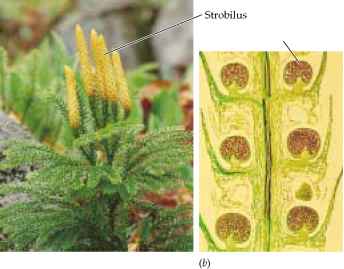
Occur singly on the upper surface of a fertile microphyll: Sproophylls
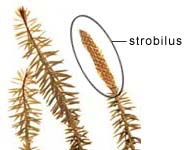
Nonphotosynthetic sporophylls-> Grouped into STROBILI: cones at aerial branches
Gametophyte Morphology
Mostly nonphotosynthetic
At the bottom of the plant, usually coupled wth the root system
Reproduction:
One type of spore
Water is required for fertilization
Biflagellated sperm swim through the water to the archegonium \
Life cycle:
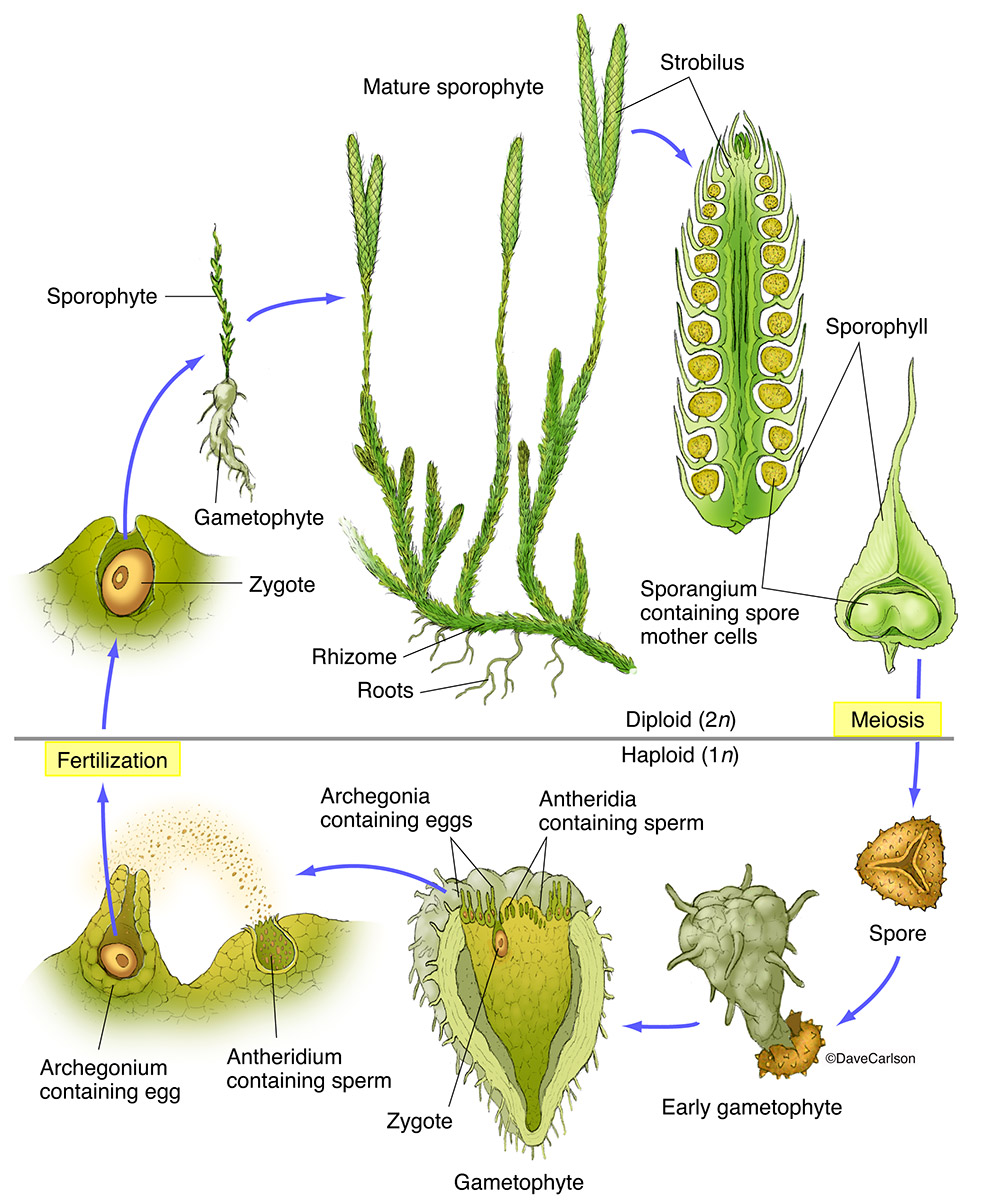
Germination-> spores give rise to bisexual gametophytes-> development of archegonia and antheridia in a gametophyte->fertilization_> dzygote develops into sporophyte while it grows in the archegonium-> produce a series of sporophytes-
>
FAMILY SELGANIELLACEA
HETEROSPOROUS LYCOPODS 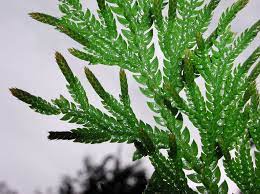
Contain two types of spores and sporangia
Spike mosses
Largest lycopod family
Erect or creeping form
Leaves helically arranged and equally sized
Or DORSIVENTRAL Leaf arraignment
Dichotomous branching
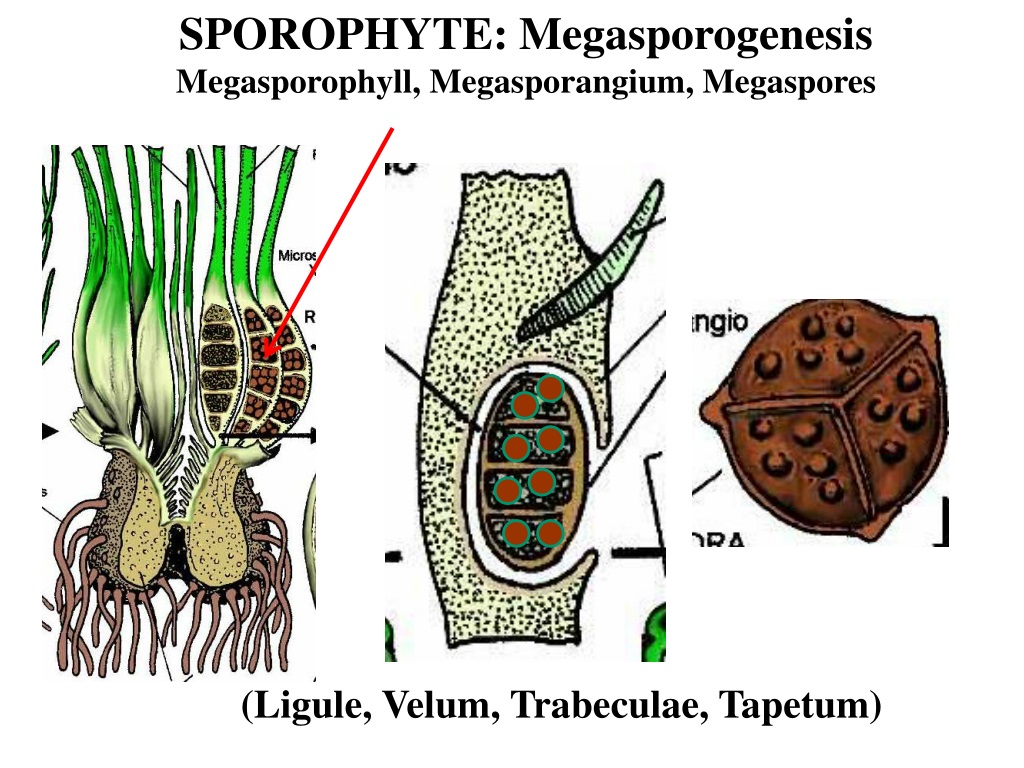
Ligule: specialized basal cell
Scale-like outgrowth near the base of the upper surface of each microphyll and sporophyll (unkown usage)
Stem and roots are protosteltic
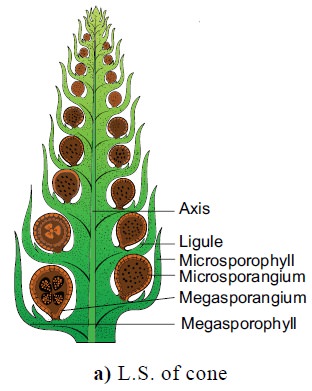
Reproduction
Heterosporous: produce 2 types of sporangia in strobili
Sporangia is always in cones/strobili (different than lycopodieace)
Each sporophyll bears a single sporangium in its supper surface
FEMALE MEGASPORANGIUM: produces female megaspores
Produces an average of 4 megaspores inside the sporophyll
Gametes are thrown to the ground to be fertilized
Development:
The Megaspore wall will rupture, and the gametophyte products, through the rupture to the outside
Archegonia develops
MALE MICROSPORANGIUM: produces male microspores
Lack chlorophyll
At maturity: consists of a single vegetative cell and antheridium; microspore will rupture to release sperm
Both kinds of sporangium occur in the same strobilus
Life Cycle
Water is required for the sperm to swim to archegonia
One sporophyte(2n)-> two sporgania in strobolis (mega spore and microspore)-> mega spore is plopped on the ground and develops root like structure to become a mature gametophyte through mitosis (rupturing of megaspore wall)
Miscrospore: male gametophyte resides in spore-> sperm is produced through mitosis
Gametophytes are endospore: development of the gametophyte occurs within cell wal
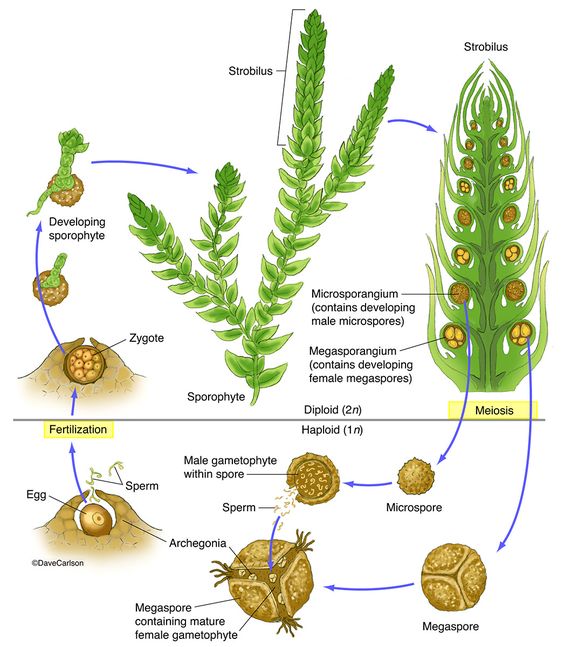
Differences between Lycopodicease and Selaginellace
Lycopidceace: homosporous, Selaginellace is heterosporous
All sporgangia in selagienllace is kept in cones
FAMILY ISOETACEAE
HETEROSPOROUS LYCOPODS
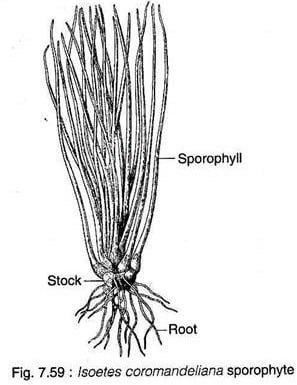
Quill worts
Usually recongized as a single genus
Mostly occur in aquatic enviromentals
Difficult to recognize:
Look like vegetative grasses or suhes
Hybridization and polyploidy are rampant
General structure:
Corm: Short Compact underground Stem
Upper stems: covered in clusters ot long quill-like microphylls w/ overlapping bases
Lower stem: 2 lobed, roots grow from grooves
Branch dichotomously
Root contains large air cavity
Leaves divided into 4 air chambers-> no stomata
Contains a ligule
CAM (Crassulacean Acid Metablism) photosynthesis: they take up CO@ from subtrae and join it with PEP to from acids
Sporophyte Morphology:
On the base of leaves
Each leaf below a sporophyll has a ligule (like Selaginella)
Reproduction
Sperm have many flagella
Similar reproduction to Selaginellaecea
Phylum Equiseophyta
HOMOSPOROUS PHYLUM
Horsetails
Appeared during the upper Devonian
General Morphology:
Silicia in or on the epidermis
Contain limited amounts of Ligmin in the cell wall
Stem= exhibits monopodial branching
Monopodial branching: a single major axis is present, not dichotomously branched
Each node was a whorl (ring) of small microphones that alternative with branches
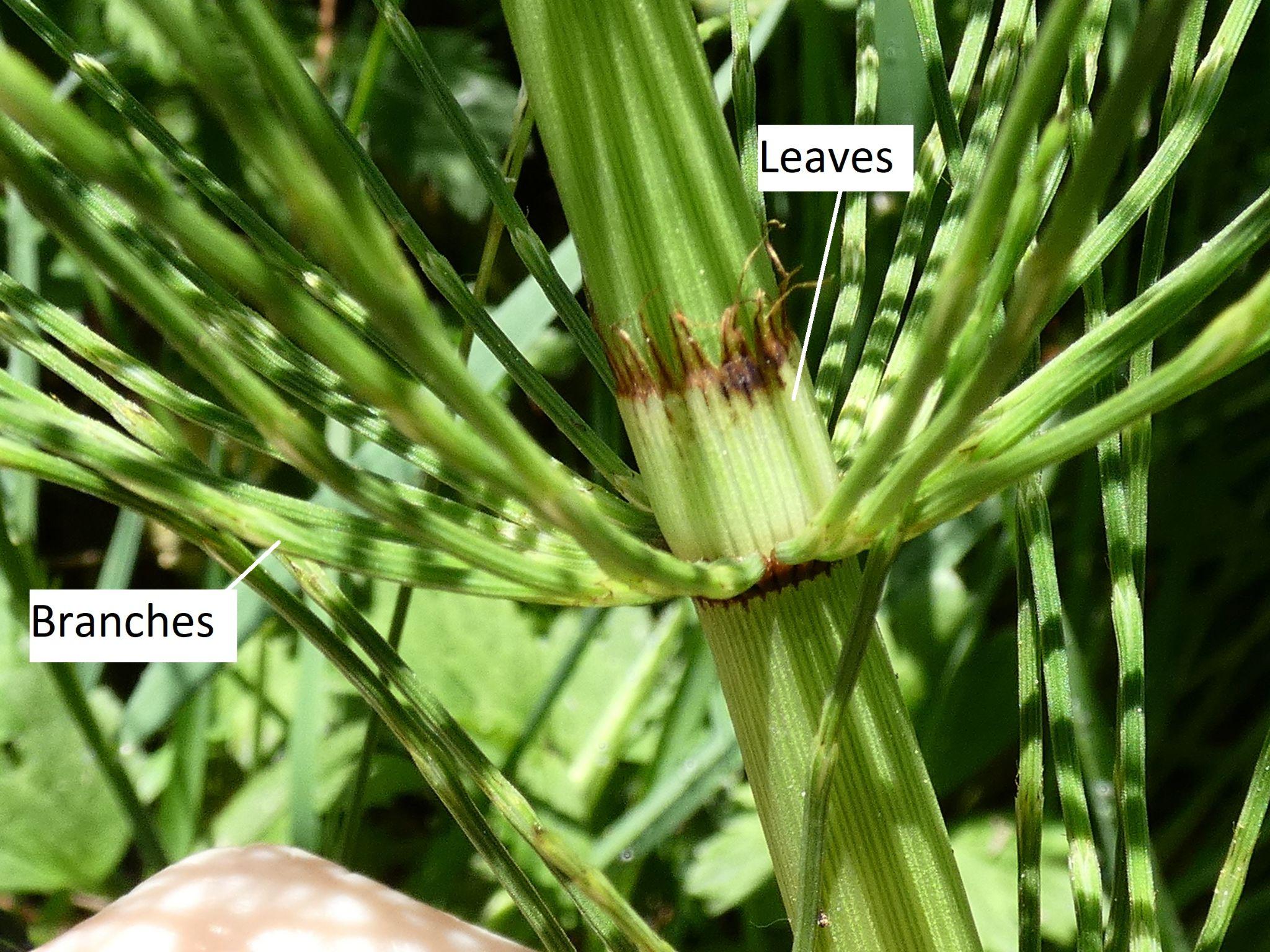
Microphylls Contain one vascular tissue
Divided into obvious photoynthetic segments
Ribbed
Stomata are in the furrows
Spores have, Elasters: coiled bands that flap around when dry to assist with dehiscence
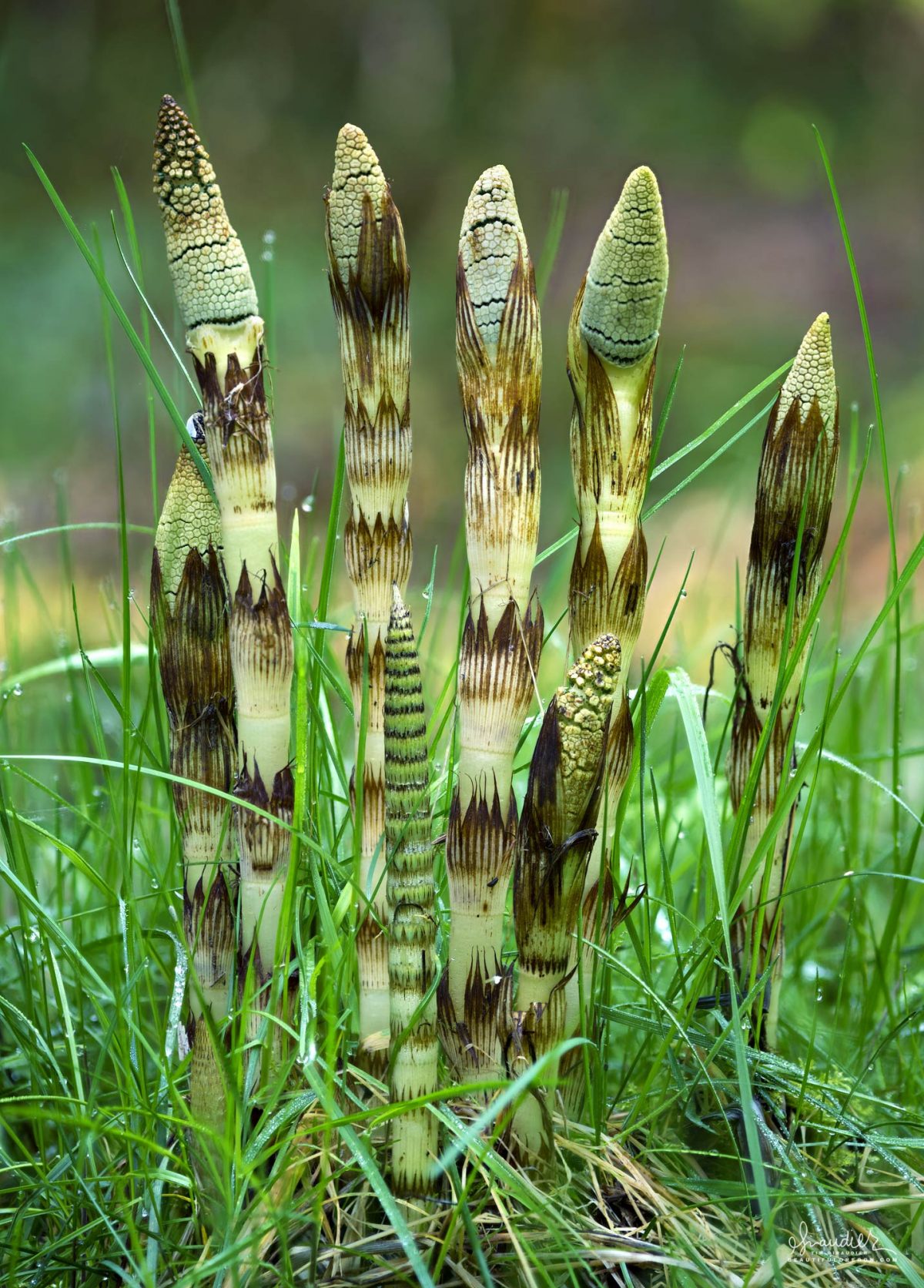
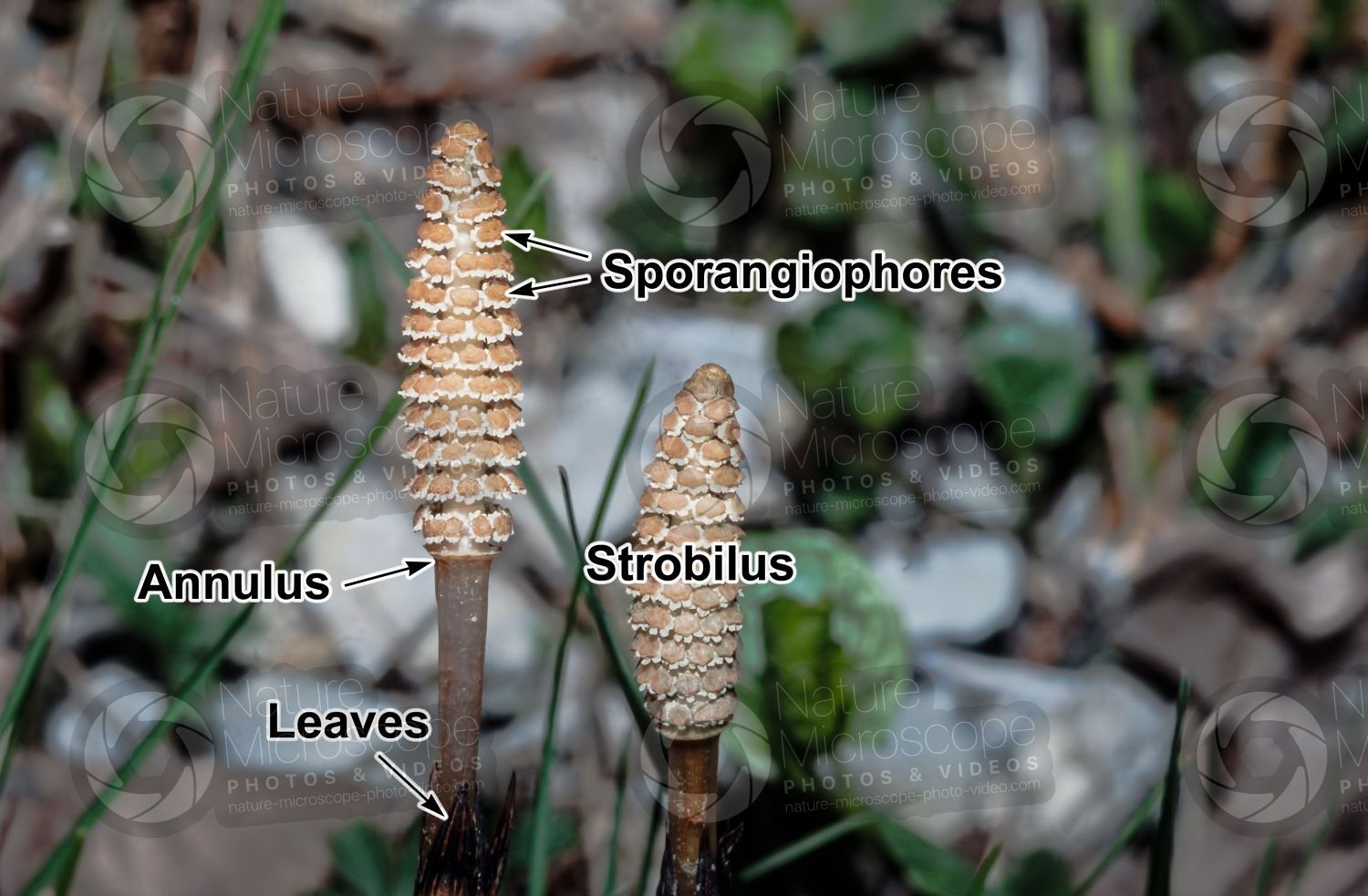
Strobili: on top of the stem, with sporgangia in the cones onto the lower surface of peltate sporangiophores
Ring of vascular tissue in the stem
Exhibits shoot dimorphism:
Non-photosynthetic reproduction shoot
Green-photosynthetic vegetative shoot
Reproduction, Sporophyte, and Gametophyte
Sporangiophores: located on the strobilus,
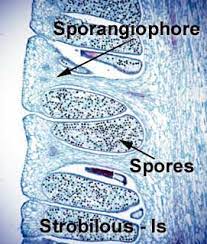
Sporangiophores: stalked sporangium
Strobilius:- n top of the stem, with sporgangia in the cones onto the lower surface of peltate sporangiophores
Peltate: umbrella-shaped segments
Gametophyte: located at the original of the sporophyte
Dioecious: male and female gametophytes separate
Sperm: 120 flagellum
Phylum Pteriophyta
HOMOSPOROUS GAMETOPHYTES
Often called “true” ferns
General Morphology:
Megapylls: leaves that have a complex, branched venation system and that leave a leaf gap n the stem vascular system
Fronds: leaves that consist of a divided blade and petiole
Compound: one leaf is divided into little leaflets (called Pinnae)
Circinate vernation: leaves unroll in development
Aerial Upright stems or rhizomes
rhizomes underground horizontal stems
When rhizomatous, only leaves are obvious
Leaves may be dichotomous or reticulate (or a combo of both)
Leaves have chloroplasts in the epidermis
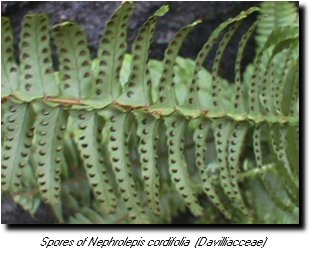
Sori: compact groups of sporangia found on the abaxial (underside) of leaves
Sometimes restricted to fertile leaves, or certain parts
Shape= taxonomic feature
Indusium: protecting covering of sori
False indusium: a false covering that is caused by a reflexed leaf margin
Vasculature
Vascular tissue on the middle of the stem
Leave differentiate: circle
Xylem
Reproduction:
Gametophyte: one homosporous structure
Light and moisture needed for the most spore germination
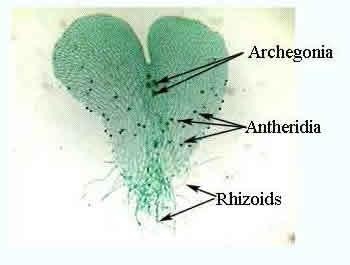
Gamagnia on the lower (ventral) surface
Sperm are multiflagellated
Archegonium and Antheridia re contained in a PROTHALLUS