23-aquatic and estuaries
Case studies – Mangroves & Salt Marshes
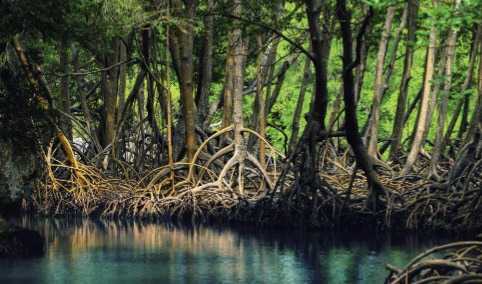
Mangroves – between land & sea
• associations of halophytic (salt-tolerant) trees, shrubs or other plants growing in brackish or saline water
• found on tropical and subtropical coastlines
• inundated daily by sea water
• limited by frost
• highly productive
• important habitat for many terrestrial, estuarine, and marine animals – nursery function!
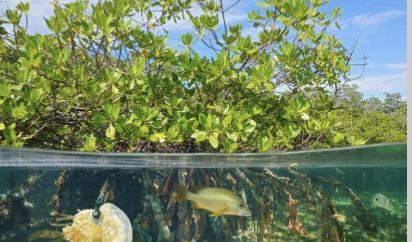
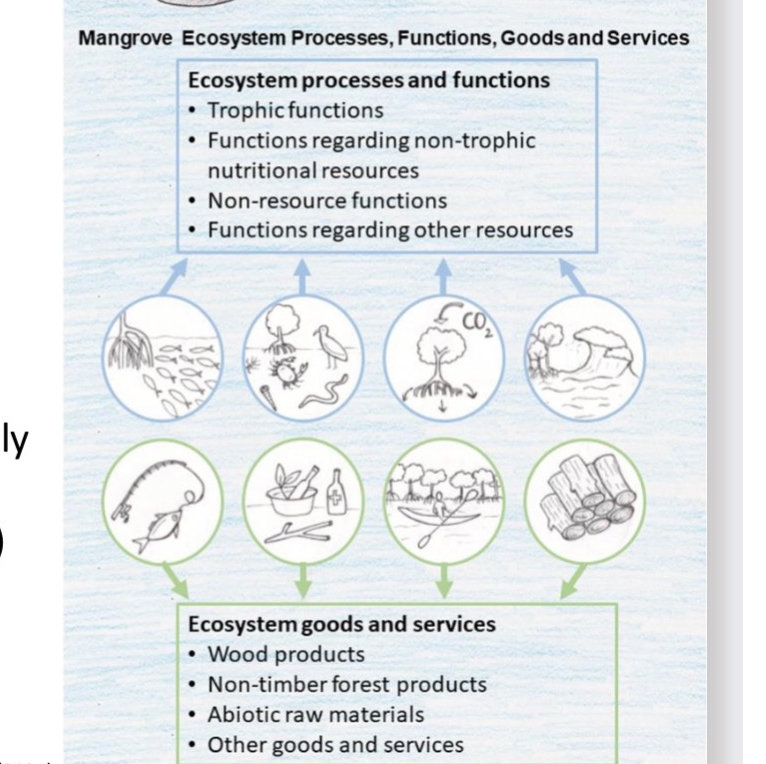
mangrove forests provide at least US $1.6 billion
each year in ecosystem services and support
coastal livelihoods worldwide:
• protection against coastal erosion & storms
• nutrient & organic matter processing
• sediment control
• fisheries: ca. 80% of global fish catches are directly or indirectly dependent on mangroves!
• important carbon sink (“blue carbon ecosystem”)
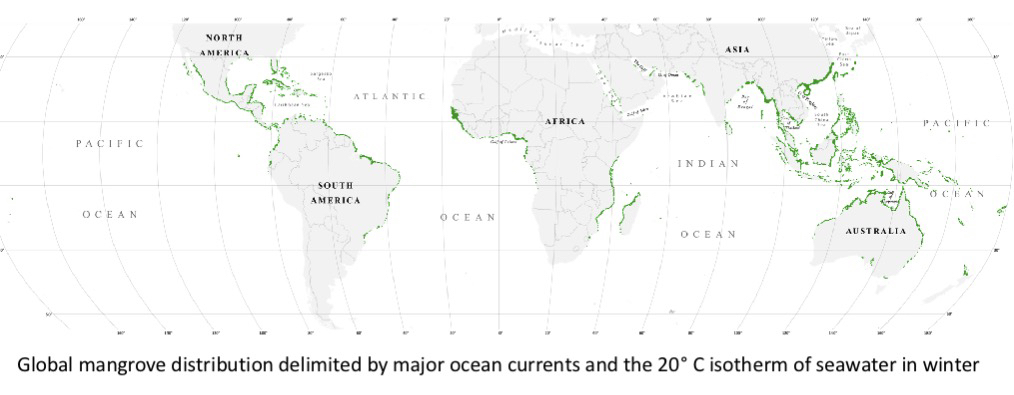
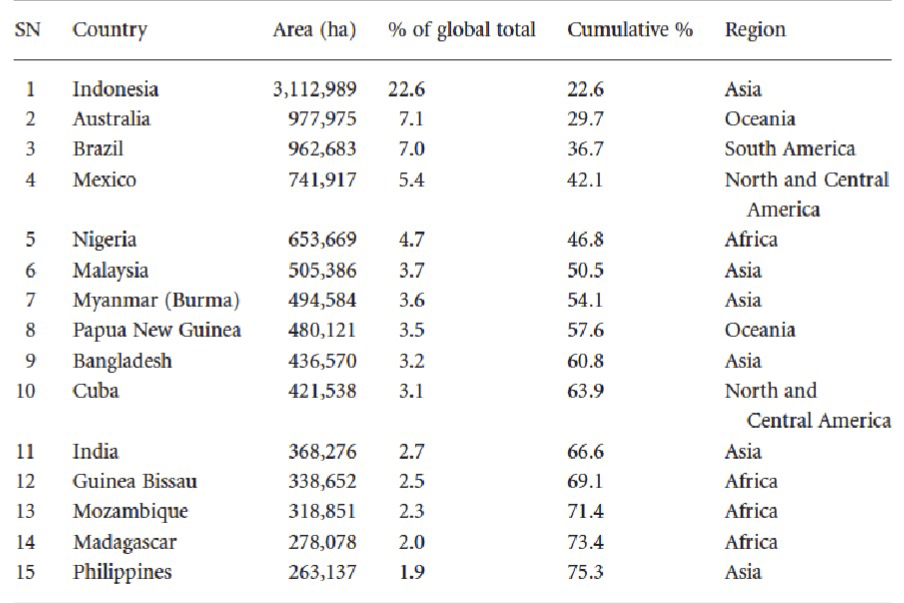
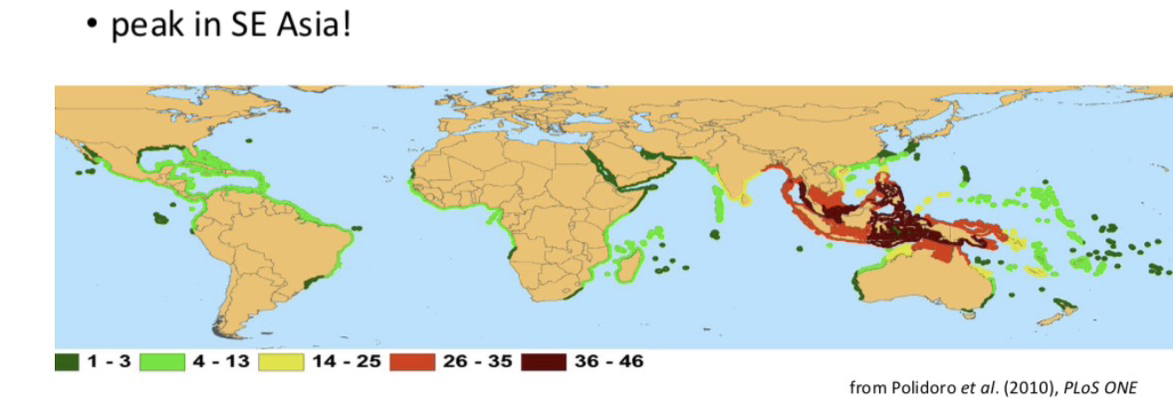
Worldwide distribution of mangroves
The largest extent of mangroves is found in
Asia (42%) followed by
Africa (20%),
North and Central America (15%),
Oceania (12%) and
South America (11%)
Mangrove plants – growth in a challenging
environment
• high salinity
• high temperature
• extreme tides
• high sedimentation
• muddy anaerobic soils
—-
Mangroves – plant adaptations
salinity control:
• salt exclusion (e.g. Rhizophora)
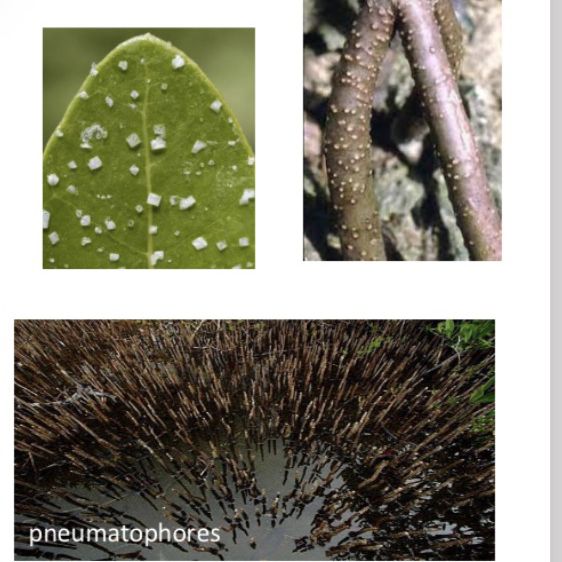
• excretion (salt glands, e.g. Avicennia, Laguncularia)
• salt tolerance (accumulation in vacuoles)
xerophytic leaves with thick leaf cuticles to
tolerate desiccationhigh tannin content to prevent herbivory
viviparous seedlings
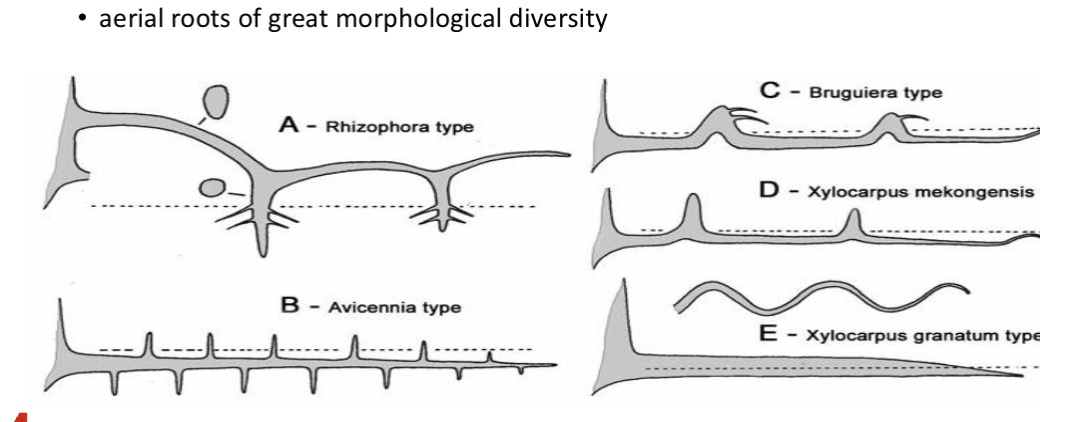
prop roots, pneumatophores & lenticels
Some notable mangrove species…
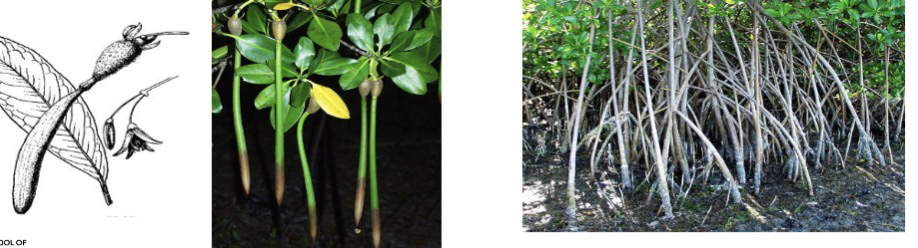
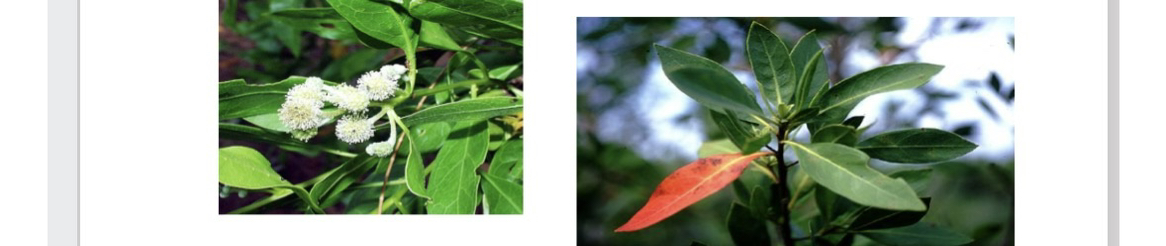
Red Mangrove, Rhizophora mangle
• Opposite evergreen leaves & white flowers
• Prop roots – grounded & ungrounded
• Viviparous
Black mangrove, Avicennia germinans
• Opposite, leathery leaves; yellowish to dark green above, beneath
with salt glands
• Pneumatophores
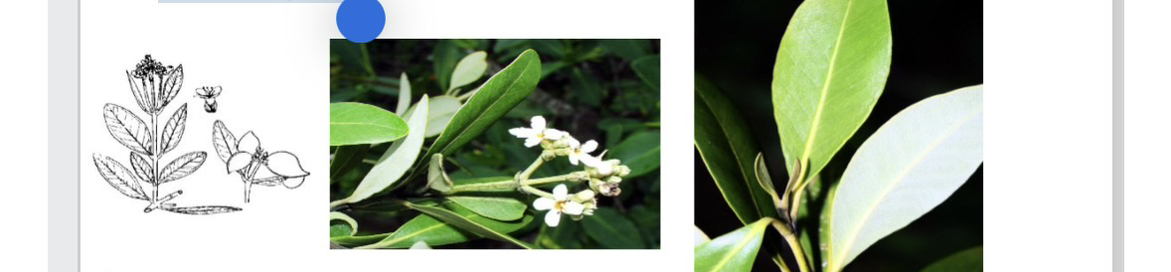
White mangrove, Laguncularia racemosa
Leathery, opposite leaves with rounded tips and 2 salt glands on petiole
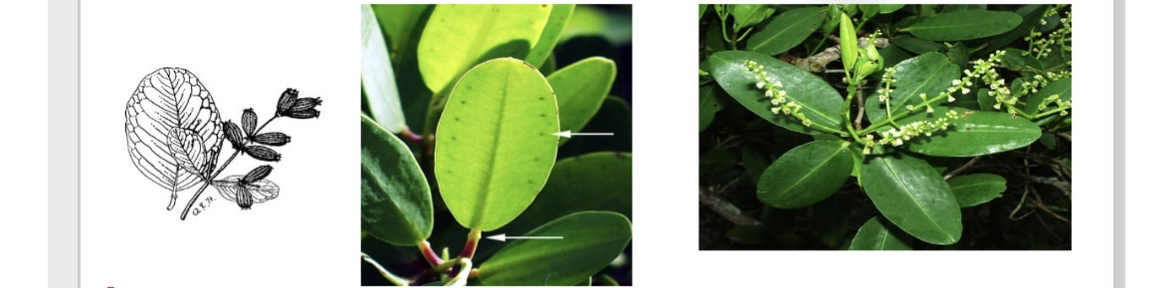
Buttonwood, Conocarpus erectus
• Leaves alternate, elliptical, with a row of salt glands along the rachis
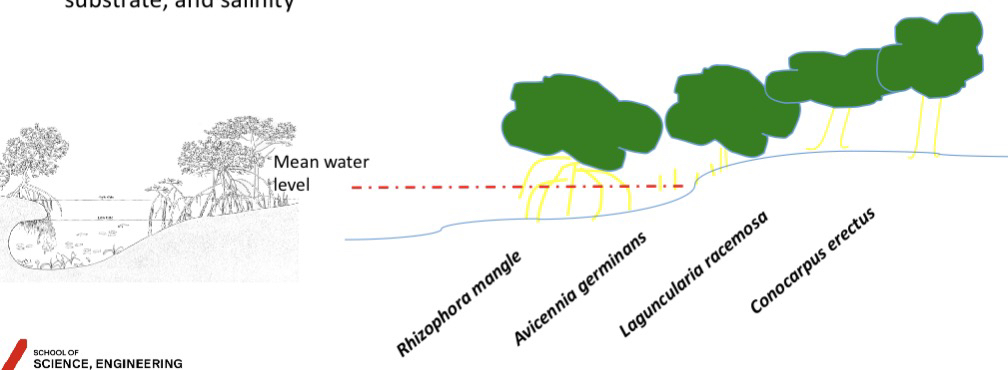
Mangrove zonation - Neotropics
• Distribution and extent of mangrove species influenced by topography, tidal height,
substrate, and salinity
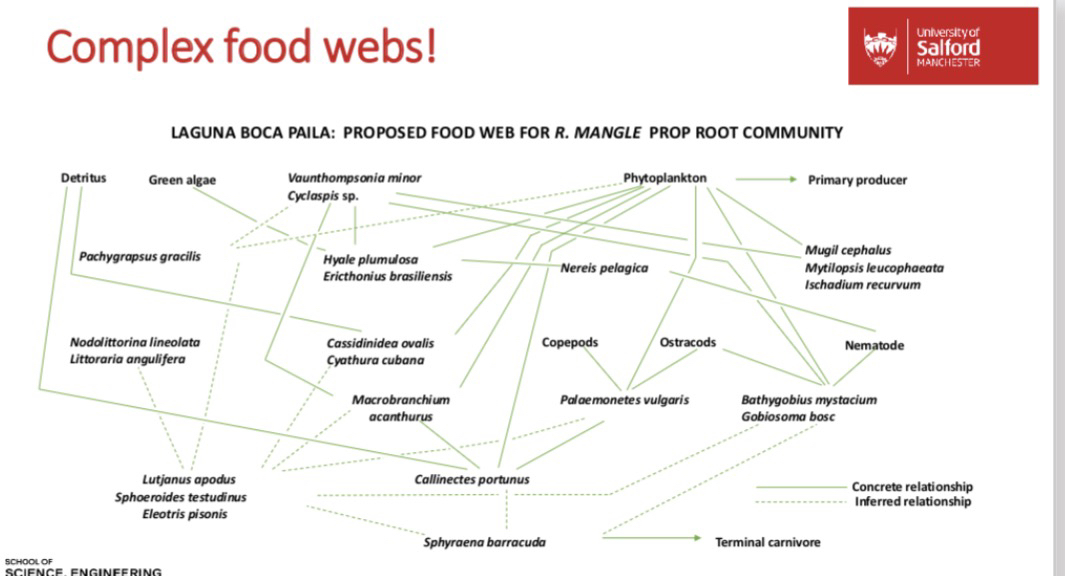
Conservation issues
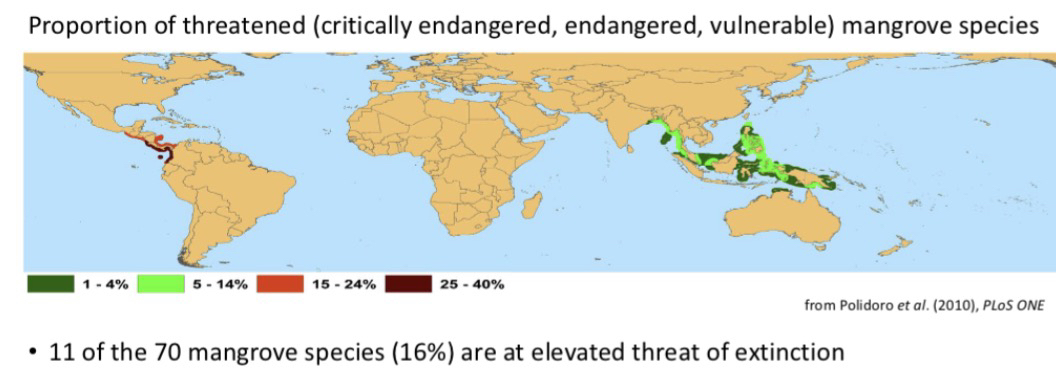
Mangrove forests are among the most threatened habitats worldwide
• Coastal development
• Timber and charcoal industries
• Expanding shrimp aquaculture
• climate change: sea-level rise!
• Often considered wasteland or useless swamps
• Of the total mangrove area, only ca. 6.9% is protected under the existing protected areas network
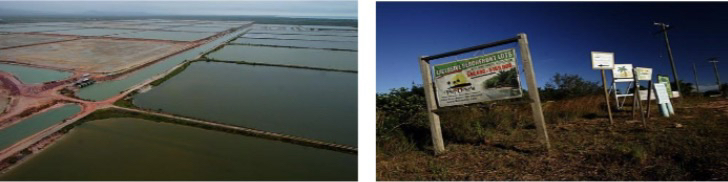
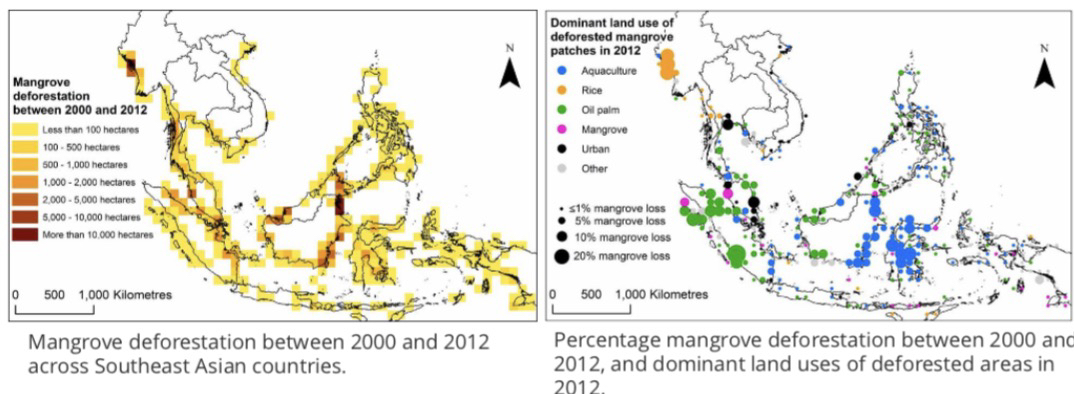
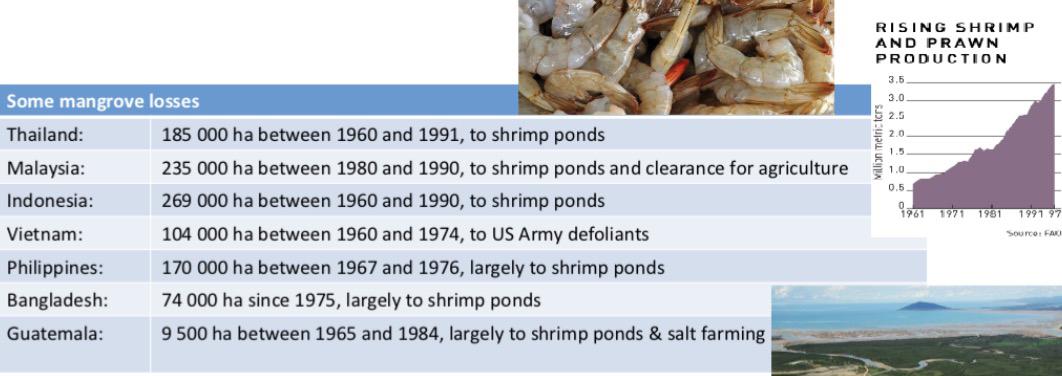
Estimated 35% of the world’s mangroves were lost in the 1980s and 1990s, at an annual loss rate of 1–2.1%
• Mangrove deforestation rates in the 21st century
decelerated and are at 0.13–0.29% per year
• comparatively, destroying a hectare of mangroves could produce as much
greenhouse gas emissions as cutting down 3-5 ha of tropical forest
What are salt marshes?
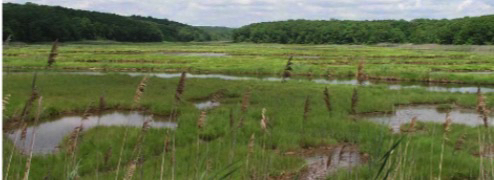
Salt marshes are coastal wetlands that are flooded and drained by salt water brought in by the tides
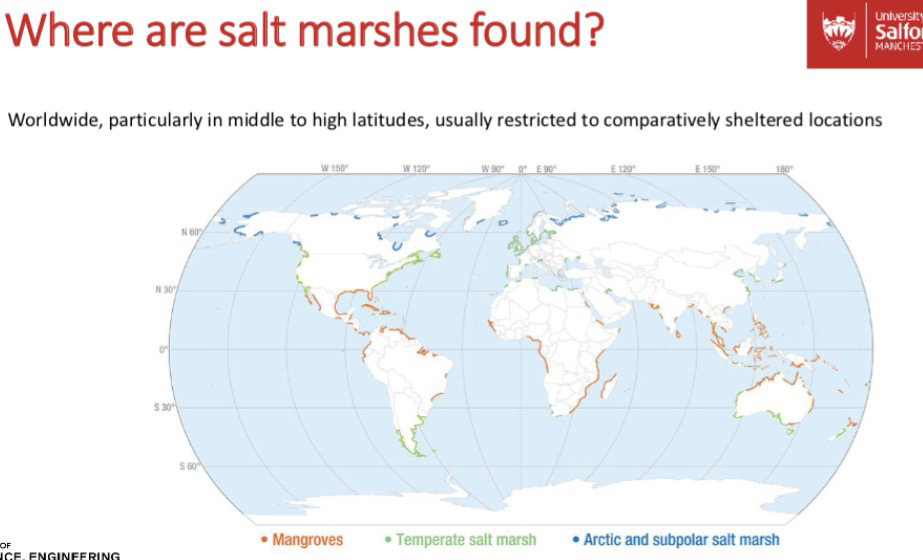
Where are salt marshes found?
Requirements for salt marsh development:
• fine-grained sediments
• no strong waves or tidal currents
• salty conditions
• temperate or cool temperature
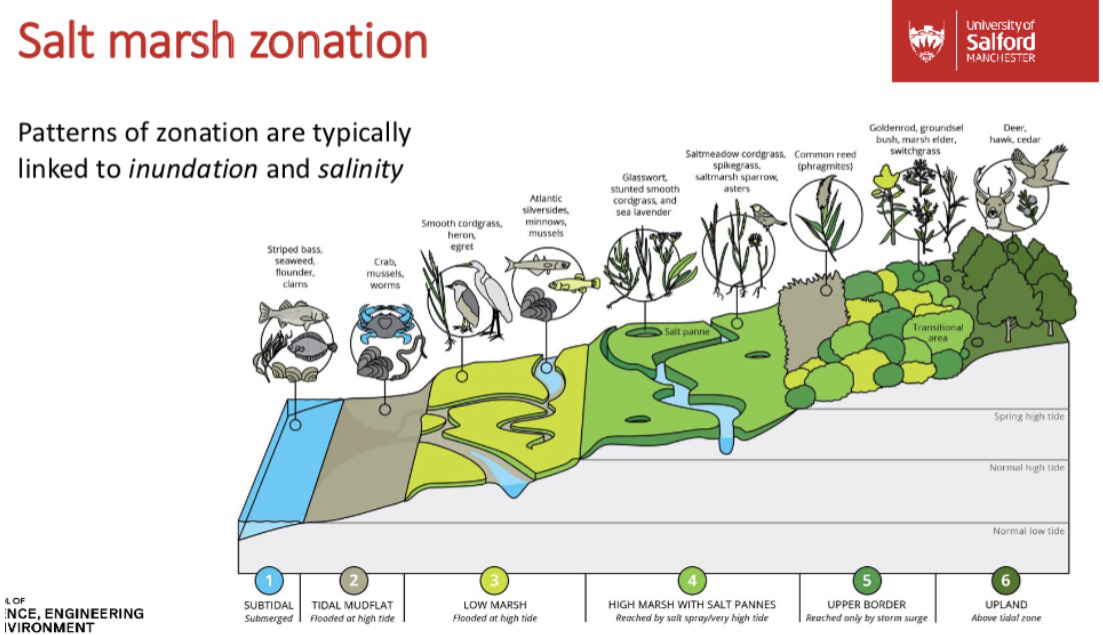
• wide tidal range (allows sediment deposition) &
causes a well-marked zonation
Salt marsh plants
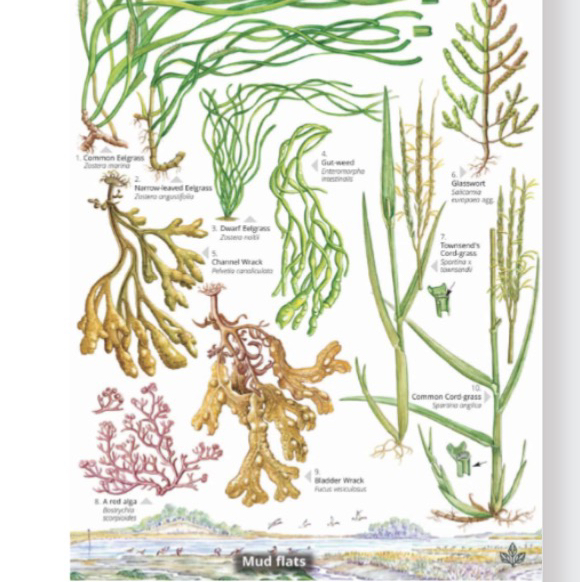
• halophytic herbs, grasses and low shrubs
adapted to regular or occasional immersion
by the tides
british plants \/
Salt marsh plant adaptations
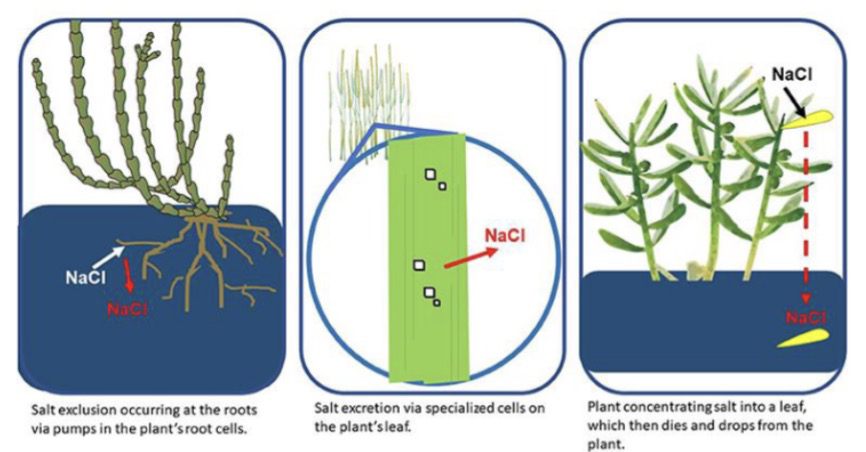
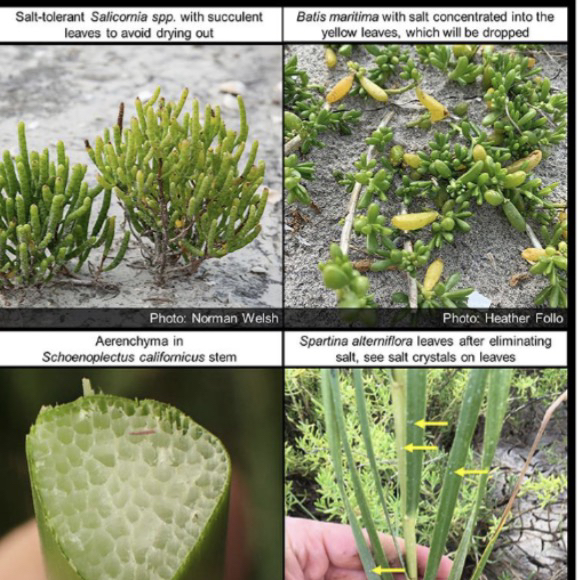
adaptations
• well-developed epidermis and thin, succulent leaves and stems
• salt accumulation in tissues or salt excretion via salt glands
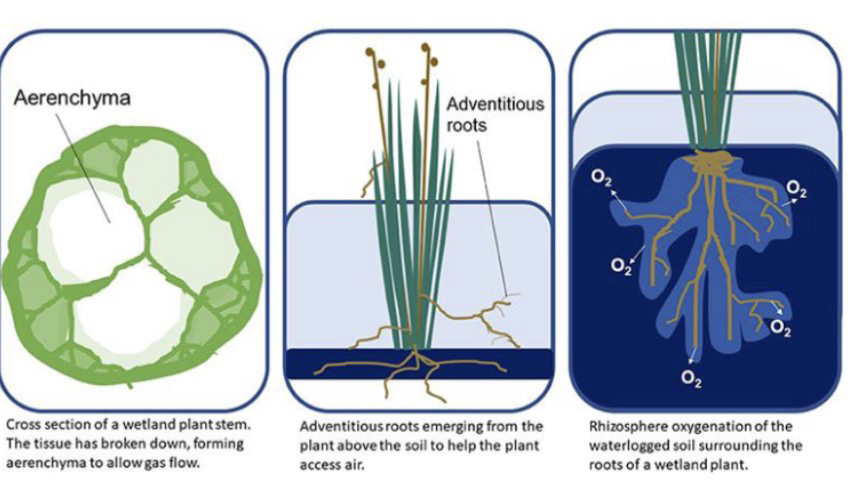
• aerenchyma: a tissue that can provide air to the submerged parts of the plants (anoxic environment!)
• adventitious roots near sediment surface to facilitate oxygen uptake
• roots with numerous root hairs for nutrient uptake
• accumulation of sugars & other organic solutes in tissues, increasing vascular pressure needed to absorb water from the salty soil
Salt marsh animals
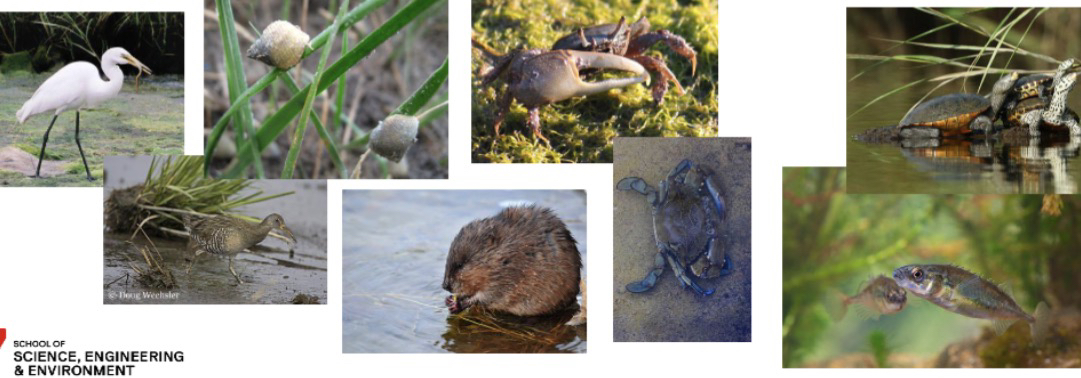
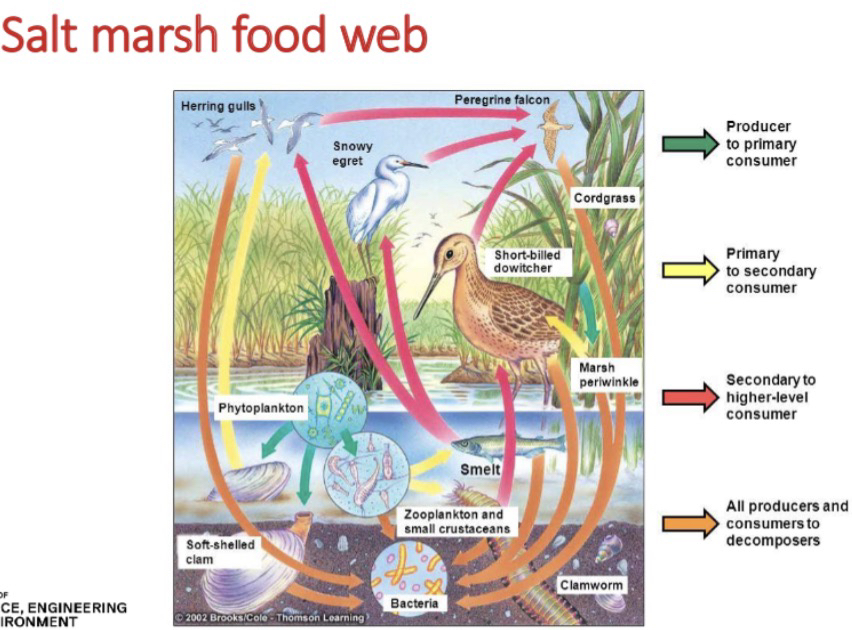
unique plant species provide important habitats for a wealth of fauna
small mammals, small fishes, birds, insects, spiders, and marine invertebrates….
• some aquatic animals move in and out of salt marshes with the tide, others remain and survive in shallow pools created by depressions
• critical habitat for the larval or juvenile life stages of many animals: “nursery” function
Conservation issues
• Salt marshes are declining, having lost 25-50% of their global historic coverage
Threats include:
• conversion to agriculture, urban and industrial land
• land claim for industry, port facilities, transport infrastructure and waste disposal
• invasive species
• over-grazin