The First thanksgiving
Have you ever wondered what the first Thanksgiving was really like for the Pilgrims and Native Americans? The truth is that it was a complex event marked by cooperation and cultural exchange, as the Pilgrims celebrated their successful harvest in 1621 with the Wampanoag tribe, who played a crucial role in their survival. The feast lasted for three days and included not only turkey but also a variety of other foods such as venison, shellfish, and corn, showcasing the rich agricultural practices of the Wampanoag. The gathering was not only a time for feasting but also for fostering relationships, as both groups shared stories, traditions, and knowledge, laying the groundwork for a brief period of peace and mutual respect.
To start off, the first thanksgiving was in England in 1621 when the Pilgrims, seeking religious freedom, embarked on a ship called the Mayflower to start a journey to the New World, ultimately leading to their encounter with the Native Americans. The Native Americans helped the Pilgrims adapt to their new environment by teaching them essential farming techniques, such as how to plant corn, beans, and squash, which became staples in their diet. Soon the pilgrims learned these techniques and began to cultivate their own crops, leading to a more sustainable way of life and a stronger foundation for their community.
Additionally, the person teaching these techniques was Squanto, a Patuxet man who played a crucial role in the Pilgrims' survival by acting as an interpreter and guide, facilitating communication between the two cultures. His knowledge of the land and its resources proved invaluable, allowing the Pilgrims to thrive in their new home and ultimately leading to the celebration of the first Thanksgiving as a symbol of cooperation and gratitude . This celebration included a three-day feast in November 1621, attended by around 50 Pilgrims and 90 Native Americans, showcasing the fruits of their labor and the newfound friendship between the two groups.
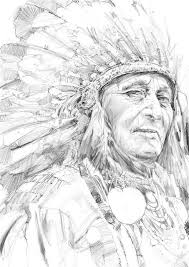
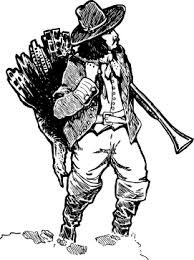
native american on top , pilgrim on bottom
Lastly, this historic event has since evolved into a national holiday, reminding us of the importance of community, gratitude, and the complex relationships that shape our history. As we reflect on this event, it is essential to acknowledge the diverse perspectives of all those involved, recognizing both the triumphs and the challenges faced by the Pilgrims and Native Americans alike. Furthermore, understanding the context of this gathering allows us to appreciate the cultural significance it holds today, as well as the lessons we can learn about unity and respect across different cultures.s
To sum it all up, the first Thanksgiving serves as a powerful reminder of the strength that comes from collaboration and the importance of embracing diversity in our communities. So, now i will go get my pumpkin pie and prepare for the festivities, reflecting on the rich history and traditions that make this celebration so meaningful.😋