chapter 16 notes: therapy and treatment
16.1 mental health treatment, past and present
18.9% of adults and 13% of children experience a mental illness in a given year (US)
14.8% of adults received treatment
approximately half of children with mental disorders had received treatment
children with anxiety disorders less likely to get treatment while children with ADHD or a conduct disorder were more likely to receive treatment
treatment in the past
it was believed that mental illness was caused by demonic possession, witchcraft, or an angry god
most common treatment was exorcism where prayers and incantations were said over the person’s body and they may have been given some medicinal drinks
another form was trephining, in which a small hold was made in the individual’s skull to release spirits from the body (most ppl died)
other methods included execution or imprisonment afflicted individuals
from the late 1400s to late 1600s, a common belief perpetuated by some religious organizations was that some people made pacts with the devil and committed horrible acts was that some people made pacts with the devil and committed horrible acts. these people were considered to be witched and after being tried, were often burned at the stake.
by the 18th century, people considered odd and unusual were played in asylums, which were the first institutions created for the specific purpose of housing people with psychological disorders, but the focus was ostracizing them from society rather than treating their disorders
by the late 1700s, French physician Phillippe Pinel argued for more human treatment of people with mental illness and that they be unchained and talked to
late 19th century, Dorothea Dix led reform efforts for mental health care in the US, her efforts led to the creation of the first mental asylums in the US
despite efforts, typical asylum was filthy and had very little treatment, and if there were, they were not good: cold baths, electroshock treatment *electroshock treatment is now electroconvulsive treatment
starting in 1954 and gaining popularity in the 1960s, antipsychotic medications were introduced and proved a tremendous help in controlling symptoms of certain disorders like psychosis, which was a common diagnosis
1964, congress and JFK signed the Mental Retardation Faciliti4es and Community Mental Health Centers Construction Act, providing federal support and funding for community mental health centers
started deinstitutionalization, the closing of large asylums by providing for people to stay in their communities and be treated locally
mental health treatments today
community mental health centers across the nation in neighborhoods, providing mental health services of various kinds
centers underfunded, staff not trained to handle severe illness like schizophrenia, high staff burnout, no provision was made for other services people needs so people often ended up homeless.
significant concerns regarding those involves in corrections system
people with mental illnesses are overrepresented in probation and parole populations at estimated rates ranging from two or four times the general population
inc burdens in managing and supporting people with mental health issues
psychiatric hospitals run by state govs and local hospitals focused on short term care, but high cost. individuals are often hospitalized if they are an imminent threat to themselves or others
some people see their PCP before seeing a mental health practitioner
some people seek treatment because they are involved with the state’s CPS
some people seek treatment because the criminal justice system required or referred them
involuntary treatment, therapy that is not the individual’s choice
voluntary treatment, person chooses to attend therapy to obtain relief from symptoms
treatment occurs in a variety of places, such as community centers, school, prison, etc.
funding sources pay for mental health treatment, health insurance, government, and private pay * insurance has to make sure there is a parity of mental health services. cannot be restrictive or harsher than those for physical illnesses and medsurg problems
limited options, especially in rural and low income urban areas, waiting lists, poor quality of care, financial obstacles, deductibles, and time off from work
2/3 of people with symptoms receive no treatment
16.2 types of treatment
two types of therapy.
psychotherapy, a psychological treatment that employs various method to help someone overcome personal problems or to attain personal growth (aka psychodynamic therapy)
biomedical therapy, involves medication and/or medical procedures to treat psychological disorders
various psychotherapy techniques
psychodynamic/psychotherapy: talk therapy based on belief that the unconscious and childhood conflicts impact behavior
play therapy: psychoanalytical therapy wherein interaction with toys is used instead of talk, used in child therapy
behavior therapy: principles of learning applied to change undesirable behaviors
cognitive therapy: awareness of cognitive process helps patients eliminate thought patterns that lead to distress
cognitive behavioral therapy: work to change cognitive distortions and self defeating behaviors
humanistic therapy: increase self awareness and acceptance through focus on conscious thoughts
cognitive distortions include
arbitrary inference, drawing a conclusion without any evidence
selective thinking, focusing on only one aspect of a situation while ignoring all other relevant aspects
magnification and minimization, blowing a negative event out of proportion (magnification) while ignoring relevant positive events (minimization)
personalization, taking responsibility or blame for events unconnected to the person
psychotherapy techniques: psychoanalysis
developed by Freud, dominant therapeutic technique in the early 20th century *Freud believed most of our psychological problems are the result of repressed impulses and trauma experienced in childhood
uses Freudian methods, like
free association: the patient relaxes and then says whatever comes to mind at the moment
dream analysis: a therapist interprets the underlying meaning of dreams
transference, the patient transfers all the positive or negative emotions associated with the patient’s other relationships to the psychoanalyst (ex. Crystal is seeing a psychoanalyst. During the years of therapy, she comes to see her therapist as a father figure. She transfers her feelings about her father onto her therapist, perhaps in an effort to gain the love and attention she did not receive from her own father.)
insight therapy: based on getting individual to understand their motives and actions
action therapy: directed at changing behavior rather than providing insight
psychotherapy: play therapy
play therapy, often used with children to help clients prevent or resolve psychosocial difficulties and achieve optimal growth
therapist will observe how a child interacts with toys in an effort to understand the roots of the child’s disturbed behavior
can be
nondirective, children are encouraged to work though their problems by playing freely while the therapist observes
directive, therapist proves more structure and guidance in the play session by suggesting topics, asking questions, and playing with the child
psychotherapy: behavior therapy
psychoanalysis, therapists help their patients look into their past to uncover repressed feelings
behavior therapy, therapist employs principles of learning to help clients change undesirable behaviors
therapists believe that dysfunctional behaviors can be changes by teaching clients new, more constructive behaviors
employs both classical and operant conditioning techniques to change behavior
counterconditioning, a client learns a new response to a stimulus that has previously elicited an undesirable behavior
aversive conditioning, uses an unpleasant stimulus to stop an undesirable behavior
typically used to eliminate addictive behaviors
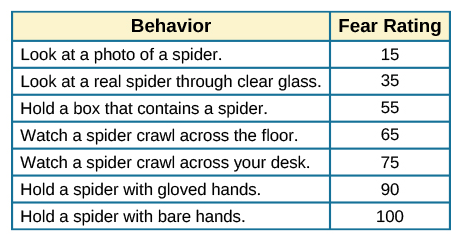
exposure therapy, a therapist seeks to treat clients’ fears or anxiety by presenting them with the object or situation that causes their problem with the idea they will eventually get used to it
systematic desensitization, a person creates a hierarchy of anxiety, ranging from the least anxiety producing stimulus to the feared object
virtual reality exposure therapy, uses a simulation to conquer fears
popular operant conditioning intervention is called token economy
a controlled setting where individuals are reinforced for desirable behaviors with tokens that can be exchanges for items or privileges
psychotherapy: cognitive therapy
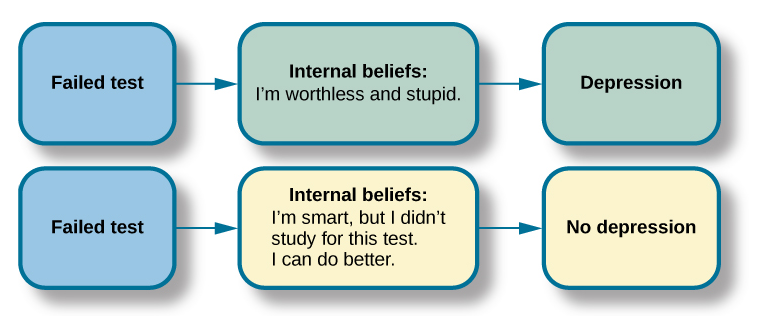
cognitive therapy, a form of psychotherapy that focuses on how a person’s thoughts lead to feelings of distress
how you think determines how you feel and act
help their client change dysfunctional thoughts in order to relieve distress and help a client see how they misinterpreted a situation (cognitive distortion)
cognitive therapy was developed by Aaron Beck and is influenced by his initial focus on depression and client’s self defeating negative attitudes and how they served to maintain their depression
psychotherapy: cognitive behavioral therapy
focus much more on present issues than on a patient’s childhood or past
rational emotive therapy (RET), contrast to Freudian psychoanalysis
cognitive behavioral therapy (CBT), helps clients examine how their thoughts affect their behavior
aims to change cognitive distortions and self defeating behavior
like cognitive therapy in the way that it attempts to make individuals more aware of their irrational and negative thoughts and replace them with more positive ones
like behavioral therapy in the way that it teaches people how to practice and engage in more positive and healthy approaches to daily situations
the ABC model
there is an Action (activating event)
Belief about the event
Consequences of this belief
CBT examines specific maladaptive and automatic thoughts and cognitive distortions
all or nothing thinking is a common type of cognitive distortion for people suffering with depression
jumping to conclusions, assuming that people are thinking negatively about you or reacting negatively to you even when there is no evidence of this
psychotherapy: humanistic therapy
humanistic therapy, helps people become more self aware and accepting of themselves
focus on conscious rather than unconscious thoughts
emphasize patient’s present and future.
Carl Rogers Rogerian (client centered therapy):
therapeutic orientation (change from patients to clients)
form of nondirective therapy, therapist does not give advice or provide interpretations but helps the person identify conflicts and understand feelings
active listening, therapist acknowledges, restates, and clarifies what the client expresses
unconditional positive regard, involves not judging clients and simply accepting them for who they are
meow
three factors work together to produce successful treatment.
the first is the use of evidence-based treatment that is deemed appropriate for your particular issue.
the second important factor is the clinical expertise of the psychologist or therapist.
the third factor is your own characteristics, values, preferences, and culture.
biomedical therapies
biomedical therapy, individuals can be prescribes biologically bases treatments or psychotropic medications that are used to treat mental disorders, these can be used in combination with psychotherapy or not
treat symptoms of a psychological disorder by altering levels or effects of neurotransmitters
ex. SSRI (selective serotonin reuptake inhibitor) increases the level of serotonin and SNRI (serotonin-norepinephrine reuptake inhibitor) increase the levels of both serotonin and norepinephrine
gestalt therapy
Fritz Perls
people’s problems stem from hiding parts of their feelings from themself
unhappiness and maladjustment occur when the inner self does not match the mask
based in humanism, more confrontational
Some Commonly Prescribed Psychotropic Medications
Type of medication
Used to treat
Brand names of commonly prescribed medications
How they work
Side effects
Antipsychotics (developed in the 1950s)
Schizophrenia and other types of severe thought disorders
Haldol, Mellaril, Prolixin, Thorazine
Treat positive psychotic symptoms such as auditory and visual hallucinations, delusions, and paranoia by blocking the neurotransmitter dopamine
Long-term use can lead to tardive dyskinesia, involuntary movements of the arms, legs, tongue and facial muscles, resulting in Parkinson’s-like tremors
Atypical Antipsychotics (developed in the late 1980s)
Schizophrenia and other types of severe thought disorders
Abilify, Risperdal, Clozaril
Treat the negative symptoms of schizophrenia, such as withdrawal and apathy, by targeting both dopamine and serotonin receptors; newer medications may treat both positive and negative symptoms
Can increase the risk of obesity and diabetes as well as elevate cholesterol levels; constipation, dry mouth, blurred vision, drowsiness, and dizziness
Anti-depressants
Depression and increasingly for anxiety
Paxil, Prozac, Zoloft (selective serotonin reuptake inhibitors, [SSRIs]); Tofranil and Elavil (tricyclics)
Alter levels of neurotransmitters such as serotonin and norepinephrine
SSRIs: headache, nausea, weight gain, drowsiness, reduced sex drive
Tricyclics: dry mouth, constipation, blurred vision, drowsiness, reduced sex drive, increased risk of suicideAnti-anxiety agents
Anxiety and agitation that occur in OCD, PTSD, panic disorder, and social phobia
Xanax, Valium, Ativan (Benzodiazepines) Buspar (non-Benzodiazepine)
Depress central nervous system activity
Drowsiness, dizziness, headache, fatigue, lightheadedness
Mood Stabilizers
Bipolar disorder
Lithium, Depakote, Lamictal, Tegretol
Treat episodes of mania as well as depression
Excessive thirst, irregular heartbeat, itching/rash, swelling (face, mouth, and extremities), nausea, loss of appetite
Stimulants
ADHD
Adderall, Ritalin
Improve ability to focus on a task and maintain attention
Decreased appetite, difficulty sleeping, stomachache, headache
electroconvulsive therapy (ECT)(electroshock therapy), using an electric current to induce seizures to help alleviate the effects of severe depression
does help alleviate symptoms for people with severe depression
had memory loss with repeated administrations
16.3 treatment modalities
once a person seeks treatment, they have an intake done to assess their clinical needs
therapist’s first meeting with the client where the therapist gathers specific info to address the client’s immediate needs and informs them about confidentiality, fees, and what to expect during treatment
therapist and client work together to create a treatment plan and discuss treatment goals
confidentiality, therapist cannot disclose confidential communications to any third party unless mandated or permitted by law to do so.
individual therapy
AKA individual psychotherapy or individual counseling, the client and clinician will meet one on one for about 45 minutes to an hour either weekly or biweekly
clinician will work to explore feelings, work through life challenges, and identify aspects of themselves and their lives they wish to change
group therapy
group therapy, a clinician meets together with several clients with similar problems
important they match in age and problems
decrease client’s shame and isolation about a problem
members of a group may be afraid to speak in front of other people because sharing secrets and problems with strangers can be stressful
Group Therapy
Limitations:
Members may fear speaking due to stress and overwhelming potential for sharing secrets.
Possible personality clashes and arguments among members.
Confidentiality concerns exist, as information may be shared outside the group.
Structure:
Typically consists of 5-10 people discussing common issues such as divorce, grief, or substance abuse.
Therapists facilitate discussions while ensuring everyone participates and benefits.
Groups can have themes, be time-limited, open or closed membership, and structured or unstructured sessions.
Benefits:
Members confront each other's patterns, fostering openness, especially beneficial for sexual abusers.
Group treatment is cost-effective and facilitates acceptance of feedback from peers.
Psycho-educational groups focus on specific educational topics (e.g., cancer treatment impacts for children).
Couples Therapy
Involves individuals in intimate relationships resolving difficulties, such as dating, partnered, or married.
Primarily utilizes cognitive-behavioral therapy to address conflicts and developmental strategies for healthier relationships.
A couple may decide to stay together or separate after therapy.
High-conflict relationships present challenges likened to “piloting a helicopter in a hurricane.”
Family Therapy
A form of group therapy involving one or more families, viewed as an organized system.
Aims to enhance growth for each member as well as the family unit.
Addresses dysfunctional communication patterns contributing to conflict.
Types of family therapy include:
Structural Family Therapy: Examines family roles and rules to resolve communication issues.
Strategic Family Therapy: Considers specific family problems with a targeted approach to resolving issues quickly.
16.4 substance related and addictive disorders, a special case
choice to use a substance initially voluntary, however, because chronic substances can permanently alter the neural structure in the PFC, a person becomes driven to use.
about 40-60% of individuals relapse, they return to abusing drugs/alcohol after a period of improvement
goal of substance related treatment is to help a person with an addiction stop compulsive drug seeking behaviors
need long term treatment that usually includes behavioral therapy and or medication
specialized therapies have been developed for specific types of substance related disorders
considered much more cost effective than incarceration
what makes treatment effective
duration of treatment, for at least 3 months
behavioral therapy, helps motivate the person with addiction to participate in treatment program and teach strategies for dealing with craving and how to prevent relapse
holistic and address multiples needs, not just addiction
communication, stress management, relationship issues, parenting, vocational concerns, and legal concerns
group therapy more efficient for adults
for teenagers, the whole family often needs to participate in treatment to address issues involving the family
greater parental involvement is correlated with a greater reduction in use by teen substance abusers
also involves medication to detox a person with addiction safely after an overdose
comorbid disorder
twice as likely to have a mood or anxiety disorder
in cases of comorbidity, best treatment is addressing both disorders simultaneously
16.5 the sociocultural model and therapy utilization
the sociocultural perspective looks at you, your behaviors, and your symptoms in the context of your culture and background
mental health professionals must develop cultural competence, which means they must understand and address issues of race, culture, and ethnicity. they also must develop strategies to effectively address the needs of various populations for which Eurocentric therapies have limited application
multicultural counseling and therapy aims to offer both a helping role and process that uses modalities and defines goals consistent with life experiences and cultural values of clients
barriers to treatment
ethnic minorities tend to utilize mental health services less than white, middle class americans.
less access due to low socioeconomic status (SES)
perceptions and attitudes toward mental health services may also contribute to this imbalance, people often do not seek treatment believing they are self sufficient, not seeing therapy as effective, concerns abt confidentiality, and the stigma and the shame
people belonging to ethnic groups that already struggle with prejudice and discrimination are less likely to seek services for a mental illness because they view it as an additional stigma
language differences are also a barrier to treatment