British Literature of the Industrial Revolution
Introduction
At first glance, the Industrial Revolution might appear to be a positive development in human progress. But "progress" rarely comes without a price. In the case of the Industrial Revolution, factory work damaged the health and sanity of countless men, women, and especially children. The lack of labor laws prioritized production over human beings and removed the dignity of manual labor. In addition, many British people lost connection with nature, as soot filled the air and noisy trains barreled through previously quiet countryside.
As the years passed, the consequences of industrial progress became more apparent. Many British authors used their writing to bring attention to them. Let's look at two historical themes that populated British literature during this time.
Abuse of the Working Class
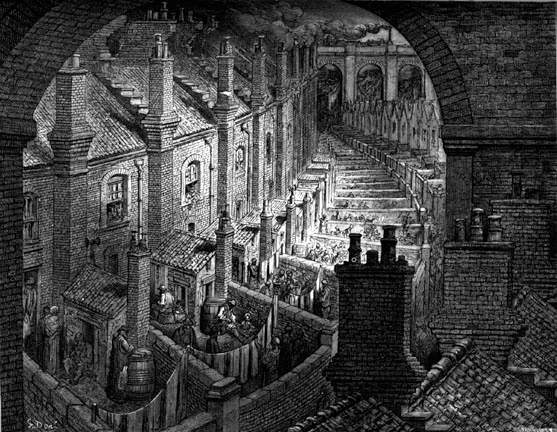
As the previous section mentioned, living and working conditions in industrial cities were abysmal. Farmers or craftsmen who once had their own homes in the country were shoved into cramped apartments. In the factories, men, women, and children had no labor laws or unions to protect them and were vulnerable to abuse. They worked long, grueling hours and often died from the toxic conditions in the mills.
Some English writers saw these realities as assaults on the God-given dignity of human beings. For example,
Charles Dickens's novel Hard Times (1854) takes place in a fictional town based on the real Manchester. Dickens shows his readers the immorality of the wealthy and the suffering of the poor.
Elizabeth Gaskell's novel North and South (1855), set in a northern industrial city, details the painful struggle of factory laborers. A few characters even die because of the conditions in the factories. For this reason, it is called a "social novel."
English writers, especially Romantics (who revered childhood innocence and beauty), were horrified by the abuses child workers suffered due to industrialization.
William Blake wrote poems that empathized with a working child's plight, such as "London" and "The Chimney Sweeper." He writes that these children wear "clothes of death."
Elizabeth Barrett Browning, after reading reports on child laborers in coal mines, addressed her poem "The Cry of the Children" (1843) to Parliament, hoping they would make changes. The poem begins, "Do ye hear the children weeping, O my brothers, / Ere the sorrow comes with years?"
Charles Dickens also dealt with the suffering of poor children, particularly in London, in novels like Oliver Twist and David Copperfield.
Pollution of Nature
English Romantic writers were horrified by the British industries' disregard for nature. They essentially equated connection to nature with connection to God; they believed that the farther mankind strayed from the natural world, the worse off it would be.
Sir Walter Scott, a Scottish author, wrote the following in his journal in 1828:
The state of society now leads so much to great accumulations of humanity that we cannot wonder if it ferment and reek like a compost dunghill. Nature intended that population should be diffused over the soil in proportion to its extent. We have accumulated in huge cities and smothering manufacturies the numbers which should be spread over the face of a country and what wonder that they should be corrupted? We have turned healthful and pleasant brooks into morasses and pestiferous lakes.
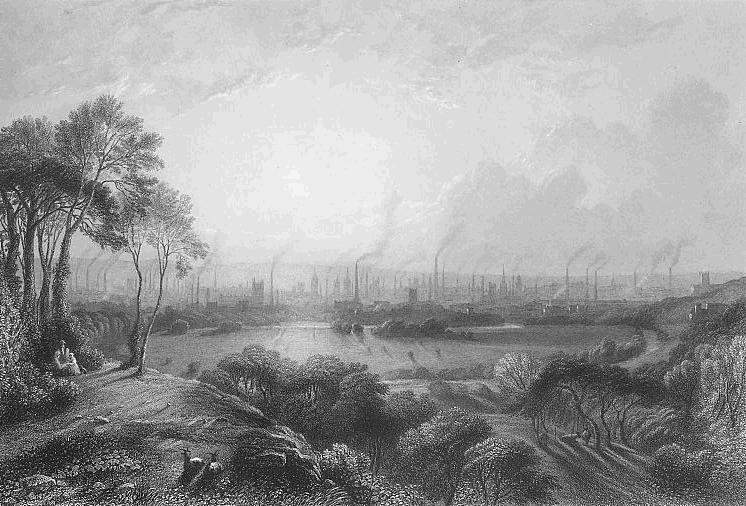
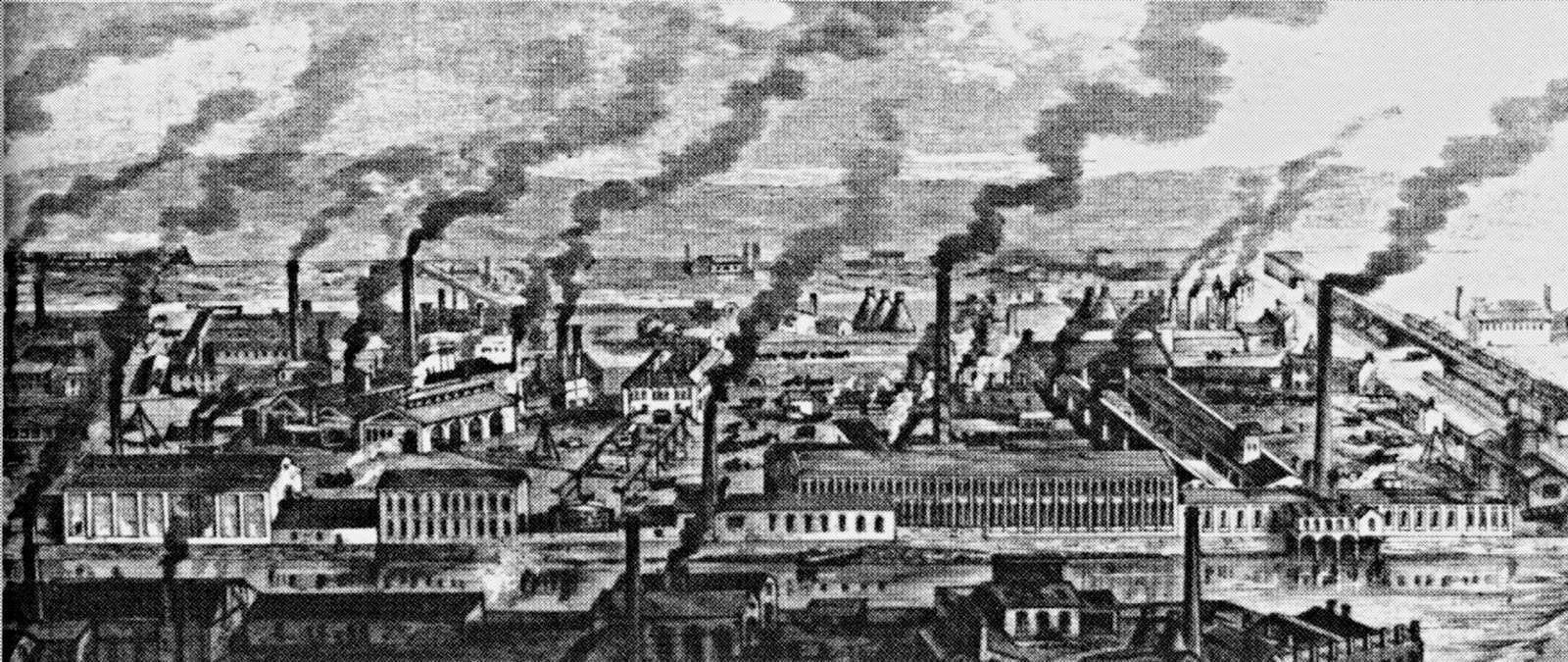
British authors included many nature scenes in their poems and novels to protest this pollution. They showed how nature could bring people peace, happiness, and healing.
William Wordsworth is famous for his reflective poems on nature, like "My Heart Leaps Up," "Daffodils," and "Lines Written in an Early Spring." In "The World is Too Much with Us," he writes, "The world is too much with us; late and soon, / Getting and spending, we lay waste our powers;— / Little we see in Nature that is ours."
William Blake also wrote of nature in Songs of Innocence and Songs of Experience.
Novelists like Charlotte Brontë, Emily Brontë, and Mary Shelley featured nature as a healing power in their books.
The following lesson review contains questions based on both parts of this lesson.