Foundation of Organization Structure Summary
Overview
A Closer Look: The Gig Economy
➢ Design
➢ Common Designs:
o Simple Structure
o The Bureaucracy
o Matrix Structure
➢ New Options
➢ Rationale for Differences
Foundation of Organization Structure
A Closer Look: The Gig Economy
Explores the impact and characteristics of gig jobs within modern organizations.
Design Principles
Work Specialization
Historical focus on efficiency in manufacturing (e.g., Ford).
Tasks divided into specialized roles.
Departmentalization
Groups jobs for coordinated common tasks (e.g., design, manufacturing).
Chain of Command
Authority lineage from top to bottom.
Clarifies who reports to whom (unity of control).
Span of Control
Wider spans can improve organizational efficiency.
However, excessive width may reduce effectiveness.
Formalization
Indicates the level of job standardization within the organization.
Less worker autonomy in decision-making.
Centralization vs. Decentralization
Centralization: Concentrated decision-making authority.
Decentralization: Quicker problem-solving and more collective input in decisions.
Common Organizational Designs
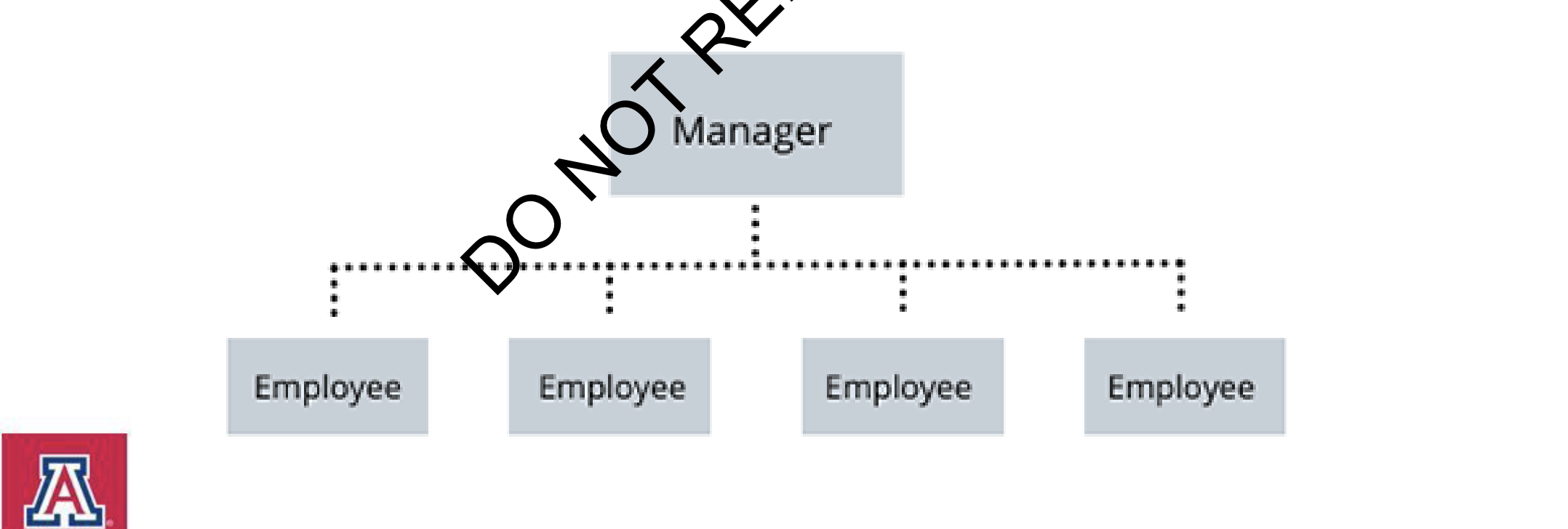
Simple Structure
Flat organization with few levels and centralized decision-making.
Bureaucracy
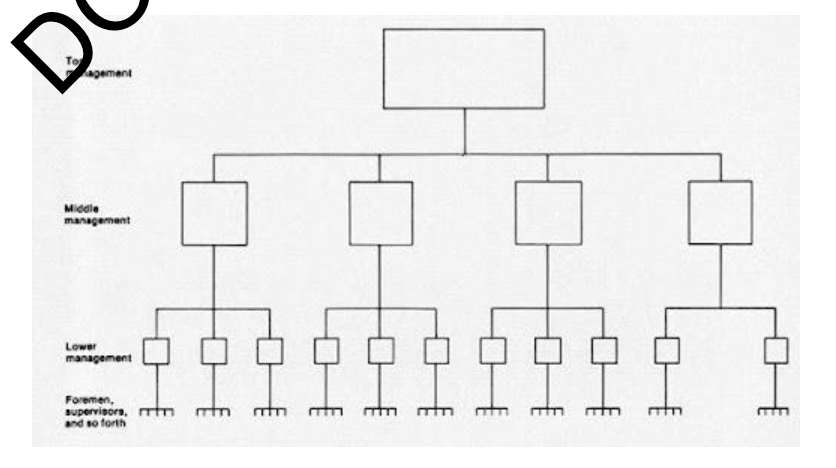
Routine tasks with formalized rules.
Functional departments and centralized authority with narrow spans of control.
Matrix Structure
Combines functional and product departmentalization.
Benefits: coordination; Drawbacks: power struggles.
84% of U.S. employees in matrix structures.
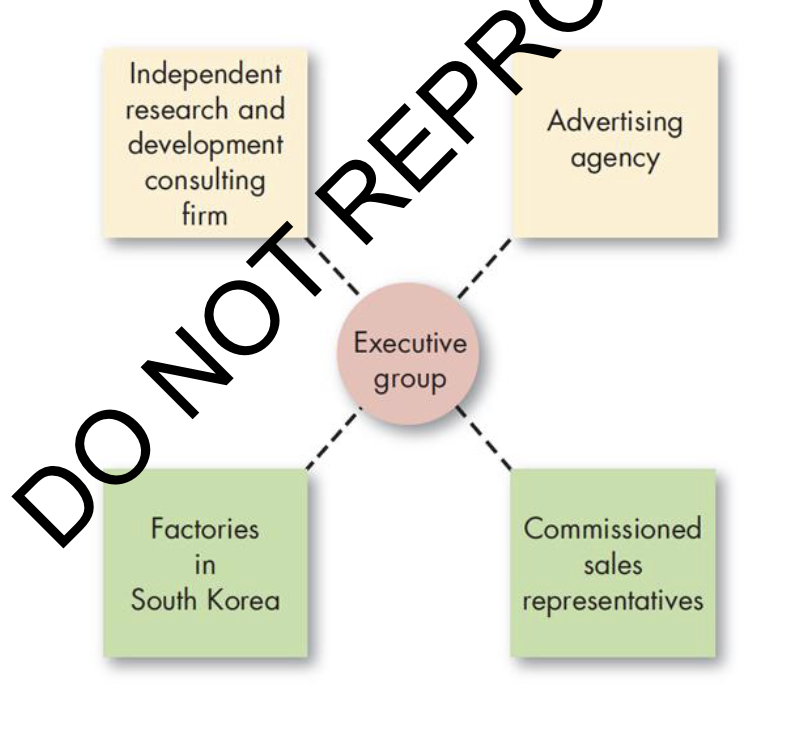
Virtual Organization
Small core entity outsourcing major functions.
Boundaryless Organization
Seeks to dissolve hierarchy and empower teams.
Concept by Jack Welch of General Electric.
Rationale for Differences in Structure
Strategy: Structure aligns with organizational strategy.
Size: Affects complexity and structure.
Technology: Transforms resources into products/services.
Environment: Influences by suppliers, customers, competitors, and regulations.