Week 8 - 7MNT0004 - Vitamin A
Vitamin A Overview
Speaker: Dr. Yemisi Latunde-Dada
Department: Nutritional Sciences, School of Life Course & Population Sciences, Faculty of Life Sciences & Medicine
Learning Outcomes
To understand:
Different dietary forms of vitamin A and units of measurement.
The prevalence of vitamin A deficiency.
Dietary reference values and recommended intake levels, alongside dietary sources.
The consequences of vitamin A deficiency.
The physiological roles of retinol, retinal, and retinoic acids.
Levels at which vitamin A may cause harm (toxicity).
Discovery of Vitamin A
Historical Context:
460-325 BC: Treatment of xerophthalmia with roasted oxen liver.
1913: McCollum, Davis, Osborne, and Mendel discovered "fat-soluble A" in rat studies.
1919-1966: Isolated, purified, synthesized, and identified functions of vitamin A.
1967: George Wald received the Nobel Prize for describing the visual cycle.
1987-1988: Petkovich et al., Giguere et al., and Benbrook et al. discovered retinoic acid receptors in cell nuclei.
Vitamin A and Precursors
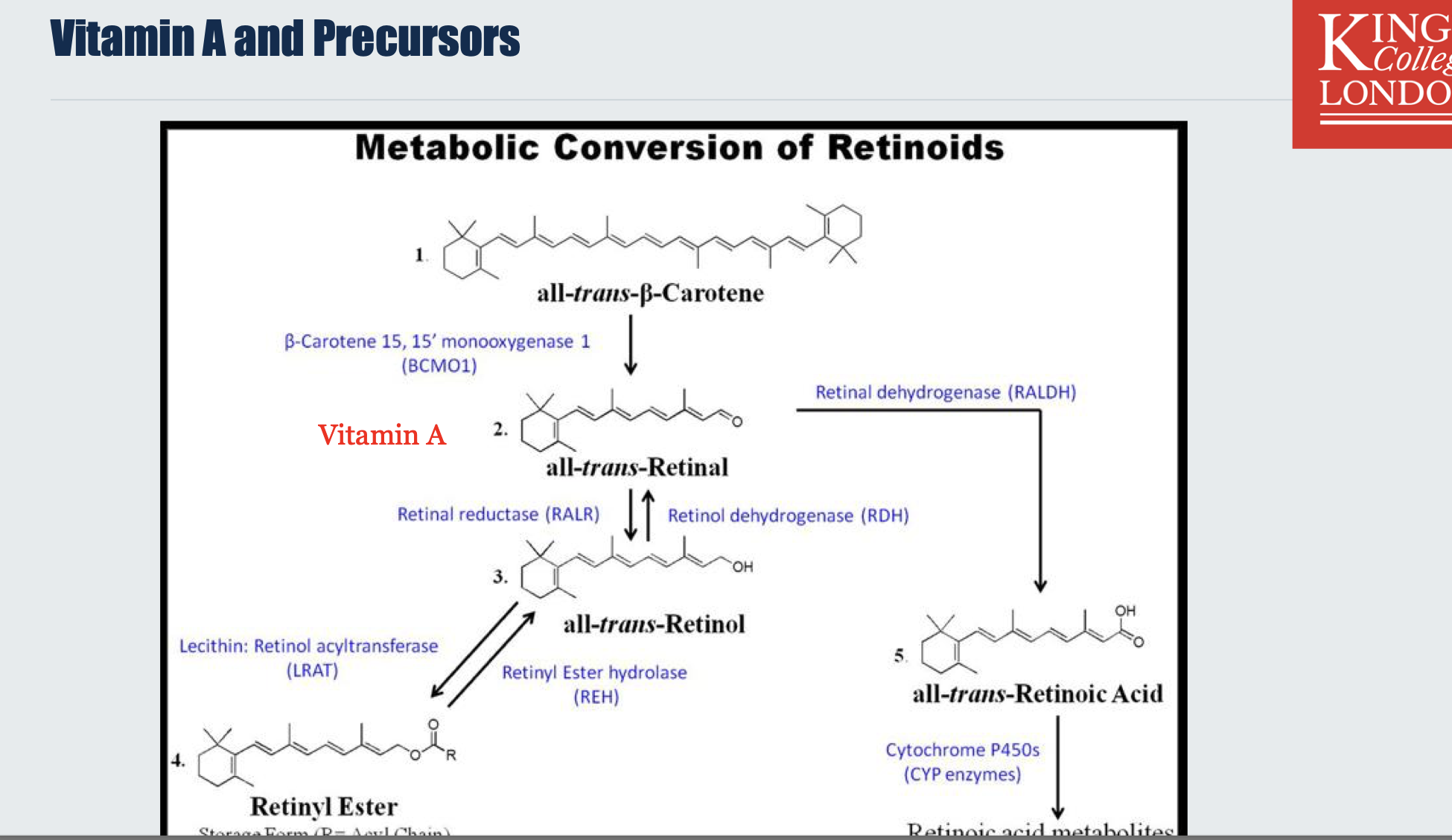
Metabolic Conversion of Retinoids:
Carotenoids to Vitamin A:
all-trans-β-Carotene
Enzyme: β-Carotene 15, 15' monooxygenase 1 (BCMO1) → Converts to Vitamin A
Retinal Conversion:
all-trans-Retinal
Enzyme: Retinal dehydrogenase (RALDH)
Retinol Formation:
all-trans-Retinol
Enzyme: Retinol dehydrogenase (RDH)
Storage:
Forms retinyl ester via Lecithin: Retinol acyltransferase (LRAT
Retinoic Acid Formation:
all-trans-Retinoic Acid
Process involves Cytochrome P450s (CYP enzymes).
Forms of Vitamin A
Retinol:
Predominant form of vitamin A; mostly stored in the liver.
Retinal:
Also known as retinaldehyde; formed in the retina through enzymatic oxidation of retinol.
Retinoic Acid:
The oxidized form of retinol; possesses varied functions.
Provitamin A Carotenoids: Include alpha-carotene, beta-carotene, beta-cryptoxanthin, which can be converted by the body to retinol (vitamin A).
Non-convertible carotenoids: Lutein, Zeaxanthin, Lycopene have no vitamin A activity.
Impact of Vitamin A Deficiency (WHO Data)
Global Prevalence:
250 million preschool children are vitamin A deficient.
250,000 to 500,000 children become blind each year due to deficiency.
Approximately half of these children die within 12 months of losing sight.
Health Implications:
Increased risk of respiratory and diarrheal infections.
Decreased growth rates, slow bone development, and lower likelihood of survival from serious illness.
33.3% of preschool-age children and 15.3% of pregnant women in at-risk populations globally.
Vitamin A Deficiency - Prevalence of Serum Retinol
Serum Retinol Level Categories:
None (<2%)
Mild (≥2% - <10%)
Moderate (≥10% - <20%)
Severe (≥20%)
Economic Status: Countries with GDP ≥US$ 15,000 assumed free of vitamin A deficiency.
Vitamin A Dietary Reference Values
All values are expressed as mcg retinol activity equivalents (RAE) per day:
Infants (<1 year): RNI 350 mcg
Adult males (UK): RNI 700 mcg
Adult females (UK): RNI 600 mcg
Pregnant women: +100 mcg
Lactating women: +350 mcg
Source: Dietary Reference Values for the Food Energy and Nutrients for the UK 1991. (1 RE = 1 mg retinol).
NDNS - RNI Assessment
Mean Vitamin A Intake:
Age Distribution: Children aged 1 to 18 years facing varying intake levels below RNI:
9% (1.5-3 years)
11% (4-10 years)
18% (11-18 years)
10% (19-64 years)
8% (<65 years)
At-Risk Groups for Vitamin A Deficiency
Demographics:
Children aged 1-5 years in developing countries.
Low fat intake and lack of dietary diversity.
Infants at risk (premature, those with cystic fibrosis, Crohn's disease, ulcerative colitis).
Consequences of Deficiency:
Contributes to global disease burden—blindness, mortality, and affects fat metabolism, immune function, and epigenetic gene regulation.
Dietary Sources of Vitamin A
Animal Sources (Retinol-containing):
Full-fat dairy (butter, cheese, milk), liver, kidney.
Plant Sources (Provitamin A):
Dark green and orange/red vegetables (e.g., spinach, carrots, peppers).
Vitamin A Content of Selected Foods
Micrograms per 100g:
Carrots, boiled: 0 μg Retinol, 7560 μg β-Carotene.
Spinach, boiled: 0 μg Retinol, 3840 μg β-Carotene.
Liver, lamb: 22680 μg Retinol, 60 μg β-Carotene.
Milk: 52 μg Retinol, 21 μg β-Carotene.
Mars Bar: Trace Retinol, 40 μg β-Carotene.
Equivalence: β-Carotene Equivalents = sum of β-carotene and half of α-carotene and α and β-cryptoxanthins.
Food Contribution to Overall Vitamin A Intake in the UK (2014)
Dietary Sources:
Vegetables and potatoes: 32%
Meats and products: 16%
Dairy: 14%
Fat spreads: 13%
Cereals: 8%
Eggs: 5%
Fish: 2%
Sources of Vitamin A
Liver
Fish liver oils
dairy products
egg yolk
Provitamin A caretenoid in plant foods
dark green leafy veg
deeply coloured yellow and orange fruits/vegetables
Supplemental Vit A
preformed retyinyl acetate or palmitate
β-Carotene
Regulation on Margarine Fortification in the UK
Mandatory Fortification:
Must contain 800 - 1000 μg of Vitamin A per 100g.
Additional calcium and vitamin D considerations provided.
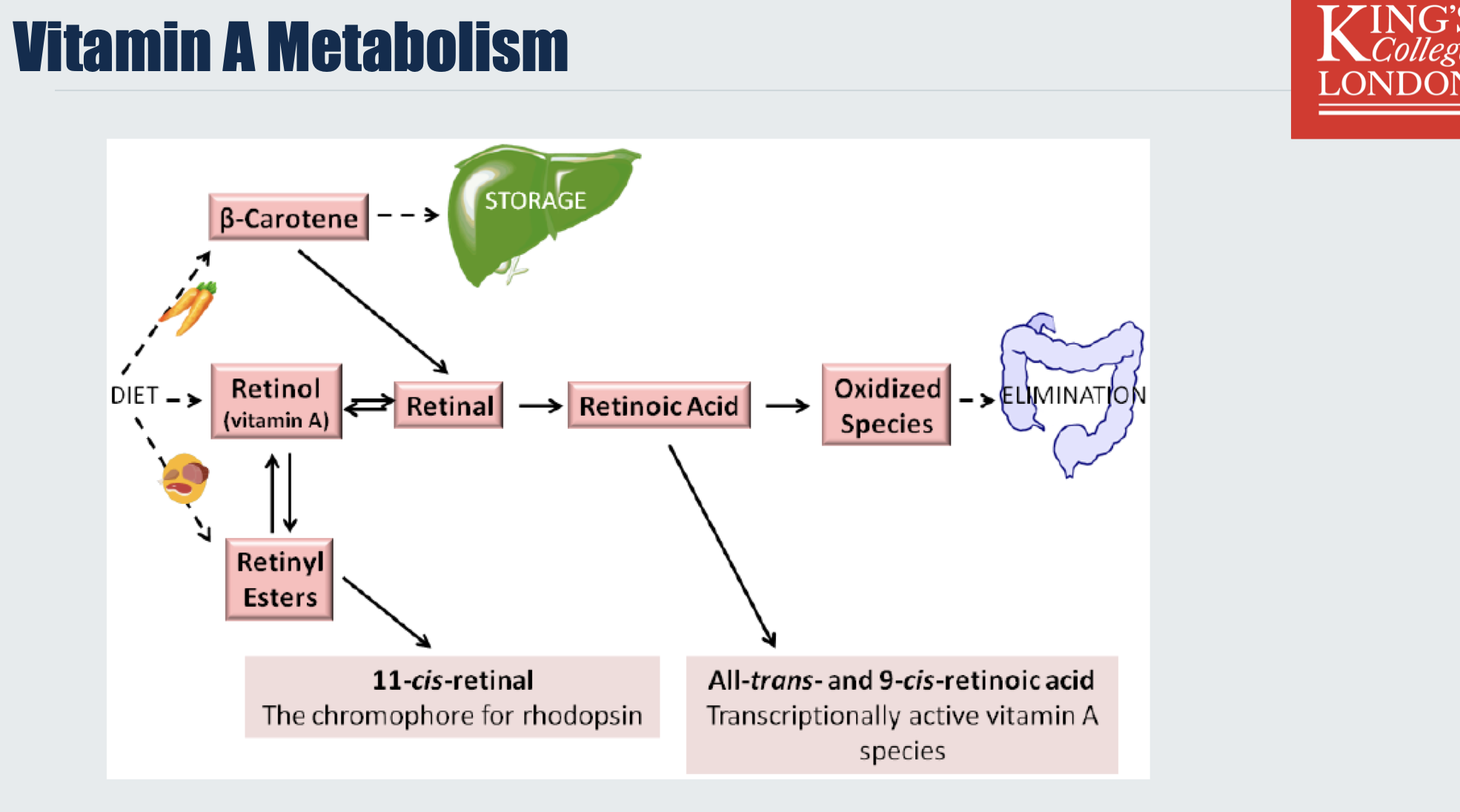
Vitamin A Metabolism
Process:
Storage of β-Carotene, conversion to Retinol, Retinal, Retinoic Acid.
Biological pathway for vitamin A through elimination of retinyl esters and active forms for transcriptional activity.
Functions of Vitamin A
Vision: Involvement in the isomerization of retinal in the retina.
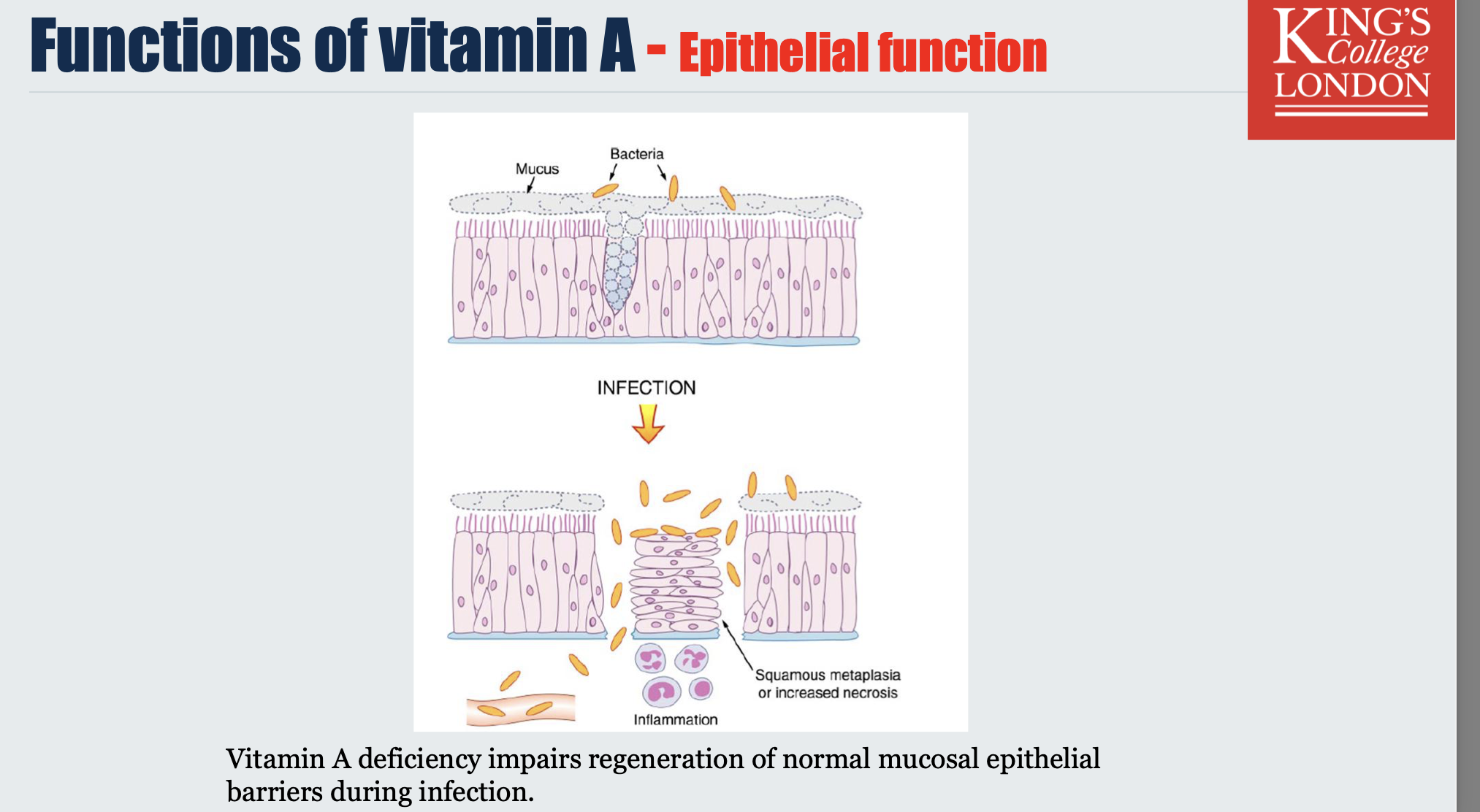
Gastrointestinal Epithelial Function: Essential for maintaining healthy epithelial barriers.
Gene Regulation: Mediated through retinoic acid via nuclear receptors (RXR and RAR), impacting gene transcription.
Immune Function: Enhances both innate and adaptive immunity.
Vitamin A Deficiency Diseases
Xerophthalmia: Dry, thickened and wrinkled cornea and conjunctiva, potentially leading to blindness.
Night Blindness (nyctalopia): Poor vision in low light, linked to rod functionality.
Keratomalacia: Severe corneal softening and ulceration, potentially leading to blindness.
Xerosis: Dry conjunctiva.
Vision Mechanism Involving Vitamin A
Role of 11-cis Retinal: Complements rhodopsin in rods and iodopsins in cones.
The cis-configuration (H atoms same side as double bond) of the retinal allows retinal to fit into a cleft in the opsin protein
When a photon interacts with rhodosin, configuration of 11-cis retinal changes to all-trans retinal 9H atoms opposite side of double bond)
When a photon of light is absorbed, it causes the retinal to isomerize from 11-cis to all-trans retinal, leading to a conformational change in the opsin protein that initiates the signal transduction cascade for vision.
Photochemical Isomerization: Photon causes configuration change from 11-cis to all-trans retinal, leading to visual signal transduction.
Cis isomerisation causes etinal to dissociate from opsin and the release of energy and membrane hyperpolerisation which is transmitted via bipolar cells to the optic nerve
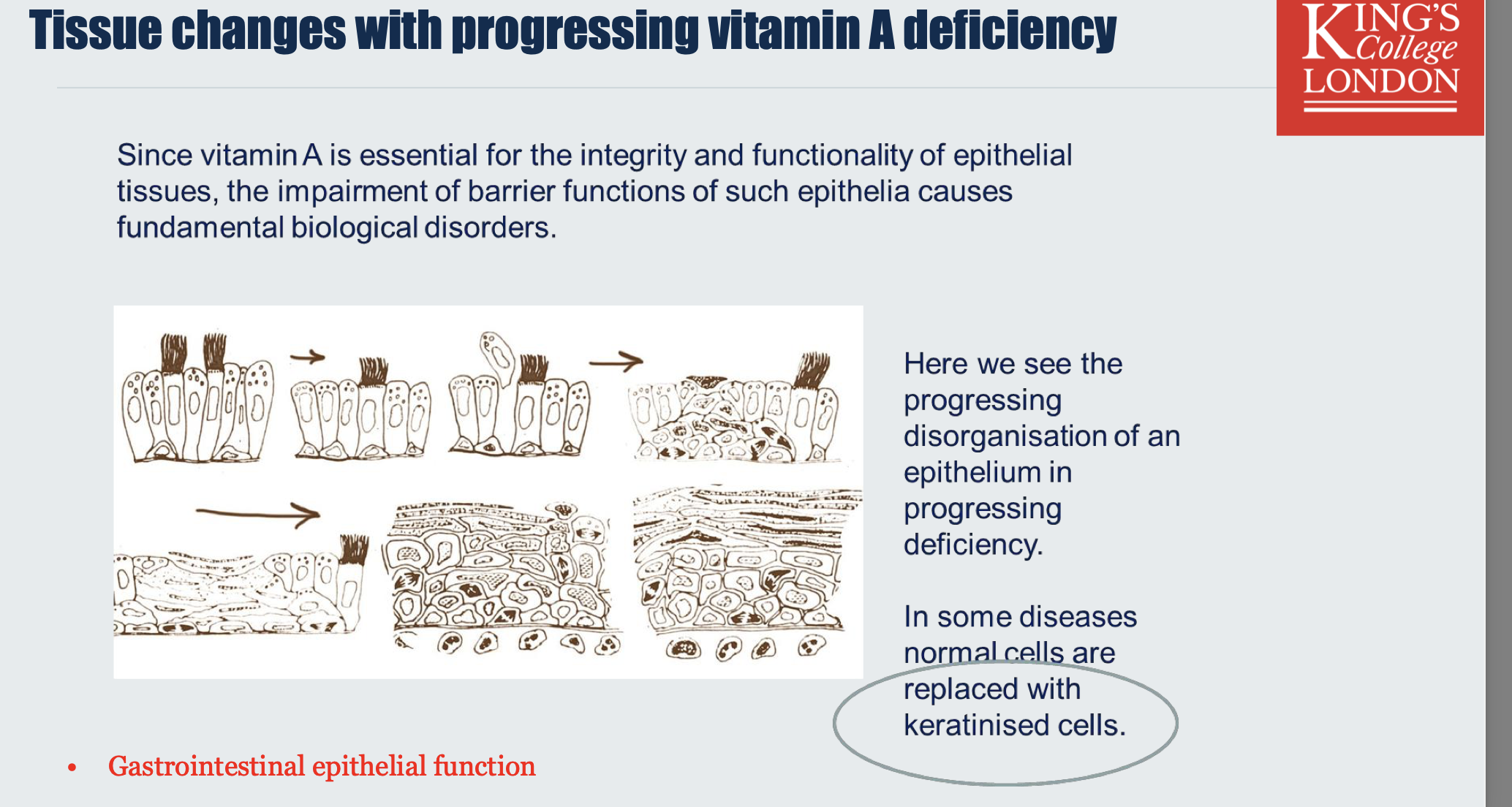
Tissue Changes with Vitamin A Deficiency
Epithelial Role: Deterioration of epithelial cells impacting barrier function, leading to disease.
Gastrointestinal Function: Impaired regeneration of mucosal barriers during infection.
Somatic and Reproductive Functions of Vitamin A
Growth and Differentiation: Retinoic acid supports normal bodily and cell development (mediated by retinoic acid)
Retinoic acid acts on specific retinoid nuclear receptors (RXR and RAR) that regulate gene transcription.
Gene Regulation and Vitamin A
Retinoid Receptors and Gene Expression: Engagement with RAR and RXR influences the expression of around 500 genes.
Retinal binding to 2 receptors (RXR and RAR) and affecting 500 genes
RXR = retinoid X receptor
RAR = all trans retinoic acid receptor
Consequences of Vitamin A Deficiency
Impacts stem cell differentiation, epithelial integrity, and normal immune function.
Associated with developmental issues and decreased immune cell populations.
Eppithelial cellular developement is deficient, and the barrier to infection is decreased
Cells involved in innate and acquired immune function are decreased
Xeropthalmia develops due to abnormalities in corneal conjuctiva developement
Impared bone and tooth developement
Determining Vitamin A Status
Methods include serum retinol concentration testing (via HPLC), isotope dilution assays, and functional testing (dark adaptometry).
Enzymw-based methods - NADH of alcohol dehydrogenase is measured by spectrophotometry
Prevention of Vitamin A Deficiency
Approaches:
Diet diversification, improved hygiene, and periodic supplementation for children.
Genetic Engineering for Vitamin A
Golden Rice: Genetically modified to contain β-Carotene, addressing deficiency in rice-based diets.
Vitamin A as a Teratogen
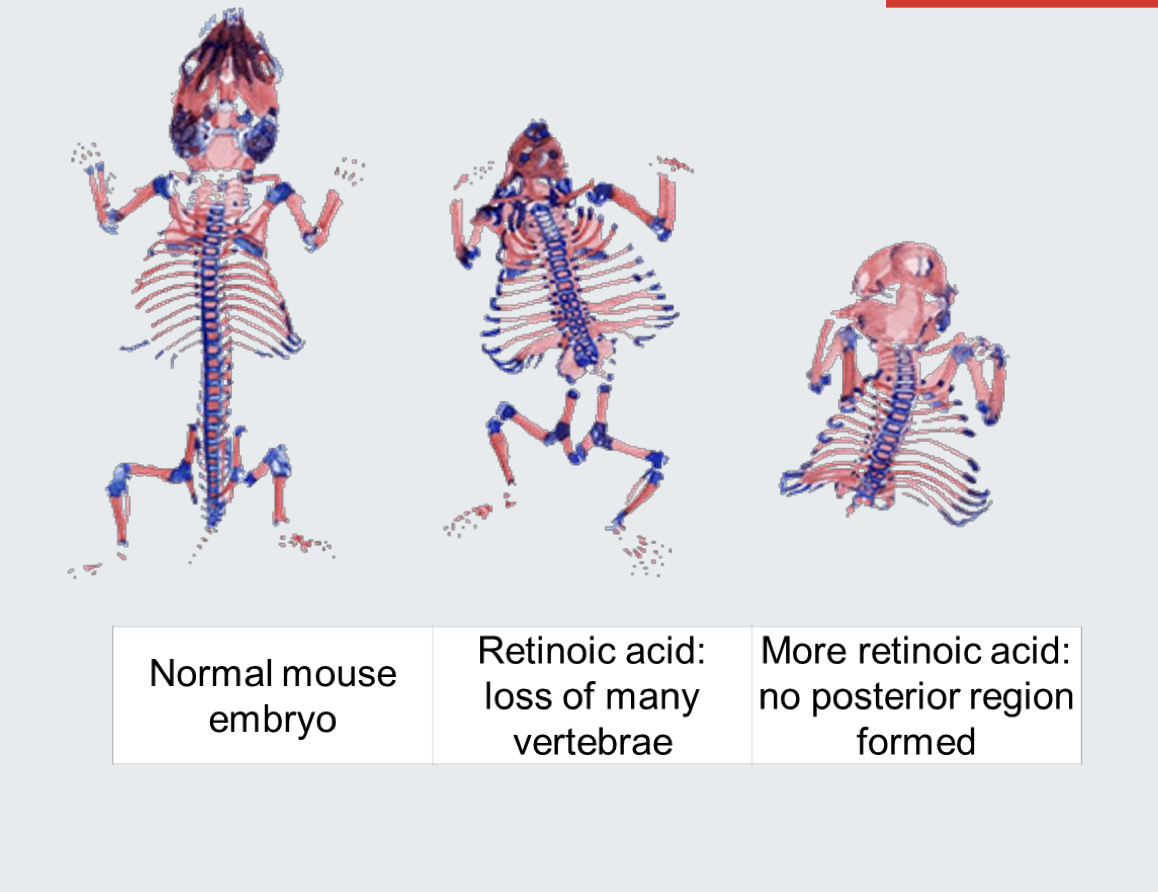
Two of the three mouse embryos show malformations caused by high doses of vitamin A, which was given to their mothers on day 8 of pregnancy.
• Vitamin A has caused the homeotic HOX genes 1-4 (control pattern or selection of growth) to become expressed in groups of cells that usually do not express these genes.
Vitamin A Toxicity
Chronic Toxicity: Occurs with excessive intake (≥10 times the RNI).
Health Implications: Affects skin, mucous membranes, musculoskeletal, and neurological systems.
Teratogenic Effects: High doses during pregnancy linked to malformations.
Tolerable Upper Intake Levels (ULs) for Preformed Vitamin A**
Age | Male | Female | Pregnancy |
|---|---|---|---|
Birth to 12 months | 600 mcg | 600 mcg | - |
1–3 years | 600 mcg | 600 mcg | - |
4–8 years | 900 mcg | 900 mcg | - |
9–13 years | 1,700 mcg | 1,700 mcg | - |
14–18 years | 2,800 mcg | 2,800 mcg | 2,800 mcg |
19+ years | 3,000 mcg | 3,000 mcg | 3,000 mcg |
Summary of Vitamin A
Exists as natural carotenoids and retinoids; found in both plant and animal foods.
Functions across various tissues and organs, with prevalent deficiencies impacting health in certain global regions.
• Vitamin A occurs as natural carotenoids and retinoids
• It is found in plant and animal foods as vitamin A or precursors
• It functions in diverse tissues and organs
• Deficiencies are prevalent in some parts of the world
• Vitamin E toxicity could affect growth and development
• Evidence abounds on the novel roles of vitamin A in different
disorders
Research Findings on Vitamin A Supplementation and Disease Prevention
Systematic Review: Evaluated impact of synthetic oral vitamin A supplementation on mortality, illness, and blindness in children.
Mortality Reduction: 24% reduction in all-cause mortality in analyzed studies.
Reductions in mortality associated with, diarrhea, measles, night blindness, xeropthlamia
Vitamin A and Cancer Research Findings
The Association with Pancreatic Cancer: Inverse correlation found between dietary vitamin A intake, specifically carotenoids, and pancreatic cancer risk.
Breast Cancer Survival: Limited evidence indicating dietary beta-carotene intake impacts survival outcomes in breast cancer patients.
Review of Dietary Advice on Vitamin A by Scientific Advisory Committee on Nutrition of the UK Food Standards Agency (SACN)
• There was insufficient evidence of a link between bone health and vitamin A
intakes to justify a change in dietary advice to all consumers.
• As a precaution people who eat liver regularly i.e. more than once a week
should not increase this amount and should avoid taking vitamin A
supplements.
• It may also be advisable for people at risk of osteoporosis to not consume
more than 1.5 mg of vitamin A a day.
Counter Findings in Vitamin A Research
Negative Effects of Beta-Carotene Supplements: Studies indicate increased lung cancer risk among smokers and overall mortality.
Regulatory Advice on Vitamin A Intake
SACN Findings: No evidence linking vitamin A to bone health changes.
Recommendations against high levels of consumption for regular liver eaters, especially for those prone to osteoporosis.
Case Study Presentation
Acute Vision Loss: Female patient in her early 40’s, Instance of acute vision loss 8 years after undergoing biliopancreatic diversion wth duodenal switch bariatric surgery
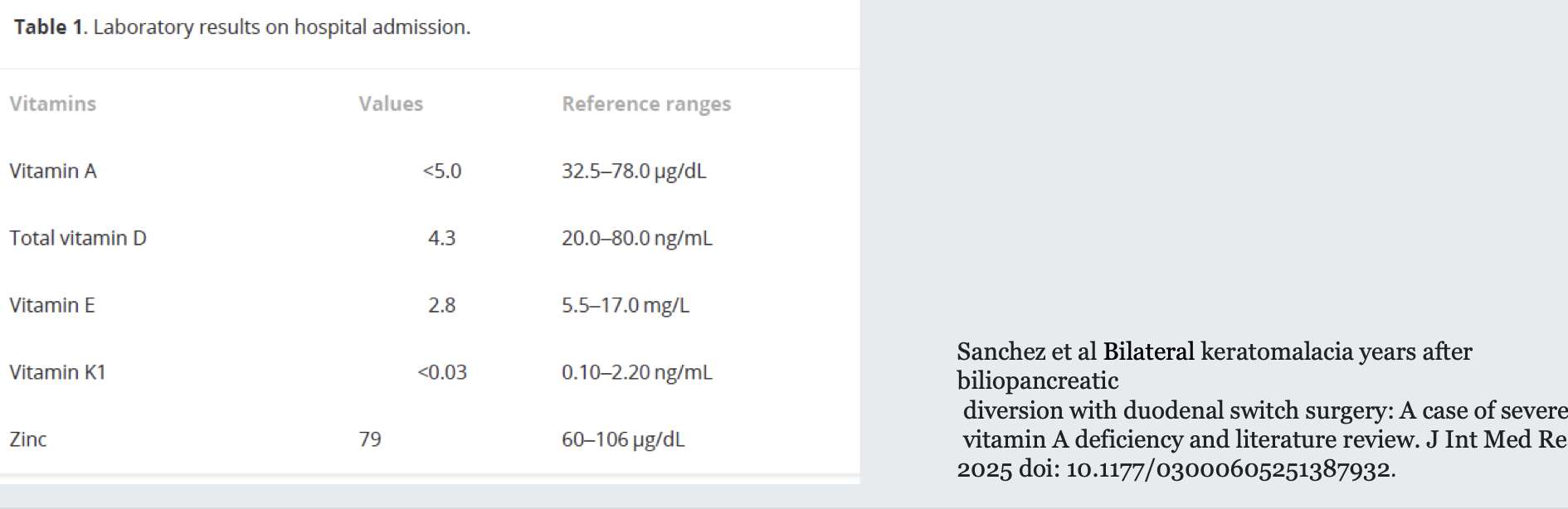
High dose inntramuscular Vit A and total parenteral nutrition resulted in visual recovery and resolution of keratomalacia two months post discharge
Key Readings and Resources
Vitamin A Fact Sheet: NIH Office of Dietary Supplements
Encyclopedia of Human Nutrition Reference: For comprehensive coverage on vitamin A deficiency and dietary considerations in relation to health outcomes.
Question: Vitamin A is a micronutrient that is essential for normal growth and development. Write an essay on the sources, metabolism and the functions of vitamin A.