Lecture 9.1: Person-to-Person Microbial Diseases (finish!!)
How an infected person reaches the potential host (Slide 4)
INSERT IMAGE
Where can respiratory infection occur? (Slide 7)
the nose is a place that is really easy to get infected
mouth not too bad infection
lungs→ worst place for infections
INSERT IMAGE
Infections that occur in the respiratory tract (Slide 8)
2 types of microbes that can infect
INSERT IMAGE
Bacterial Infections
Example of Bacterial infections in the lungs (Slide 10)
starts in the mouth or nose & gets to the lungs
bacterial will stay where it humid
INSERT IMAGE
Example of bacterial infection in the lungs (Slide 11)
immune cells will start to form barriers = increase mucus
INSERT IMAGE
How does M.pneumoniae cause infection? (Slide 12)
mycoplasma pneumonia infection
can cause disease through direct invasion and colonization of host cells
infection results in tissue damage and inflammation → will worsen infection
INSERT IMAGE
Lecture Question 1: Macrolide-resistant M. pneumonia (Slide 14)
why did macrolide resistance in SF and Seattle lag behind the sale of azithromycin?
the bacteria become resistant the more azithromycin is sold the increase of bacterial resistance because it’s being overused → medical field has to keep up with resistance
Insert image
Viral Evolution
Evolutionary Tradeoff: virulence vs. transmission (Slide 18)
Virulence
the severity of a virus to kill its host
more virulent = more copies of the virus resulting in sick hosts (virus replicates faster)
cannot spread virus particles as much because the host is too sick
less virulent = few copies of the virus in a single host
not as sick, so a virus can spread more between hosts
INSERT IMAGE
What is SARS-CoV-1? (Slide 19)
SARS-CoV-1 → severe acute respiratory syndrome coronavirus 1
strain of coronavirus that results in severe active respiratory syndrome (SARS)
respiratory illness responsible for the 2002-2004 SARS outbreak
How about MERS-Cov? (Slide 20)
MERS-CoV → Middle East Respiratory Syndrome Coronavirus 1
another strain of coronavirus that results in severe acute respiratory syndrome (SARS)
first identified in Saudi Arabia in 2012
Comparing MERS, SARS, and COVID-19 (Slide 21)
INSERT IMAGE
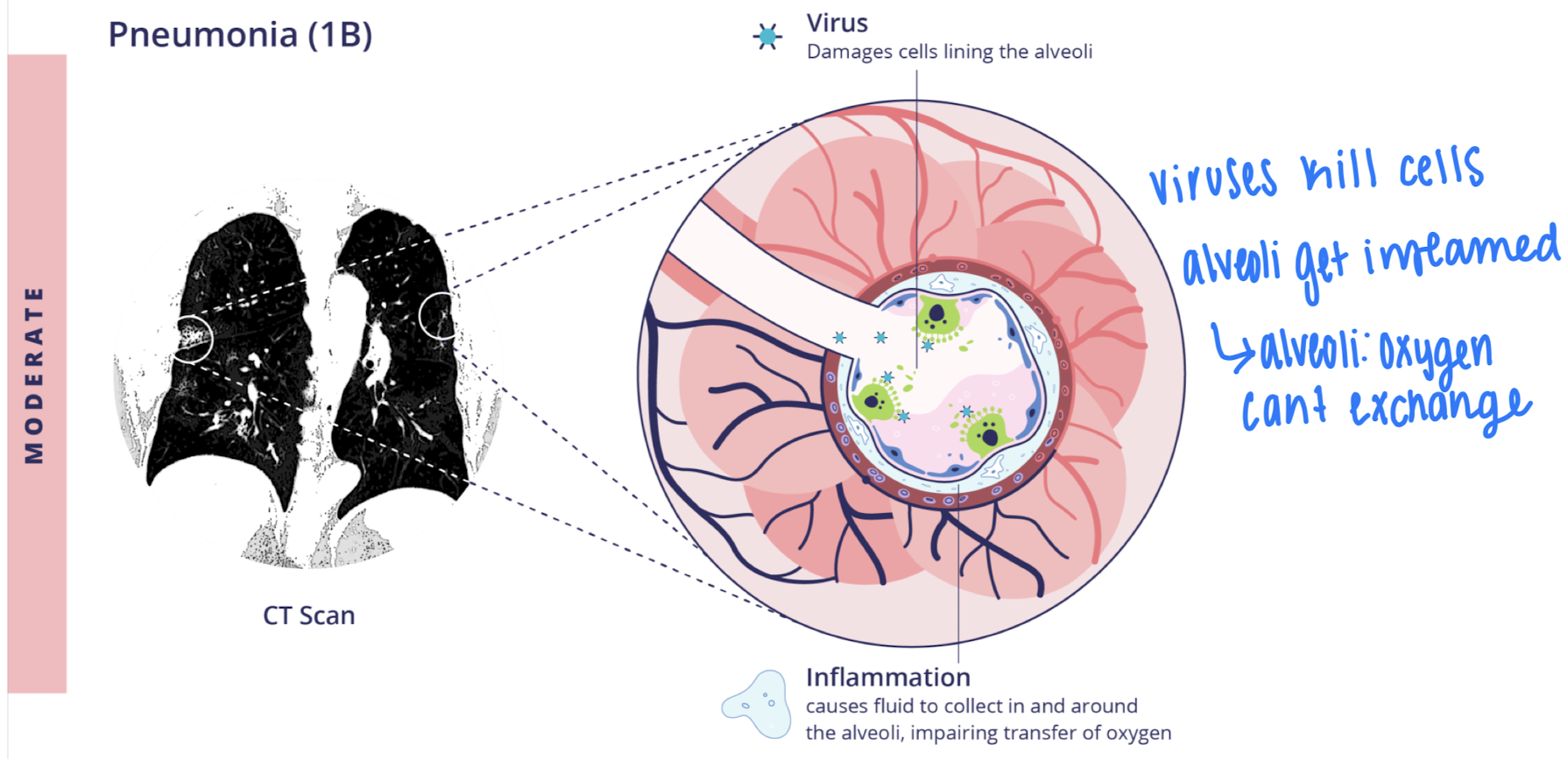
Example of viral infections in the lungs (Slide 22)
viruses kill cells → alveoli get inflamed
alveoli: oxygen can’t exchange
What are phylogenetic trees? (Slide 23)
Phylogenetic Trees
represent a hypothesis about a family of species
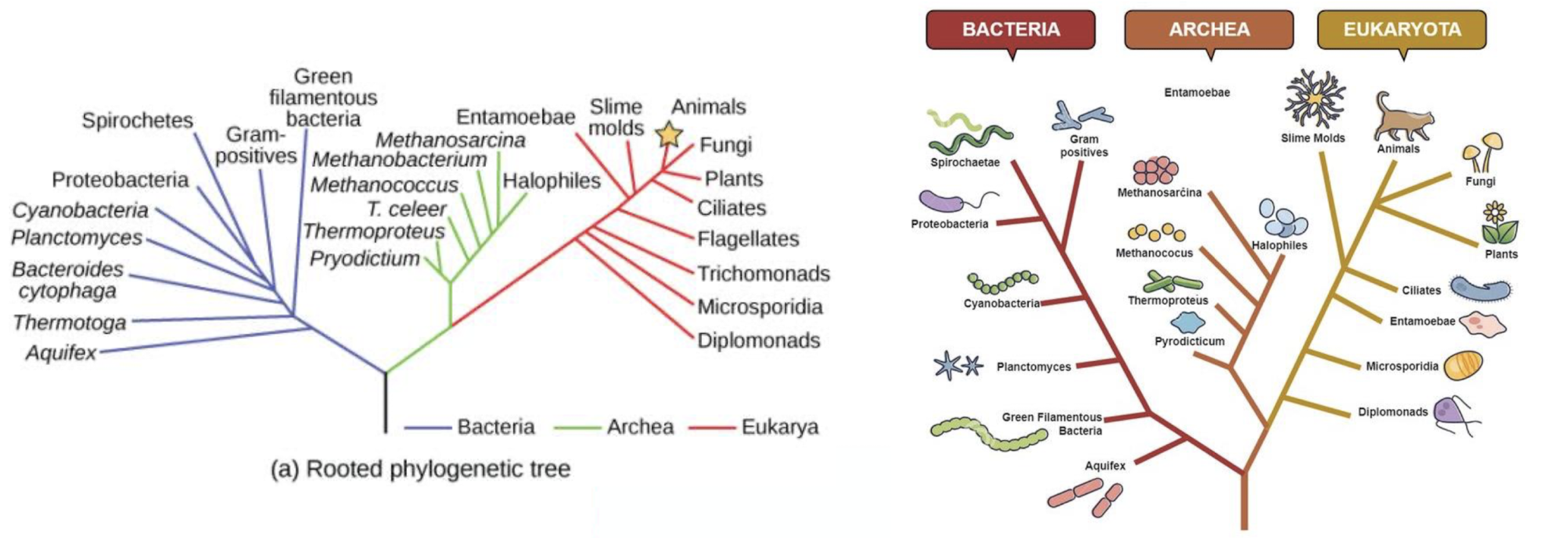
Using phylogenetic trees to study COVID-19 (Slide 24)
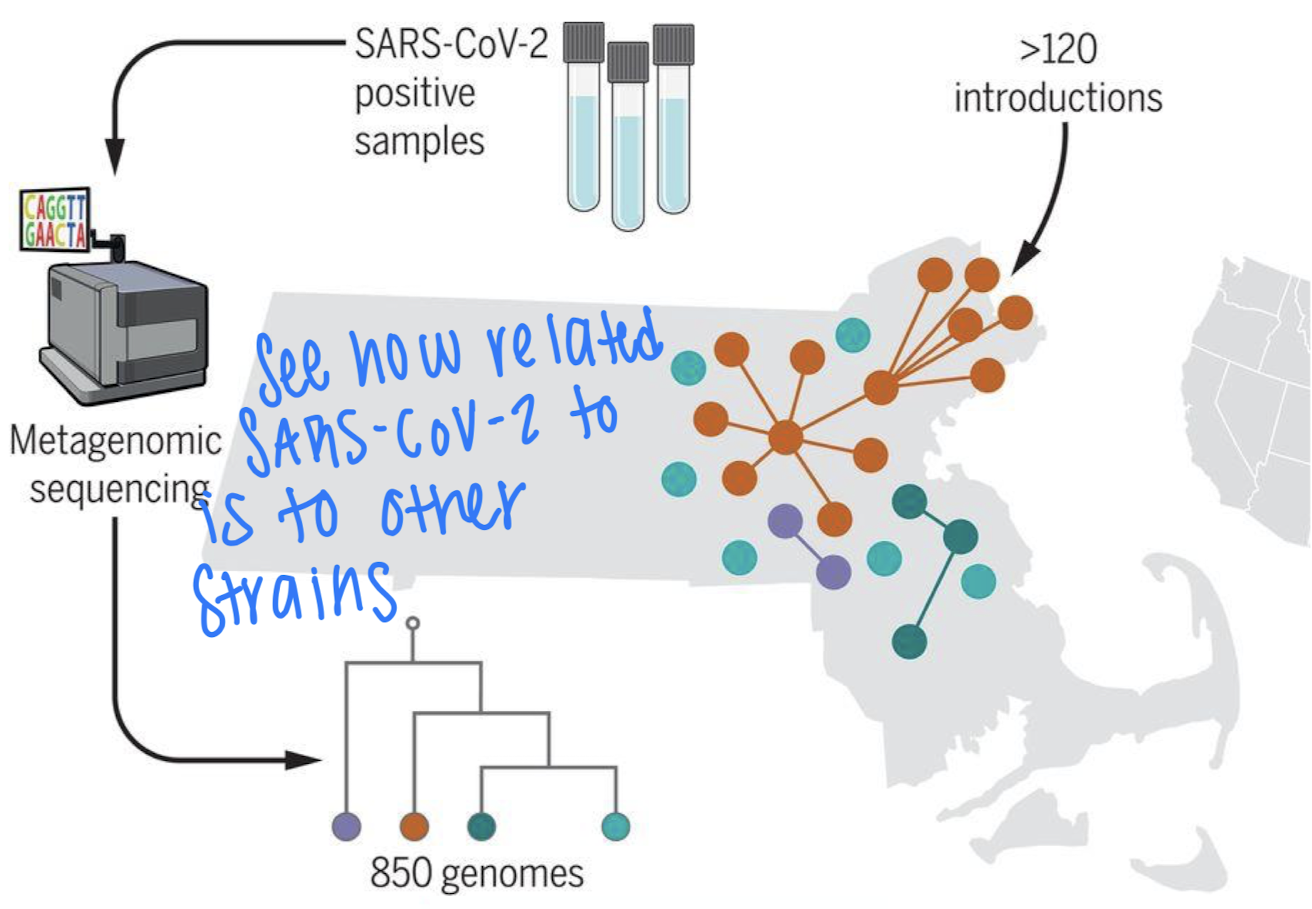
Tracking changes in SARS-Cov2 (Slide 25)
should we be worried about varients in COVID-19?
not all of them
majority of variants are harmless
because not all mutations result in more virulent variants
not all mutations resulted in more virulent

Measle & Vaccine Hesitancy
The case of Measles (Slide 28)
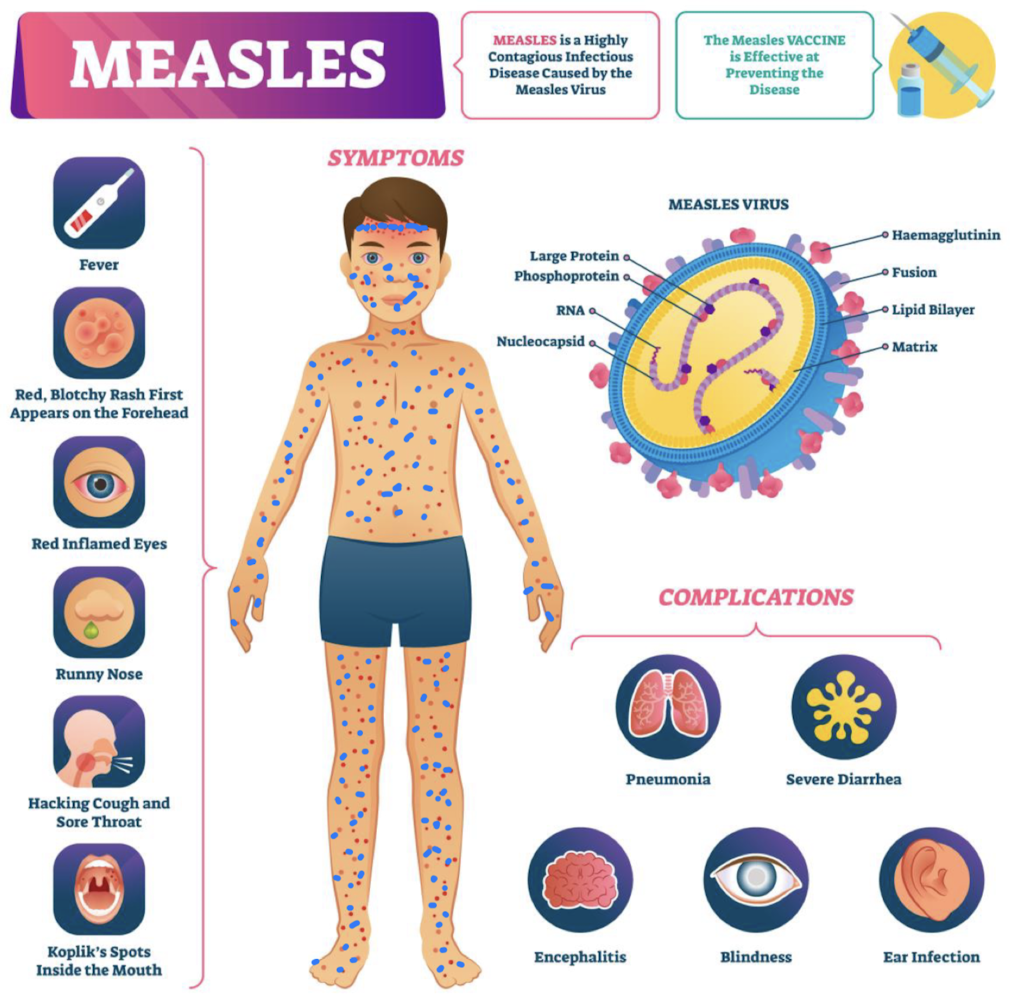
Measles Virus
one of the world’s most contagious diseases
spread by close or direct contact with infected nasal or throat secretion (coughing or sneezing)
after the initial infection, spreads throughout the body, causing severe disease, complications and even death
one person infected by measles can infect nine out of 10 of their unvaccinated close contacts
how to avoid it: get vaccinated
Who is at risk of measles infection? (Slide 29)
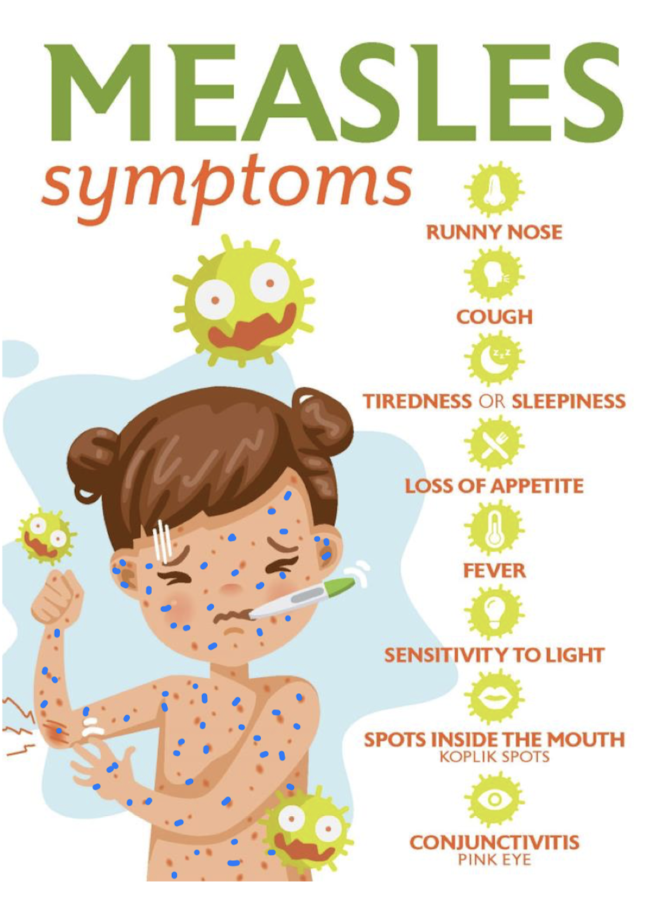
Measle Infection
any non-immune person (not vaccinated or vaccinated but did not develop immunity) can become infected
unvaccinated young children and pregnant persons are at highest risk of severe measles complications
measles is still common, particularly in parts of Africa and Asia
majority of measles deaths occur in countries with low incomes or weak health infrastructures that struggle to reach all children with immunization
Why is it important to get vaccinated? (Slide 30)
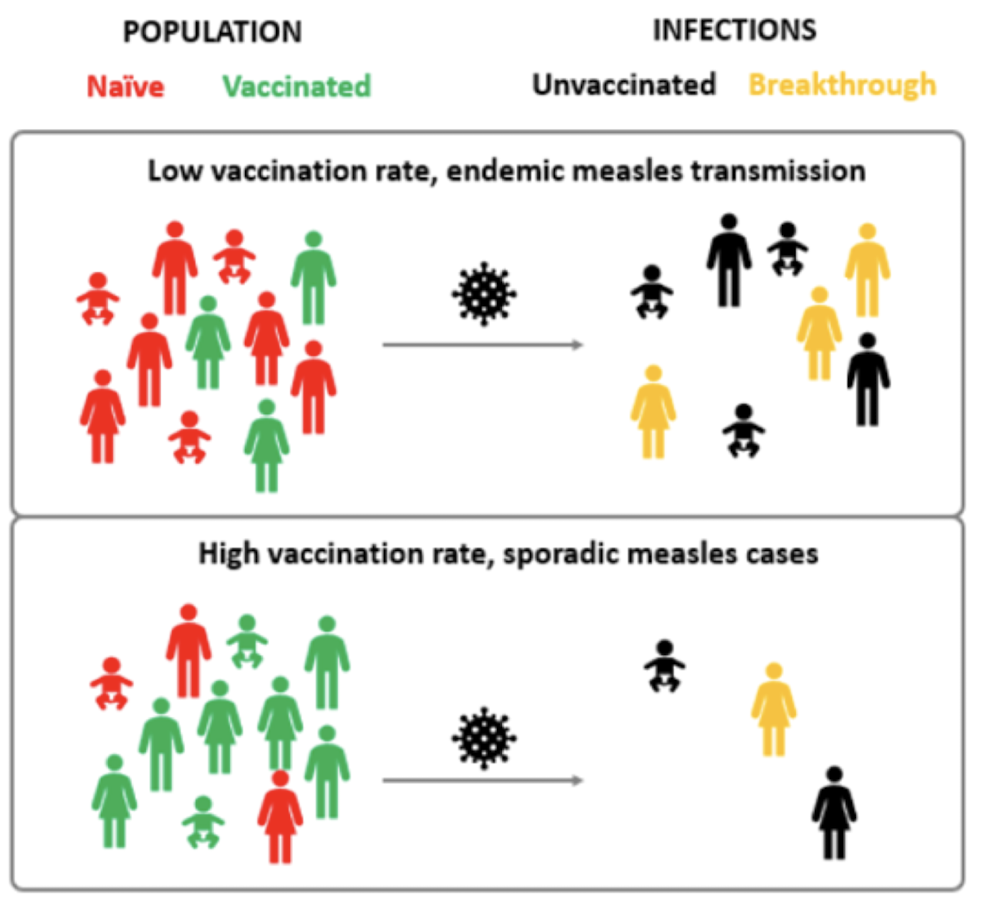
get vaxxed for those who cant
cases of measles have increased since 2010