5.1 Energy Changes in Chemical Reactions
Thermochemistry
- Chemistry: the study of matter and its transformation
- Thermochemistry: the study of energy changes that accompany transformation
Energy
- Energy: the ability to do work.
- Work: energy transfer to an object by a force that causes the object to move.
- Measures in joules (J) or calories (cal).
- 1 cal = 4.18 J
- 1 Cal = 1000 cal = 1kcal
- 1kcal = 4.184 kJ
- All forms of energy may be
- Potential: energy of a body or system due to its position or composition.
- Kinetic: energy of an object due to its motion.
Thermal Energy
- Thermal: the combined kinetic and potential energy of system (total).
- Temperature: A measure of the average kinetic energy of the particles in a substance.
- Cold things have more potential and less kinetic.
- Hot things have a lot of kinetic and less potential.
Law of Conservation of Energy
Energy cannot be created to destroyed; it is only converted from one form to another.
- Example: combustion reactions.
- Potential energy stored in bonds is converted to light and heat.
- We cannot measure the energy released by breaking bonds or energy gained from new bonds being created. We can measure the net change in energy of the system through heat given off or heat absorbed.
- We can measure the surroundings.
Chemical Systems
- When analyzing heat transfer, we split the universe in two
- Chemical system: the reactants and products.
- Surroundings: matter not part of the system.
- Example of lighting a bunsen burner.
- System: oxygen, methane, carbon dioxide, water
- Surroundings: bunsen burner, air molecules
Types of Systems
- Open: system where energy and matter can freely move in and out.
- Closed: system where matter cannot escape but energy can still flow in and out.
- Isolated: system where neither matter nor energy can flow in or out of the system. This is considered impossible and theoretical.
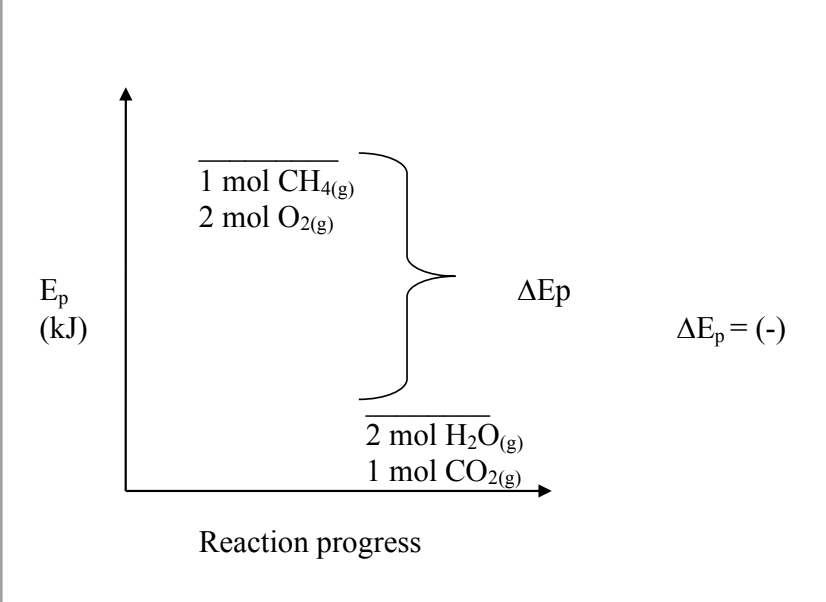
Exothermic Reaction
- The system releases energy to the surroundings (surroundings gains energy therefore it feels warm).
- Energy change would be negative. Reactants minus products.
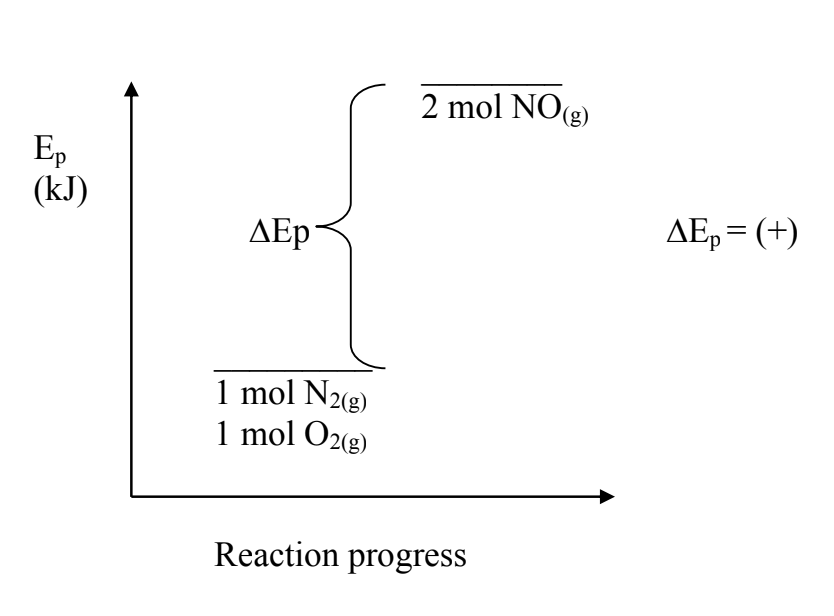
Endothermic Reaction
- The system absorbs energy from the surroundings (the surrounding loses energy and therefore it feels cold).
- Energy change is positive. What you experience is not that positive energy change → you experience the surroudings. It is always inversely related.
Systems Studied
- Physical change: change of phase.
- Liquid to gas.
- Can be endo or exo.
- Chemical change: reactions.
- 2 gases into a liquid.
- Can be endo or exo.
- Nucelar change: fusion, fission.
- H + H = He
- Physical and chemical changes can be either endothermic or exothermic. Nuclear reaction are all exothermic.