Economic Incentives and Consumer Choice
Economic Incentives
Why do you spend time studying for a test? It's possible you enjoy learning the material—if so, that's great! But the major reason most students dedicate time to studying is to get a good grade on the test. A good grade is your incentive for studying. It is a positive incentive—a reward or other enticement that encourages a behavior. You are encouraged to study because you'll get a good grade in return.

Note: This image is not a recommended study tactic.
Incentives aren't always positive, though. A negative incentive is a penalty that discourages a behavior. For instance, speeding tickets are negative incentives designed to discourage you from driving too fast.
Incentives can also be divided into two other categories. The first category is extrinsic incentives—external rewards such as wealth, fame, or praise. A good grade on your test would be an extrinsic incentive for studying. But you can also have intrinsic incentives—internal psychological rewards. These incentives include personal satisfaction and feeling like you're making a difference.
People respond to incentives in all areas of their lives, and financial decisions are no different. Consumers, producers, workers, savers, investors, and citizens each have different economic incentives that influence the way they allocate their scarce resources.
Consumers
Producers and sellers can offer many different incentives to consumers. To find examples of these, all you have to do is watch a few commercials. Advertisements are filled with enticements to get consumers to shop at a particular store or buy a particular product. One of the biggest incentives for consumers is a low price, but consumers also want to feel like they're getting a good value. Automotive and furniture companies might offer cash back or zero percent interest to attract customers, and the classic, "But wait, there's more," is an infomercial cliché because it works. Consumers want to feel like they're getting value. By offering small extra incentives, companies entice more consumers to do business with them.
Producers
We've already talked about the importance of a profit motive in market economies, and profit is certainly the chief incentive for producers. If it's not profitable for a producer to make a good or service, then it won't get made. This is why the supply of a product increases as the price increases. The greater return that producers get for expending their effort and resources, the more they'll be incentivized to make that product.
Workers
Why do most people work? There may certainly be some intrinsic incentives such as personal satisfaction, but the main reason is for pay and benefits. Workers may earn an hourly wage or a salary, and full-time employees get benefits such as health insurance and retirement plans. The more skills and knowledge that are required for a particular job, the more workers will be compensated. This incentivizes workers to improve their capabilities and gain new experiences.

Savers
People put money in savings accounts for several reasons. First, they may feel it's safer in a bank than under their mattress. A fire or a burglar could rob them of their life savings if they keep the cash in their house. Although it's true that their bank could go out of business, the American government guarantees deposits up to $250,000. Second, having money set aside in a special account can lessen the desire to spend that money. If there was a lot of extra cash lying around your house, there would be a much greater temptation to spend it. Third, savings accounts pay interest. This incentive is one that banks have some control over. If a bank wants to attract more customers, then they can increase the interest rate they pay their customers. This will incentivize more savers to open accounts at their bank.
Investors
Savings accounts offer safe returns, but those returns are small. For that reason, many people invest the money instead. Investments are riskier, but investors are incentivized by a higher rate of return. (For instance, a $1,000 investment might earn the investor $100 a year, while a saver would only earn $15 a year in a savings account.) Capital gains and dividends are the most common incentives for investors. A capital gain is the profit made from the sale of an investment such as stock or real estate. If you sell an investment for more than you paid for it, you earn a capital gain. A dividend is a distribution of profits to investors. If you've invested in a successful company, you'll often receive dividend checks throughout the year. Through dividends, you get a return on your investment without having to sell it.
Citizens
Citizens in a democratic market economy have an incentive to vote for politicians who share their views. If they believe that the economy will benefit from certain policies and suffer from others, they will vote according to those beliefs.
Interest Groups
Interest groups are collections of citizens who have an incentive to influence politicians to vote in ways that benefit their group. These groups will send lobbyists—activists who attempt to persuade politicians to vote for legislation that benefits their group—to Congress. For instance, corn farmers might form an interest group to send lobbyists to Congress. They then instruct their lobbyists to push for an increased subsidy for corn ethanol (a form of fuel made from corn biomass). Increased subsidies from the government would help those farmers make a greater profit from their cornfields.
Consumer Choice and Utility
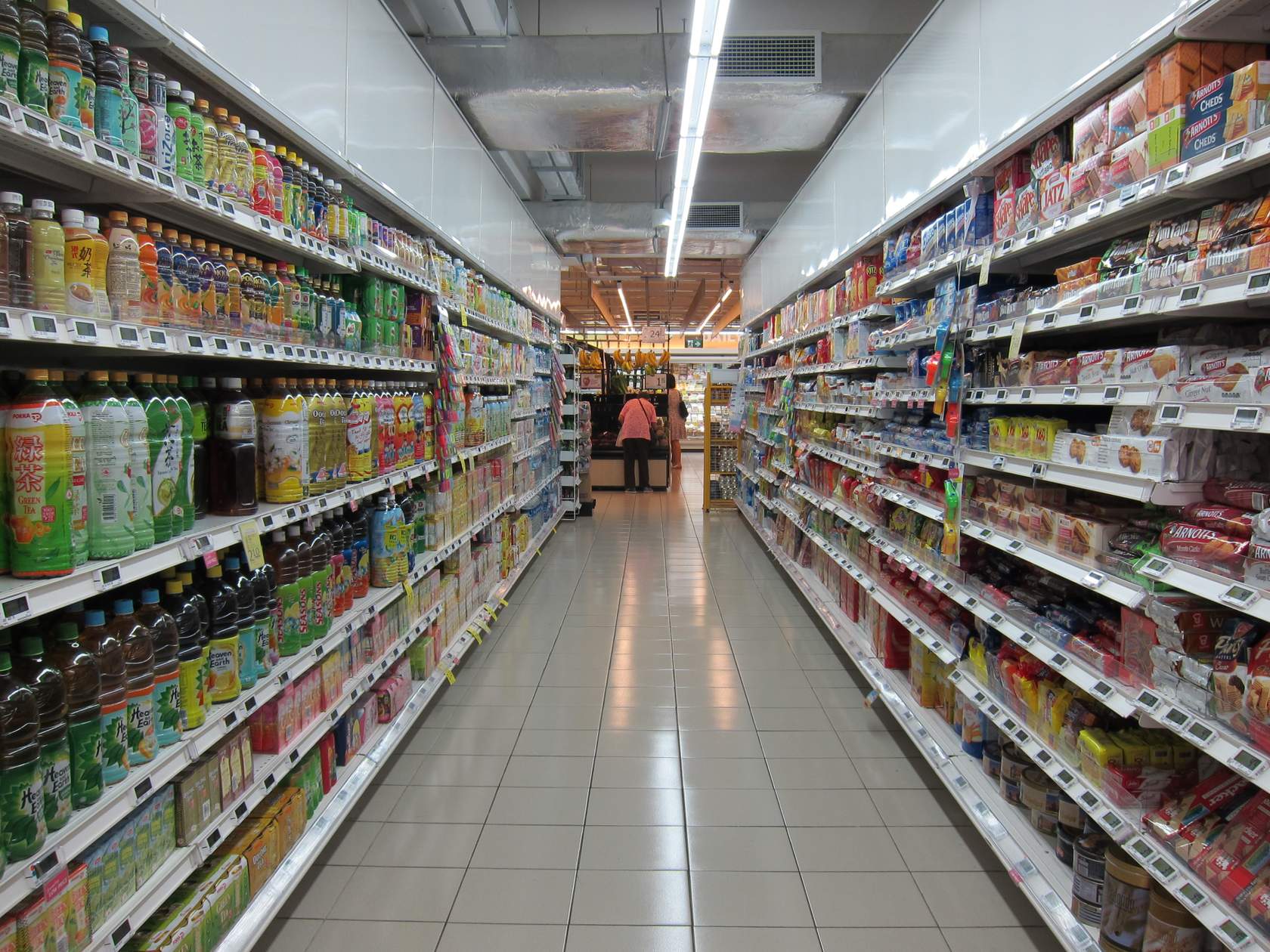
We've talked a lot about the factors that go into making economic choices. Now we're going to drill down deeper into the decision-making of consumers. We want to spend extra time on this because the choices that consumers make are paramount in market economies. Market economies put an extreme amount of power in the hands of consumers. Their wants and desires direct all the economic resources in the nation; therefore, it is vital to understand what shapes their preferences and how they make purchase decisions.

Consumer Sovereignty
Earlier in the course, we said that one of the characteristics of a market economy is consumer sovereignty. This concept says that the desires of consumers determine what goods and services producers create. Producers can manufacture as many goods as they want. But if consumers don't buy those goods, the producers will go out of business, and then the goods will stop being made. In a market economy, producers must figure out what consumers want and then create products that fulfill those wants. Consumers are constantly casting "dollar votes" that tell producers which goods and services they should keep making. If consumers buy more of something, producers will make more. If they buy less, then producers will make less.
There are many reasons why consumer preferences might shift away from a particular product, but new technology is chief among them. The rapid growth of new inventions in the twentieth and twenty-first centuries has made many goods and services obsolete. Video rental stores like Blockbuster were made obsolete by Netflix. Cable television and DVDs have also seen reduced demand thanks to streaming technology. In the past, people always took road maps with them when they traveled. Thanks to GPS, road maps are now antiquated and unneeded.
Health and environmental concerns can also change consumer preferences for certain items. Asbestos is no longer used to insulate homes because it damages the lungs. Demand for fossil fuel products has declined due to environmental concerns. Conversely, changing consumer preferences have increased demand for organic foods and battery-powered cars. Like technology, health and environmental concerns can positively affect some products while negatively affecting others.
Consumers have an enormous amount of power over what's produced in a market economy. If consumers think a product is harmful or unsafe, all they need to do is stop buying it and convince their fellow consumers to do the same. If enough consumers cast their dollar votes elsewhere, producers will be forced to stop making the product because there won't be enough consumers willing to buy it.
Consumer Utility


Why do you buy the products that you do? What makes you choose a Samsung Galaxy versus an iPhone, or vice versa? Why might you buy Oreo cookies instead of Chips Ahoy? You make these decisions because you expect to get more satisfaction from one option than you would from the other. You think that an iPhone will be faster or have more useful apps, so you get an iPhone. You think the Oreos will taste better, so you buy them. Consumers buy the goods and services they do because they get satisfaction from them. This satisfaction is called utility.
The utility of a product exists not in the product itself, but in the consumer's reaction to the product. Each individual can thus get a different amount of utility from the same product. You may love broccoli and therefore get an enormous amount of utility from eating it. Conversely, someone who hates broccoli won't get any utility out of it.
Utility is an inherently unmeasurable thing. You might take into account measurable factors such as fat or calorie content, but you can't put a number on the amount of happiness you get from the good taste of an Oreo. Nevertheless, in economics, we assume that consumers are acting as if they can measure utility and that they make consumption decisions that maximize the utility they gain.
Because consumers only have so much money available to them, they must utilize that money in a way that will bring them the most utility. A family might love to take a trip to Disney World, but perhaps that trip won't bring them as much utility as twenty meals at a restaurant. Each individual meal brings them less utility than the trip to Disney World, but the total utility they get from all twenty meals is greater than the total utility they get from the one trip to Disney World. So the family decides to skip the trip because they will get more happiness and benefit from spending the money elsewhere.
Thus, consumers are trying to maximize the amount of utility they get per dollar spent. When manufacturing products for consumers, producers need to take price into account. They might have an amazing product, but if it is priced too high, there won't be enough utility for consumers to buy it. The utility per dollar will just be too low to be worth the expense.
Because the goal of all consumers is to maximize utility, and because most have a budget constraint—a restriction on their total spending—the price of goods will almost always have a significant impact on consumer choices. This is why consumer demand always falls as the price of a good or service rises.
Review of Key Terms
positive incentive: a reward or other enticement that encourages a behavior
negative incentive: a penalty that discourages a behavior
extrinsic incentive: an external reward such as wealth, fame, or praise
intrinsic incentive: an internal psychological reward
capital gain: profit made from the sale of an investment such as stock or real estate
dividend: a distribution of profits to investors
interest group: a collection of citizens who have an incentive to influence politicians to vote in ways that benefit their group
lobbyists: activists who attempt to persuade politicians to vote for legislation that benefits their group
consumer sovereignty: the concept that the desires of consumers determine what goods and services producers create
utility: the satisfaction consumers get from goods and services
budget constraint: a restriction on total spending
Consumers may be willing to buy a lot of something, especially if it's at a low price. But producers must decide if there is an adequate incentive (i.e., an adequate profit) for them to make the product. In the next lesson, we'll talk about how revenue, profit, and production costs impact the choices made by businesses.