The History of Policing in England
The History of Policing in England
Early Developments
Communal Oversight and Control: Various forms of community governance have existed throughout human history, emphasizing oversight and control.
Roman Contributions:
In the early 1st century CE, Augustus, the Roman Emperor, established the Vigiles (firemen and watchmen) and the Cohortes Urbanae (responsible for crowd control and occasional military duties).
The Vigiles served dual roles as night watchmen, modeled on Egyptian practices, indicating the early separation of policing responsibilities based on specialized functions.
Early English Policing
Saxon and Jute Kingdoms:
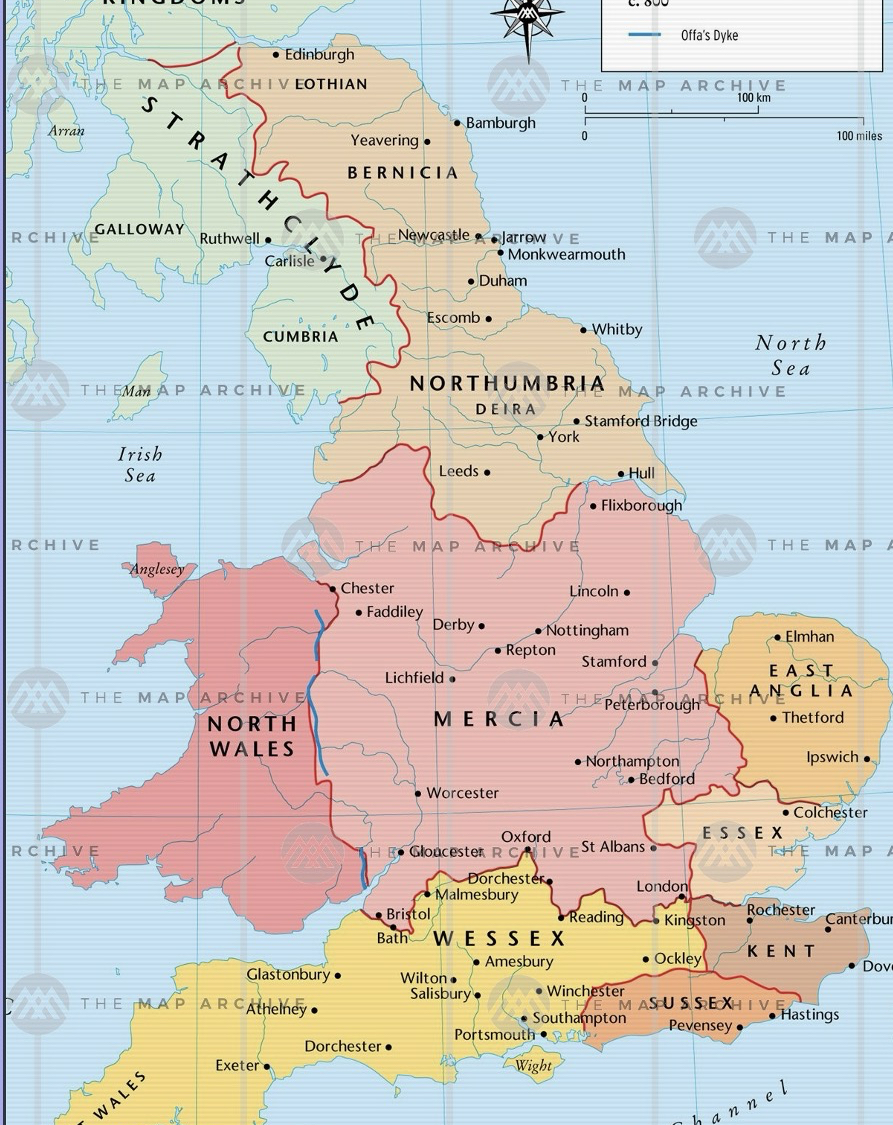
These kingdoms were divided into administrative subdivisions called Shires, Hundreds, and Tithings.
Each tithing elected a representative known as a Tithingman, tasked with maintaining order within their district.
The Shire Court could issue summons for any member, and if the Tithingman could not ensure attendance, the entire Tithing was held liable.
The Coming of the Constables
Following the Norman invasion, community policing roles were formalized under the Frankpledge system:
A structure was established where communities engaged in self-policing to some extent, even under a hierarchical authority.
Constables:
Originally cavalry officers mandated to maintain order as needed.
By 1285, two primary roles emerged:
Lord High Constable: Commander of the army with military authority.
Law Enforcers: Appointed to enforce laws within Hundreds (districts within shires).
These roles eventually merged into what would be known as petty constables.
Keeping the Peace Pre-1829
Lack of Consistent Policy:
Lack of uniformity led to policing managed at local or parish levels.
Local yeomanry were accountable to regional magistrates, often inadequately compensated, with many constables unpaid or hiring substitutes for their roles.
Towns employed nightwatchmen, frequently comprising vagrants, reflecting a system reliant on individuals with questionable reliability.
Ancient and Medieval Times: Superstition and Divine Justice
Crimes as Disruption of Divine Order: Crime was perceived as a violation of divine order, leading investigators to resort to methods such as trial by ordeal.
Trial by Ordeal:
Included ordeals of fire and water to determine guilt or innocence, ending in 1215 when the Pope ceased to support such practices due to corruption and the undermining of clerical authority.
Until 1536, sanctuary for wrongdoers was still a prevalent practice, allowing them temporary refuge.
Transition to Trial by Jury and Confession
Trial by Jury: Although established by the 1215 Magna Carta, access was limited and justice was often contingent on social status.
Need for Confessions: Confessions grew crucial due to the absence of direct evidence in many cases. Interrogation techniques included torture to elicit confessions, concluding investigations once a confession was obtained.
Social Dynamics and Policing
Creation for the Ruling Class: Local systems were developed mainly to support the interests of the ruling class.
Shire Reeve (Sheriff): The King’s representative overseeing legal matters.
Justices of the Peace: Appointed by the King, often landowners themselves.
Local constables and watchmen, untrained and part-time, connected with the communities they served.
The Hue and Cry system required community members to respond to calls for assistance.
Justice and Social Hierarchy: Dominant social structures influenced investigations, favoring cases involving nobility, often undermining fairness in justice.
Ethical Implications
Punishment Over Investigation: Swift punishments were common, prioritizing immediate retribution over thorough investigations, leading to a justice system that often favored the affluent.
Divine Justice Continued Beyond 1215
Witchcraft as Divine Justice: Despite the cessation of trials by ordeal, the persecution of alleged witches persisted well after 1215, with notable instances such as:
Jenny Horne: Last executed for witchcraft in 1727.
Helen Duncan: Convicted in 1944 under the Witchcraft Act of 1735, perceived to endanger national security during WWII against alleged espionage.
Legacy and Modern Concerns
Remaining Aspects of Divine Justice: Modern questions often arise concerning the ongoing legacy of social status in justice, alongside considerations of fairness across different demographics (class, gender, culture, and race).
A Shift in Police Structure: 1829
Robert Peel and the Metropolitan Police: The Metropolitan Police Service, established by Robert Peel in 1829, arose from the need for organized policing due to urbanization and social disorder.
Professionalism in Policing: A cadre of professional constables became essential for maintaining the law effectively, thus replacing less organized and historically rooted systems.
Police Area Structures
Organizational Structure: Transitioned from a medieval parish system to city and borough forces, resulting in nearly 250 police services by 1900.
Municipal Corporations Act (1835): Established the basis for police committees, leading toward a more structured police system across counties and cities.
Royal Commission of 1960: Reassessed police organizations, reducing forces and encouraging local leadership and accountability.
Police Radicalism and Solution Responses
Labor Rights and Strikes: The police force became a site of class conflict, with significant events in the mid-19th century including strikes and mass resignations demanding fair pay, leading to increased attention on police professionalism.
Leading Figures in Police History
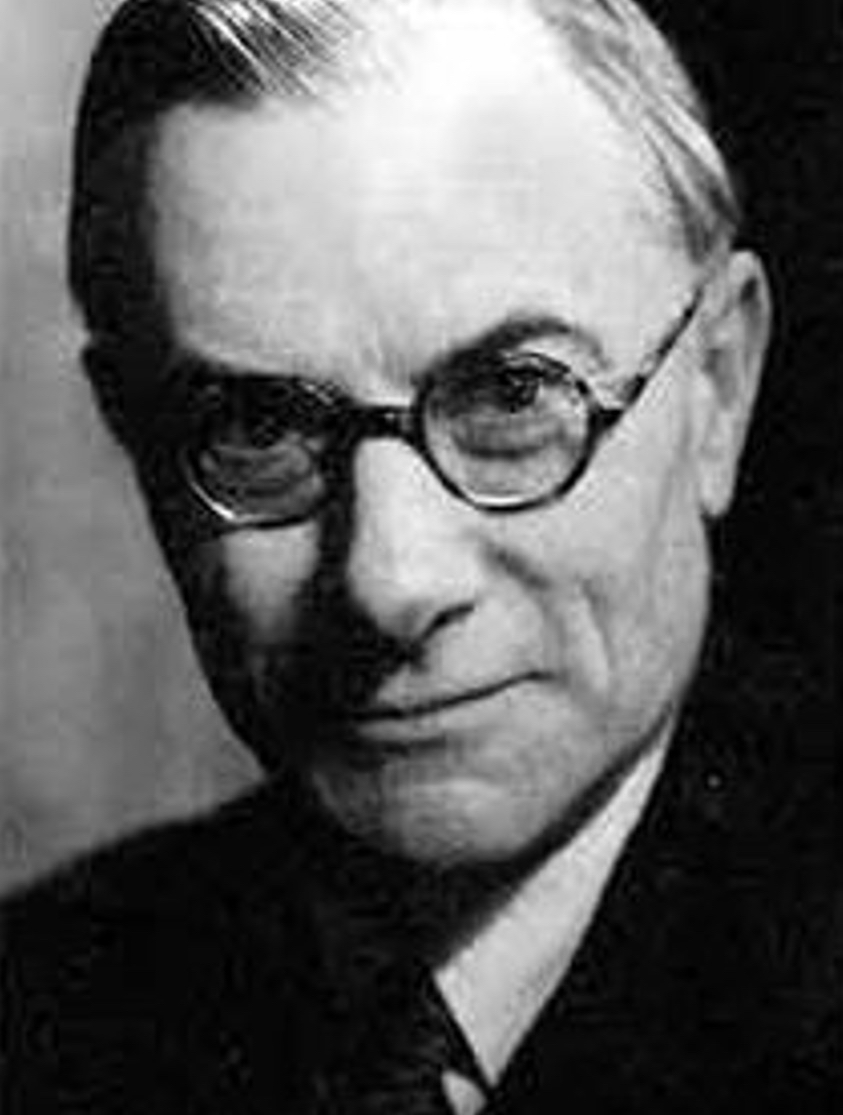
Athelstan Popkess (1929 - 1959):
Key innovations included establishing reliable communication, mobile patrols, and adopting traffic safety measures. His controversial tenure introduced numerous modern policing techniques, though he faced criticism over his views on race and morality.
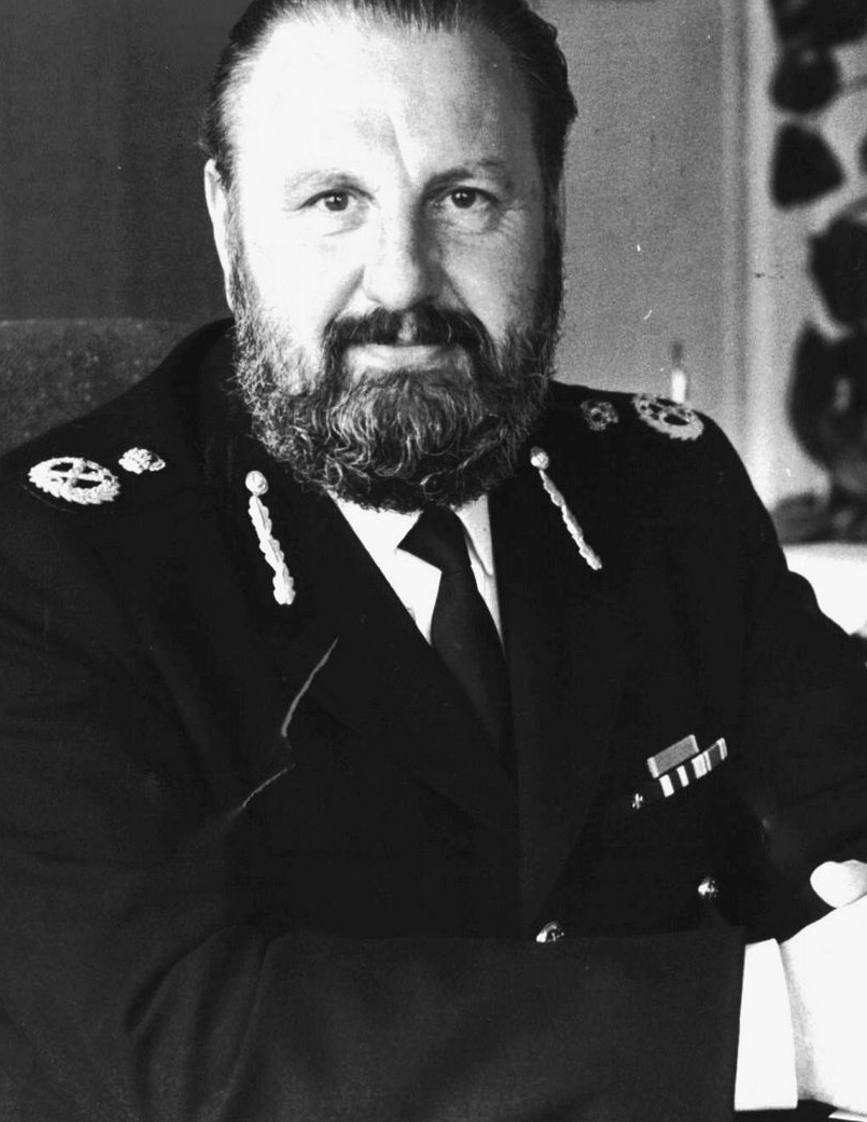
James Anderton (1976 - 1991): Known for leading policing during significant social disturbances, Anderton's approach reflected a strict adherence to moral enforcement, and his legacy is debated in contemporary contexts regarding ethics and societal changes.
Modern Police Challenges
Post-1960s Developments: Increasing incidences of corruption, racism, and political policing have continued to plague public trust in law enforcement.
The tension between public perception and actual police practice persists, highlighting the ongoing contradiction found within policing paradigms.
Conclusion: Legacy Observations and Ongoing Concerns
Recognition of the historical context surrounding the development of policing is essential, understanding how past injustices inform contemporary issues. The interactions between class, race, and policing ethics continue to provoke discussion and analysis in present-day law enforcement evaluations.