Myths and Moundbuilders - Woodland Period
^^Sites^^
==Key terms==
%%Themes%%
@@Names of people@@
- ^^Cooper Site, OK^^
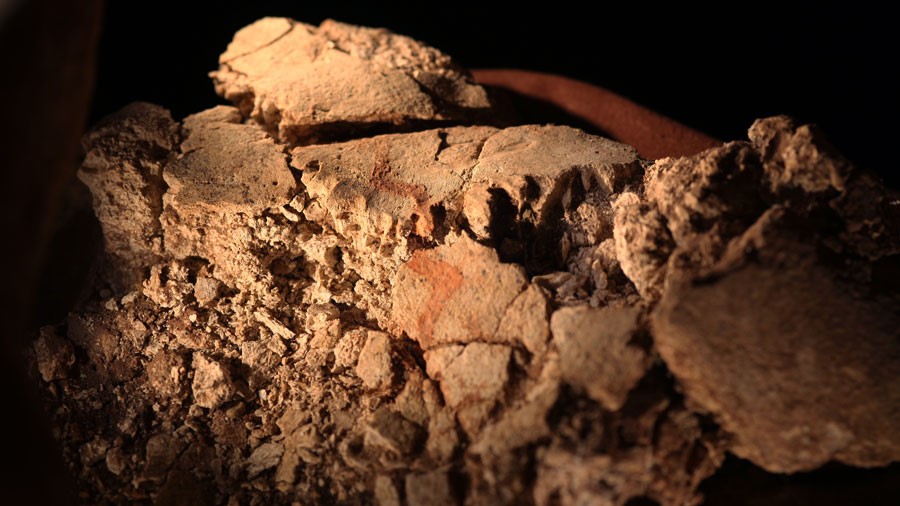
- Archaeologists discovered a bison skull with zig zag markings painted on
- Could be representative of a snake or lightning strike
- Early Ceramics
- Generally known as being in the ==Stallings Island Style==
- Can be found from Jacksonville, FL to Savannah, GA
- Artifacts of the same style can be tracked as diffusing from island to island up to North America
- Fiber tempered pottery
- Fired pottery with palm fronds that have been stripped and put in with the clay
Woodland Period (2000 BC - 100 AD)
Period of cultural change
- Domestication of plants
- Particularly Marsh Elder, Goosefoot, sunflowers, pumpkins, and gourds
Hallmarks of the Woodland Period
- %%Ceramics and Horticulture%%
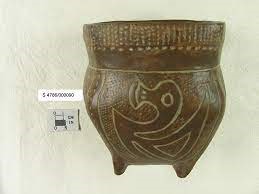
- Ceramics tended to be based on tetrapod feet and have water-bird imagery
Eastern/Middle Woodland Period (500 BC - 900 AD)
==Adena Culture==
- , some of which are still being used for burials today in modern graveyards
- Named after the ^^Adena Mansion in Ohio^^, where the first mound was excavated
- Home belonged to the first governor of Ohio
- The mound is no longer there and was replaced with suburbs
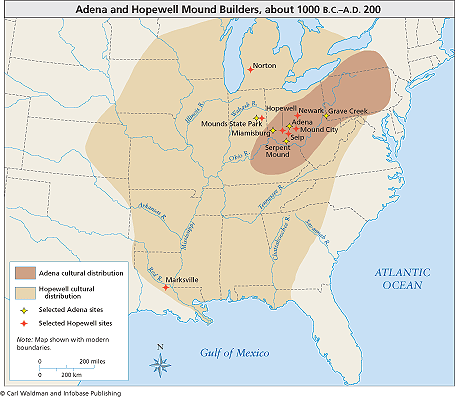
^^Grave Creek Mound, Grave Creek, WV^^
- No longer there, a park was built on top of it
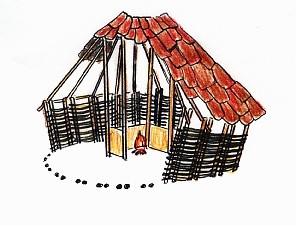
%%Adena culture had a round architectural shape%%
- ==Round Houses==
- Stick walls covered with clay, a slab roof made from bark, open doorway, and a smoke hole
- ==Log Tombs==
- Tombs were accompanied by freshwater pearls
- Other burial types include extended, multi burials, skull burials with copper headplates, and flexed burials
- Elites would usually be cremated or buried extended
- Common people tended to be buried in multi or flexed burials
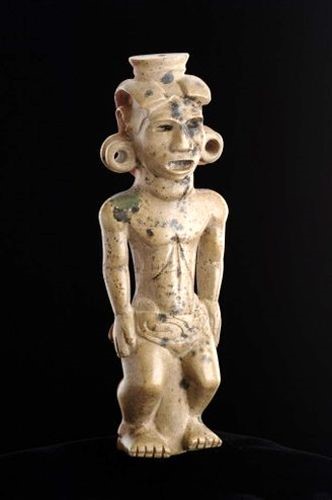
## Adena Style Objects
- ==Anthropomorphic Pipes==
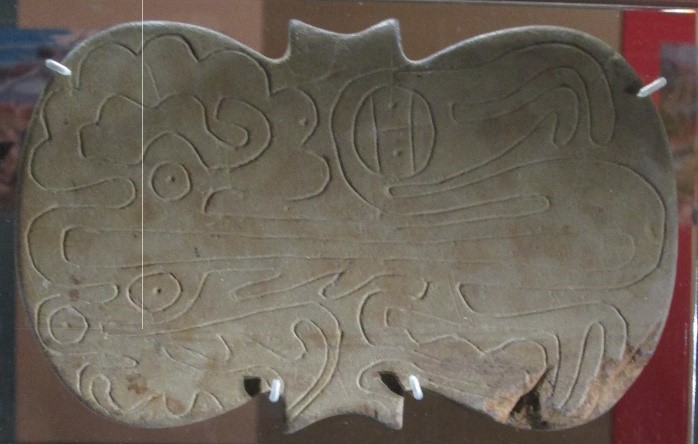
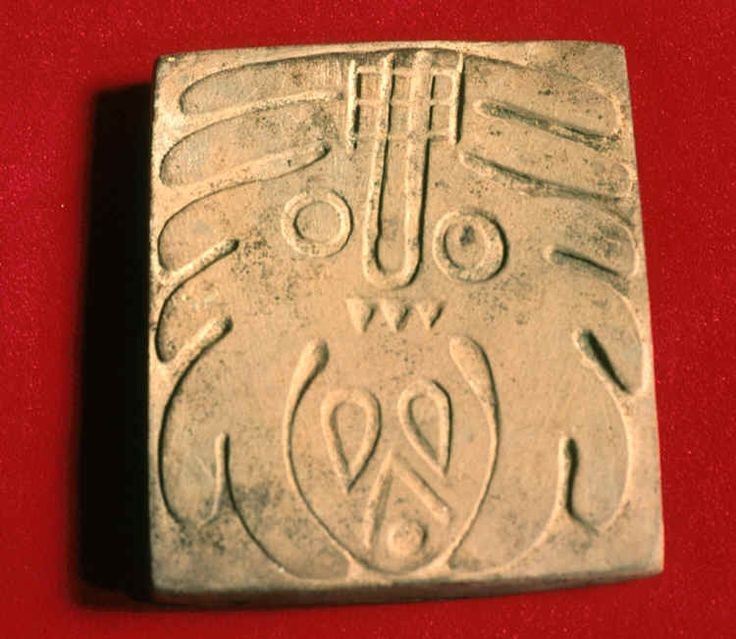
- ==Engraved Tablets==
- %%Major themes include birds and spiders%%
- Could have been used as a template for tattooing or painting
- Notable tablets include the ==Berlin Tablet, Wilmington Tablet, Waverly Tablet, and the Gaitskill Tablet==
- ==Tubular pipes==
- ==Reel-shaped gorgets==
- ==Copper bracelets==
- Copper ear flares
- ==Well-made arrowheads==
Adena Ritual Practices
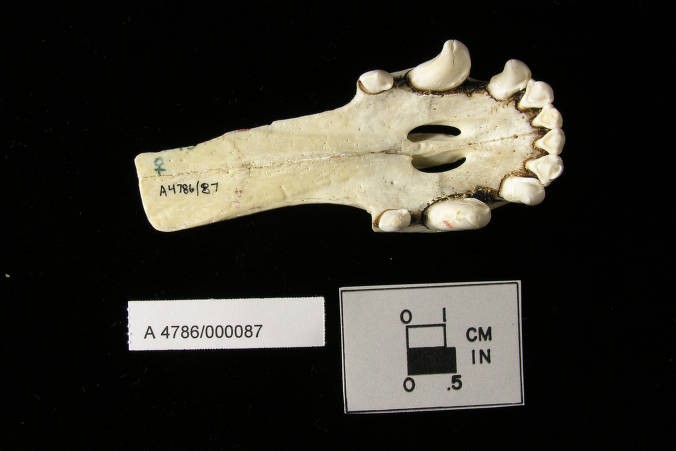
- ==Wolf mask==
- The wolf mask consisted of a wolf’s pallet and wolfskin headdress
- The wearer would’ve had their front teeth knocked out to make room for the pallet
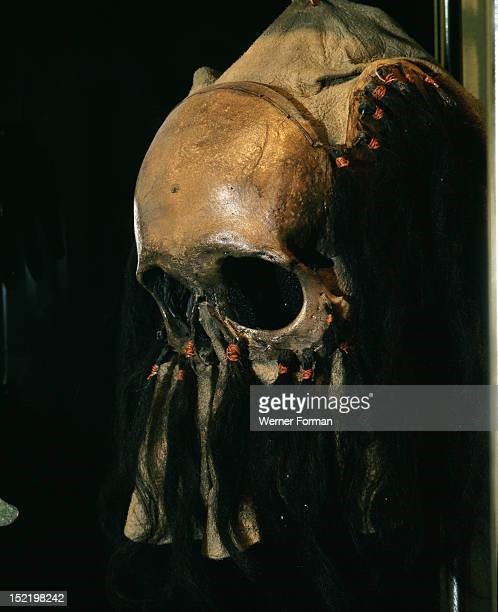
- ==Death mask==
- Found in ^^Mound City^^
- Made from skull fragments and leather
- May have been used in funeral ceremonies
^^Hopewell Site, OH^^
Excavated by @@Warren K. Morehead@@ in 1893
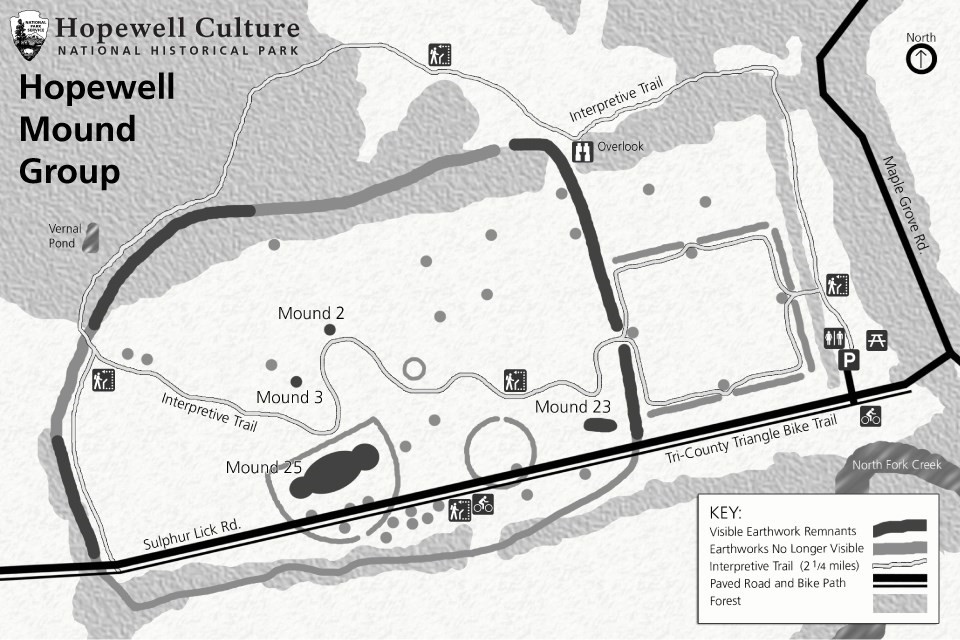
The Hopewell Site is located on a farm that was originally owned by @@Mordecai Cloud Hopewell,@@ its namesake
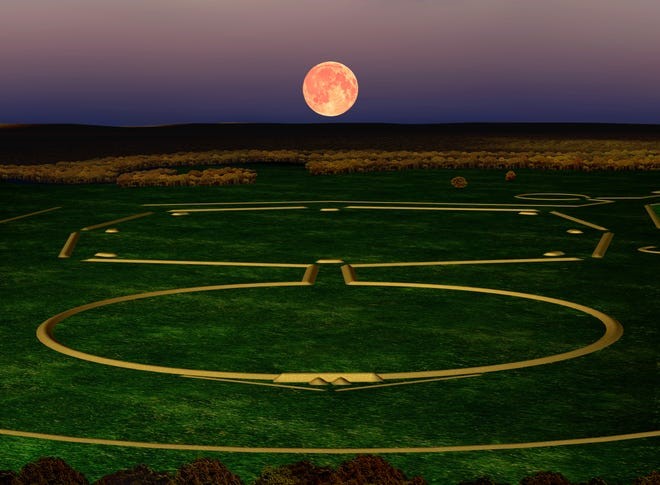
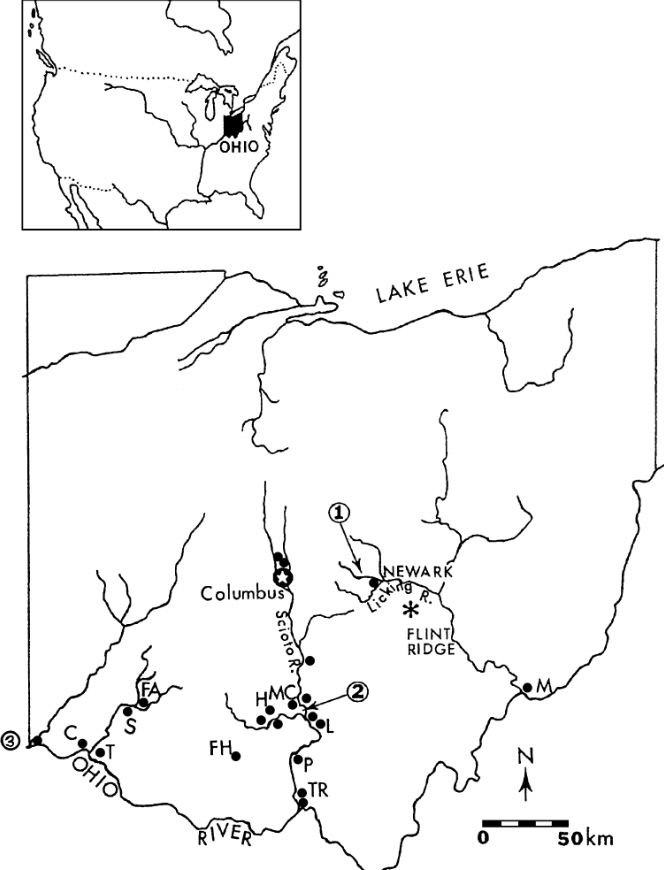
- Sites along Paint Creek have many examples of ==geometric earthworks==
- There are more geometric earthworks in southern Ohio than anywhere else in the world
- There are then a few scattered sites around the area
- Hopewellians would also gather their flint supplies from Flint Ridge
@@Dr. Frank Reilly@@
- Similar to a pilgrimage or Hajj
==Ancient Monuments of the Mississippi Valley, 1848== ==by== @@Ephraim George Squier and Dr. Edwin Hamilton Davis@@
- Squier and Davis spent time mapping earthworks and mounds at many different sites
- Many of those mounds are now gone
- They excavated %%many zoomorphic pipes in%% ^^Mound City^^
- They attempted to get the Smithsonian to take the pipes from them, but the Smithsonian wasn’t interested. Instead, they sold them to a private buyer, who eventually ended up selling them to the British Museum, where they are today.
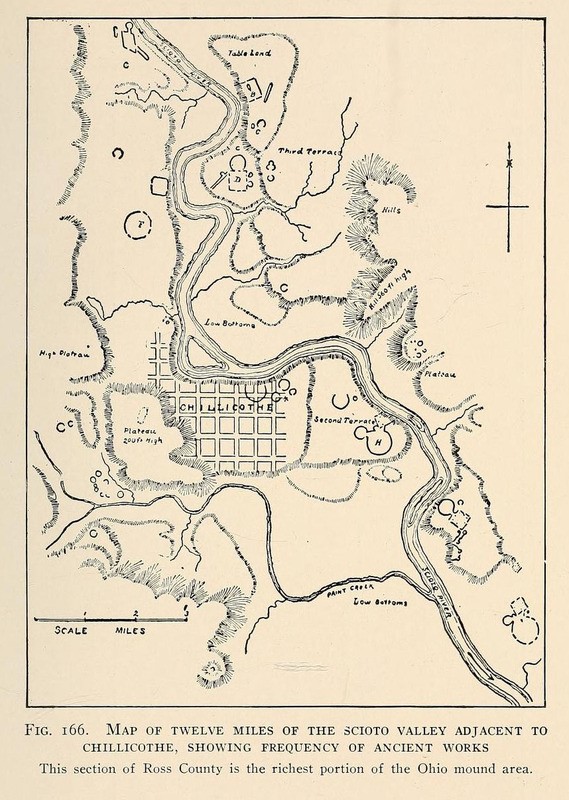
@@Dr. William C. Mills@@
- Data sorted artifacts in order to position Woodland Period cultures in time
- Adena Culture - 300 BC - 200 AD
- Hopewell Culture - 1 AD - 400 AD
- ==Fort Ancient Culture== - 400 AD - 1300 CE
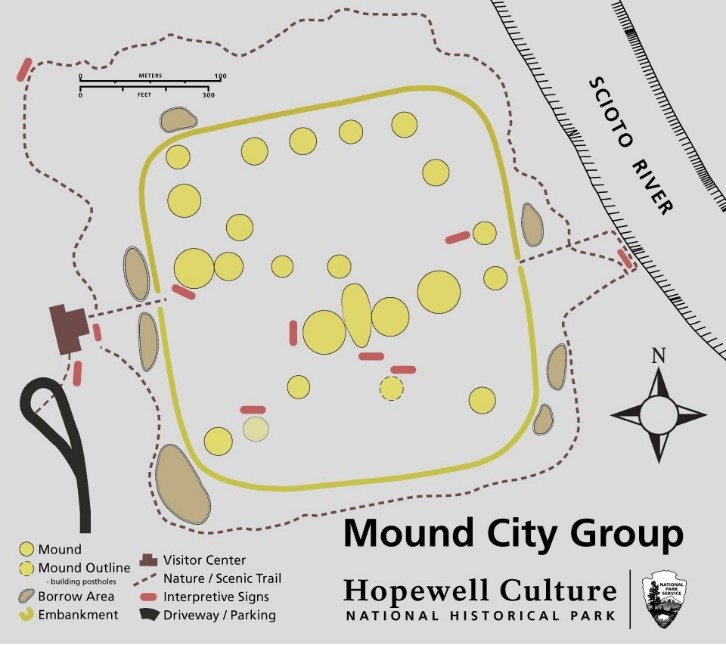
^^Mound City^^
- You can only tour a recreation today because the mounds were all flattened to build a fort during WWI
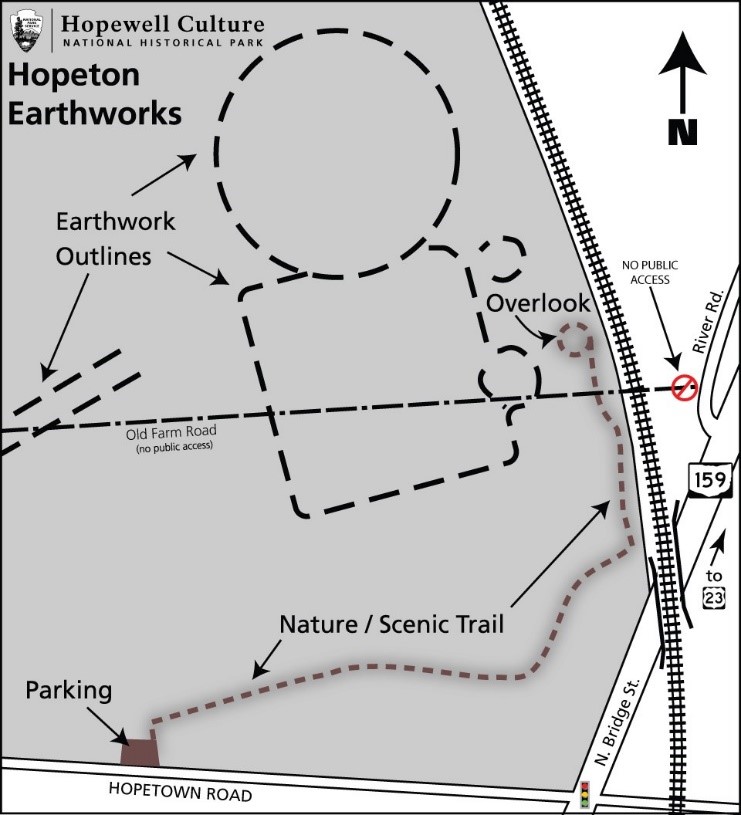
^^Hopeton Earthworks^^
- Located across the Scioto River from Mound City
- Now only has the outlines of once present earthworks
==Tomb of the Kings of Virginia== by @@John White@@
- Described finding of 2 story Hopewellian shrines
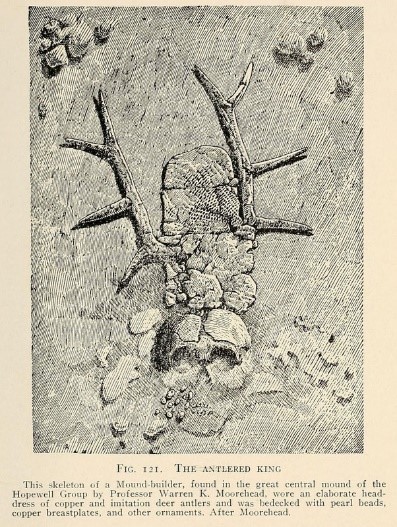
==Copper deer headdress==
- Finding comes from Yellowstone, excavated by @@Warren K. Morehead@@
^^Newark Works^^
- @@Dr. Brad Lepper@@ was one of the main excavators of ^^Great Circle Earthworks^^
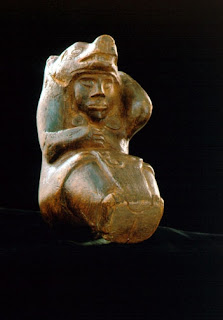
- A notable figurine, the ==Shaman of Newark Figurine (also known as the Wray Figurine)==, was found during the original excavations and then lost for many years.
- It was later found in the attic of someone in New York wrapped in a newspaper that detailed its’ excavation.
- A golf course was built on top of the site