221 L4 - Housing & Gentrification
Gentrification Overview (Shaw, 2008)
Origin of the Term:
Coined by British sociologist Ruth Glass in the 1960s to describe the influx of middle-class individuals into working-class neighborhoods.
Noted for leading to the displacement of lower-income residents.
Classic Gentrification:
Rehabilitation of older residential buildings by middle-class buyers, resulting in the eviction of low-income tenants.
Modern Gentrification:
A broader process that includes commercial, cultural, and infrastructural changes remaking urban spaces into middle-to-upper-class enclaves.
Causes of Gentrification (Shaw, 2008)
A) Economic Factors
Disinvestment and Reinvestment Cycles:
Urban areas undergo cycles where capital is withdrawn due to low profits, followed by reinvestment when conditions improve.
Rent Gap Theory (Neil Smith):
Gentrification occurs when the gap between current land values and potential future values becomes large enough to attract investment.
Shift from Industrial to Service Economies:
Urban areas transitioning from manufacturing to service-oriented economies increases demand for central-city living.
B) Social and Cultural Factors
Changing Preferences of the Middle Class:
Professionals and creatives increasingly seek urban environments that offer character, cultural vibrancy, and walkability.
Role of ‘Pioneers’:
Early movers into neglected areas (often artists and students) enhance neighborhood desirability for wealthier individuals.
Consumption Culture:
Rise of upscale shops, galleries, and restaurants as affluent newcomers move in, significantly altering local economies.
C) Political and Institutional Factors
State-Led Gentrification:
Government initiatives promote redevelopment through taxes, rezoning, and public-private partnerships.
Neoliberal Urban Policies:
Policies favoring deregulation and privatization of land and reduced public housing create conditions conducive to gentrification.
Heritage Preservation as a Gentrification Tool:
Preservation policies often emphasize architectural history, sidelining the histories of marginalized communities.
D) Globalization and Real Estate Speculation
Foreign Investment and Tourism:
Increased global investment often leads to transformation of undervalued neighborhoods and displacement of current residents.
Mega-Projects and Large-Scale Developments:
Luxury developments and entertainment complexes can reshape entire neighbourhoods, pushing lower-income residents out.
Gentrification in Auckland (Murphy, 2008)
First-Wave (1970s-1980s):
Middle-class renovation of homes led to the displacement of working-class residents in areas like Ponsonby.
Third-Wave (1990s-2000s):
Government-supported, large-scale new developments as opposed to renovations, characterized by corporate investment and expansion into underdeveloped areas.
Neo-liberal Reforms (1980s-1990s):
Shift away from public housing policies increased private sector development in urban areas.
Gentrification and Displacement (Van Leeuwen, 2024)
A) Physical Displacement
Forced relocation due to rising rents and redevelopment projects.
Common forms include evictions and landlord buyouts.
B) Socio-Cultural Displacement
Residents may remain physically but lose local identity due to the influx of wealthier newcomers reshaping the area.
Market vs. State-Led Displacement
Market-Driven Displacement:
Rises from increased property values making areas unaffordable to low-income residents.
State-Led Displacement:
Resulting from policies facilitating community relocation under urban renewal initiatives.
Gentrification and Human Well-Being (Van Leeuwen, 2024)
A) Violation of Personal Autonomy
Displacement limits choice in residency and undermines the right to stay within one's community.
The concept of "occupancy rights" asserts a moral claim for residents to remain where they feel rooted.
B) Loss of Social Attachments
Displacement disrupts networks of care and community support essential for daily life.
C) Psychological and Emotional Harm
Displacment can lead to significant emotional distress, including grief and anxiety linked to loss of home and identity.
Concepts like "Root Shock" highlight the profound impacts of displacement.
D) Economic Hardship
Increased living costs force low-income residents into under-resourced areas impacting job prospects and access to services.
Small businesses and long-standing local shops struggle to survive as property values increase
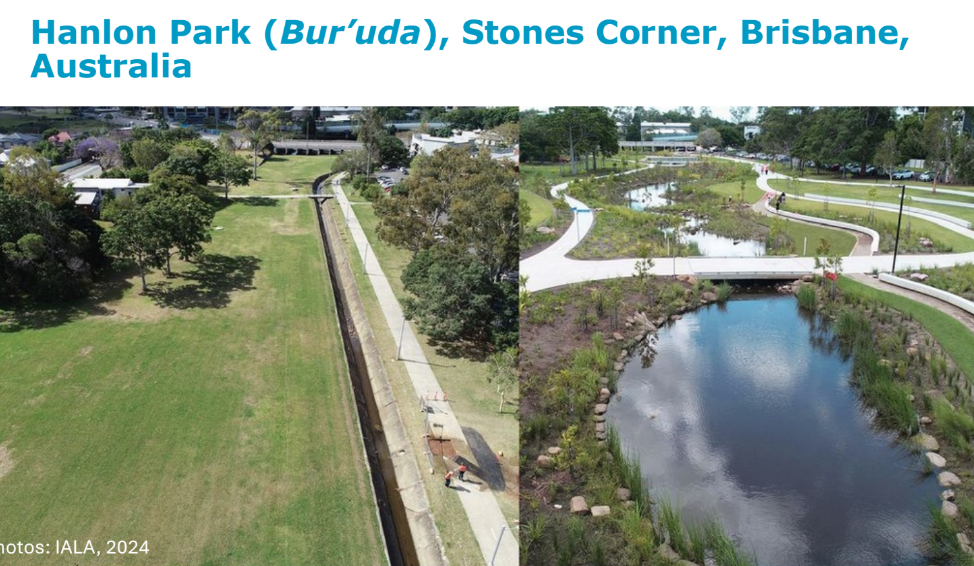
Green Gentrification and Displacement (Connolly, Anguelovski, and Oscilowicz, 2023)
Green Gentrification:
Occurs when urban greening initiatives lead to higher property values, making neighbourhoods unaffordable for long-time residents.
Displacement may be direct (e.g., forced relocations) or indirect (e.g., rising rents).
Strategies to Address Green Gentrification (Connolly, Anguelovski, and Oscilowicz, 2023)
A) Governance & Policy Reforms
Adopt governance strategies that incorporate social equity within greening efforts.
Implement anti-displacement measures such as rent controls and affordable housing alongside greening projects.
B) Equitable Greening Strategies
Focus on diverse, small-scale improvements to serve local needs instead of high-profile projects that may induce gentrification.
Involve communities in planning efforts to ensure that green spaces reflect the needs of long-term residents and their culture.
C) Monitoring & Adaptive Approaches
Conduct equity audits to assess the impacts of greening on local communities.
Identify displacement risks and ensure long-term affordability provisions to keep existing residents in place during neighborhood improvements.
References
Connolly, J. J. T., Anguelovski, I., & Oscilowicz, E. (2024). Toward the next mode of practice for climate urbanism. Lincoln Institute for Land Policy.
Murphy, L. (2008). Third-wave gentrification in New Zealand: The case of Auckland. Urban Studies.
Shaw, K. (2008). Gentrification: What it is, why it is, and what can be done about it. Geography Compass.
Van Leeuwen, B. (2024). What is wrong with gentrification-related displacement? Progress in Human Geography.