substance abuse
Substance Abuse
Page 2: Understanding Substances
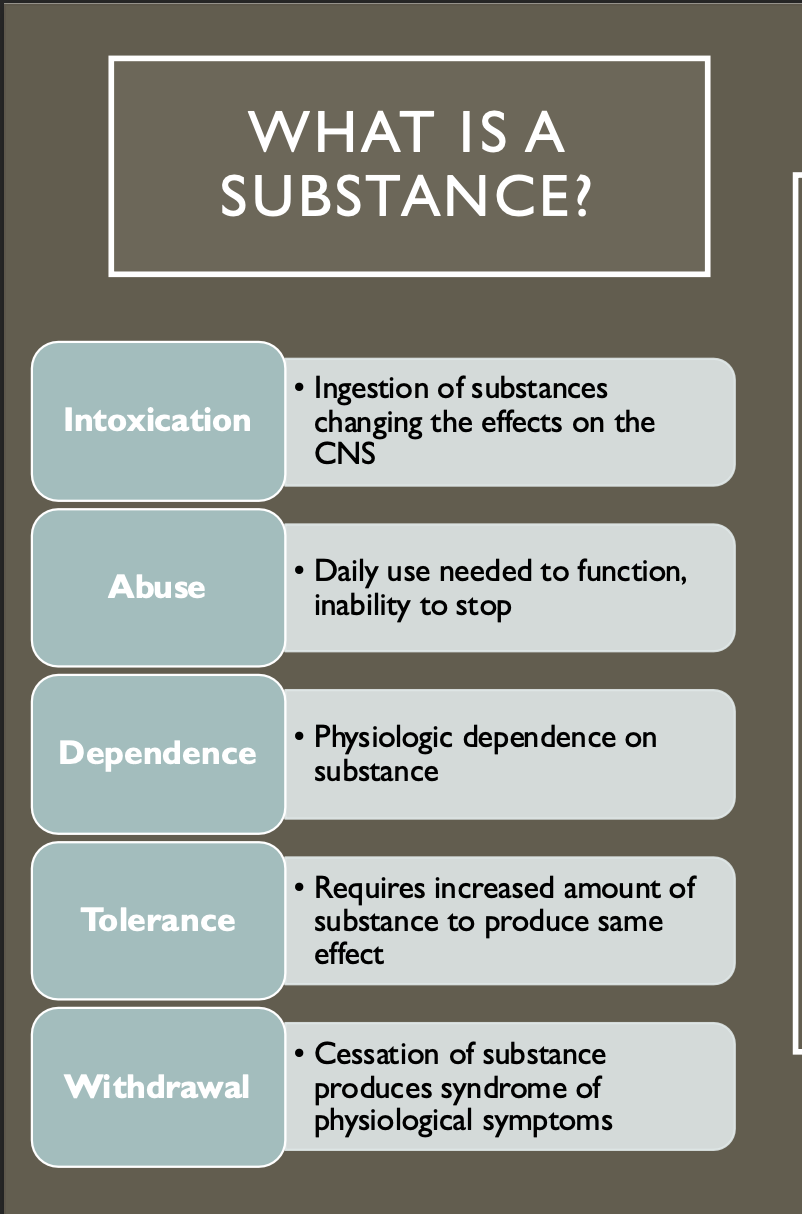
Definition of Substance: Ingestion of substances can alter CNS effects.
Intoxication: Involves changes in mood and behavior.
Abuse: Daily use needed to function; inability to stop.
Dependence: Physiological reliance on substance.
Tolerance: Need for increased amounts to achieve the same effect.
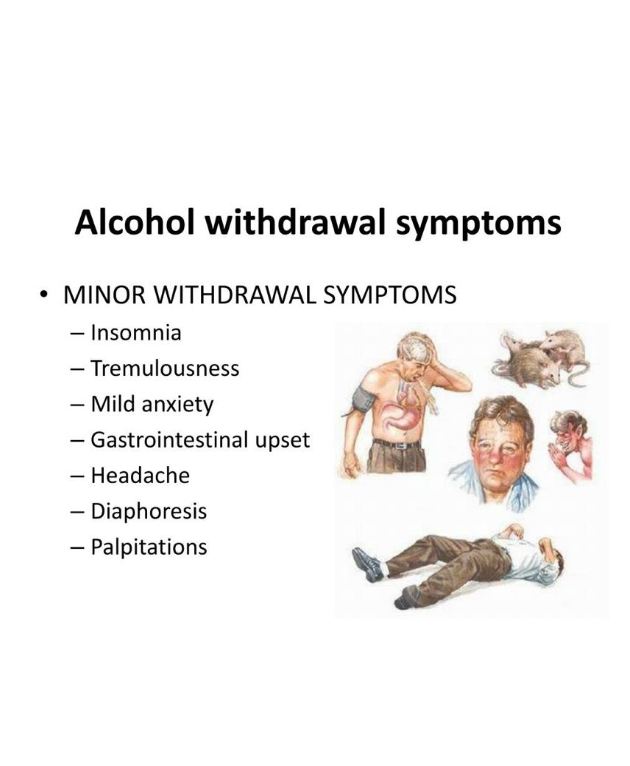
Withdrawal: Symptoms present upon cessation of substance use.
Substances taken nonmedically to alter mood or behavior.
Page 3: Alcohol Use and Abuse
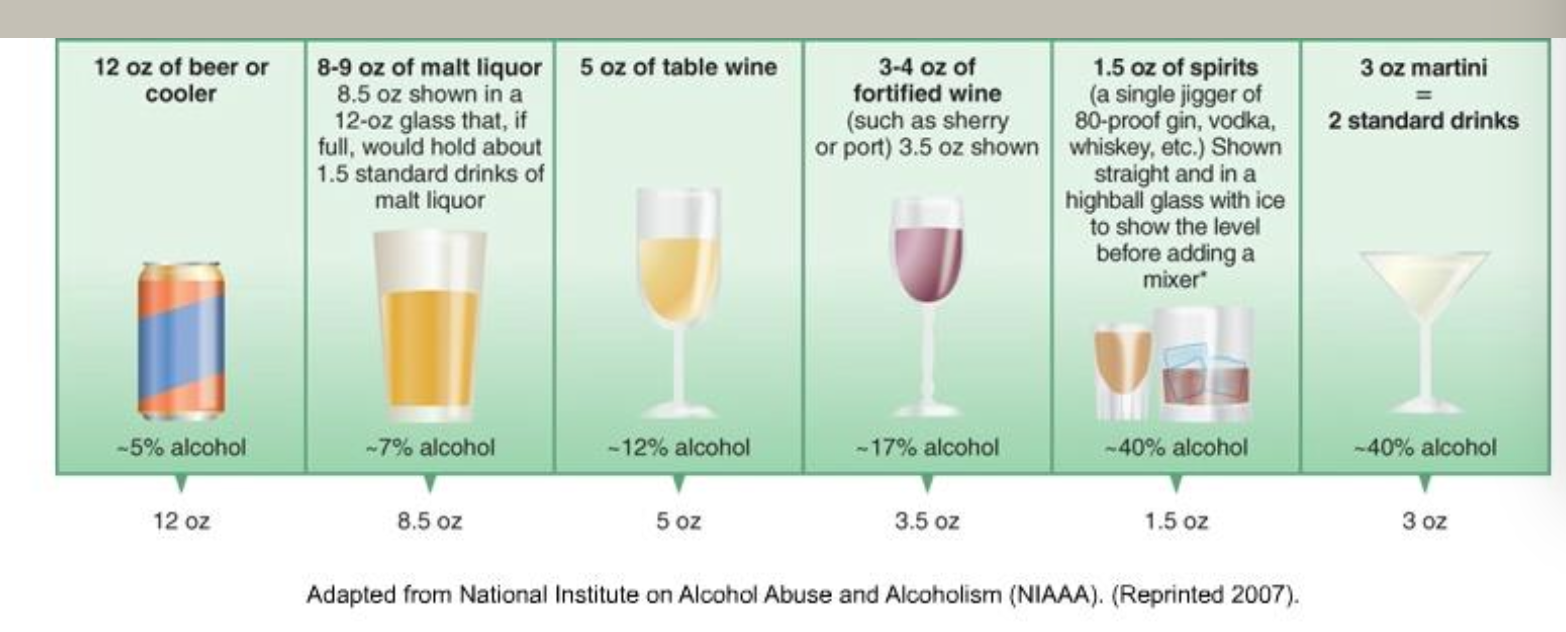
Safe Consumption Guidelines:
Women: Up to 1 drink per day.
Men: Up to 2 drinks per day.
Binge Drinking: 4 drinks for women and >5 drinks for men in 2 hours.
Heavy Drinking: 8 drinks for women and >15 drinks for men per week.
Drug Interactions: Combining alcohol with prescription or OTC medications can alter metabolism.
Page 4: Prevalence of Alcohol Use
Statistics on Alcohol Consumption: Over 70% of adults aged 18+ report drinking in the past year.
History of alcohol consumption is a significant risk factor for comorbidities.
Page 5: Illicit Drug Use
Common Illicit Drugs:
Marijuana
Cocaine
Heroin
Hallucinogens
Inhalants
Methamphetamine
Non-medical use of psychotherapeutics: Prescription pain relievers, tranquilizers, stimulants, and sedatives.
Page 6: Diagnosing Substance Abuse
Nature of Substance Abuse: Substance abuse and addiction are brain diseases.
Drug and alcohol use activate brain's reward circuits, releasing dopamine.
Continued use leads to brain changes affecting executive function.
Page 7: Subjective Data Collection
Assessment Questions:
Frequency of beer, wine, or alcohol beverage consumption?
Number of occasions in the last year with 5+ (men) or 4+ (women) drinks?
Average number of drinking days per week?
Typical number of drinks per day when consuming?
Page 8: Alcohol Use Patterns Assessment
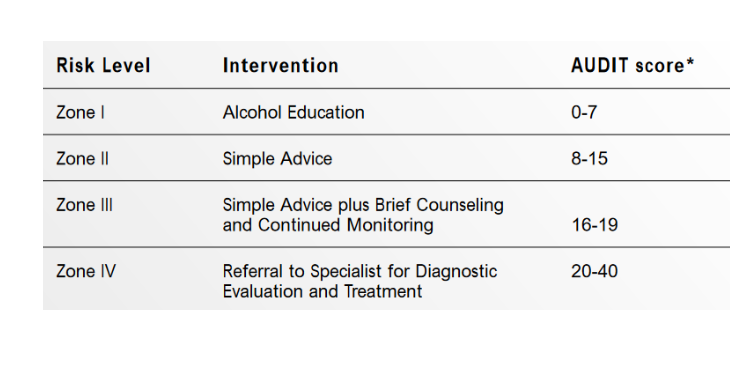
AUDIT Tool: Full AUDIT to assess alcohol use; helps identify patterns.
Risk Levels and Interventions:
Zone I: 0-7, Alcohol Education
Zone II: 8-15, Simple Advice
Zone III: 16-19, Simple Advice + Brief Counseling
Zone IV: 20-40, Referral to Specialist
Link to AUDIT: Alcohol Use Disorders Identification Test.
Page 9: CAGE Questionnaire
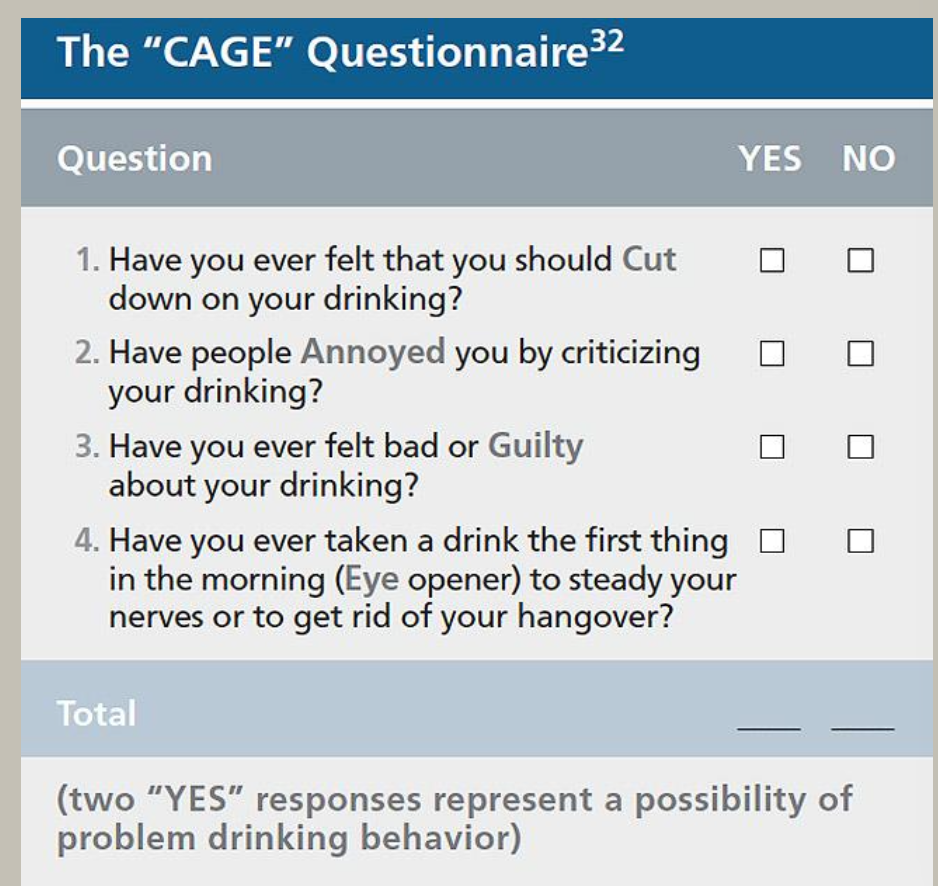
CAGE Tool: Quick assessment: 4 yes/no questions.
Addresses cutting down, annoyance, guilt, and need for an eye-opener.
Page 10: Objective Data Collection
CIWA Assessment: Clinical Institute Withdrawal Assessment (CIWA) for withdrawal symptoms.
Signs/symptoms include disorientation, slurred speech, poor dexterity.
Assessment performed every 2 hours for 72 hours.
Monitor vital signs: tachycardia, hypertension, fever.
CIWA-Ar assessment for pharmacological intervention.
Page 11: Nurse Check
Screening Tools: A nurse should use CIWA to assess alcohol withdrawal symptoms in patients.
Page 12: Assessing Illicit Substance Use
Questions for Illicit Drugs:
Do you take illicit or street drugs?
When was the last use? How much was taken?
Page 13: Engaging with Adolescents regarding Substance Abuse
Next Questions for Adolescents:
Follow-up question: Who are your friends?
Is this usage a regular habit?
Are your parents aware of your usage?
When was the last time you used marijuana?