The Business Cycle
We've discussed economic downturns several times in the course so far. In just the last few lessons, we studied the unemployment caused by two major downturns: the Great Depression in 1929 and the Great Recession in 2008. We also looked at how inflation and deflation can cause economic problems. In your Hazlitt readings, you learned that some economists believe that governments should intentionally cause inflation to cure economic downturns. Hazlitt argued that such intervention makes things worse in the long run.

Two key areas of focus for economists are preventing economic downturns and ending them quickly when they do occur. The media also tends to focus on these economic shifts. You've likely seen news articles or broadcasts predicting that a recession is just around the corner. These news stories are circulated almost every year, unless the nation is already in a recession, in which case the stories focus on when the economy will recover and start to grow again. This focus on recession and recovery exists because everyone knows that, no matter whether the economy is growing or contracting, it will eventually do the opposite.
No economy in history has experienced uninterrupted economic growth. There are always periods of economic contraction between prosperous times. This pattern of alternating periods of economic growth and economic contraction is called the business cycle. The business cycle is a natural component of a market economy, and the frequency of these cycles may surprise you.
According to the National Bureau of Economic Research, there were thirty-three economic downturns in the United States from 1855 to 2020. That is, there were thirty-three periods of economic contraction. Each of those thirty-three periods of contraction was followed by a period of economic growth. That means that, on average, the cycle of growth and contraction repeated itself every five years.
For the remainder of the lesson, we'll learn more about the business cycle, its phases, and how modern governments try to manipulate the cycle into a more favorable shape.
Overview of the Business Cycle
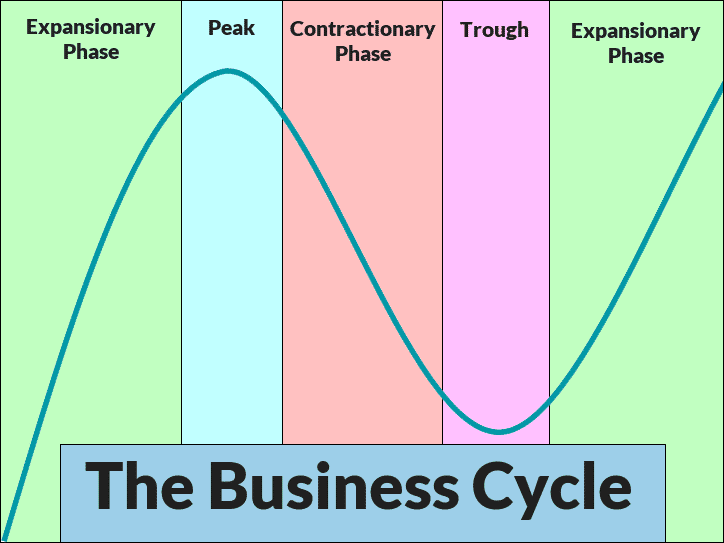
The model of the business cycle is like a roller coaster going up and down. The difference is that this roller coaster is going uphill, trending upward over time. Each peak is typically higher than the last peak, and each trough is higher than the last trough.
Four Phases of the Business Cycle
The business cycle goes through four phases: expansionary phase, peak, contractionary phase, and trough. As you can see from the graphic below, the cycle returns to the expansionary phase after the trough, and the cycle begins anew.
Phase 1
Expansionary Phase
During this period, economic growth increases and unemployment decreases.

Phase 2
Peak
The peak is the top of the business cycle. Production and employment have reached a temporary maximum.
Phase 3
Contractionary Phase
Growth slows down as the economy enters a period of contraction. Because demand for goods and services is lower, companies reduce production and lay off workers. This results in greater unemployment.

Phase 4
Trough
This is the lowest level of the business cycle. This is the moment of slowest growth and highest unemployment. After the trough, the business cycle turns upward again, and the economy enters another expansionary phase.

Recessions and Depressions
A long contraction is called a recession, and, if it's extremely long and severe, it will be called a depression. Although there are no official designations that determine whether a contraction qualifies as a recession or a depression, many economists define a recession as a contractionary phase that lasts longer than six months. If a recession lasts an extremely long time and becomes especially severe, it will start to be called a depression. Depressions are essentially very bad recessions. No matter how long the contraction, the economy will eventually begin to grow again and start a new expansionary phase, and the business cycle will repeat.
Recessions in US History
Recessions have occurred throughout American history, but some have been more damaging than others. Studying what caused recessions in the past can help economists prevent recessions in the future. Below are four noteworthy recessions that have occurred in the United States.
The Panic of 1893
–
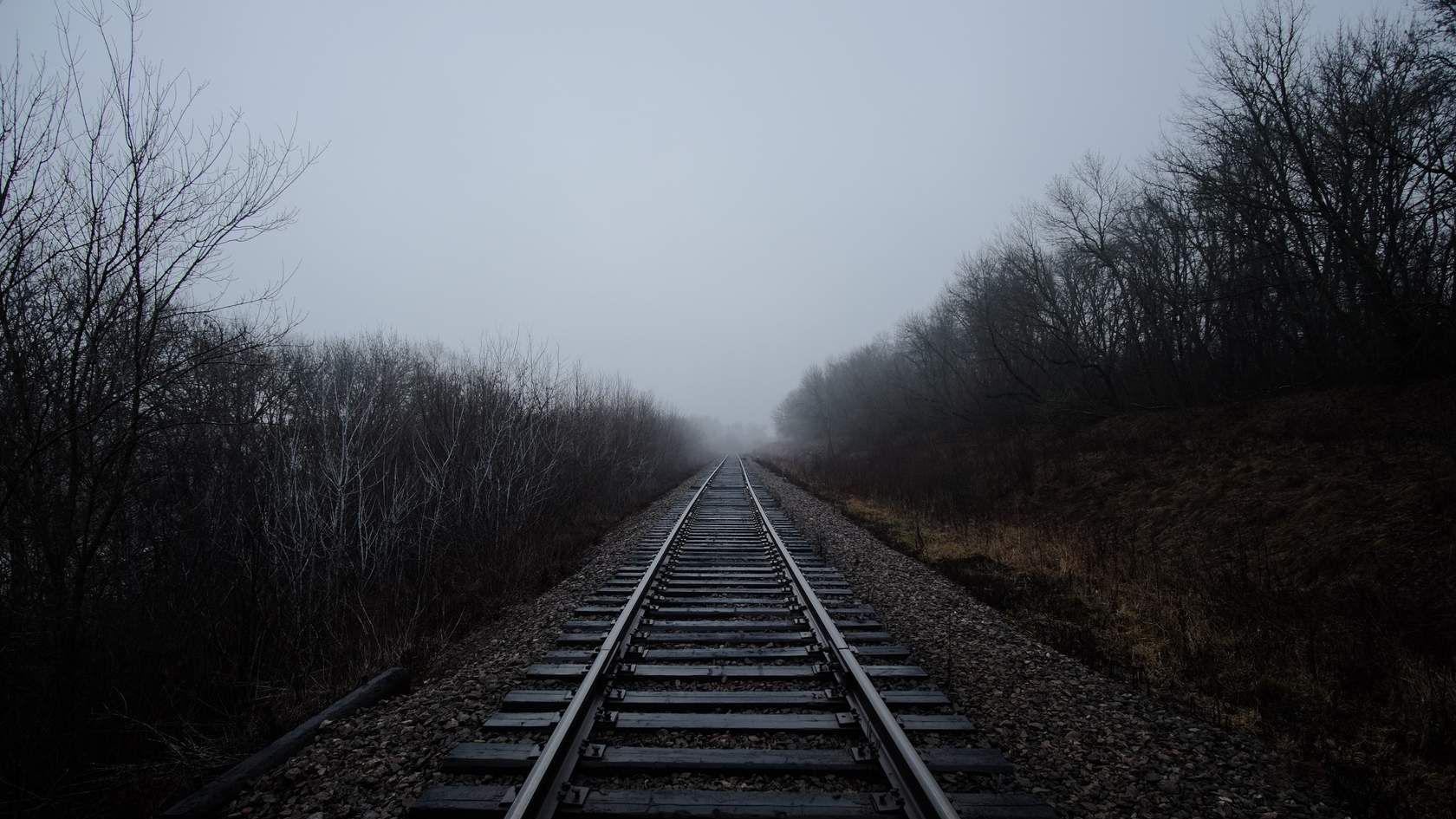
This recession was set off by the failure of a large railroad company, the Philadelphia and Reading Railroad. (At the time, railroad companies were some of the largest employers in the nation. This would be like Walmart or Amazon going out of business today.) The resulting fallout led to the failure of more railroad companies, panic in the stock market, and a reduction in foreign investment. Over five hundred banks closed during the recession, unemployment reached 10%, and economic contraction lasted for four years.
The Great Depression
–
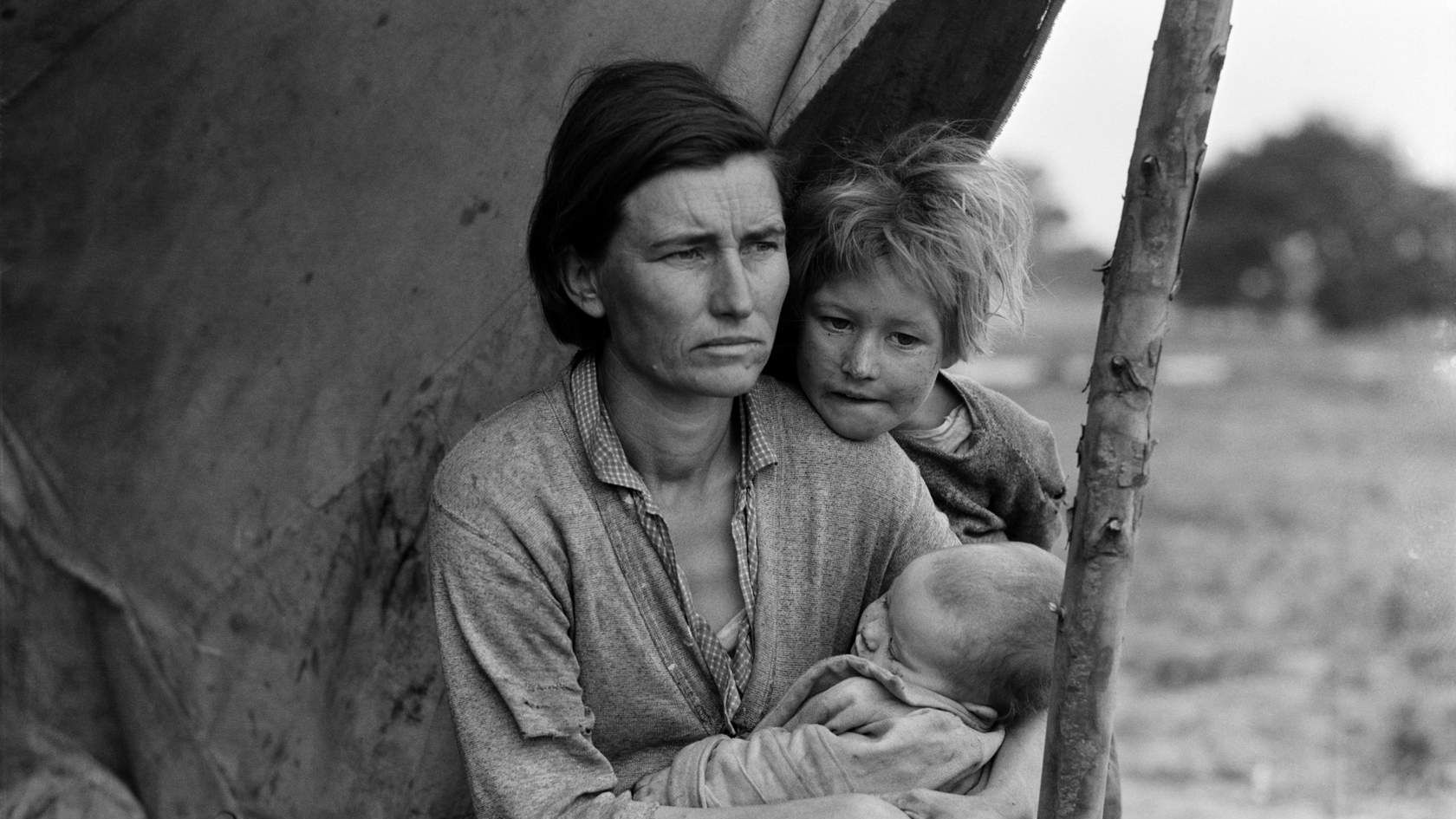
The Great Depression was the biggest economic crisis in American history. It lasted from 1929 to 1938, with unemployment reaching a high of 24.9% in 1933. There was no quick recovery from this downturn, as unemployment remained at 19% until as late as 1938.
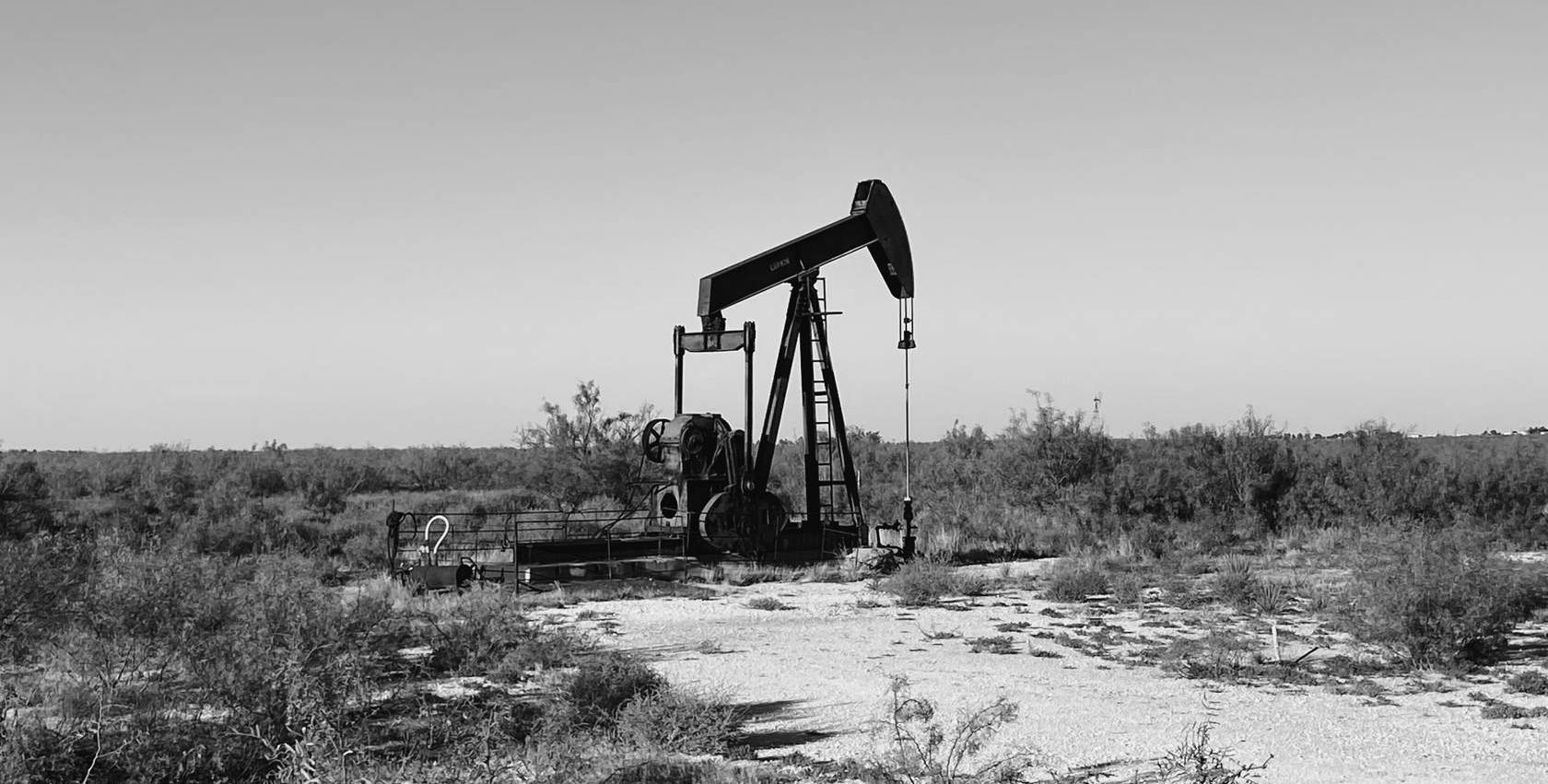
The Oil Crisis Recession
–
This sixteen-month recession lasted from November 1973 to March 1975. It was caused by three major factors. First, oil prices quadrupled after OPEC (Organization of the Petroleum Exporting Countries) instituted an oil embargo. Second, President Nixon took the United States off the gold standard, which led to high inflation. Third, Nixon instituted wage and price controls. The price floors he established reduced demand, resulting in surpluses, and his wage controls caused businesses to lay off workers they could no longer afford to pay.
The Great Recession
–
This recession, which lasted from December 2007 to June 2009, was the worst and longest economic crisis since the Great Depression. It was triggered by a subprime mortgage crisis, which led to a bank credit crisis. (A subprime mortgage is a mortgage given to someone with a low credit rating, meaning that there's a higher chance it won't be repaid.)
During the Great Recession, unemployment reached 10%, and GDP declined for four quarters (three-month periods) in a row.

Government Intervention
In the video, you learned about how the government can impact the business cycle. Classical economists like Adam Smith believed that the economy was self-correcting in the long run and should be left alone. More modern economists, however, believe that government intervention is necessary to prevent long-term contraction. During the Great Depression, British economist John Maynard Keynes countered the arguments of classical economists like Smith by saying, "In the long run we are all dead." Keynes believed that waiting for the economy to self-correct was foolish; he recommended strong action by the government to stimulate demand and jump-start the economy. Over the next few weeks, we'll take a closer look at many of the strong actions that the government can take.
Review of Key Terms
business cycle: the pattern of alternating periods of economic growth and economic contraction
recession: a long economic contraction; defined by some economists as a contraction longer than six months
depression: an extremely long and severe economic contraction
The government's role in the economy has increased drastically since the Great Depression. Many believe that the government has a responsibility to prevent another devastating depression—by whatever means necessary. There is an extensive debate, however, over how much the government should intervene in the economy. Too much intervention can hurt the economy instead of helping it. We've already studied how government intervention, such as price ceilings and price floors, can damage the market forces that hold the economy together. And remember that one of the six characteristics of a market economy is limited government. Over the next few weeks of the course, we'll take a deeper look at the government's role in the economy, study the effects of its intervention, and learn more about different schools of economic thought.