COVID-19
•Describe the pathogenesis and transmission of SARS-CoV-2.
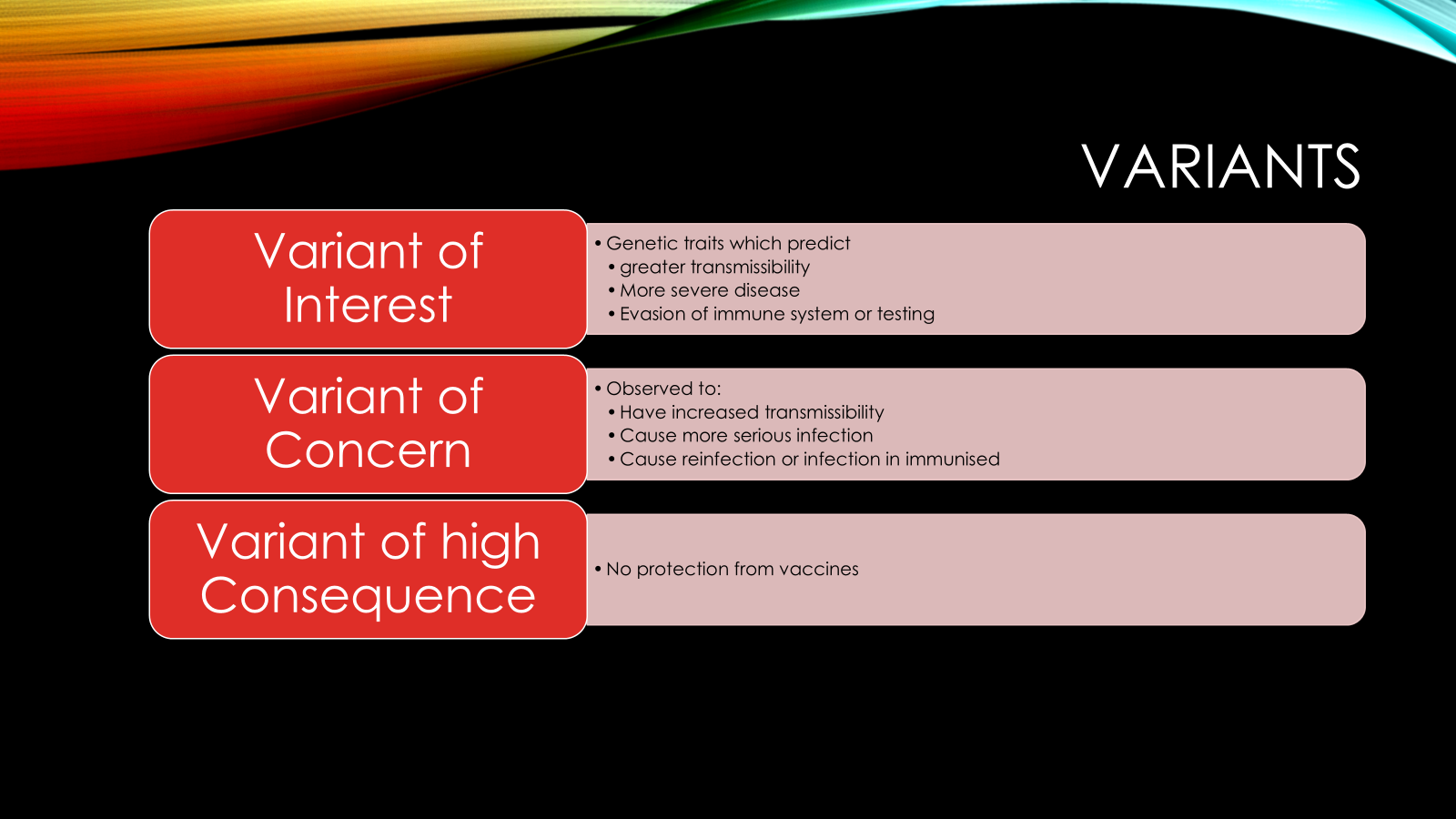
SARS-COV-2 has been mutating since it emerged in late 2019, changes it’s genetic code. In a virus’s spike protein it can affect its ability to infect cells, this is the part of the virus that enters the human cells
Nov 2021 – 13x more likely to become infected, 68x mor elikely to die
Dec 2021 – 5x more likely to become infected
CDC
•Define the terms epidemic, pandemic, endemic and outbreak.
epidemic refers to an increase in number of cases of a disease above what is normally expected in that population in that area i.e. ebola
pandemic refers to an epidemic that has spread over several countries or continents, usually affecting a large number of people i.e covid
endemic refers to the constant presence and/ or usual prevalence of a disease or infectious agent in a population within a geographic area i.e. malaria
outbreak is same as epidemic but used for a more limited geographic area i.e. cholera
•Describe the common clinical presentations of COVID-19 disease.
common coronavirus symptoms: rhinorrhoea, general malaise, headache, sore throat, cough, fever
Testing: molecular test e.g. PCR test measures viral RNA, the most sensitive and specific way of confirming COVID-19 diagnosis, effective at low viral loads
antigen tests e.g. lateral flow tests measures viral proteins, rapid identification of people likely to transmit infection* but cannot detect those with a low viral load
serology tests (antibody tests) detects IgG and IgM antibodies, indirect evidence of infection, could have a role more than 2 weeks after symptom onset
Post covid syndrome (long covid)
•Signs and symptoms that develop during or after an infection consistent with COVID-19, continue for more than 12 weeks, and are not explained by an alternative diagnosis
•frequency ranges from 4.7% to 80%
•Potential Risk factors
•older or younger age
•female sex
• minority ethnic group
• obesity
•smoking,
•severe clinical status,
•presence of comorbidities,
•hospital admission
Symptoms
•Persistent cough
•Low grade fever
•Fatigue
•Myalgia
•Palpitations
•headache
•Define the clinical management of COVID-19 including general supportive measures.
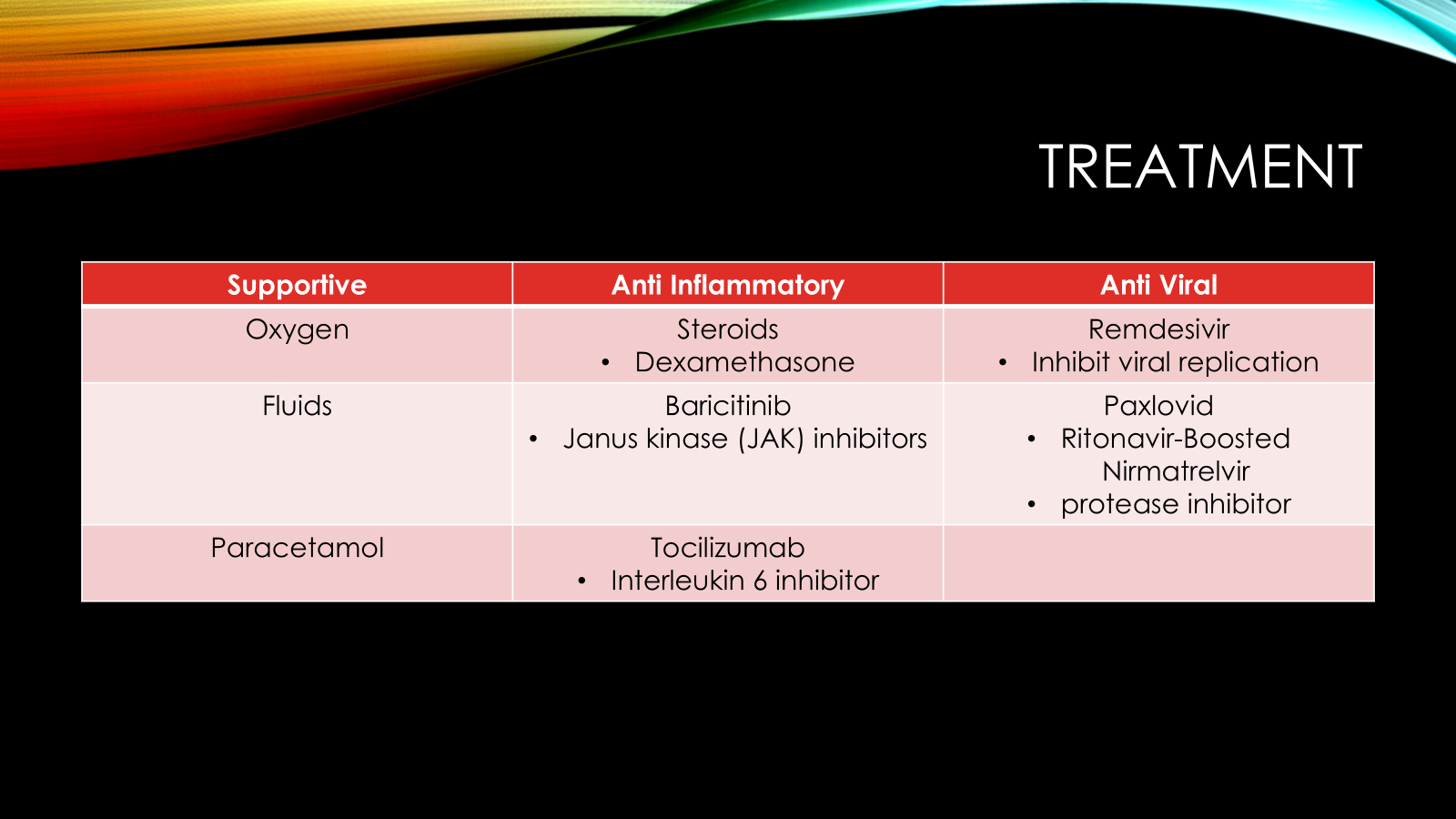
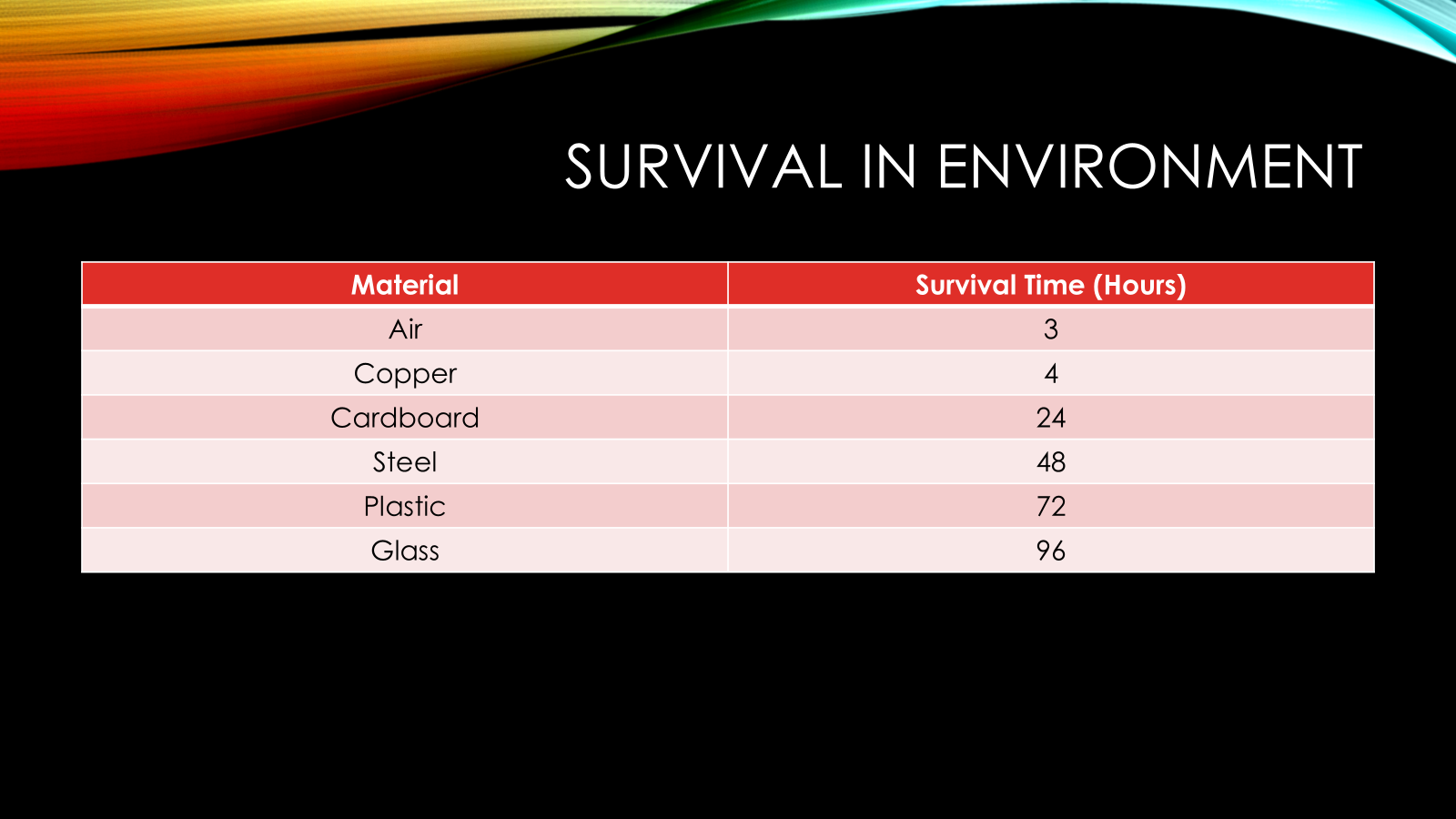
•Describe the role of infection control practitioners in the management of COVID-19.
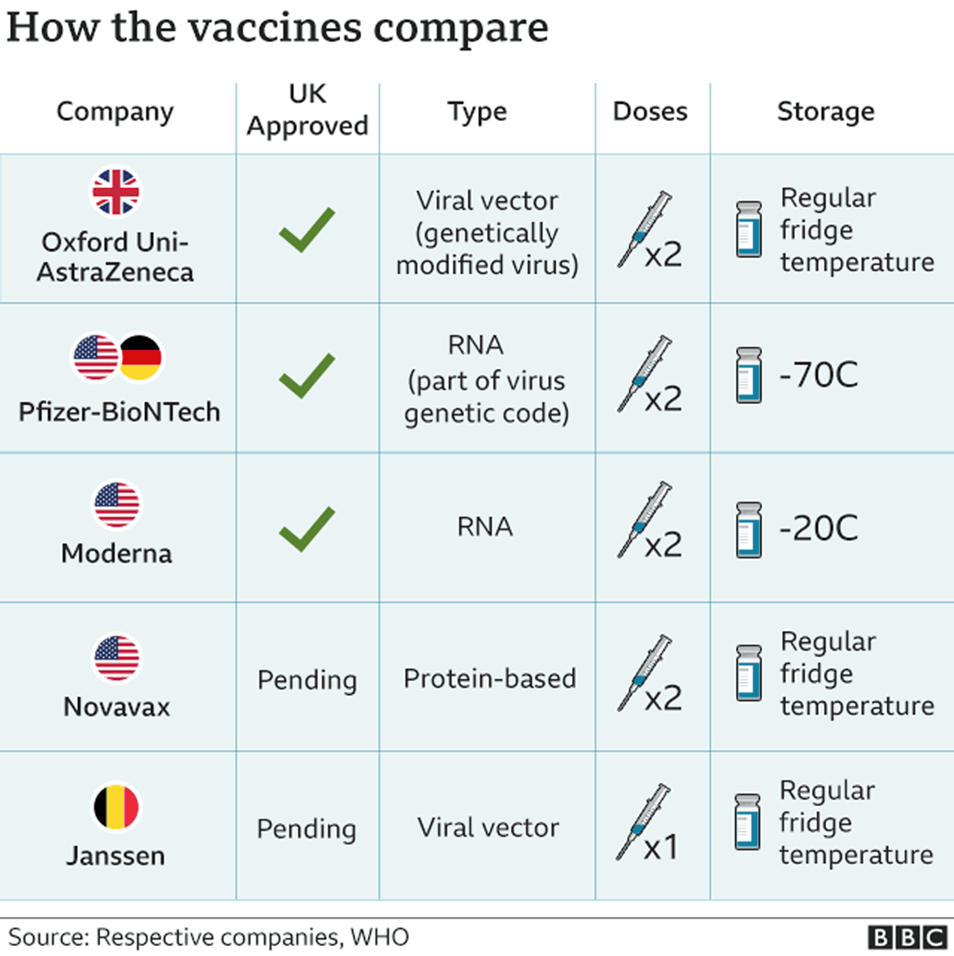
•Understand the concept of herd immunity in relation to population vaccination.
Alphacoronaviruses and betacoronaviruses infect mammals, while gammacoronaviruses and deltacoronaviruses primarily infect birds
A – Hedgehog
B – SARS, COVID
G – Beluga whale coronaviruses
D - porcine
Thrombosis
•A hypercoagulable state is one of the hallmarks of disease
•The coagulopathy in COVID-19 has a prothrombotic character, with increases in D-dimer, fibrin, fibrin degradation products, and fibrinogen
•Incidence:
•Deep Vein Thrombosis – 11.2%
•Pulmonary Embolism – 7.8%
•Treatment
•Blood thinning medication – Dalteparin, Rivaroxaban
•Prevention
•HEAL COVID study
Nil effective therapy