IB Biology HL Y1 Quarter 4
Blue highlight = example / Green highlight = important info i think probably
Standards - B2.1, D2.3, C1.1, C1.2,
B2.1 Membranes and Membrane Transport
Phospholipids - make up cell membranes as a bilayer, barrier to large as well as hydrophilic molecules
Integral proteins - integrate/go into membrane (sometimes all the way through)
Peripheral proteins - attached to one surface or the other
Glycoproteins and glycolipids - used for cell adhesion + cell to cell recognition
Fluid Mosaic Model - model for the phospholipid bilayer
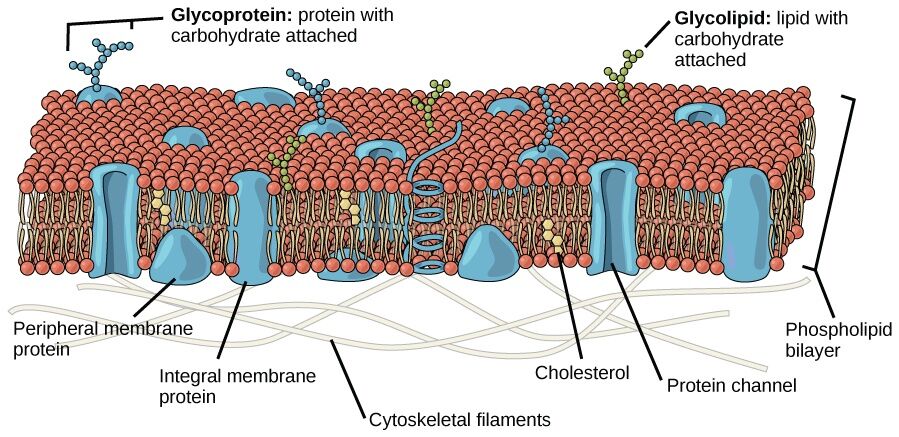
Fatty acids of lipid bilayer - has varying degrees of saturated vs unsaturated hydrocarbon (fatty acid) chains
Animals in colder areas - more unsaturated fatty acids - do not freeze as easily and remain more flexible
Saturated fatty acids - stronger membrane but can stiffen at low temperatures
Cholesterol - attached to head of one and tail of adjacent phospholipid, only in animals
Modulator of fluidity - lowers at high temperatures, prevents stiffening at low temperatures
Lowers permeability
Cell Adhesion Molecules - specialized protein membranes that allow attachment of cells to other cells, either directly attached or indirectly anchored to extracellular matrix, important in many cellular processes (like growth), different molecules mean different cell-cell junctions
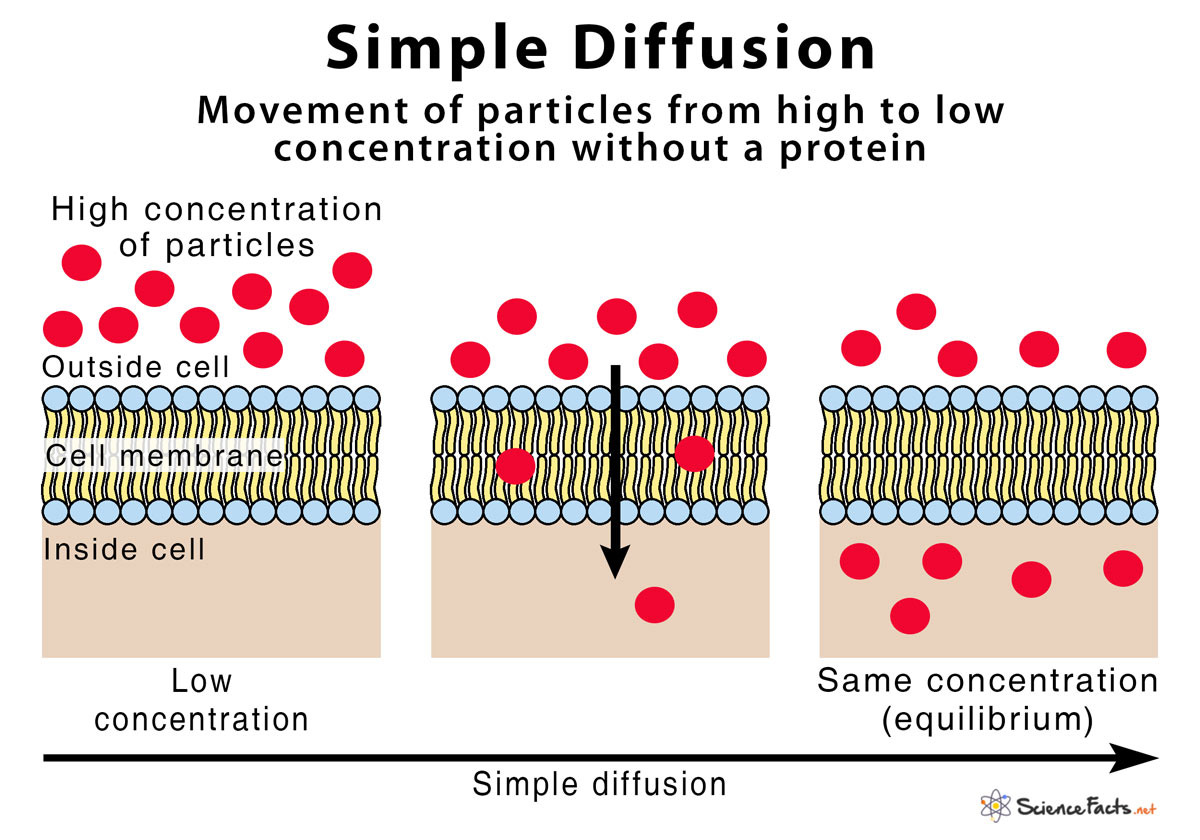
Simple Diffusion - small, nonpolar molecules (nonspecific) can move between phospholipids through the membrane, passive, high to low concentration in the gradient, O2 and CO2
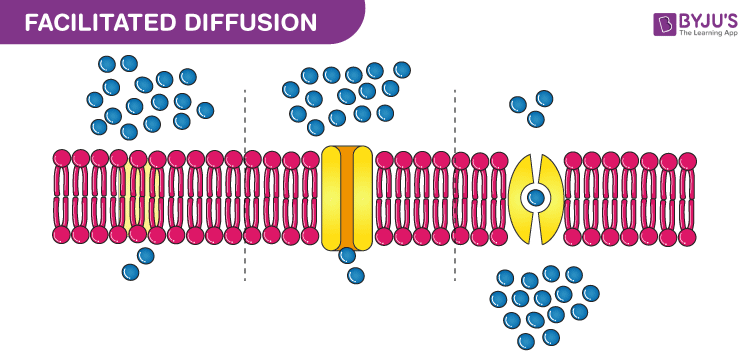
Facilitated Diffusion - uses protein channels to facilitate movement of small (typically), polar molecules (specific), passive, high to low concentration in the gradient, Na+ and K+
Types of protein channels: leakage, voltage, ligand-gated
Osmosis - specialized type of facilitated diffusion (passive) for water, moves through protein channels known as aquaporins, low to high solute
Active Transport - uses protein pumps and ATP (energy = not passive!) to move molecules (specific), low to high concentration in the gradient, Na+ & K+ & glucose
Endocytosis and Exocytosis
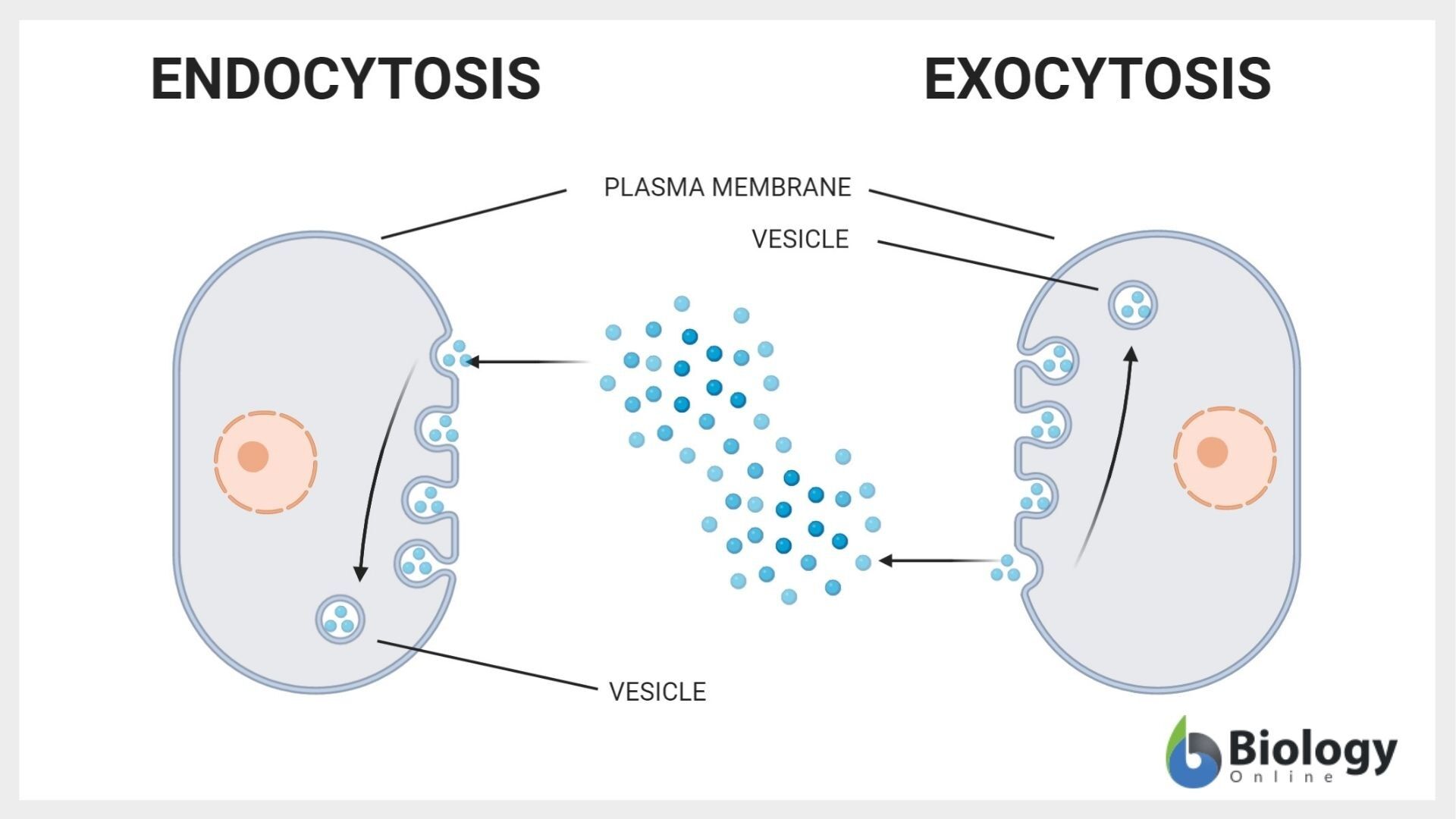
Allows large molecules/amounts of material to move across plasma membrane
Endocytosis is for entering the cell by pinching and exocytosis is for exiting the cell by fusing and releasing - possible due to the fluidity of the membrane
Vesicles either form in endocytosis or fuse with the membrane in exocytosis
They are essentially the inverse of each other
D2.3 Water Potential
Solvation - interaction of solvent with dissolved solute
Hydration - solvation by water
Hydrogen bonds form between water molecules and the ions
Water Movement and Effects in Labs
Water moves through osmosis from less concentrated (hypotonic) to more concentrated (hypertonic) solutions
Hypertonic - more solute
Hypotonic - less solute
Isotonic - same concentration (water moves back and forth for net 0)
Tissue of plants will change in mass and length when put in solutions
Osmolarity - the concentration of the tissue, zero percent change on a graph
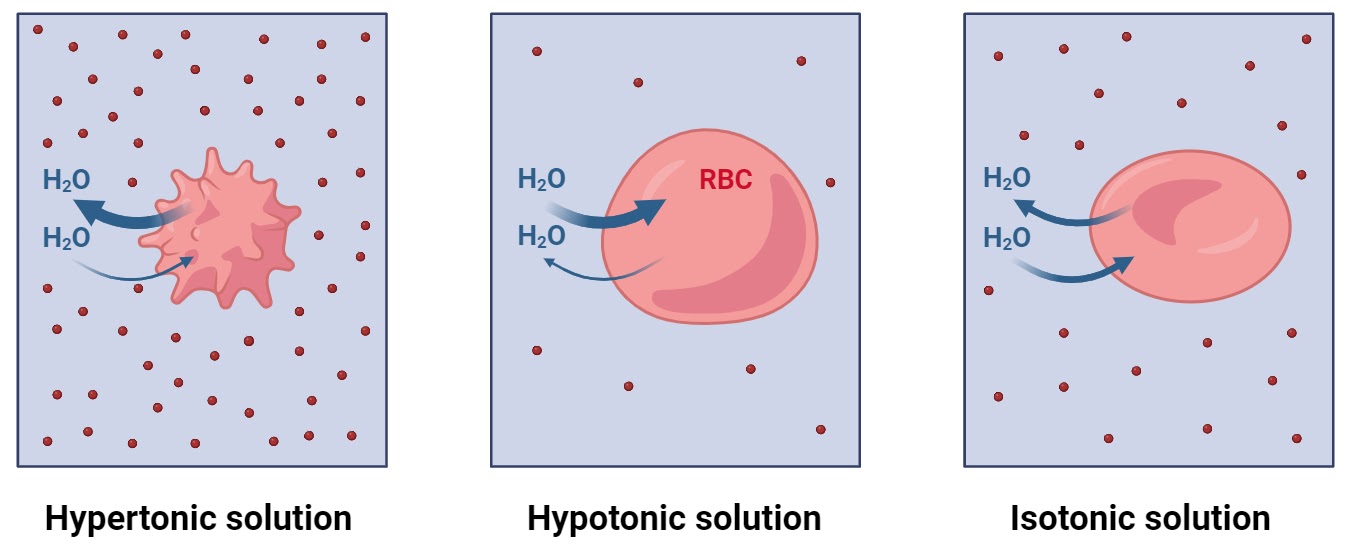
Animal Cells
When in a hypertonic solution, it shrivels; when in a hypotonic solution, it bursts
To stop, unicellular organisms have contractile vacuoles
Organelles that can capture excess water and expel it to maintain osmotic conditions
Cells with Cell Walls
When in a hypertonic solution, it goes through plasmolysis - cell shrinks but maintains overall shape
When in a hypotonic solution, it goes through turgor pressure - cell expands

Medical Applications
Intravenous (IV) fluids - balanced with blood solute concentration
Organs - must be bathed in isotonic solution to prepare for transplant
Causes no overall change to cells
Potential energy of water - potential for water to move relative to atmospheric pressure and 20 degrees Celcius, units typically kPa (kilopascals)
Water moves from high to low potential (opposite of solute concentration of low to high)
Formula: ψw = ψs + ψp — water potential = solute potential + pressure potential
Solute potential is always negative - adding solute lowers solute potential
Pressure potential (turgor pressure) is positive or negative - amount it’s pushing
C1.1 Enzymes and Metabolism
Metabolism - the complex network of interdependent and interacting chemical reactions occurring in living organisms through the use of enzymes — all enzyme catalyzed reactions
generates heat energy - energy lost during a reaction, used by endotherms to maintain body temperature
Catalyst - a substance that increases the rate of a chemical reaction without itself undergoing any permanent chemical change — speed up chemical reactions to make more products
Enzyme - a substance produced by a living organism which acts as a catalyst to bring about a specific biochemical reaction
they are globular proteins with an active site (small handful of amino acids that bind to substrate - molecules being put in) for catalysis (reacting), overall structure affects binding
Induced fit model - both substrate and enzyme change shape when binding occurs
graph below: enzymes decrease activation energy of reaction

Types of Reactions
Anabolic - condensation reactions to form polymers
Protein synthesis, glycogen formation, photosynthesis
Catabolic - hydrolysis of macromolecules to monomers
Digestion, oxidation in cell respiration
Metabolic pathways - can be cycles or linear
Glycolysis - linear, Krebs cycle - cycles, Calvin cycle - cycles
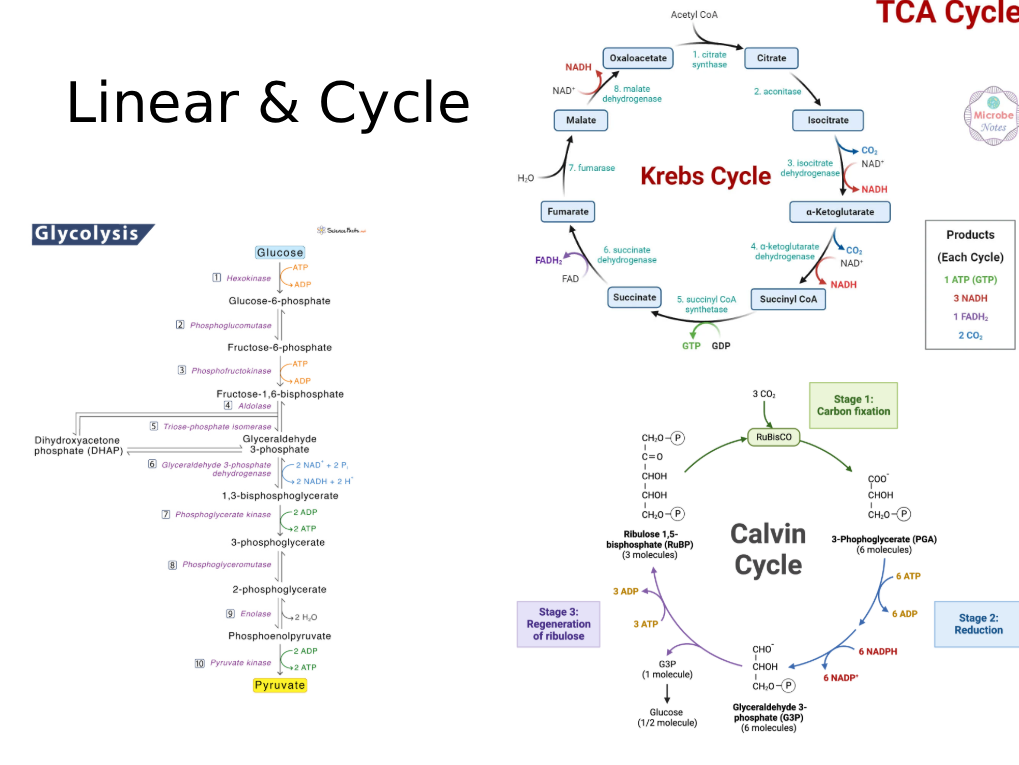
Molecular Motion and Enzymes
For a reaction to occur, the enzyme and substrate must collide
The faster they are moving, the more likely they are to collide (higher temperature)
To enhance likelihood of a collision, embed either the substrate or enzyme into a membrane to lock it in place
Measurements in enzyme-catalyzed reactions - rate of reaction = change in concentration of substance over time, reactants goes down, products goes up
Temp, pH and substrate concentration on Enzyme activity
Temperature increases linearly as molecules move faster and then sharp decline as enzyme denatures past optimum temp
pH has the denature shape on both sides of the optimum
Substrate increases rapidly and then plateaus once all enzymes are being used
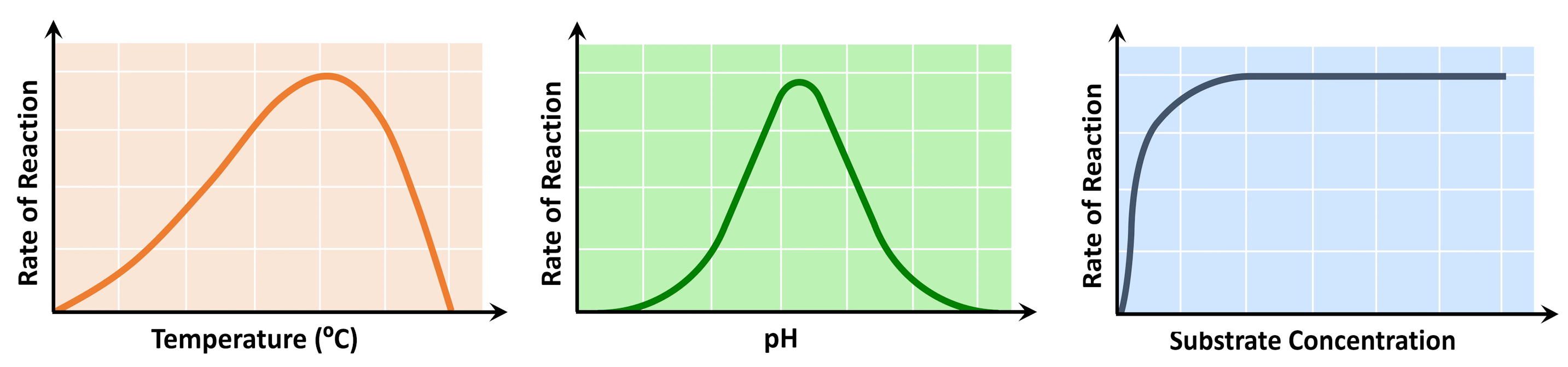
Relationships between the structure of the active site, enzyme–substrate specificity and denaturation - the structure of the active site is for enzymes to connect with specific substrates, conditions such as temperature or pH will cause denaturation of enzyme, meaning active site will lose shape and function
Intracellular reactions - inside of cells
Examples: cell processes, Krebs cycle, Calvin cycle, glycolysis
Extracellular reactions - outside of cells
Examples: releasing enzymes, digestion
Non-competitive or allosteric inhibition
Allosteric site - site on enzymes that can bind with a specific inhibitor that will change the shape of the enzyme and stop catalysis
Is reversible and slows down a specific reaction
End product/feedback inhibition - special type where inhibitor is end product of metabolic pathway
Example: Isoleucine is the end product inhibitor of the threonine to isoleucine pathway
Competitive inhibition
Substrate and inhibitor are similar and the inhibitor blocks the active site
It is only temporary - adding more substrate can overcome it
Example: Statins - competitive inhibitors that block cholesterol synthesis
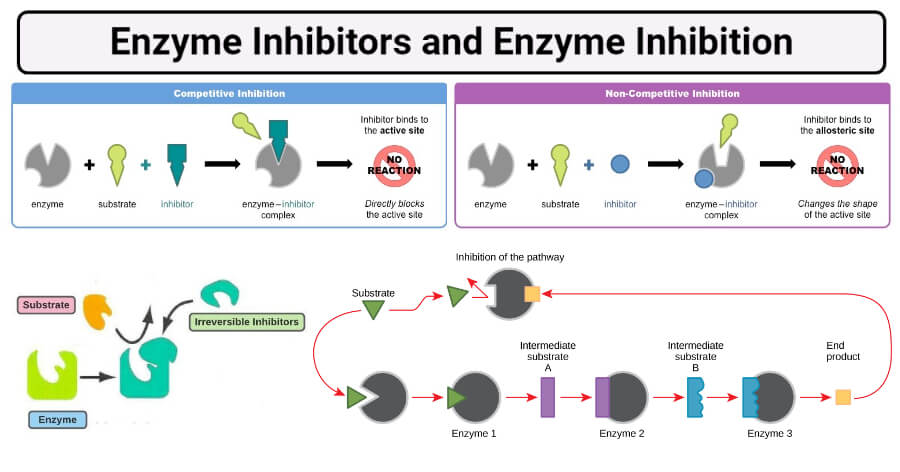
Mechanism-based inhibition - irreversible binding of inhibitor similar to substrate causing irreversible complex with a covalent bond
Example: Penicillin - used to kill bacteria
C1.2 Cell Respiration
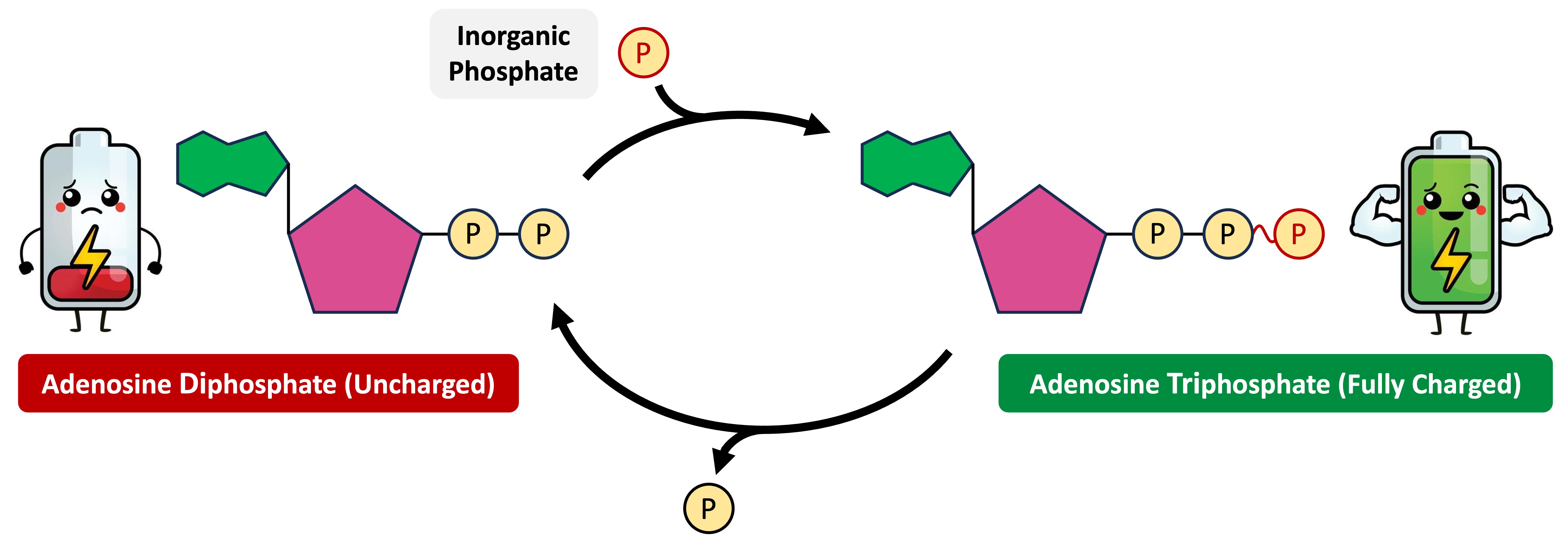
ATP - stands for adenosine triphosphate, is a ribonucleotide
Known as the energy currency - energy stored in phosphate bonds, easily released for use by cell, adenine and ribose allow attachment to enzymes for use in those reactions
Supplies energy for life processes - biosynthesis (anabolic), active transport, movement

Coenzymes - non-protein organic compounds that facilitate enzyme reactions
ATP is a coenzyme that adds chemical energy to reactions
Then ATP will lose a phosphate and release energy to reaction
ADP is low energy, must be replenished by adding a phosphate
Cell Respiration makes ATP
Main substrates: Glucose and fatty acids
Lots of organic compounds can be used for energy including amino acids
Put in carbon compounds and break them apart to release energy to regenerate ATP from ADP
NOTE: CELL RESPIRATION IS NOT GAS EXCHANGE! (DOES NOT MEAN BREATHING IN IB)
Glycolysis - the first part of cell respiration, occurs in the cytoplasm
Glucose (6 carbons) is phosphorylated (add a phosphate) using ATP, and then again after rearranged
Then splits into two 3 carbon molecules each with phosphate
The two steps above are energy investments (use of ATP)
Those two are rearranged and oxidized (losing electron and H), pairing with the reduction (gaining electron and H) of NAD+ to NADH
Phosphate is removed from both and ADP is converted to ATP (substrate level phosphorylation) twice to form pyruvate
Both indicating one for each of the two molecules
Summary: 1 glucose to 2 pyruvate, net gain of 2 ATP, 2 NADH, anaerobic