Virtualization
A process that allows for more efficient utilization of physical computer hardware and is the foundation of cloud computing
It uses software to create an abstraction layer (A generalization of a conceptual model or algorithm, away from the specific implementation / A way of hiding the working details of a subsystem) over computer hardware that allows the hardware elements of a single computer (processor, memory, storage, etc.) to be divided into multiple virtual computers (Virtual Machines)
- Each VM runs on its own OS and behaves like an independent computer, even though it’s running on just a portion of the actual underlying computer hardware
Virtualization enables more efficient utilization of physical computer hardware and allows a greater return on an organization’s hardware investment
Virtualization is the technology that drives cloud computing economics
- Enables cloud providers to serve users with their existing physical computer hardware
- Enables cloud users to purchase only the computing resources they need when they need them, and to scale those resources cost-effectively as their workload grows
Basic types of virtualization
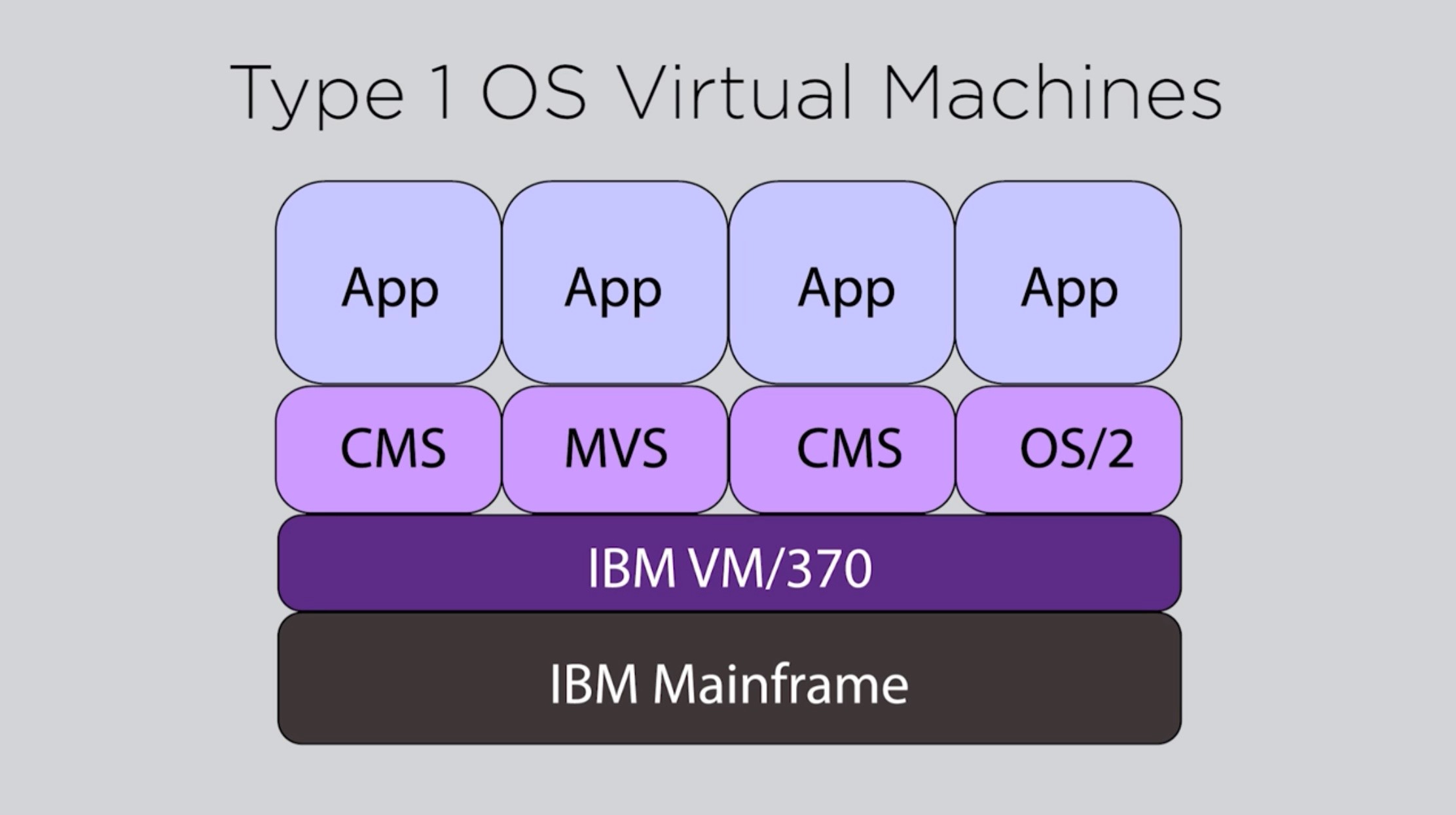
Type 1 OS VMs
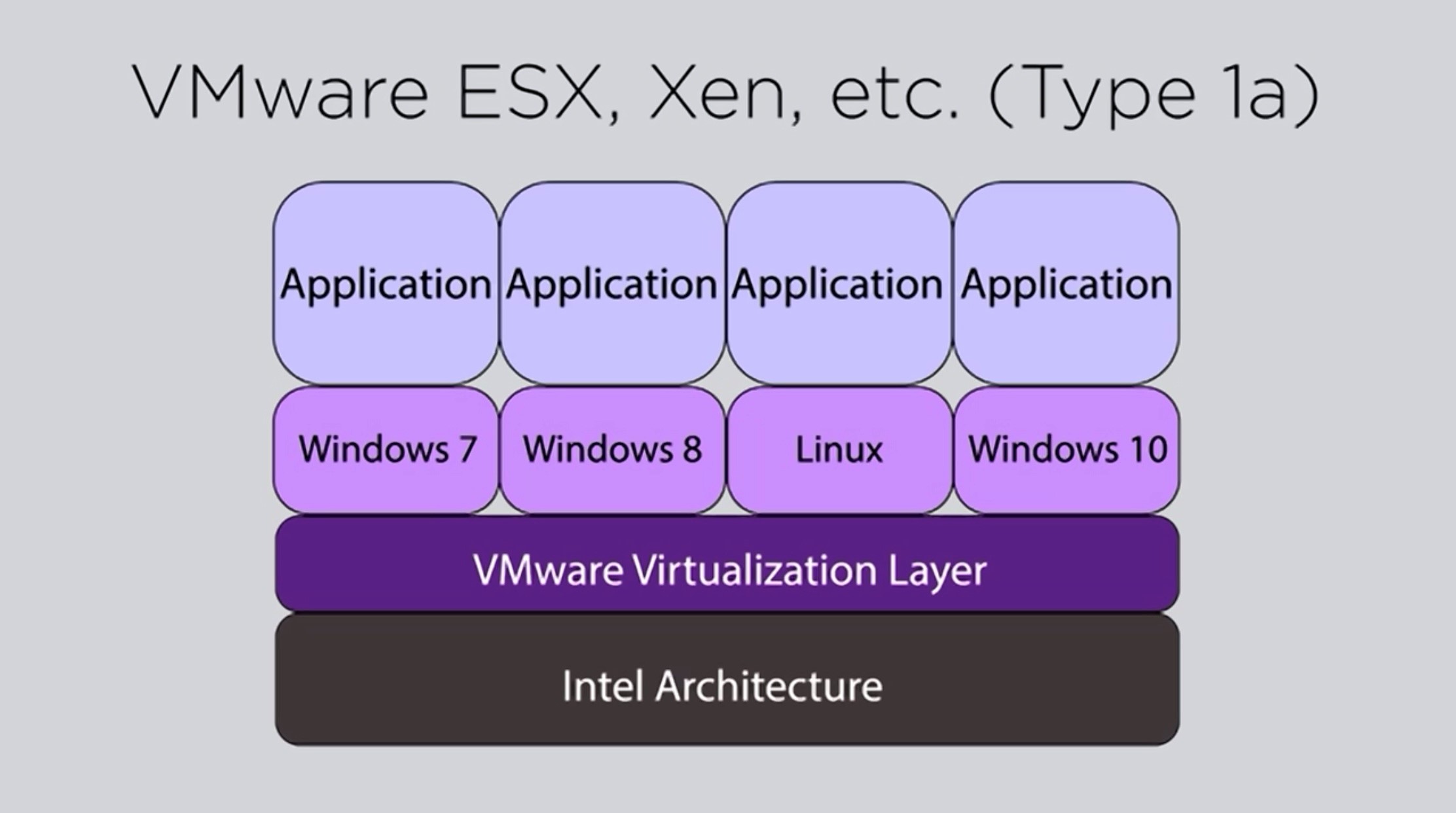
Type 1a
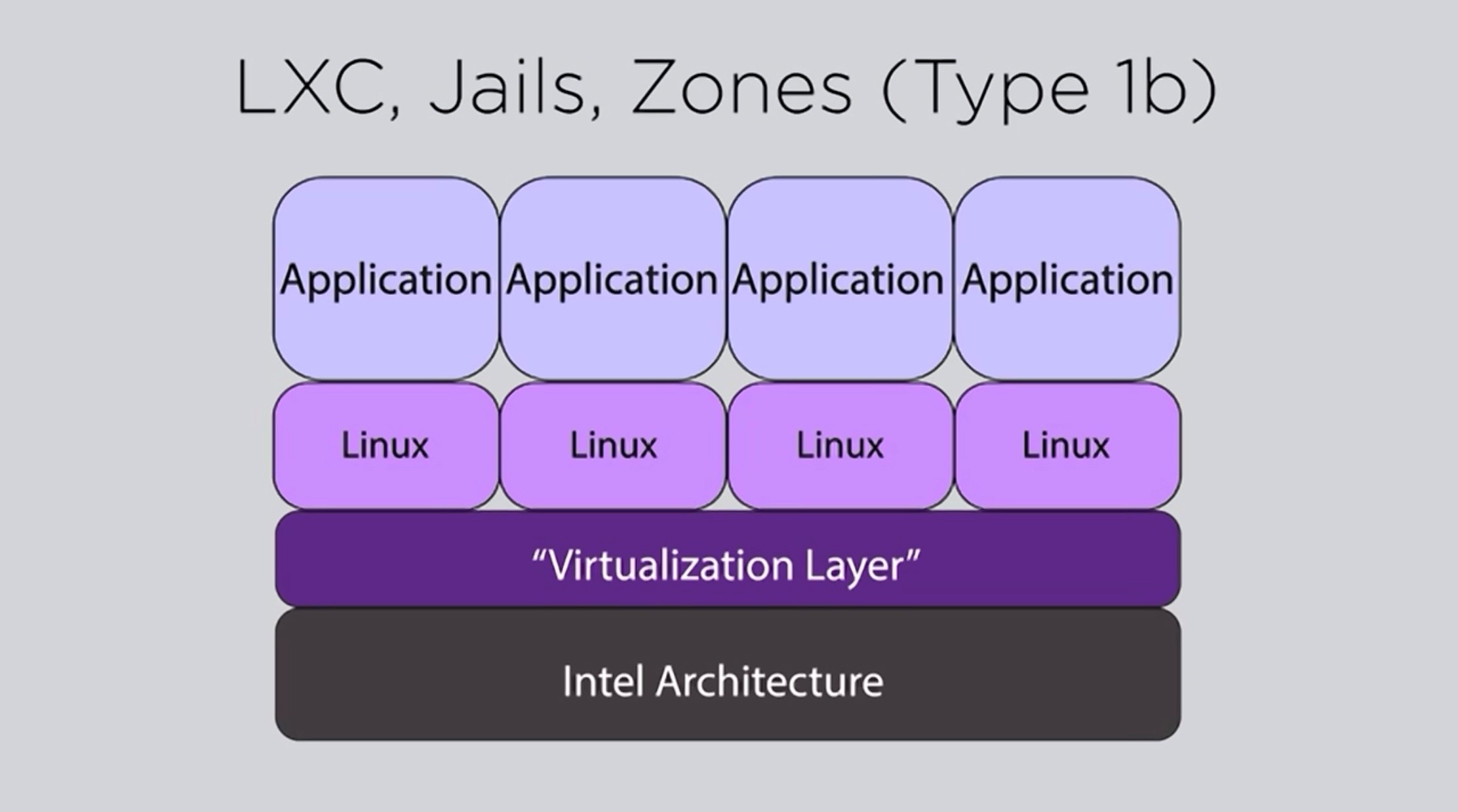
Type 1b
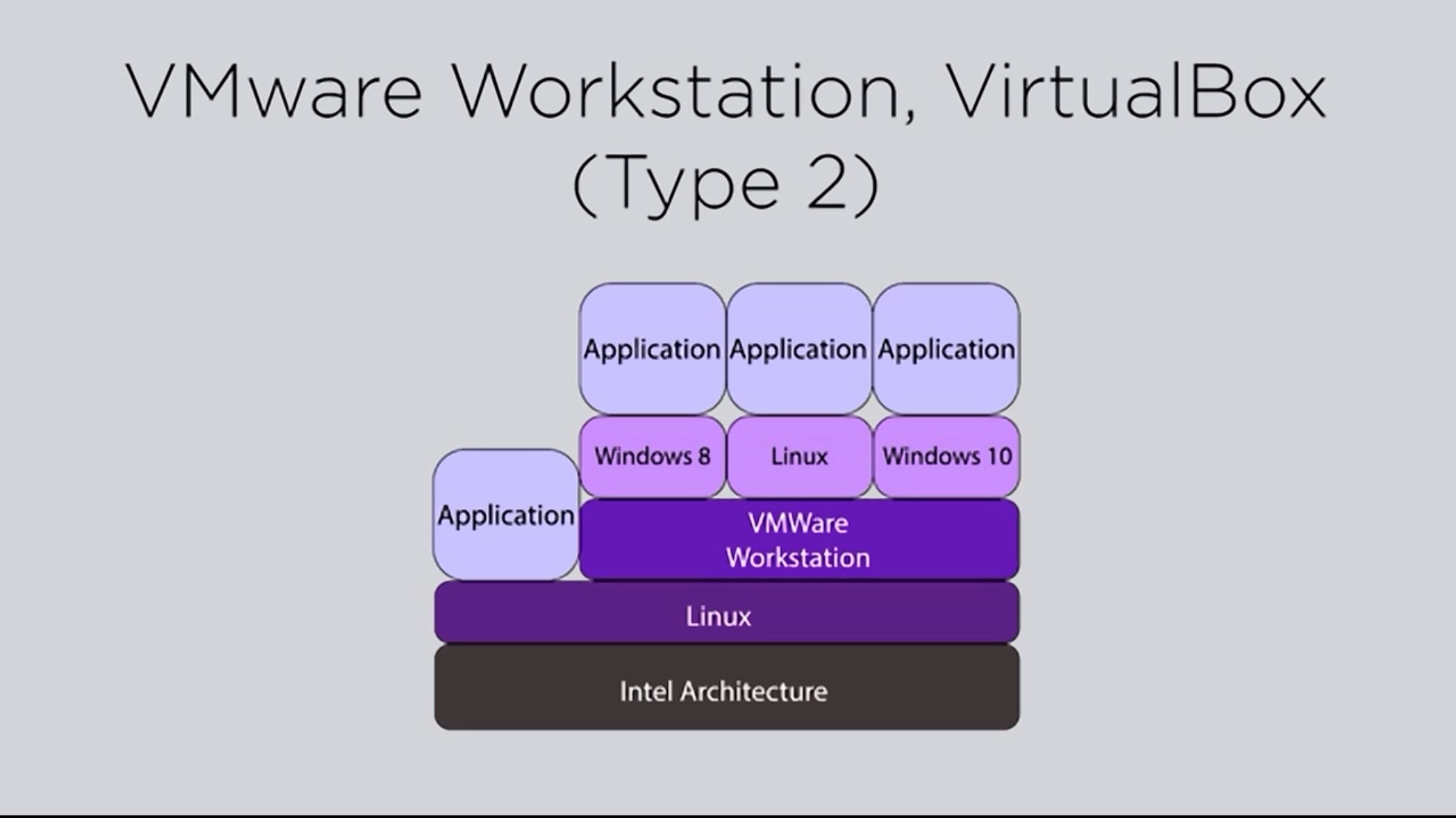
Type 2