FUEL STUFF APES
1/8/26
ALTERNATIVE ENERGY SOURCES
Non-renewable:
NUCLEAR
REQUIRES URANIUM
Renewable:
SOLAR / FRESH WATER / WIND / OCEAN / BIOFUEL
sun energy
GEOTHERMAL (SOMEWHAT RENEWABLE)
requires water
DEADPOOL
water level too low
no electricity….
ELECTRICITY NOT SAME AS ENERGY
1/12/26
U.S HAS MOST COAL
VENEZUELA HAS A LOTTA OIL
POWER = WORK/TIME
UNITS: Joules/second, Watt
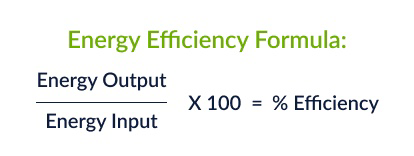
HIGH POWER ≠ BEST
FOSSIL FUELS
Pros
easy use
infrastructure alr there
portable
storable
abundant (4 now)
Cons
nonrenewable
produce pollutants
SOX
NOX
CO2
CARBON MONOXIDE
MERCURY
COALS
Peat
lignite
sub-bituminous
bituminous
anthracite
1/13/26
OCEANIC CRUST
HEAVY
BASALT
CONTINENTAL CRUST
LIGHTER
MINERAL RESOURCES
identified
known location
quantity
quality
extensive evidence
reserves
identified
sedimentary
sandstone
limestone
metamorphic
slate
marble
quartzite
igneous
granite
pumice
basalt
open pit mining
machine done
dig holes, remove stuff
toxic groundwater @ bottom
area strip mining
hilly, mountainous regions
causes highwalls = big wall of erodible dirt
contour strip mining
earth movers strips overburden and shovels remove mineral deposits
erodible hills of rubble = spoil banks
mountaintop removal
explosives
coal
waste dumped into streams/valleys
mining problems
acid mine drainage
erosion/sedimentation
cyanide/other toxins
dust emissions
habitat modification
surface/groundwater contamination
smelting: heat used to extract metal from ore
tailings: leftovers of ore that no one gaf abt
gangue: worthless minerals
1/15/26
most california oil and gas in
medically underserved communities
lots in LA
Santa Barbara Oil Spill
led to earth day
exxon valdez oil spill 1989
drunk dude rammed into coast
BP oil spill 2010
explosion
Distillation
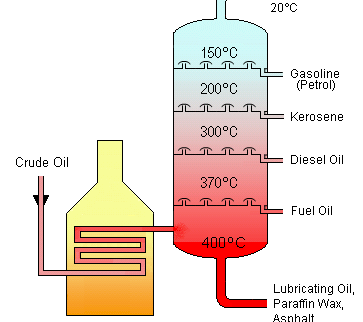
crude oil cant separate on own
requires lots of energy
oil shales (tar sands)
contains kerogen
kerogen = hydrocarbon
kerogen = combustible, solid mixture
similar 2 crude oil
oils from oil sand/oil shale
sulfur content = high
extraction causes: toxic sludge
fossil fuels
co2
pollutants: mercury, PAH
pah = polycyclic aromatic hydrocarbons
particulates (ash and soot)
benzene = carcinogen
cancerous
how electricity
heat from burning
water hot to steam
steam cause pressure turns turbine
turbine connects to magnet
magnet makes electricity
cooling tower creates thermal pollution
hot steam
1/20/26
passive solar
sun used for regular smegular light
active solar
energy requires mechanical power
electric pump circulate water, air
fluids from solar collector to location that store heats
PV (photovoltaic)
convert sunlight to electricity
only works when suns shining
off the grid
solar thermal generator
sunlight on water containers
water boils, used to run steam powered generators
built w/ large output in mind
Solar
pros:
air pollution ZERO
free (relatively) after panel purchase
can be used anywhere
off the grid
cons:
weather or sunlight is inconsistent
electricity used while making the panel
e-waste
shade: reptiles need the warmth that panels are taking up
water power
potential solar
hydroelectric power plant
uses water stored behind dams
also produced thru pump storage
Three Gorges Dam - located in China
small scale systems
potential in mountainous regions
water power
pros:
clean and efficient powrr
no burning of fuel
no radioactive waste
cons:
flood large tracts of land
fish migration block
traps sediment (beaches cant replenish beaches)
evaporative loss of water from reservoirs
temp of water increases
ocean energy
high energy, uses motion of waves, currents, and tides in ocean
difficult to harness
destructive and corrosive
most successful = tidal power
needs specific topography
tidal power
dam built across entrance to bay/estuary
water held in/out bay until huge difference forces it out
environmental impact:
hydrology of bay changes
passage of fish blocked
changes habitat of fish and other animals
wind power
produced by convection
cheapest alternative energy
used offshore and a lot of other places
cons:
inconsistent
velcoity increased over hilltops or funneled through mountains
kills animals
uses lotta land
natural setting degrades
noise and shade
microbial fuel cells
geothermal energy
energy from interior of earth
mined & used to:
generate electricity
heat buildings
can be considered nonrenewable
rate of extraction > rate of replenishment
cons:
thermal pollution