Golden Age: Between Clash and Commemoration
Beyond the Italian Peninsula : The Flemish. Dutch and Spanish (how they are united with Caravaggio, etc)
Moment of artistic innovation but this age is also tied to colonialism(funded much of this art).
Peter Paul Rubens
noticeable transition in the style from traditional Northern European —> much more infused with the study of figure: drama, intensity, (carefully articulated)musculature
changing the conversation for painting, religious painting in case of ex 2
diagonal cutting into work —> energized and more dynamic composition
The Raising of the Cross
scene of the crucifixion, christ supported by an entourage of figures
compared to Grunewald :
G: balanced work, relatively unremarkable landscape(dark and so describes the sobriety of the moment) stiff. withered figure.
R: Our eye wants to move through these panels with much more energy, a really dynamic body of figures cascades through a set of diagonals. greater array of reactions to the moment.
musculature as a central component : upper part of central panel.
the influence of Italian art is tangible : musculature suggests a study of classical sculptures
he is thinking about ideas of tenebrism : absorbing it, making it his own :
playing with theatricality
sense of tension
not stable positions : we are seeing a moment
Henry IV Receiving the Portrait of Marie de’ Medici
Patron message via symbolism and dramatics
A theatrical revelation
Marie presented by Gods: match destined by the heavens, an ideal union
The woman: France herself supports this marriage. also references the strategy of these relationships
Arrival of Marie de’ Medici at Marseilles
Marie has a spectacular costume , another figure echoing the personification of France
Symbolism
rest of composition washed in classical references
Rembrandt
The Company of Frans Banning Cocq (Night Watch)
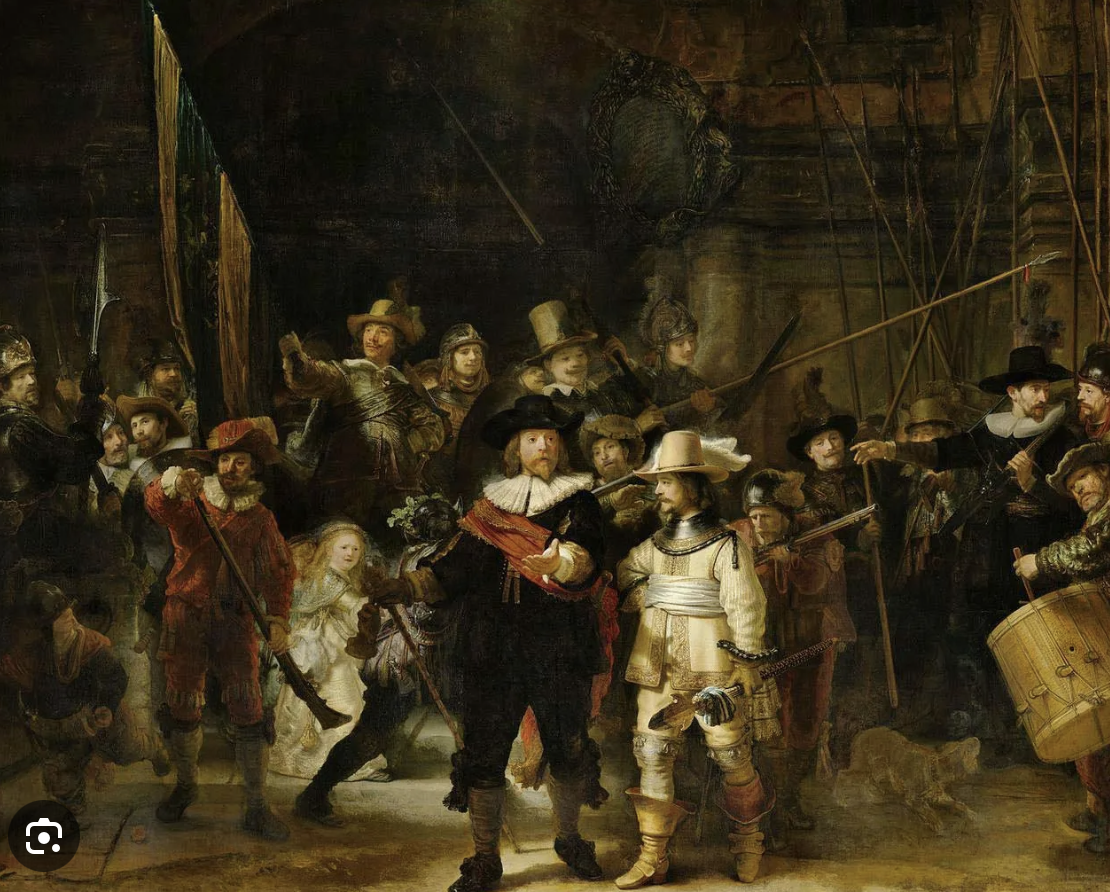
Patron Message
network of individuals part of a private militia led by Frans : showing the status of the group
Natural representation
striving for a more natural representation : we are seeing a chaotic scene, a snapshot, not an organized group portrait
Drama : closer to tenebrism
enigmatic girl
deep plunge into shadow
Pieter Claes
Vanitas Still life with the ‘Spinario’
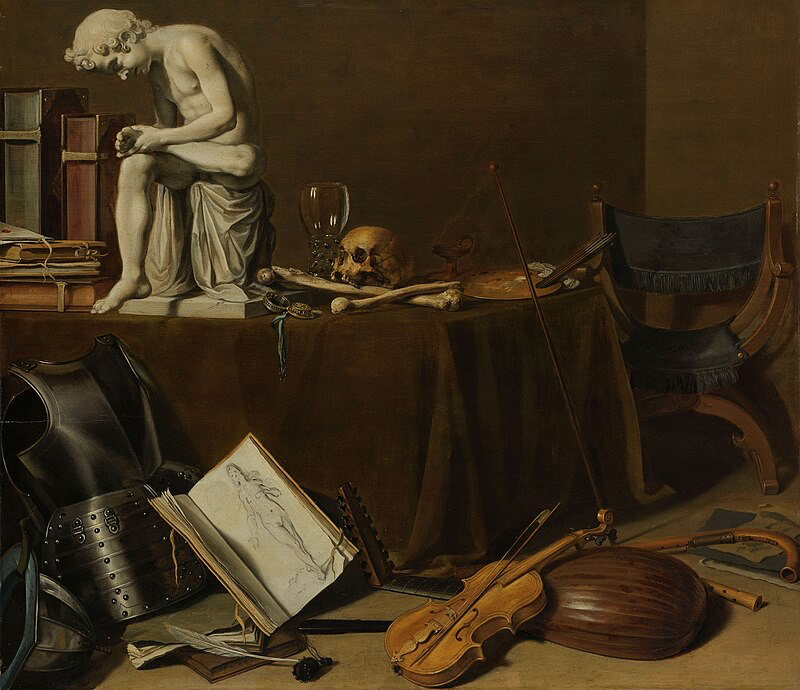
study of materiality
element of vanitas still life
playing with illumination
natural array in composition
—> speaks tp continuity of some of these elements
Vanitas
still life scenes with symbols of death (momento mori) as a reminder of its inevitability
promote ethical and moral behaviors
Spain
Context:
had control of southern half of Italian peninsula which creates more of a facilitated exchange between these artists
Jusepe de Ribera Martyrdom of Saint Bartholomew
sense of ultimate moment of tragedy: his final pleading
B looking at us in a really direct and intense manner as he is being skinned alive. his left hand.
playing with intense abrupt contrast between highlight and shadow : Tenebrism
again, plunging into shadow enhances our attention to the subject and this pivotal moment within the composition
Emphasis on Naturalism
contorted body, twisted unnatural posture
there is no reverence to the way this saint is showed : dirty, bruised, scraggly beard, face showing signs of age
Saint in the guise of a real figure (as apposed to the glorified representations we find elsewhere)
Francisco Zurbaran, Saint Serration
really intense use of Tenebrism
a quietude to underscore the reality of the moment - life is leaving the figure
Diego Velazquez
The Drinkers
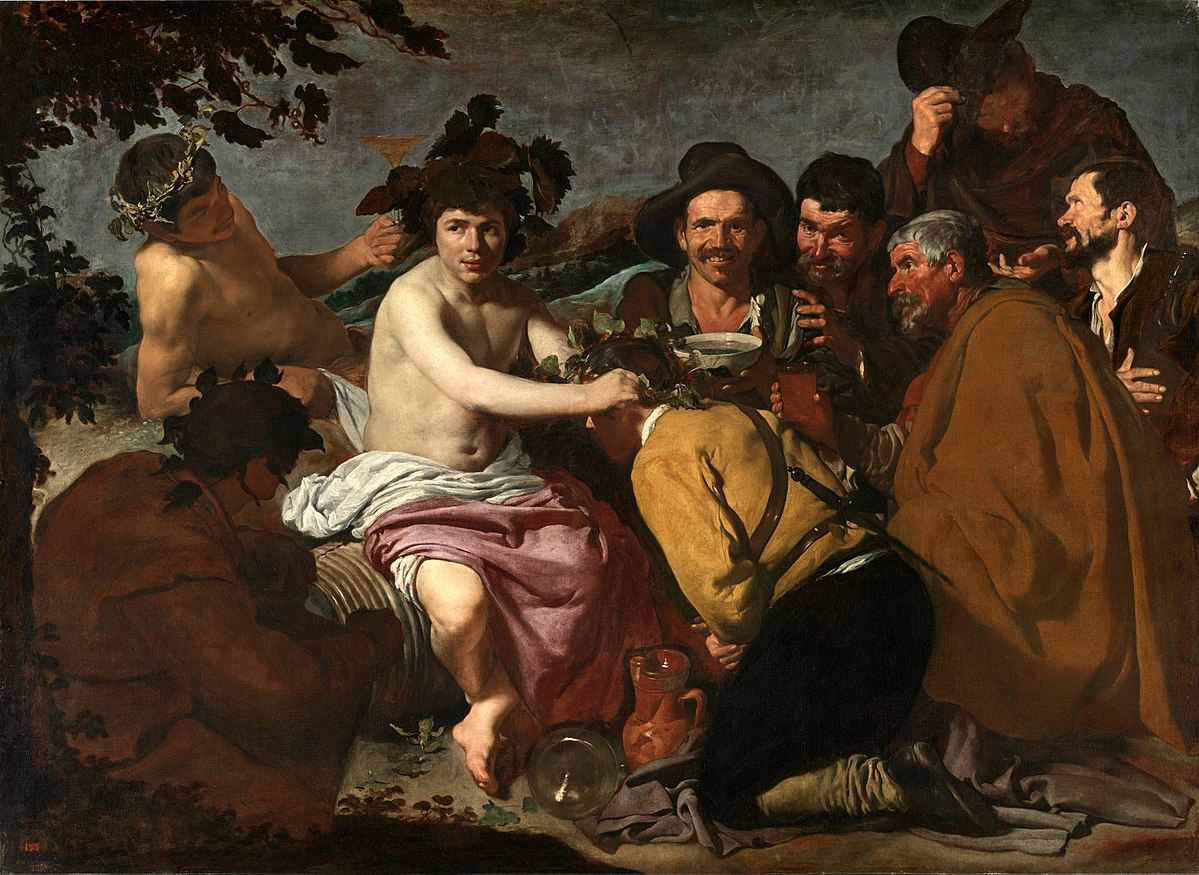
figure representation of Bacchus
Velazquez leaves viewer to interpret what is happening: an actual meeting of these figures?
comparison to Caravaggio thinking about the idea of naturalism (C’s Bacchus has the tan of a working class individual and dirty hands. reminding the viewer of the reality that his models are real figures in the guise of Gods - he found people in real life and solicited them to pose)
Las Meninas
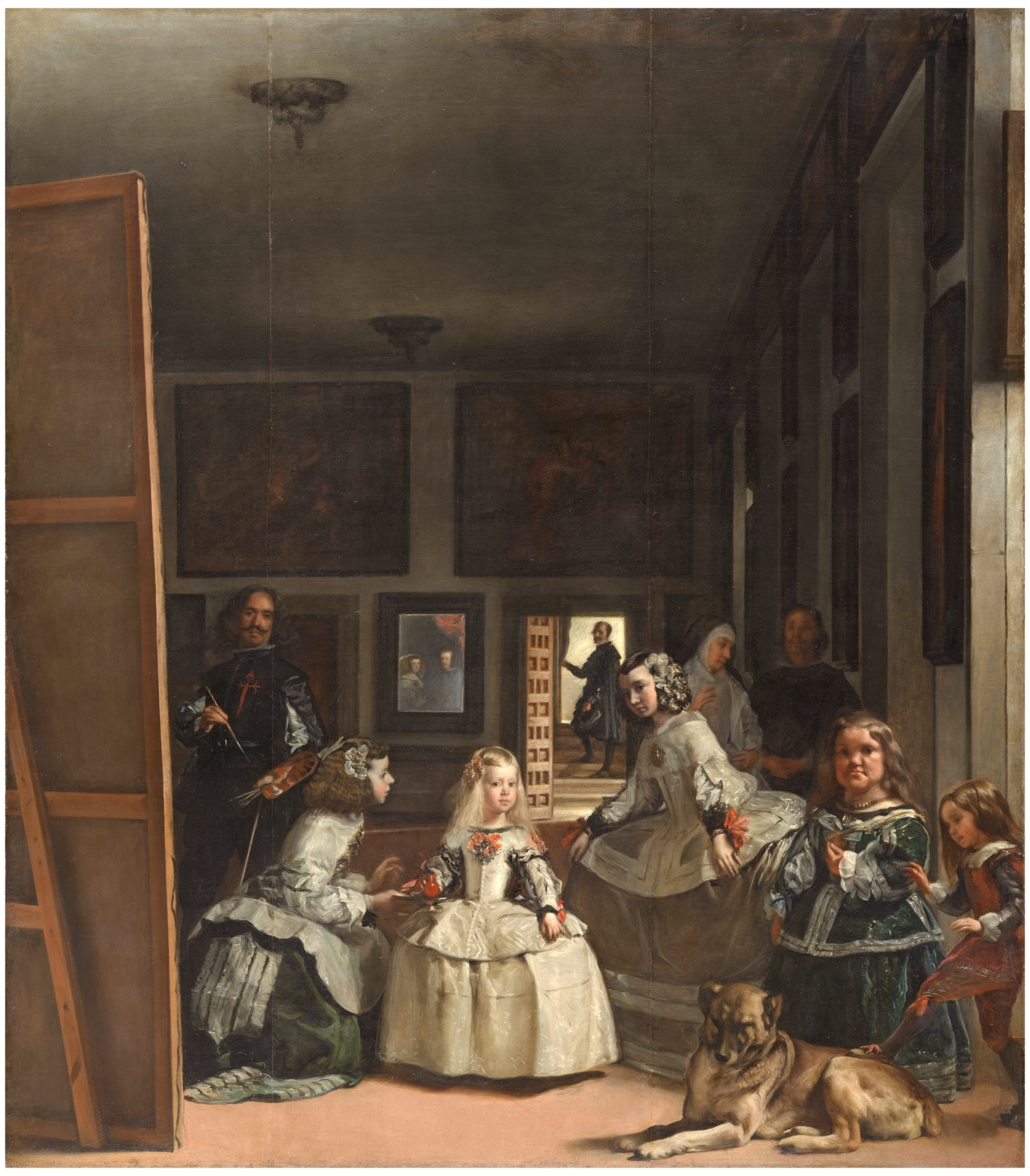
not quite clear what’s happening but raises questions about the status of the viewer and status of the artist
V is painting the king and queen (we see this subject in the mirror)
showing himself in the act of painting
princess seems to be the subject but upon looking under all these layers it exalts V’s role as an artist.
the V: seeking recognition for accomplishments as an artist.
theatricality again as a mode of engagement
in a non-religious work the theatricality is inspired by the lack of focus, the allusiveness of this scene.
Phillip IV of Spain (“Fraga” Portrait)
subject benefitted from wealth of conquest : opulence of the painting gives us a sense of that
influence of Italian baroque painting