Neuro PEDS
Headaches
Primary: (migraines/ tension h/a)
Due to pain receptors in the head and disorder of brain function = sensitive pain receptors
Migraines:
~ genetic + Environmental:
Aura before or after; episodic (< 15 days/ month) or
chronic (>15days for at least 3 months )
→ severe pain , confusion , accessory disturbance , I'll rough for at least eight of the h/a per month
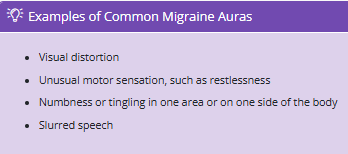
S/s: pulsing w/ moderate to severe pain, n/v, sensitive to light sound, Vision alterations(black spots, Halo, line); facial pallor (in children)
2hr (younger) →4-72hr
can cause cyclic vomit → vertigo
Phases :
Prodrome: ~ 72 hours before w/ aura , Restless , fatigue , mood change , sensitivity
H/a phase:
postdrome: pain subsides → fatigue , mood change , difficult w/ concentration
Tension headaches:
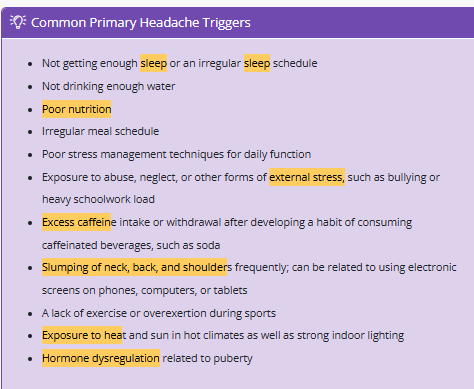
bilateral tightness due to tightness of head , neck , shoulder muscles from chronic stress + migraine triggers
S/s : < severe then migraine ~ episode or chronic/frequent
Clusters( rare)
Screen: description of h/a w/ questionnaire: rate severity, quality, frequency, aggravating factors, effect on ADL (Pediatric and Adolescent Migraine Screen )
Risk: genetic, toxins, environmental, chronic stress; infants prone to colic
migraines <15y F
Tx:
OTC: administer full dose (longer time to treat h/a → worse h/a
Acute: ibuprofen or acetaminophen; water or drink w/ electrolytes → pain lower in less than an hour
(ibuprofen:Take it with food or milk to decrease the risk of GI upset. Do not take it before having a dental or surgical procedure.
Acetaminophen C/I: spartame, saccharin, sugar, or FDC yellow dye #5 / liver disease )
Sleep pattern, well balanced meal, hydration, reduce trigger = important since Rx should NOT be used > 2-3 days
secondary
Secondary: not a serious
TBI or cold, sinus infection, temporal mandibular joint dysfunction (bruxism [grinding of teeth = jaw joint and muscle stress])
~ migraine/tension h/a
Lab: Neuro Imaging
Tx: treat condition of h/a → NSAID/ acetaminophen
If untreated → more difficult to control and relieve pain → chronic
504 plan, rest/ breaks, access to water and Rx, regular exercise, sleep habit, low caffeine
Migrants can get worse w/ physical activity, but not tension h/a
Wear sunglasses, hat, avoid bright flashing light
Head injury
Primary = actual impact; secondary = cellular function damage from injury
Concussion
= impact to head or neck → Coup/ countercoop
Not life-threatening but require monitoring
h/a(resolve ~ 1-4w), trouble falling asleep, temporary speech, mental, memory, attention difficulties; dizzy / vertigo, visual disrupt, balance difficulties, n/v, sensitive to light, tinnitus ~ 4w
Tx : rest from physical and cognitive activity (24-48hr) OTC NSAID, maintain regular sleep/ limit physical until s/s result
Contusion / laceration
= hemorrhaging from TBI → slow of blood flow + swelling → ~ permanently disability
Mostly on temporal or frontal lobe; occurs 12hr after TBI w/ progression 3-4 days
loss of LOC, vomit , seizure , speech / vision( x2) / hearing problems ; Neuro Imaging shows lesions , edema ,skull fracturing w/ laceration show external hemorrhage + skin damage
tx: external bleeding stopped ; ICP >20 = CSF drainage / craniotomy, if minor ICP = positioning ; if Progressive neural damage = sx
Hematoma:
Epidural from ruptured artery → Push the dura away from skull
Subdural from venous rupture
Develops rapidly → AMS, h/a , drowsy , speech impairment , paralysis , SOB , low HR → coma/ death
Tx : simple monitoring if small → drain blood if large
Screening: GCS >5yr = higher the score/ better cognition
Injuries from Sports, MVA, violent Behavior, Falls (especially in children due to large heads, shift to center of gravity, weak neck muscles)
Lab: XR, CT, MRI for suspected, recovery closely monitored w/ follow-up 1-2w
Visual testing/ assess of central vestibular system and pastoral stability and balance
CT if serious, CBC + neuro image if hemorrhage suspected
Can cause PTSD, personality change, cognitive deficit, impaired concentration, attention/memory
Should not operate a vehicle~ 48 hours
Wear protective headgear that is properly fit, child safety seat or seat belt
After 48hr → gradually resume play activities w/ monitoring
Quiet environment, limit number of children, low screen time decrease for the trauma from contact Sports
→ post concussive syndrome where s/s persist and increase risk of repeated concussions
Infection
Encephalitis
From virus ( enterovirus, herpes, insect born/ West Nile virus) or other pathogens, animal bites
S/s: h/a, confusion, hallucination, seizure, change your behavior, sensitive to light → systemic = fever, rash, weakness, respiratory/gi distress w/ s/s rapidly worsen →loss LOC
Bulging fontanelle, ~ speech problem / aphasia if severe
Lab: lumbar puncture analysis, neuroimaging
Tx: viral = acyclovir for 14-21 days;
For this inflammation = corticosteroids (orapred, prelone) , ABX for bacterial infection, antifungal for fungal infection
Vaccinations(MMR), preventive measures against ticks or mosquitoes
rabies
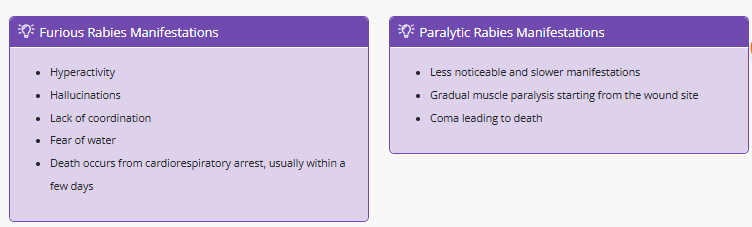
rhabdoviridie from animal bites → peripheral nervous system → CNS + areas w/ dense nerve concentration (salivary glands → hypersalivation, intense pharyngeal muscle spasms) → complete CNS failure
From hematophagus bats or wild animals from saliva
In Asia or Africa
Preventable from vaccination and post exposure prophylaxis
S/s: 2-3m or 1w-1yr
From animal bite + fever, tingling, prickling, burning one CNS affected
Lab: postmortem or if encephalitis = saliva test, skin biopsy, CSF
Tx: no tx if s/s
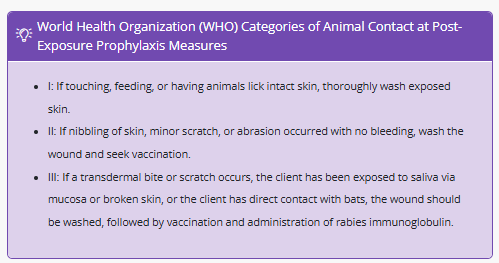
One caregiving 3 hours of bite = scrubbing wound and surrounding area w/ 20% soap and water ( providing iodine or alcohol solution), swab deeply, irrigate
If animal → vaccine and rabies immunoglobin
Only those w/ high risk occupations like laboratory or Wildlife require vaccination but not children
Pet owners and importance of vaccination, Animal Control
Febrile seizures
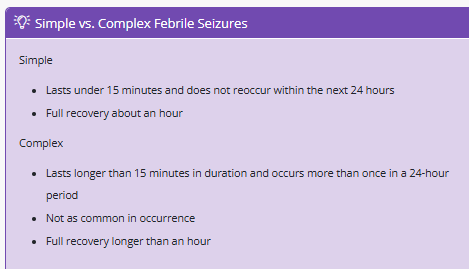
Simple = most common and effect whole body
Complex = focal
<5y + > 38C w/ infection, cold, influenza
~ related to dehydration from severe diarrhea , vomiting , meningitis
Even if I start off seizure child does not have fever → can develop afterward
If last long time = increase risk of epilepsy
More than one febrile seizure or febrile seizure w/ low fever
S/s: different/jerking muscle, rolling eyes, loss LOC
~ 1-2 min or sec →15min
→ weak / drowsy but recovery after minutes → if s/s persist (h/a , weakness , changing consciousness ) → further investigation
Lab: blood test for infection + CSF for meningitis
Tx: alleviate discomfort or fever
Acetaminophen / ibuprofen for discomfort but not to decrease risk
Hospitalization only if > 15 minutes, if unresponsive, serious infection, <6m
IV abx, sepsis evaluation, urine/ blood/ CSF cultures
Premature infants = IV acetaminophen; >6m = ibuprofen
Slight increase risk of flu/ peneumococcal/ DTaP vaccine within 24 hours but prevents infection that can increase more risk
Check temperature rectal thermometer, shows fussy. Fatigue, poor appetite
Keep timing of seizure and record any following seizures
Child late on their side w/ nothing restricting them'
Epilesy
Two or more unprovoked seizures that occur at least 24 hours apart from electrical unexpected / uncontrolled activity
Generalized, focal, combined, unknown
Hx of trauma, infection, developmental disorder, alcohol exposure, structural brain changes, brain tumor ; small baby , low O2 hx of seizures within 1st month
Genetics: Dravet Syndrome (SCN1A Gene)
S/s: recurring seizure
Motor = tonic (stiff )/clonic (jerking); myoclonic = brief jerks occur less than a sec; atonic: loss of muscle tone / limp; epileptic spasms: sudden bending / extension of Limbs and trunk; absence seizures: staring and unresponsive
Generalized: jerking, weakness of Limbs,, rigidity, touching spasm, sudden loss of movement, eyelid movement, staring
Focal epilepsy: aura + impaired / complete awareness
Repeat a small movements of hands or mouth( ultimatisms, muscle twitch, jerking), muscle spasms, feelings of heat or cold, inability to move,, AMS, increase HR
Combined generalized/ focal = mixture; occurs w/ dravid syndrome in 2-15m → frequent, prolonged difficult to manage
Unknown: stiffness, jerking, conversions, lack of movements, staring, loss of bowel /bladder control, bluish paler
Lab: EEG, Neuro Imaging ,blood testing to rule out
Tx: anti seizure (carbamazepine, phenytoin, valproate)
Can come off Rx about 2yr w/o seizures
ADR : risk of suicidal thoughts , ADHD , anxiety , depression , aggression , ASD, birth control less effective
High fat, low carb, module protein = ketogenic or modified Atkins diet
Vegas nerves stimulation w/ electrical impulses ( surgically implanted on left side of the upper cheek; >4y)
Unresponsive = brain sx by disconnecting parts that causing seizures, electrodes implanted
Adequate sleep, balanced diet, journal w/ triggers
Not unsupervised around water, or hight from fall, open fires, kitchen stove, biking, skating,
Driving = require seizure free for several months up to a year
Medical bracelet + seizure precaution
Arteriovenous malformation (AVM)
Congenital circulatory system defect = vascular tangles = oxygen bypasses capillaries → worse in CNS
Increase risk of high blood pressure, weak blood walls → aneurysm, micro bleeding in brain ,massive bleeding
More in posterior fossa , basal ganglia , thalamus
No s/s until bleeding occurs → h/a, back pain, seizure, weakness, visual problem, bladder/bowl dysfunction, behavioral disorders, loss of coordination , speech problem difficulty in organizational tasks , confusion , hallucination , memory problem , numbness tingling pain
Neurological dysfunction : repetitive movements , fixed posture , weakness , paralysis , spasms , hydrocephalus , epilepsy loss of movement control
Asymmetrical spinal growth

Check GCS, access for bruit
From poor blood vessel connection; genetics ( hemorrhagic telangiectasia, Wyburn-Mason's syndrome, von Hippel-Lindau disease, and Sturge-Weber syndrome), injuries to head of spinal cord
Lab: Neuro Imaging: transcranial Doppler ultrasound, digital subtraction angiography → monitor changes in size, bleeding, classification, presence of new lesions
Tx: preventing rupture or destroying a VM by rerouting w/ sx
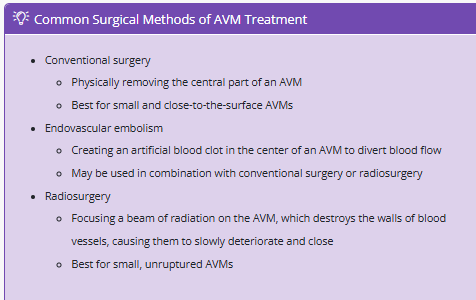
If not just monitor, treat side effects like h/a w/ OTC or anti seizure
Avoid strenuous activities and anticoagulants, rehab, follow up
hydrocephalus
Ventricles enlarge and pressure against skull increases
By structural defect , irregularly where spine column does not close(spina bifida, encephalocele), infection during pregnancy(rubella), meningitis, brain bleed, head injury, tumor
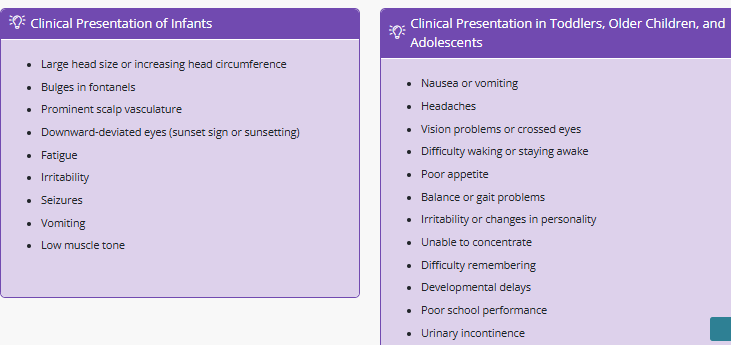
Screening: physical/neural assess = large or bulging head, Sunset sign of downcast's eyes
lab: ultrasound/MRI to detect in large ventricles and fetus, CT or MRI, lumbar puncture
If meningitis = ICP monitoring or isotopic cirternography
S/s:
Learning disabilities , vision problems , short-term memory and executive function dysfunction, loss of coordination , difficulty walking , bladder dysfunction, reading and writing and communication skills
Tx = surgical shunt where CVS flow from brain to chest or abd cavity
Obstructive = endoscopic 3rd ventriculostomy (ETV) Mall camera in the bottle or in between ventricles to allow CSF to drain
<2yr = choroid plexus cauterization
No tx during pregnancy
Rehab ASAP, vaccinations, prenatal care, regular Health screen, safety(helmets/ seat belt)
Identify clogging evolve or pressure variations and shunt!!!!!
ABX + removal + temporary drain place if infection,
Sudden s/s of hydrocephalus = sx
Spina bifida
Neural tube closes 2-6 week of gestation
Occulta, ~ no complications : Harry patch of skin or dimple in neonates back
Protrusion through spinal cord and lower back = aperta
meningocele: Sub-Q back mass, motor weakness , sensory loss , unexpected reflexes , urinary retention / incontinence , frequent UTIs , food deformity , scoliosis , unequal leg length , kyphosis , dermatic lesions
tetherd chord syndrome = spinal attachment to surroundings tissue
myelomeningocele: contains nerves → paralysis or motor dysfunction below area of protrusion
Brainstem dysfunction hydrocephalus → dysphagia , facial weakness , Strider , apnea , refrespiration
Paraplegia evolve to respiratory , cardiac , kidney complications ,
Increased risk of latex allergy
Screen:
prenatal: blood test, ultrasound, aminocentesis, 2-3rd trimester high AFP
MRI → fetal sx → 24-48hrs after birth
Risk: radiation, pollution, pesticides, organic solvents, poor nutrition, low folic acid, anticonvulsion, smoking, caffeine, alcohol, DM, anxiety, obesity, hypothermia, family hx (Arnold- Chiari syndrome = brain herniation, displacement of brainstem, hydrocephalus, and myelomeningocele.)
Erectile dysfunction and fertility problems
Tx:
Prevention = 400mcg folic acid daily, if past pregnancy would neural to defect = 4,000 mcg for 1st three months of pregnancy and one month w/ prior
Notes defect location in size + perform neur o exam 72hrs
Physical management indicated to control CVS leakage
If more severe → seizures, learning disabilities, bowel/bladder, pressure ulcers, orthopedic
CSF shunt, PT/OT, Mobility AIDS, orthopedic sx, AVX, colonostomy/ catherization
Tetanus
Clostridium tetani: spores enter through wound and replicating anaerobic conditions → secrete toxins
tetanospasmin = causes spasm rigidity → autonomic instability = increased / decreased HR, arrhythmias, HTN, cardiac arrest, kidney failure, CNS dysfunction
Tetanolysin = tissue damage
Screening: hx of skin trauma and vaccination
Found in soil, dirt, dust, animal feces, especially in warm / moist climates
Neonatal tetanus from unsanitary birthing process, unvaccinated females, home births
Burns, puncture, Crush injuries or wounds contaminated saliva or pieces, insect bites, compound fractures, drug use injections, Dental infection
S/s:
Lockjaw = gently touch back of throat → involuntary jaw muscle contractor instead of gagging
Muscle spasms spreading to face neck throat chest = difficulty breathing / swallow → spine to Arc backwards
Fever, h/a, sensitive touch, sweating, rapid heart rate, bloody stool, diarrhea
The further from CNS, the longer it takes
Generalized = spasms and rigidity up to 4 weeks and Recovery many months
Neonates = feeling difficulties, facial grimacing
Localized contractions outside of injury → ~ progress to generalize
Cephalic from head trauma, dental procedures, eye infections that affect facial nerve but can affect other CN
Paralysis of vocal cords
Autonomy dysfunction = hyperthermia , HTN
Fracture or joint dislocation due to spasms
Lab = wound culture, antitoxin (0.01 < = protection)
Tx: debrided wound, tetanus immunoglobin(TIG)(make sure that after recovery immunization w/ Tig), penicillin, support your therapy for Respiratory, autonomic instability, muscle spasms → possible tracheostomy
Metronidazole slows progression of infection
BZ/ diazepam reduces anxiety and muscle spasms w/ magnesium infusion
Dtap vaccine
ADR: soreness, swelling, fever, irritability, fatigue, lots of appetite, vomiting →40.6C fever, seizure, incessant crying
Botulism
Clostridium botulinium = in soil, air, water, Food Barn from home canned or fermented fish/foods , honey/ corn syrup (<1yr ~3-4m, due to low gastric acidity and bacterial Flora) , contaminated traumatic injury or sx
Risk : High birth weight , Hispanic and Asian (cultural), infected this particles from nearby construction sites or vacuum cleaner
→ toxins cause paralysis from face then downward by blocking nerves ending ability to Signal muscles to contract → respiratory failure (dose of low 1mcg/kg)
12-36 hours → 10 days for s/s
N/v , diarrhea before neuro (weakness , paralysis , low muscle tone ), NO fever , alert
Urinary retention , aspiration , apnea
Screening: check for facial, eye, mouth weakness
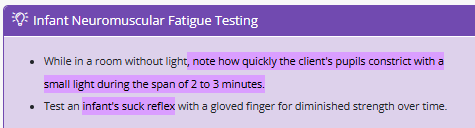
<1yr, constipation, muscles that affect crying, sucking, swallowing
Lab: stool culture, direct toxin assay from school, serum, gaster sample; Mouse inoculation test, PCR
Tx: hospitalized to Monitor and provide mechanical ventilation; brutalism and detoxin, BIG, debrided wound
PT but not full recovery
All live virus vaccines delayed by 5 months and BIG 6-month window
And hand hygiene and special handling of diapers since toxin can continue to be shed after several months
Drowning:
When under liquid, initial reflexes to hold breath → 2 minutes, respiration reflex entail becomes too strong → inhale liquid → cough reflex, throws spasm, panic → excessive carbon dioxide/ acidosis, low oxygen → decrease spasms and coughing and more liquid enters lungs → cerebral hypoxia = unconsciousness, brain tissue damage, cardiac dysfunction
If hypothermia ~ provide protective mechanism to reduce O2 demand in the brain
Risk: bathtubs, bucket of water, swimming pool, use of substances, ,, epilepsy, intellectual deficits, ASD, physical conditions that compromise ability to remain conscious while drowning = heart disease, long QT, polymorphic catechola minergic tachycardia
<1y = bathtubs → 1-5y home swimming pools → adolescence larger bodies of water
S/s: unconsciously floating face down in water
Dry drowning
Secondary drowning: person is still cautious and accuse of water and lungs are delayed
→ persistent cough, SOB, chest pain, extreme fatigue, vomit, fever, irritability, mood change, difficulty talking / crying, confusion / disorientation ; either immediately or ~ 24 hours
ARDS, vomiting increases aspiration risk
Maybe a company by traumatic injury
→ PTSD = fear of water , shame , aggression , depression , anxiety , chronic disturbing thoughts
Lab: for extent of damage
ABG = acidosis, hypoglycemia, E/I
Kidney function / coagulation,
Toxicology for substances in adolescence
Electrocardiography for heart function; CXR for pneumonia; CNS CT scan
Tx:
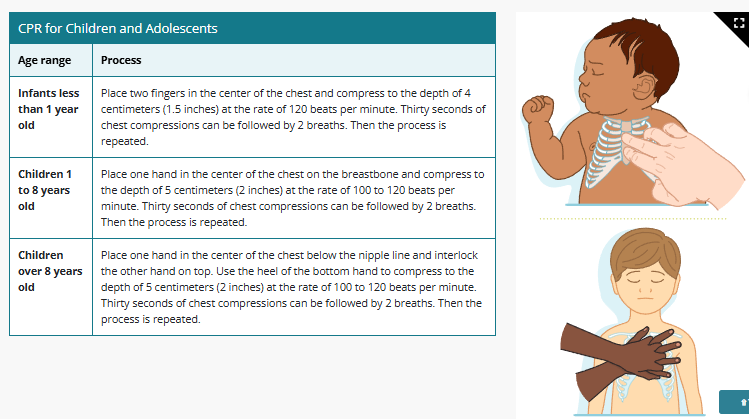
CPR, attention to traumatic injury, if hypothermia cover and dry, defibrillator, respiratory support, fluid administration, correction of hypothermia/ metabolic/ electrolyte imbalances
Supervision near any water, fence w/ Gates lock and swimming pools, buddy system and never alone in water, flotation devices
At 2 years = teach swimming
Spinal cord injury
Primary or secondary due to hemorrhaging, edema, nerve cell death
Incomplete= not all are damaged so still have some function\
Complete= no motor or sensory
Paraplegia= paralysis of lower body; Tetraplegia = all four limbs
Screening:
Test sensory w/ pinprick, carefully transport while keeping the patient immobile; GCS
Lab :
XR to determine bone fracture or misalignment when AMS, focal neural finding , neck pain , torso injury , hx of predisposing risk (MVA) → CT scan to show bone fractures , bleeding , stenosis cranial cervical and cervical thoracic Junctions → MRI to check for her herniated spinal disc, inflammation,, blood vessel irregularity, so metal sensory evoked potential (SSEP) testing, magnetic stimulation test
Risk: MVA, Falls, sport injury, firearm, violence, bus related injuries
Younger are higher risk due to having flexible spine, larger head, incomplete ossified vertebra, more firmly attached horizontal ligaments
S/s:
Spinal shock = loss of function and reflexes below areas fine BUT temporary → comes back partially or fully
Motor impaired, weakness, bladder dysfunction, sensory loss, automatic this reflexia , breathing problems / pneumonia , pressure sores , scoliosis , for jewelry fractures
Chronic neurologic pain , depression
Tx: triage and stabilization, cervical color and backboard, sedation realignment or stability by brace or sx to remove bone fragments or damaged discs or relief pressure and spinal cord
If no sx → 3 days complete neuro exam → Rehab Therapy
504 plan, assistive devices ( wheelchair, braces, electronic stimulators, Prosthetics, computer assisted devices for tetraplegia)
Most cases should not expect delays in menses, sexual maturity, or fertility
Cancer
Glioma:
Low grade / benign or high grade / malignant
Astrocytoma = star shape cells and CNS (cerebrum, cerebellum, brainstem, hypothalamus, optic nerve, spinal cord); most common and do not spread outside CNS
ependymoma= can happen anywhere in CNS, most common place posterior fossa/ spinal is rare
Brain stem glioma: effects breathing, HR, muscle skeletal movement
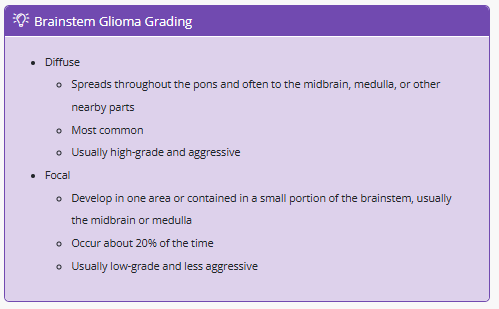
Optic nerve glioma:
Screening: 2nd to 3rd trimester using ultrasound = masses, hydrocephalus, excessive amniotic fluid
Risk: NFT1, tuberous sclerosis, >40y
S/s: hydrocephalus, localized neuro cues, s/s depend on Place affected
Morning h/a, h/a that resolves after n/v, loss of balance, poor handwriting/ speech, weakness/ fatigue, changes in personality/ weight, seizures, problems seeing, hearing, or walking
Lab: nuclear MRI that shows cancer cells; magnetic reasoning spectrotroscopy for chemical makeup of brain tissue; biopsy/ immunohistochemistry
Tx:
6m< w/L1 or low-grade tumors or optic nerve gliomas = just monitoring → remove if problems
Sx; removal the room biopsy
Medulla blastoma
Embryonal brain tumor; wingless, Sonic Hedgehog, group 3/4
Tumor in the lower back of the brain in the midline posterior fossa in the fourth ventricle = super aggressive that fills up ventricle completely → spread to cerebrum and brainstem
Screening = 2nd and 3rd trimester w/ ultrasound
Lab : CT scan of posterior fossa w/ fourth ventricle hydrocephalus present ; MRI shows residual malignancy after sx
Risk: Gorlin syndrome, Turcot syndrome, and Li-Fraumeni cancer syndrome
S/s: clumsiness, difficulty walking, hydrocephalus, early morning headaches, n/v, x2 , blurred vision
Tx: monitor or surgically remove
Neuroblastoma
In peripheral nerve cells = adrenal glands, nerve tissue in spine, neck, chest, abdomen, pelvis area
From neuroblasts that are immature embryonic nerve cells
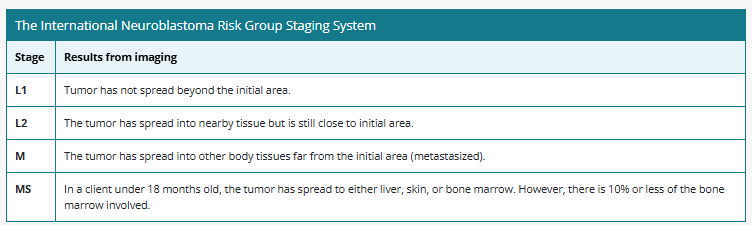
Screen: <5y w/ lumps/ pain and abdomen, chest, neck, pelvis, skin lesion (blue / purple patches)
Lab : aspiration and biopsy of bone marrow ; u/a w/ catecholamine; biomarker testing ; CT scan / MRI / pet / meta-iodobenzylguanidine
Risk; genetic
S/s: lump or pain in abdomen, chest, neck, pelvis; skin lesions w/ blue or purple coloring, bulging or changes in appearance in eyes; SOB w/ difficulty coughing; pain, weakness, leg numbness; bowel/b bladder in control, fever or anemia; sudden muscle movements
Tx: radiation, chemo, antineoplastic medications, Autologous stem cell transplant, bone marrow transplant, monoclonal antibodies, retinoid therapy, tyrosine teenage inhibitors, Target delivery of radio nuclides
AVR: increase risk of other cancers, change in Vision within 2 years, h/a , nausea , depression , anxiety
Stem cell transplants ADR: long-term effects in thyroid, kidney, heart, growth, healing, immune, hearing loss, delete puberty
Cranial spinal radiation therapy is usually avoided< 3y