Virus
Microbial & Plant Diversity Overview
Practical Sessions
Schedule
Assignments:
P1/P2: Bacteria
P3/P4: Protozoa/Fungi
Endosymbiont Theory
Background
Proposed By: Lynne Margulis (1966)
Key Concept: Origin of eukaryotic cells via the endosymbiotic relationship between bacterial cells within Archaeal cells.
**Organelles Origin:
First = Mitochondria originate from alphaproteobacterial
Second = chloroplasts from cyanobacteria.
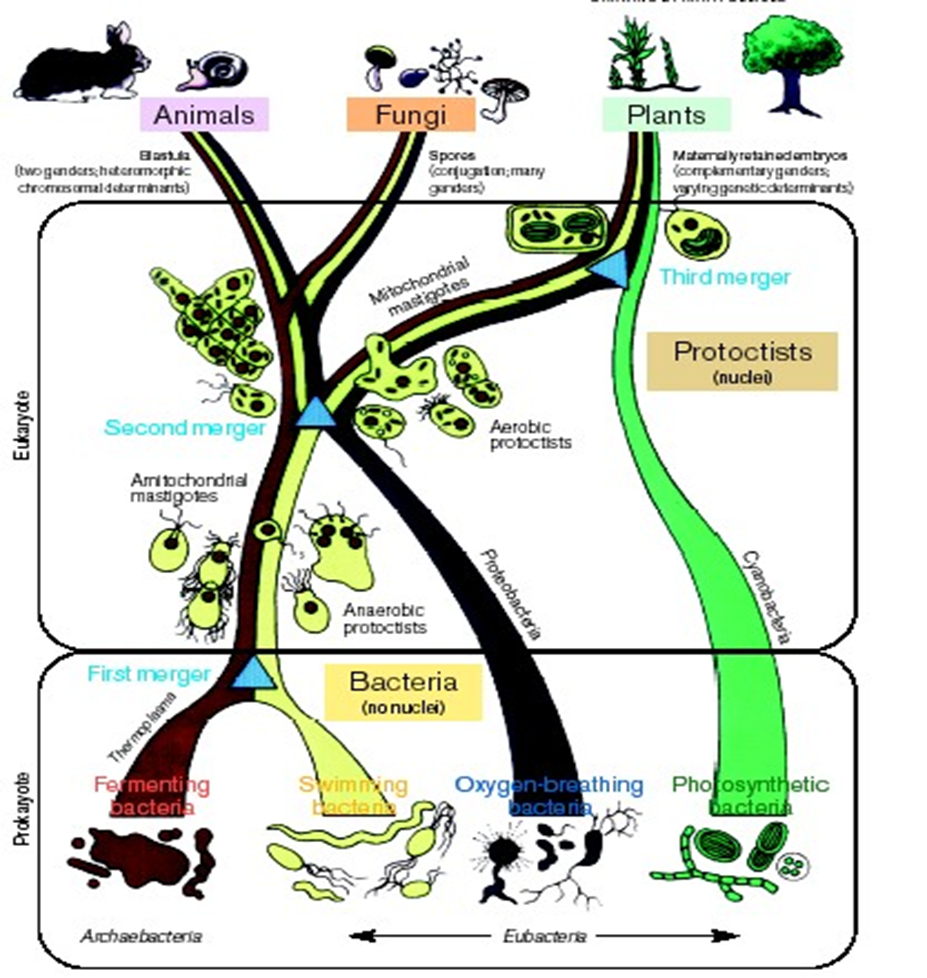
Diversity of Life
Classification of Organisms
**Major Groups: **
Eukarya (contain elements of both Archaea and Bacteria)
Archaea: Not yet cultured, believed to be the oldest living organisms (~3 billion years old).
Bacteria
Phylogenetics
The evolutionary relationships as depicted in phylogenetic trees can change with new species studies and genome sequencing.
Phylogenomics
A modern approach comparing entire genomes, with a bacterial genome costing approximately £50.
Lokiarchaeota
Discoveries
The Lokiarchaeota are considered to be important because they provide the best evidence to date for the evolutionary link between simple single-celled organisms, prokaryotes, and organisms with complex cells, eukaryotes like multi-cellular animals and plants.
First Identified: 2015 in the Arctic Ocean (Nth Atlantic).
Key Features: Presence of cytoskeleton and unique proteins for degradation, suggesting eukaryotic characteristics.
Bridges the gap between Prokaryote and Eukaryotes
Asgard Archaea
Contributions to Eukaryotic Evolution
Possessed many properties of a Eukaryote
Asgard archaea have been found to encode a diverse range of eukaryotic signature proteins, including proteins involved in eukaryotic membrane trafficking machinery, eukaryotic-like structural and cytoskeleton proteins, proteins involved the ubiquitination modification system, and eukaryotic-like ribosomal proteins
Study by Williams et al. (2019): Investigated possible traits of the first Eukaryote Common Ancestor (FECA).
First Eukaryotic common ancestor
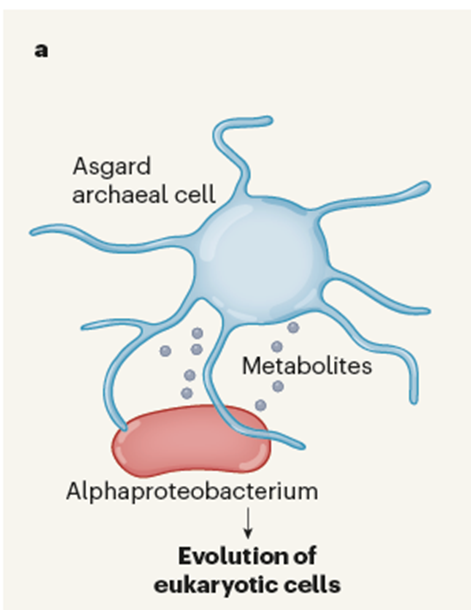
Model: Entangle–Engulf–Endogenize (E3).
Great Oxygenation Events Timeline
Key Historical Milestones
14 BYA: Big Bang
4.5 BYA: Formation of the Sun and Earth
3.8 BYA: Origin of Life
First GOE: Development of oxygenic photosynthesis (Cyanobacteria).
Second GOE: Evolution of chloroplasts and colonization of land.
Significance of Eukaryotes: Features like mitochondria and sexual reproduction arose during elevated oxygen levels (2.1 - 1.6 BYA).
Horizontal Gene Transfer (HGT) in Bacteria
Mechanisms
Plasmid Transfer: Genes can be shared between bacteria via plasmids, including resistant genes.
Methods of Transfer:
Conjugation: direct transfer between bacteria.
Transformation: uptake of free DNA.
Transduction: viral delivery of genes.
Inter-Kingdom Horizontal Gene Transfer
Example: Agrobacterium tumefaciens
Mechanism: Transfers T-DNA into plant cells, causing crown galls.
Impact: Understanding gene transmission from bacteria to plants.
occurring between domain bacteria and domain plantae
Transposable Genetic Elements
Characteristics
Comprise 40% of the human genome is derived from retrotransposon DNA
DNA that is created by retrotransposons, which are genetic elements that move and replicate in a host genome.
Take RNA and makes DNA (reverse transcription)
Two Primary Types:
Transposons: Mobile genetic elements that replicate after excision.
Retrotransposons: Related to retroviruses; utilize reverse transcriptase for replication.
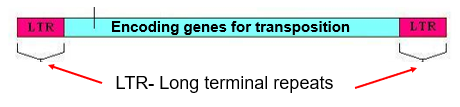
Viruses: Structure and Characteristics
Overview
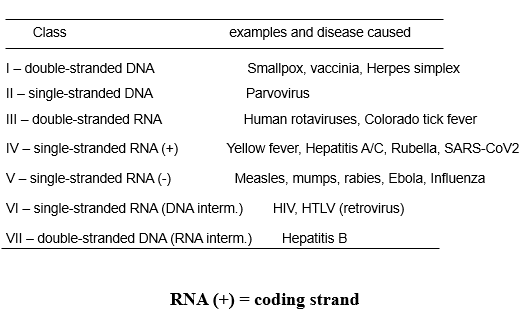
Types: Classified by genome type (e.g., dsRNA, ssRNA).
Require elements of host metabolism for replication
Not classified as living due to lack of independent metabolism.
Diversity of Viruses
Examples included: HIV, Influenza, Ebola, Measles.
Morphological Characteristics: Large marine viruses like Mimivirus have substantial genomes.
Smallpox and Historical Impacts
On Human Populations
Smallpox was devastating, particularly among Amerindians, causing over 90% mortality in some cases.
Historical use in biological warfare (e.g., General Amherst's infected blankets).
Vaccination Development
Early variolation methods (Lady Montagu, 1715) and Edward Jenner’s vaccination with cowpox (1796).
Current Public Health Issues
Yellow Fever
A mosquito-borne virus historically significant in the Americas.
HIV Research
Identified in 1983; ongoing research emphasizes the importance of antiretroviral therapy for HIV management.
Small pox
It was caused by the variola virus and spread through coughing and sneezing.
Eradicated in 1979 via vaccine
Genetic composition of viruses
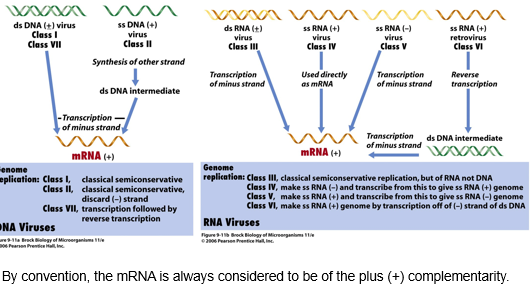
Basic components of a virus
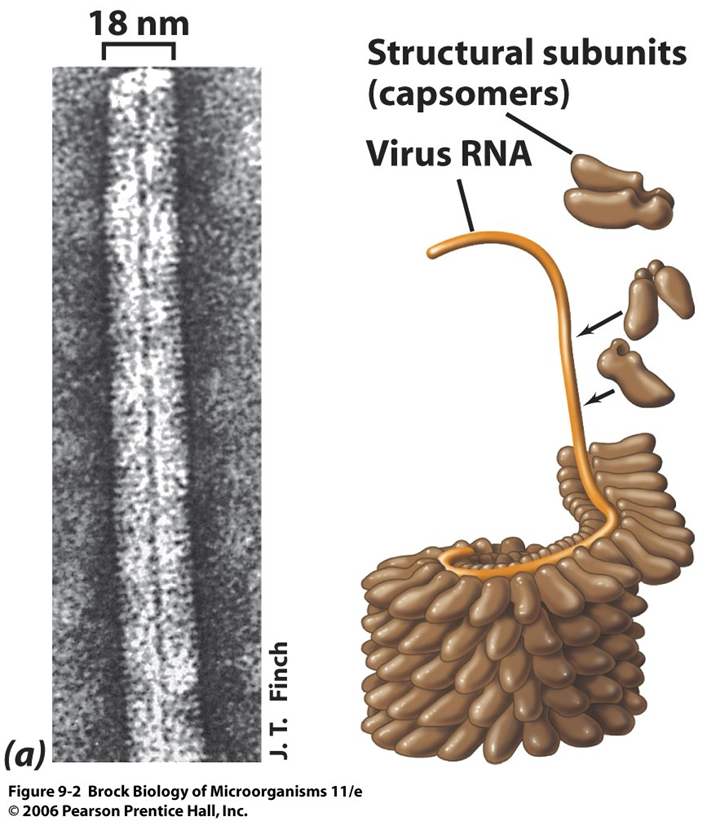
Structural protein = virus particle/capsule
Non- structural protein = enzymes needs for replication
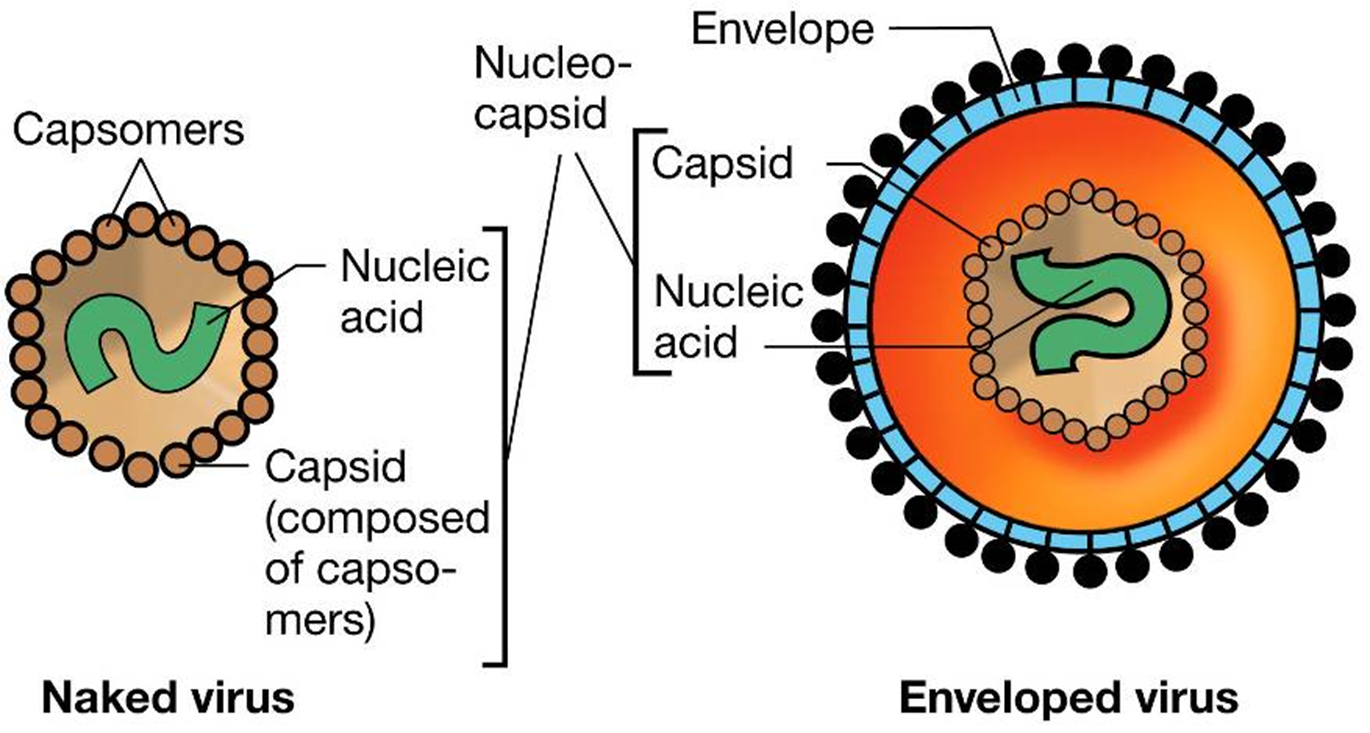
Capsid proteins = shell enclosing nucleic acid
Nucleocapsid = Capsid + Nucleic acid
may be enclosed in an envelope containing host cell material and virus origin
Virion = Complete infective virus particle
Helical capsids
•Simplest way to arrange multiple, identical protein subunits (rotational symmetry) -arranged around the circumference (spiral staircase).
•Multiple disks stacked on top of one another to form a cylinder
•Virus genome is coated by the protein shell or contained in hollow cylinder.
Naked vs. Enveloped virus
Penetration and Uncoating in animal cells
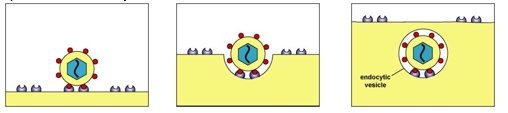
Penetration of an Enveloped Virus by Fusion of Its Envelope with the Host Cell Membrane. Viral envelope fuses with host cell membrane and nucleocapsid enters the host cell.
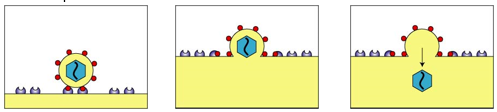
Penetration of an Enveloped Virus by Endocytosis. The host cell membrane invaginates forming an endocytic vesicle and the entire virus is placed in an endocytic vesicle.
Role of Bacteriophages in Ecosystems
Influence on Bacterial Populations
Bacteriophages control bacterial numbers in aquatic systems, influencing microbial loops and nutrient recycling.
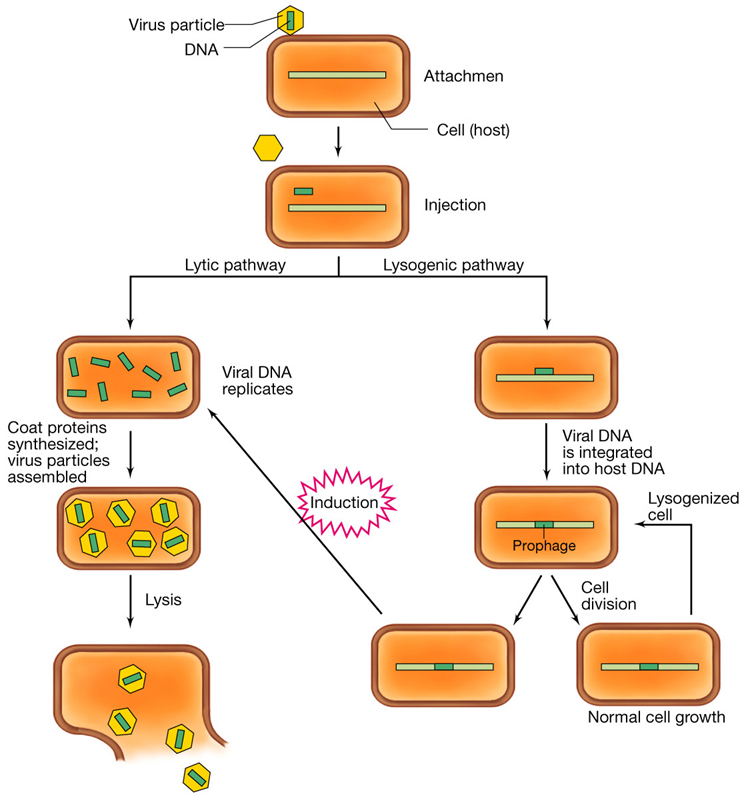
Lytic (or virulent) phages can only multiply on bacteria and kill the cell by lysis at the end of the life cycle.
Lysogenic (or temperate) phages can either multiply via the lytic cycle or enter a dormant state in the cell. In this dormant state most phage genes are in a repressed state (not transcribed)- called a prophage because it is not a phage but it has the potential to produce phage.
CRISPR-Cas9 in Bacterial Defense
Mechanism
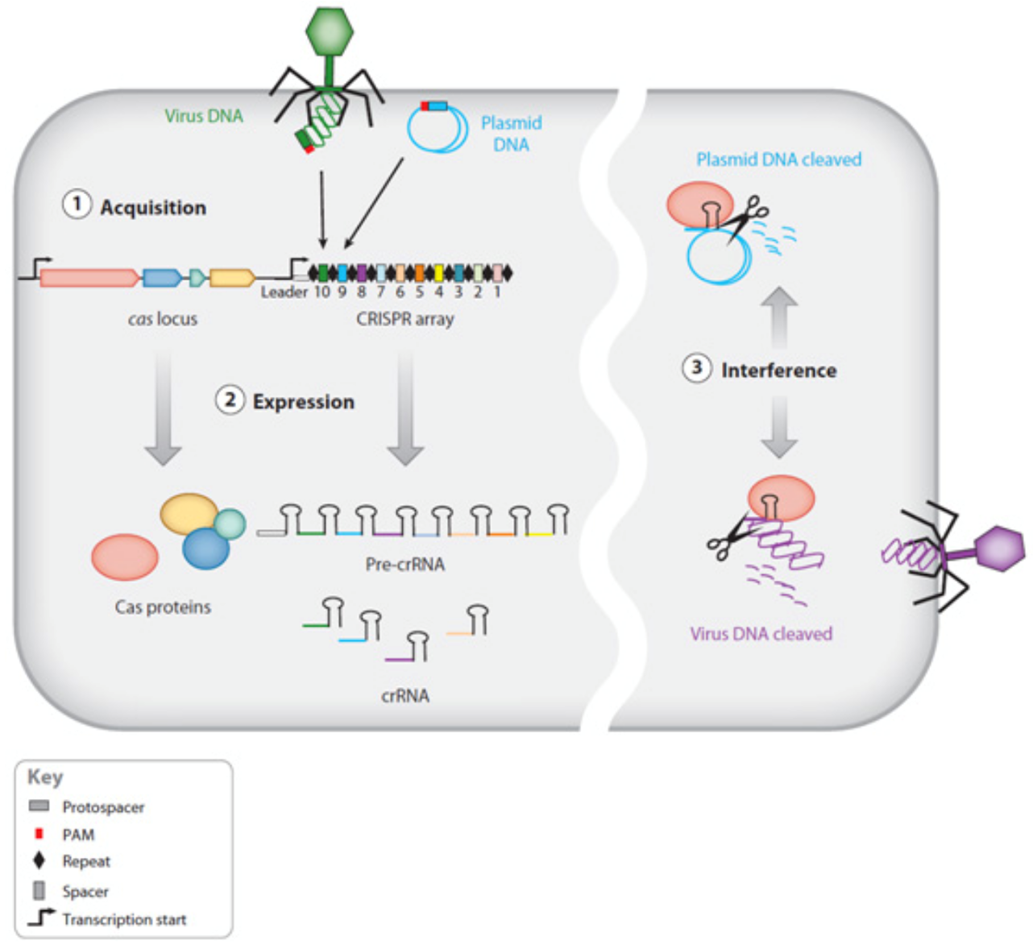
Host samples viral genomes and stores them in CRISPR arrays, which bind to and destroy invading phage DNA with the help of Cas9 protein.
Prions
Nature and Diseases
Proteinaceous infectious particles leading to diseases like Scrapie and BSE in cows, and Creutzfeldt-Jakob Disease in humans.
Conclusion
Understanding microbial and plant diversity, along with the functioning and evolution of viruses and other pathogens, is essential for both scientific research and public health.