Qatar History Lecture 7 (copy)
The geographical location of Qatar has had a significant impact on its local culture.
as we all know, culture (encompasses) the norms in human societies, their knowledge, beliefs and habits! and as it develops overtime, it may get altered by internal and external factors.
so, in Qatar’s case,
Due to its proximity to Persia, Africa, India, and the Arabian Peninsula, Qatar has been exposed to various cultural influences. This has influenced aspects of qatari culture such as clothing, food, local accent, art, and architecture.
Persian practices, including room distribution in houses and house roofs, have become widespread in Qatari culture.
Additionally, Qatari culture has adopted certain elements from India, such as embroidery and specific types of furniture. The local dialect has also incorporated many Hindi words, particularly related to trade and pearl diving.
Furthermore, African cultural effects can be seen in folkloric arts, which utilize certain African musical instruments. The rhythmic beats of African drums and the melodic sounds of instruments like the kora or the djembe add a distinct flavor to Qatari music and dance performances.
NEXT TOPIC: JUDICIAL SYSTEM
Before the discovery of oil, the judicial system in Qatar relied on Islamic Sharia and tribal customs.
The Shar'i judge handled Shar'i cases, while the shaykh of the tribe resolved tribal conflicts.
Courts in Qatar were primarily Shar'i courts, except for trade and pearling disputes.
sheikh tribes
Litigants would first seek resolution from a shaykh appointed by the ruler, and if unsuccessful, the case would be sent to the Shar'i judge.
In the traditional Qatari society, litigants (a person involved in a lawsuit) would first seek resolution from a shaykh appointed by the ruler. These tribal leaders played a crucial role in mediating conflicts and disputes within their respective tribes. However, if the resolution offered by the tribal shaykh was unsatisfactory or if the case involved matters of Shar'i law, it would then be escalated to the Shar'i judge for further adjudication.
Shar’i Law
Sharia courts specialized in marriage, divorce, inheritance, murder, and moral issues. Rulings were communicated orally and not recorded which posed challenges in terms of consistency and accountability.
—The rulings of the Shar'i judge were influenced by his personality and interests, often serving the ruling class.—
The Shar'i judge, an authoritative figure in the legal system, presided (were in charge of) over Shar'i cases. However, it is important to note that the rulings of the Shar'i judge were not always fair. as They were often influenced by personal biases and interests, favoring the ruling class. This meant that the outcomes of cases could sometimes be skewed in favor of those with power and influence.
BUT
—Major crimes involved the presence of the shaykh during trial and sentencing. —
In more serious criminal cases, the presence of the tribal shaykh during trial and sentencing was deemed crucial. Their involvement added a layer of tribal authority and ensured that justice was served in accordance with tribal customs and traditions.
Salifa court
Interestingly, pearling-related cases and commercial disputes (which involves mortgages, credit, markets… etc), on the other hand, had had their own unique set of courts known as "salifa courts." These courts were designed to address the complexities of trade-related conflicts and ensure fair outcomes for all parties involved.
Salifa courts were presided over by ship captains who acted as judges. However, the rulings of the salifa courts were sometimes biased and favored certain parties as the ship captains often had vested interests in the outcome of the cases. system had its limitations Consequently, the system had its limitations.
The salifa courts played a significant role in matters beyond just pearling disputes. They also had jurisdiction (official power to make legal decisions) over labor laws, tax monitoring, pearl quality control, and even the prosecution of merchants attempting fraud in the pearl market.
Economy
The economy of Qatar before the discovery of oil was primarily a subsistence economy. (which means that they supported themselves at a minimum level)
It barely produced enough to meet consumption demands and relied on what was available in the natural environment. The production was focused on survival and lacked accumulation factors like investments and savings, creating wealth, and long-term investments.
the qatari community at the time didnt really think beyond today as their immediate needs were met, and thats all that mattered so developing further and creating a bigger economy didn’t really seem like a priority to them.
moreover, Individuals operated within the framework of the community (didnt expand internationally), such as tribes and tribal alliances. Transactions were mostly barter-based, with limited exceptions (goods and services were exchanged without using currency). There were no strong incentives for the economy to change. (they were fine living simply)
What were the gulf economy’s main resources in the pre-oil age?
The main resources in the Gulf economy in the pre-oil age were:
Diving for natural pearls and selling them.
it a prominent occupation in the Gulf. Skilled divers would venture into the depths of the sea to collect pearls, which were then sold in local and international markets. This trade not only provided a source of income for the divers but also contributed significantly to the region's economy.
Herding and fishing.
Nomadic communities would rely on herding livestock such as camels, goats, and sheep, which provided them with milk, meat, and other essential products. Fishing was also a common practice among coastal communities (settled) , allowing them to sustain themselves by catching various species of fish from the abundant waters of the Gulf.
Agriculture, limited to locations with artesian wells and relative rainfall.
They had a scarcity of fertile land and water imposes severe limitations on agriculture, and a large proportion of the country’s food must be imported.
even though it was limited to certain conditions, it still played an important role in qatar’s economy as regions that had artesian wells and relatively higher rainfall were able to support agricultural practices. Farmers cultivated crops such as dates, grains, and fruits, which not only served as a local food source but also contributed to trade within the region.
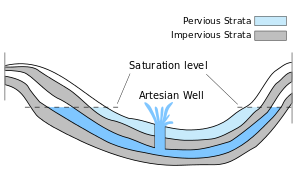
 (side question, what is an artesian well? it is a well that brings groundwater to the surface without pumping because it is under pressure within a body of rock and/or sediment known as an aquifer.)
They also treated sewage waste and desalinated water (filtered out salt out of the ocean water) for irrigation, which helped expand the production of fruits such as dates and melons and vegetables such as tomatoes, squash, and eggplant. (which qatar now exported to other persian gulf countries.)
Revenues from customs fees on goods traded in Gulf ports.
The Gulf region served as a significant hub for trade between Asia, Africa, and Europe, various goods were imported and exported through its ports. The collection of customs fees on these traded goods provided a steady stream of revenue for the local governments, contributing to the overall economic stability of the region.
The impact of pearl trade on qatari society before oil.
The pearling economy in the Gulf region
created work opportunities for coastal inhabitants
attracted social powers from the interior to the coast which led to Urban development
the coastal population increased and became the main pillar of Gulf society
Pearls played a crucial role in the regional economy as it propelled Gulf society into world trade and laid the foundation for modern cities in the Gulf region, which then became the most important cities after oil discovery.
created work opportunities for coastal inhabitants and attracted social powers (such as the bedouins) from the interior to the coast, leading to urban development. This resulted in a relative increase in the coastal population, which became the main pillar of Gulf society when the modern state was established. Pearls played a crucial role in the regional economy, propelling the Gulf society into world trade, particularly during periods of prosperity from the late 19th century until the end of World War I. The pearl trade and industry also laid the foundation for modern cities, which were originally beachside villages, to become the most important cities after the discovery of oil.
Pearls, being one of the most valuable commodities of the time, played a crucial role in driving the regional economy. The Gulf region became a major player in the global pearl trade, attracting merchants and traders from various parts of the world. This influx of merchants not only brought wealth and prosperity to the region but also fostered cultural exchange and cosmopolitanism. (Cosmopolitanism is the idea that all human beings are members of a single community) (universal community)
The pearl trade and industry served as the backbone of the Gulf region's economy, providing employment opportunities for a large number of people. The coastal communities, previously reliant on fishing and agriculture, now found new avenues of economic growth through pearl diving and trading. This economic transformation propelled the Gulf society into the world trade network, connecting it with other major trading centers across the globe.
Moreover, the pearl trade also had a profound impact on the physical landscape of the Gulf region. The establishment of pearl diving centers and trading ports led to the development of infrastructure such as harbors, warehouses, and markets. These advancements not only facilitated the smooth operation of the pearl trade but also laid the foundation for the future urbanization of the region.
The growth of the pearling industry also attracted skilled craftsmen and artisans who specialized in creating intricate and exquisite pearl jewelry. This craftsmanship further enhanced the reputation of the Gulf region as a center of luxury and opulence. The pearls became a symbol of wealth and status, adorning the necks and wrists of the elite in societies around the world.
Slavery:
The slave trade was monitored by British authorities in the Gulf as they tried to exterminate it by including it in the agreements made between them and the sheikhs of qatari tribes, but it continued until the early 1950s.
Slaves were mostly smuggled to Mecca, and especially during the Hajj season.
They worked in professions such as pearl diving, fishing, shipbuilding, domestic work, and as private guards. they were also used as soldiers in local battles.
in qatari society, Owning slaves was seen as a sign of social prestige. (it shows that they have the money and authority.)
The British worked to stop the slave trade as it benefited their aspirations, and some slaves sought refuge with the British political agent and communicated their dissatisfaction with their situation, which then the British would convey it to the sheikhs.
On the other hand, the ruler of Qatar wanted to keep the right to release slaves and proposed that the British pay a certain amount for each slave.
With the rise of oil companies, the slavery problem resolved itself as the companies employed them and provided documents proving their freedom. as these companies, seeking a reliable workforce, employed former slaves and provided them with official documentation proving their newfound freedom. This transformative shift not only liberated countless individuals from the chains of slavery but also helped eradicate the practice altogether.
Sea Travel: also known as marine transport
A small number of divers and sailors were involved in sea travel outside the diving season. This type of work wouldn’t replace pearl diving, though. in addition, The ships involved had to be strong, durable and large enough to carry heavy cargo.
The ships left Doha heading in two directions:
The first was the Basra route that passed Bahrain, al-Ahsa and Kuwait, where they would be stocked with dates, wood, flour, grains, clarified butter, textiles, rice, tea, sugar and other goods that these regions imported from India.
The other route went to India passing by the ports on the Persian coast like Bandar Abbas and Qeshm, as well as Dubai, Sharjah, Ras al-Khayma and Oman on the Arab side. In these ports they would trade and sell dates from Basra, and stock up on grains, dried fruit, goats, lemons, Omani sweets and other goods, and from the Indian ports they would carry back spices, rope, perfume, sails, etc.
Some ships also traveled to the East African coast through the Arabian peninsula, with Aden being a major trade center. These ships had to return before summer for the sailors to resume pearl diving.
pearl diving:
The pearling industry in Qatar was the most important economic activity before the discovery of oil.
The success or decline of the pearling industry had a significant impact on all aspects of life and the overall economy of Qatar.
it was extremely influential on the economic prosperity of Qatar. that is because, when it flourished, other economic activities like fishing and herding, also flourished. and if it declined, then so did the rest of the activities.
pearl diving involved about 13,000 laborers in 1904, with approximately 30 men on each pearling ship. Each ship operated as an independent unit in terms of production, with each person on board having a specific role.
Dangers of Pearl Diving
We have two types, indirect danger and immediate danger.
indirect danger:
Divers suffered illnesses especially in their eyes and lungs, such as cataracts, cornea infections and lung diseases. They also got skin diseases because they did not bathe in pure water, so the salt water would interact with the heat of the sun and produce skin sores
explanation:
The exposure to salt water and sunlight can lead to skin sores in divers. Additionally, divers may experience illnesses such as cataracts, cornea infections, and lung diseases due to their underwater activities.
When divers spend extended periods in salt water, their skin becomes vulnerable to developing sores. This occurs due to the high salt content in the water, which can strip away the natural oils and moisture from the skin. As a result, the skin becomes dry, irritated, and prone to developing painful sores. These sores can range from small, itchy patches to more severe, open wounds that take longer to heal. The constant exposure to salt water exacerbates the condition, making it difficult for divers to fully recover.
Moreover, the combination of salt water and sunlight can further intensify the risks divers face. Sunlight contains harmful ultraviolet (UV) radiation that can penetrate the skin and cause long-term damage. Divers, who spend prolonged periods in the water, are at a higher risk of developing sunburns, premature aging, and even skin cancer. The salt water acts as a reflector, intensifying the UV radiation and increasing the chances of these skin-related issues.
In addition to skin problems, divers may also encounter various illnesses as a result of their underwater activities. One such ailment is cataracts, which are characterized by the clouding of the lens in the eye. The constant exposure to salt water and the strain on the eyes from diving can contribute to the development of cataracts. This condition can significantly impact a diver's vision and may require surgical intervention to correct.
Furthermore, cornea infections are another potential health risk for divers. The cornea, the transparent front part of the eye, can become susceptible to infections due to exposure to bacteria and other microorganisms present in the water. These infections can cause redness, pain, and blurred vision, making it challenging for divers to continue their underwater activities.
Lastly, lung diseases are a significant concern for divers. Prolonged exposure to the underwater environment can lead to the inhalation of harmful substances, such as bacteria, viruses, and chemicals. This can result in various lung diseases, including pneumonia, bronchitis, and even respiratory failure. The pressure changes experienced during diving can also lead to barotrauma, a condition where the lungs are damaged due to the unequal pressure inside and outside.
immediate dangers:
shark attacks
sting rays
when divers come into close proximity with stingrays, they may unintentionally disturbs or startles the stingray, causing it to react defensively by latching onto the diver's back using its powerful suction cup-like mouth. Once a stingray attaches itself to a diver's back, it can create a challenging situation, particularly when it comes to tugging the rope. During diving expeditions, a rope is often used as a lifeline to ensure the safety of divers. This rope serves as a guide, allowing divers to navigate underwater and maintain a connection to their boat or the surface.
However, with a stingray firmly attached to their back, divers may find it incredibly difficult, if not impossible, to tug the rope. The stingray's suction-like grip creates a strong bond, making it challenging for the diver to exert enough force to move the rope.
Despite their difficult and dangerous work, the pearl divers, deck hands, and sailors mainly came from the poorest parts of society. They had to do what the ship captains told them because they owed them money and had to pay it off by working on the ships. Each year, they took out more loans for the next season, and the ship captains kept track of these loans. This created a never-ending cycle of debt that lasted their whole lives, making them dependent on the ship captains and their rules.
The reasons for the decline of the pearl trade and the danger of total collapse of the Gulf economy during the 1930s and 1940s
The reasons for the decline of the pearl trade and the danger of total collapse of the Gulf economy during the 1930s and 1940s can be attributed to several factors:
The appearance of the cultured pearl for the first time in the Gulf in July 1924.
The appearance of the cultured pearl in the Gulf region in July 1924 marked a significant turning point. Prior to this, natural pearls were highly sought after and formed the backbone of the Gulf's economy. However, the emergence of cultured pearls, a result of the efforts of the Japanese company Kokichi Mikimoto, revolutionized the industry.
Kokichi Mikimoto's pioneering work in developing the cultured pearl dates back to the late 19th century, but it was in the 1920s that production began to increase exponentially. Cultured pearls offered a more affordable alternative to natural pearls, making them highly desirable in the global market. This increasing global demand for cultured pearls, driven by their lower price and comparable quality to natural pearls, played a pivotal role in the decline of the Gulf's pearl trade.
The disruption of global trade routes caused by the First World War.
With the outbreak of the war, trade routes were severely disrupted, making it difficult for Gulf merchants to export their pearls to international markets. The war created a climate of uncertainty and instability that further hindered the growth and sustainability of the pearl industry.
The impact of the Great Depression (1929-1933) and the collapse of global financial markets.
The collapse of global financial markets and the subsequent economic downturn had a ripple effect on various industries, including the pearl trade. As people around the world struggled financially, luxury items like pearls became less of a priority, leading to a decline in demand.
Collectively, these factors posed a significant threat to the Gulf economy during the 1930s and 1940s. The decline of the pearl trade, once the lifeblood of the region, had far-reaching consequences. The loss of income and employment opportunities within the industry had a detrimental effect on the local population, leading to increased poverty and economic instability. The Gulf countries were forced to adapt and find new avenues for economic growth in order to mitigate the potential collapse of their economies.
The collapse of the pearl trade in the Gulf had several important results:
A decisive blow to the diving profession and the pearl industry which caused the suffering of a large segment of society that relied on the diving profession for their livelihood.
The demise of the pearl trade dealt a decisive blow to the diving profession and the pearl industry. For centuries, pearl diving had been a prominent occupation in the Gulf, with skilled divers venturing into the depths of the sea to retrieve these precious gems. The collapse of the trade left many divers unemployed and struggling to find alternative sources of income. The suffering extended beyond the divers themselves. A large segment of society relied on the diving profession for their livelihood, including pearl merchants, craftsmen, and boat builders. With the collapse of the pearl trade, these individuals faced economic hardships and uncertainty about their future.
The Bedouin tribes who depended on their coastal connections were also affected.
The Bedouin tribes, who depended on their coastal connections for trade and sustenance, were also profoundly affected by the collapse. Their traditional way of life, which revolved around the pearl trade, was disrupted, leading to a loss of cultural identity and economic stability.
Increased importance of finding an alternative to the pearl trade as the basis for economic life.
theres this thing about arabs where theyre kind of ‘stuck’ in their old ways in a way, so The collapse of the pearl trade highlighted the urgent need to find an alternative basis for economic life in the Gulf. It prompted/forced and motivated governments and entrepreneurs to explore new avenues for economic growth and development. This search for alternatives paved the way for diversification and the exploration of other industries that could sustain the region's economy.
Oil became the economic savior and agent of change, lifting Gulf societies to the level of modern countries and improving their standard of living.
the last, and most most significant outcome of the collapse was the emergence of oil as the economic savior and agent of change in the Gulf. The discovery and subsequent exploitation of vast oil reserves transformed the fortunes of the Gulf societies. Oil revenues provided the necessary capital for infrastructure development, education, healthcare, and modernization. It propelled the Gulf countries from traditional societies to the ranks of modern nations, significantly improving their standard of living.