5.5 Speciation; Patterns in Evolution
Patterns in Evolution
4 patterns can lead to formation of new species:
Divergent Evolution
Adaptive Radiation
Convergent Evolution
Coevolution
Divergent Evolution
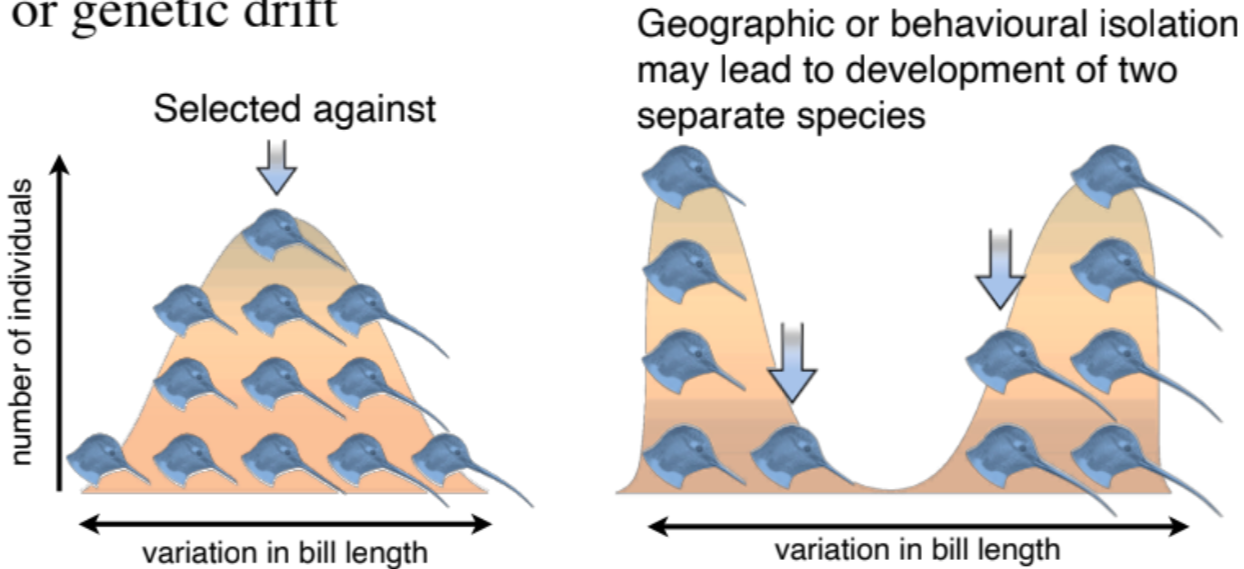
two or more species evolve from a common ancestral species due to disruptive selection or genetic drift
Adaptive Evolution
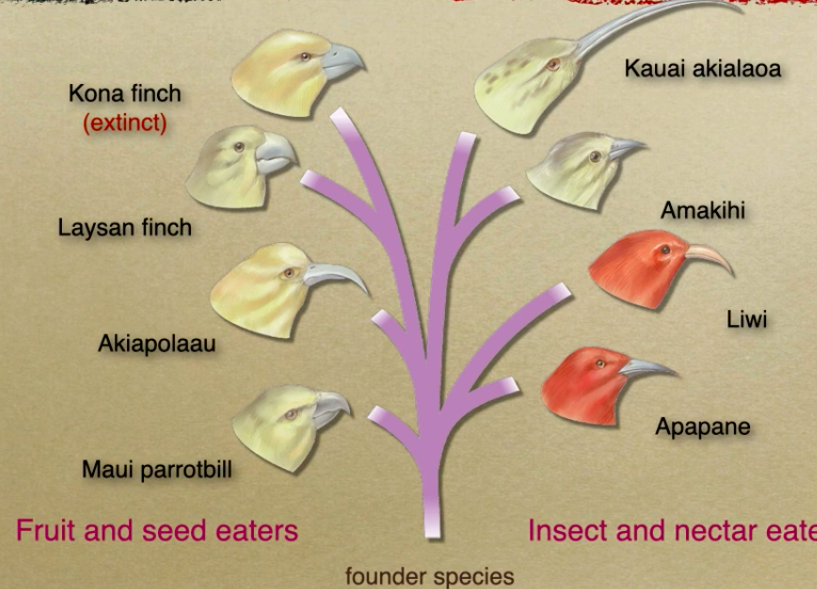
divergent evolution occurs rapidly because many new habitats open up to a colonizing species
Convergent Evolution
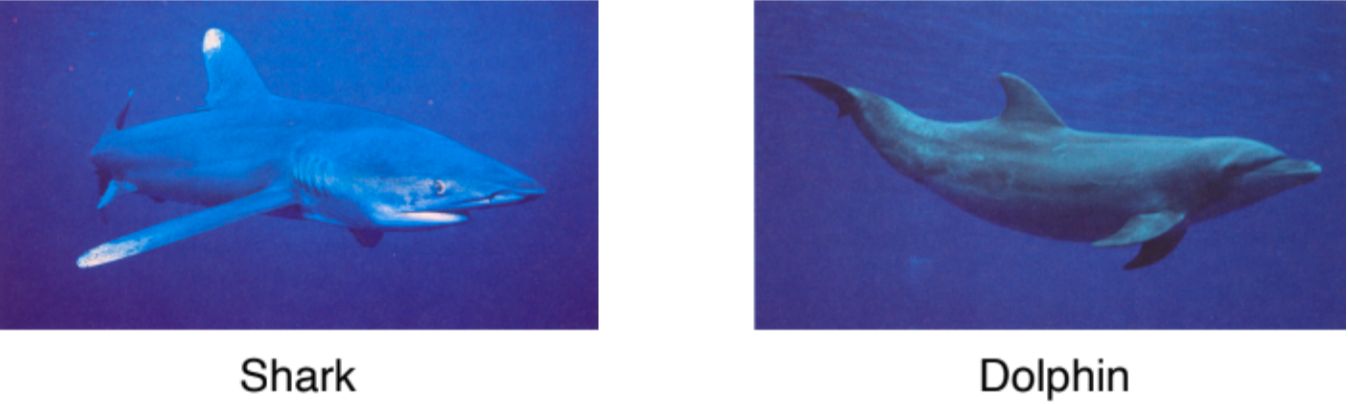
two species that do not share a recent common ancestor develop very similar structural or behavioural features because they experience similar selective forces
Sharks and dolphins are very similar in morphology, not because they have a recent common ancestor, but because they share a common environmental niche
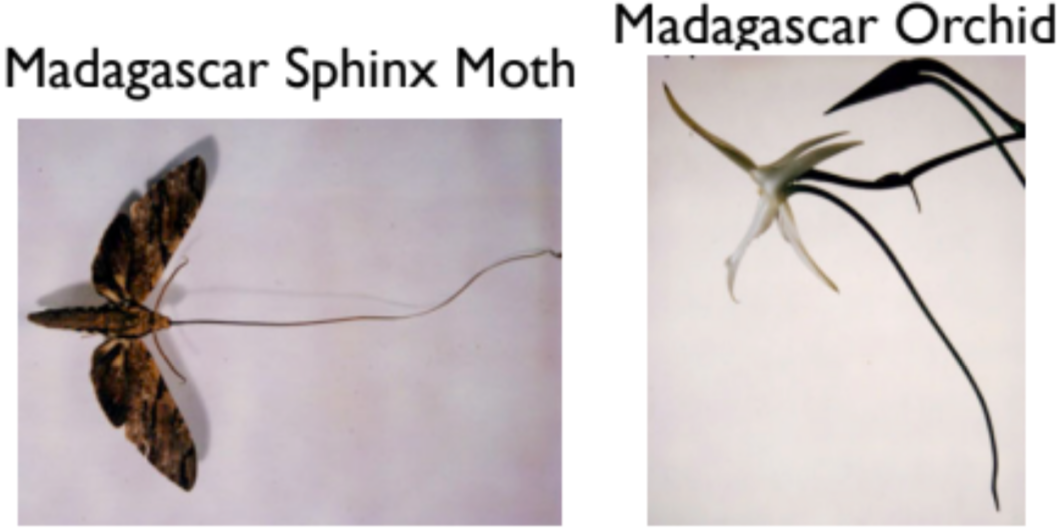
Coevolution
one species evolves in response to evolution of another species
Some flowering plants have coevolved with their pollinators, so that only one species of insect is able to pollinate a given plant species
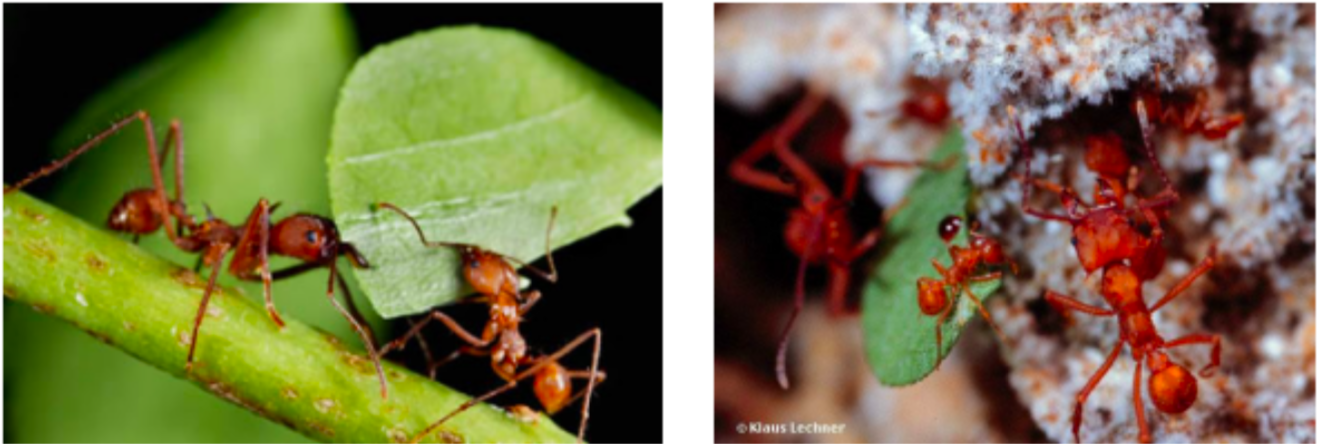
Leaf cutter ants have coevolved with a specific species of fungus
Ants don’t eat leaves they cut
Ants use leaves to grow fungus that they eat