2.2 cell organelles I
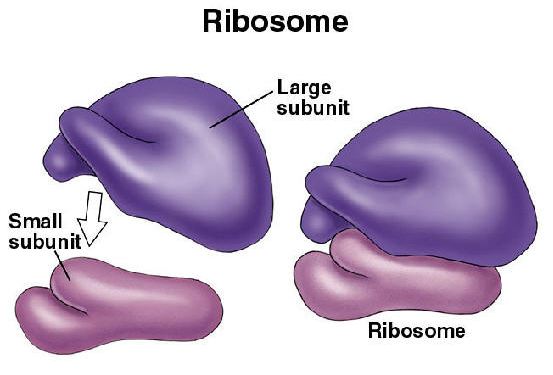
RIBOSOMES
small structures composed of rRNA and proteins. found on both the rough ER or free floating and is involved in protein synthesis
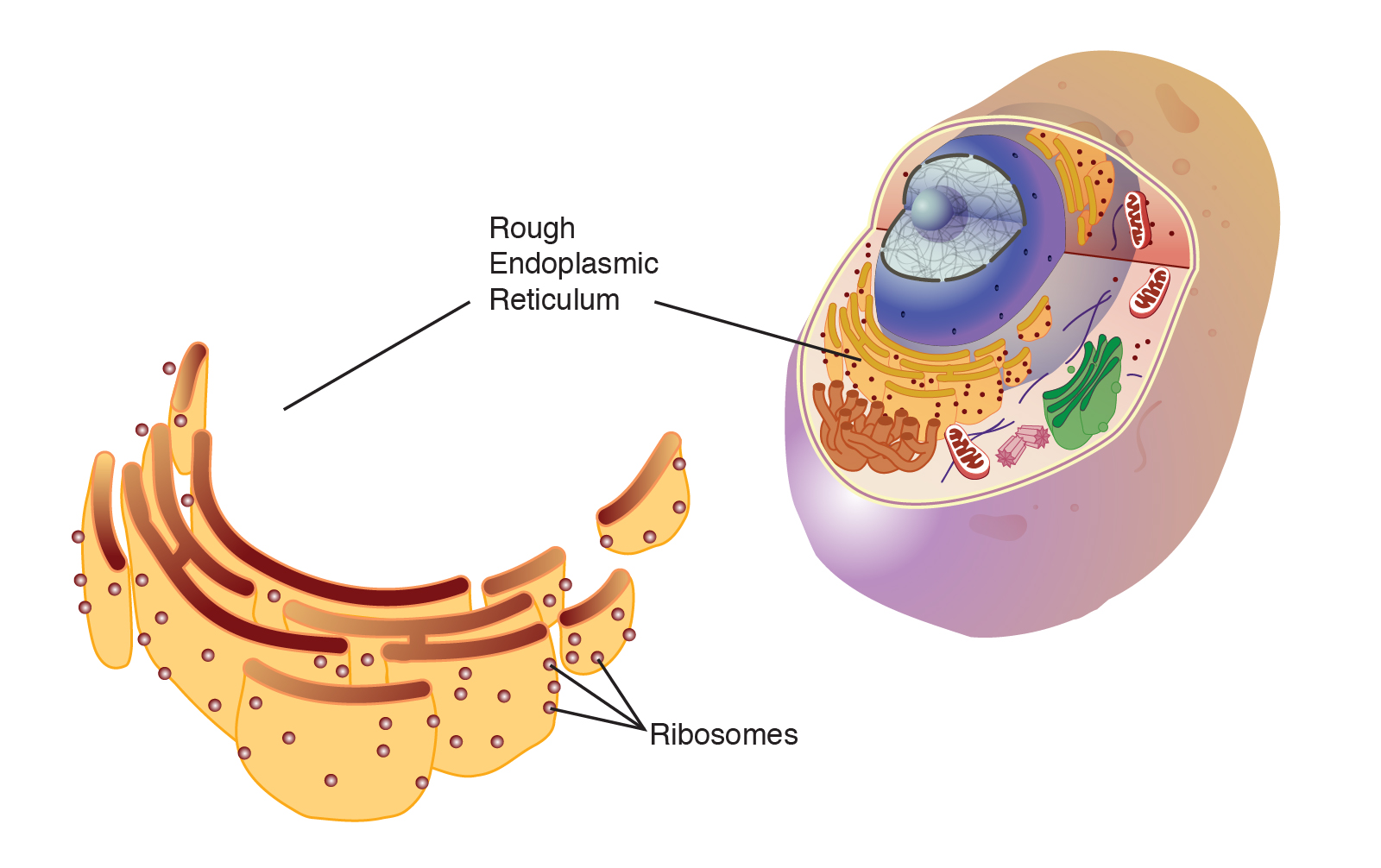
ROUGH ENDOPLASMIC RETICULUM
network of tubular canals connected to the nuclear envelope. its surface is studded in ribosomes and together they produce/modify proteins that will be exported from the cell
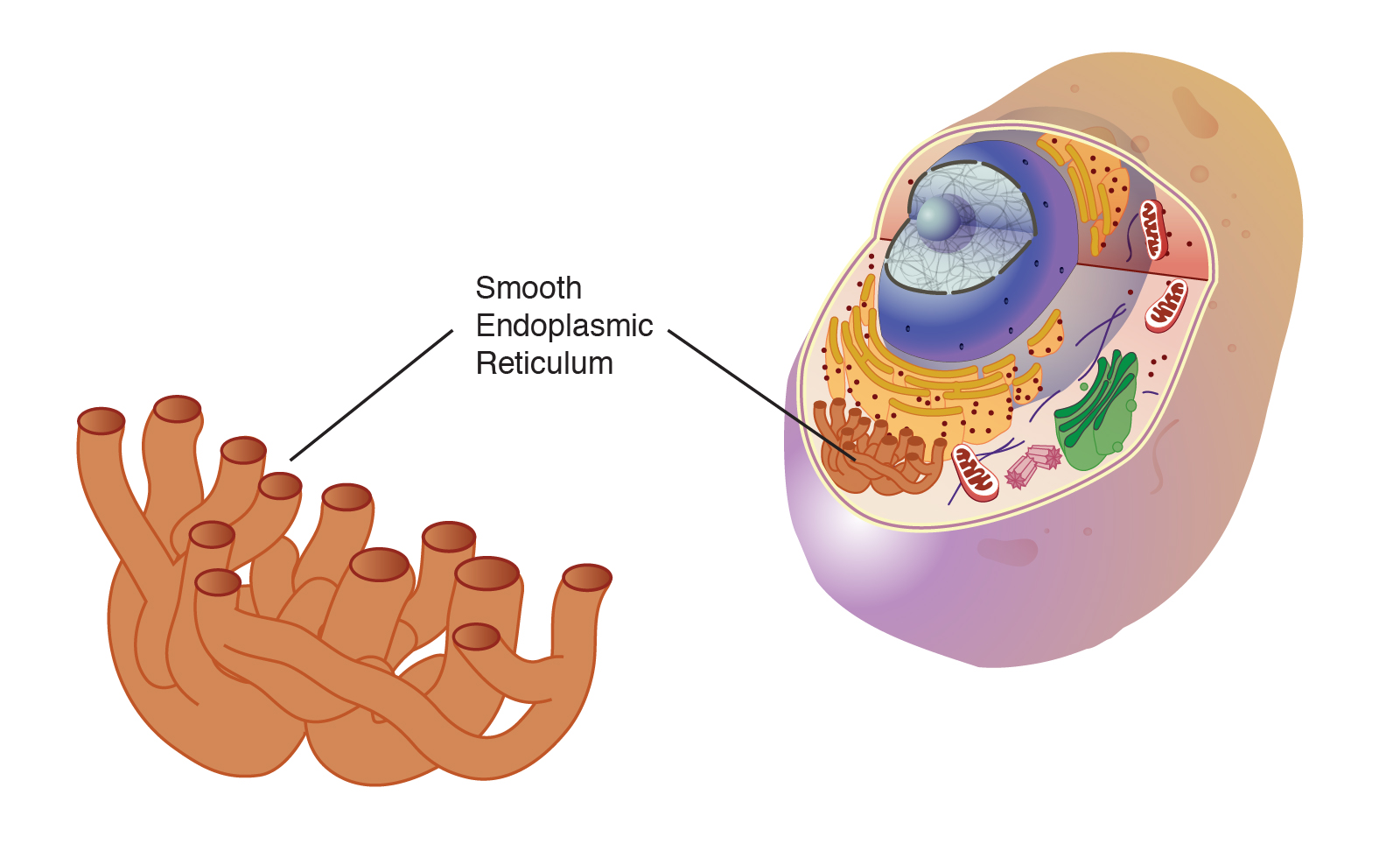
SMOOTH ENDOPLASMIC RETICULUM
network of tubular canals. does not contain ribosomes. it is associated with lipid/steroid production instead and is found in abundance in hormone glands
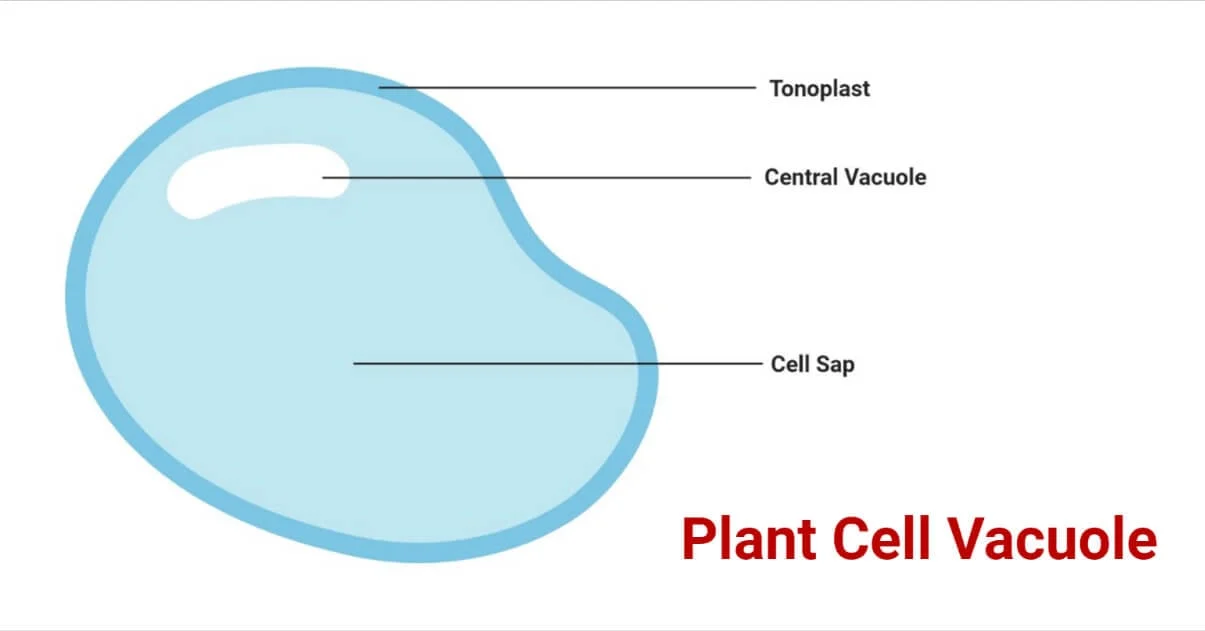
VACUOLE
large membrane-bound sacklike organelle that acts as storage of water, salts, proteins, carbs and wastes in cell. vacuoles are specialized in other types of eukaryotic cells (plants have 1 large vacuole that can occupy 90% of a cells volume, giving it rigidity known as turgor pressure)
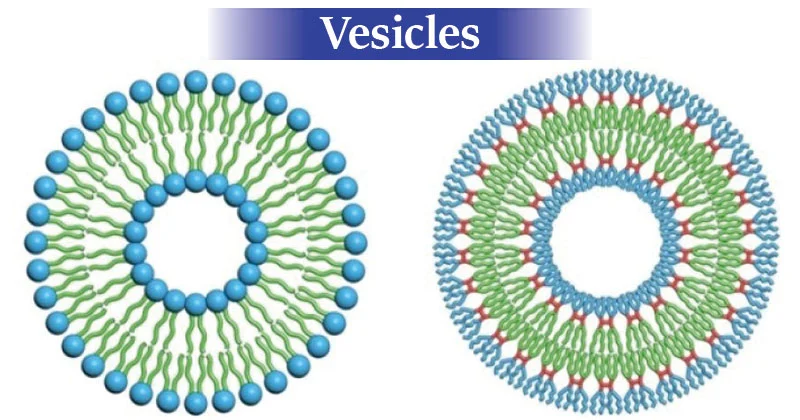
VESICLES
look and behave like tiny vacuoles, they’re often used to transport compounds around the cell (especially those that require cytoplasm separation)
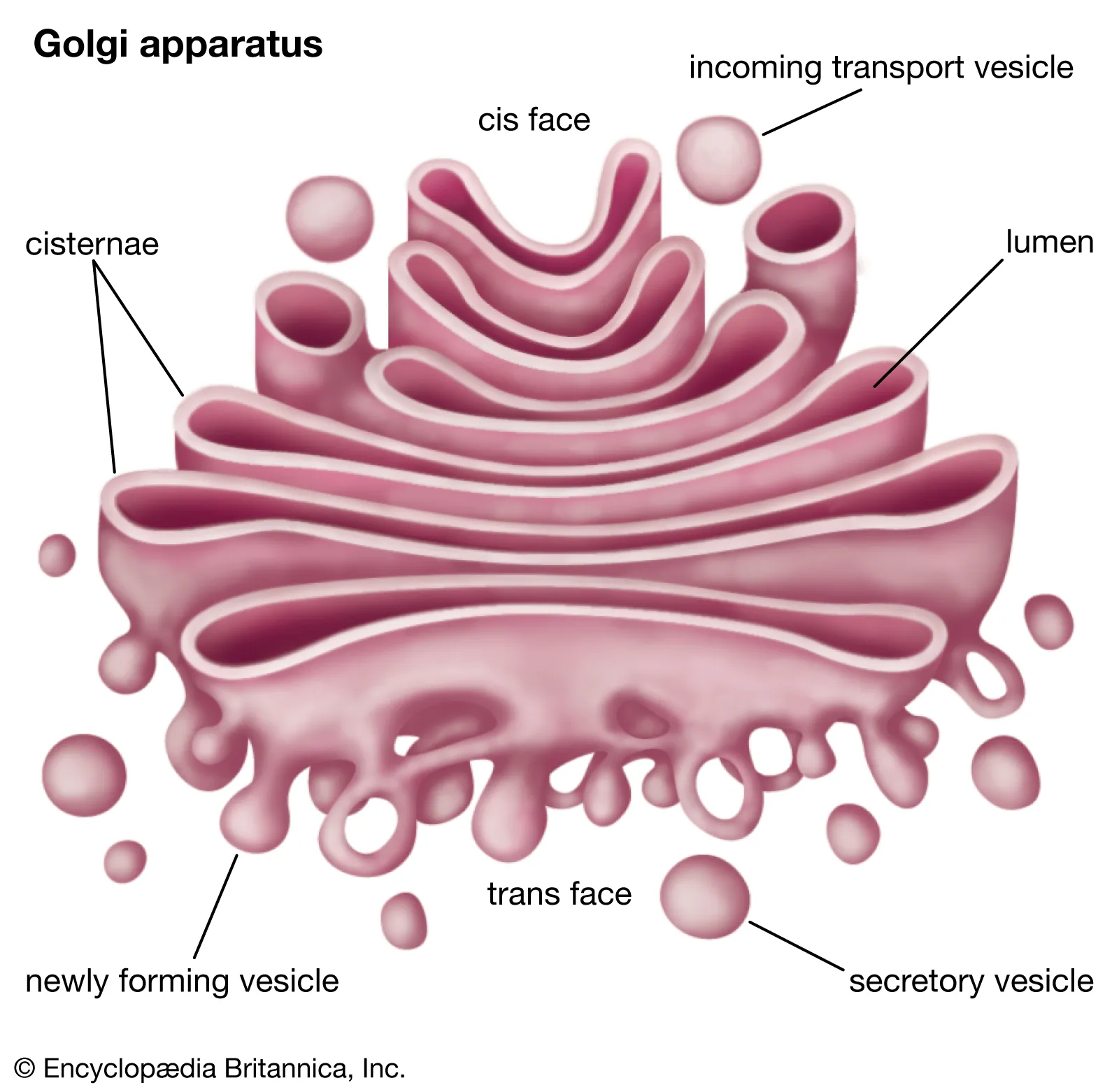
GOLGI APPARATUS
temporarily stores and modifies materials before packaging them into secretory vesicles (they’ll export the materials out the the cell surface)
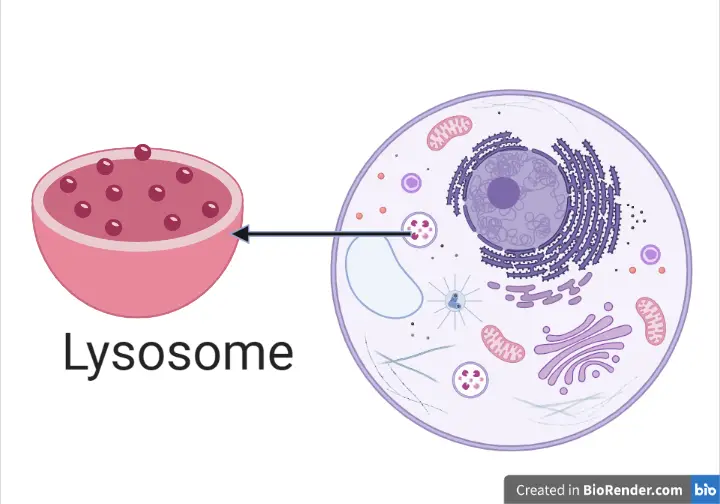
LYSOSOMES
membrane-covered vesicles containing hydrolytic enzymes (produced by the golgi apparatus) it’s role is to digest food particles, destroy and/or recycle malfunctioning organelles or even destroy the cell itself if necessary
PEROXISOMES
small membrane-enclosed organelles similar in appearance to lysosomes. contains hydrogen peroxide and helps with fatty acid digestion/metabolism
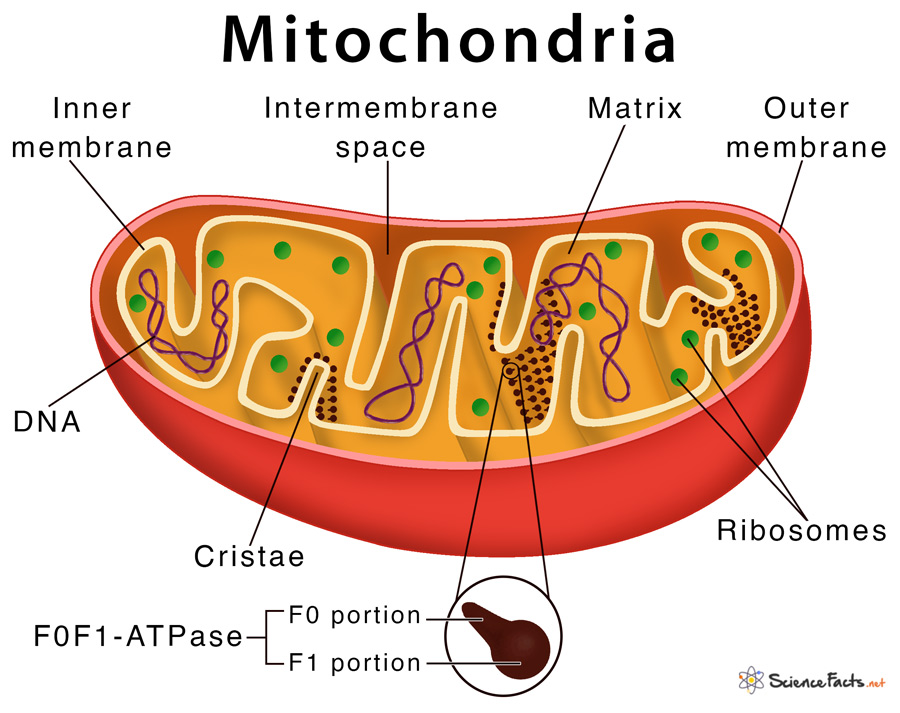
MITOCHONDRIA
contains membrane-bound cell organelles that generate most of chemical energy needed to power the cells biochemical reactions. it consists of two layers: inner and outer membrane
the inner fluid filled space: called the matrix. the matrix contains ribosomes/enzymes that help break down glucose even further releasing energy and creating ATP
inner membrane: has deep folds called cristae. cristae increases surface area within the mitochondria accommodating more space for ATP production
(the mitochondria has its own DNA passed down from the mother’s egg only)