FW 404: Managing Urban Landscapes, 11/11-11/13
Managing Urban Landscapes
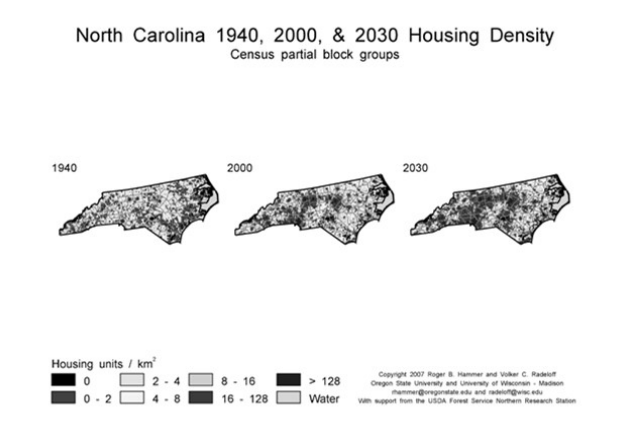
Urban development of NC 1940-2030
Piemont crescent
Generalists and Specialists
Changes with urbanization
generalists favored, specialists lose habitat
loss of vegetation structure, simpler in structure
increase in impervious structure (human created, water not able to perculate)
Great-crested flycatcher less likely to nest in suburbs because they are cavity nesters
Indigo buntings associated with early successional communities, not urban
Habitat for Specialists
Wetlands and riparian communitise
Large (>100 acres) patches of habitat
Connected landscapes
Dead wood
Early-succession vegetation
Managed forests/woodlands
Meadows/prairies provide habitat for specialized wildlife
Urban Streams

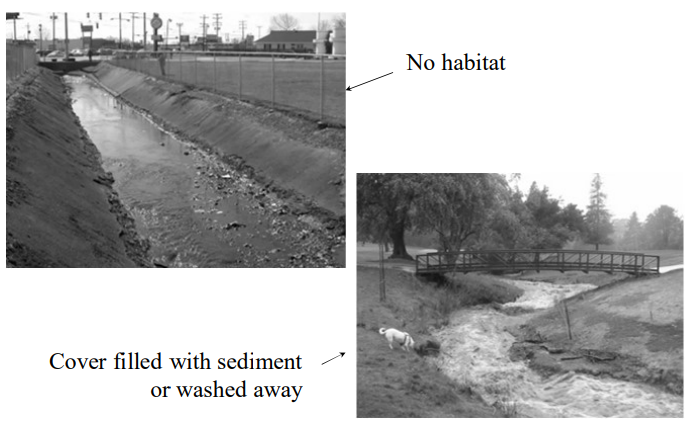
No habitat in urban streams like the above image
Very little opportunities for animals
Second image, stream loses riparian buffer
Stream Buffers
Sediment and nutrients filtered from uplands
Vegetation shades water
Vegetation provides food and cover
Roots will hold the streambank together!
Small Wetlands
Altered hydrology
permanent water bodies in urban landscapes
Increase in fish predators
Isolated from other wetlands
no immigration
lower richness
polluted by upland inputs or acid deposition
loss of surrounding uplands—use buffers
Choosing Green Space
Not mowed ball fields!
Remember larger is better
More connected is better
Areas with rare species
Unique elements
Ephemeral pools and wetlands
Habitat Fragmentation

create wildlife corridors to connect fragmented habitat
how to do in urban landscapes?
urban planning, forethought
plan NOW for the next generation
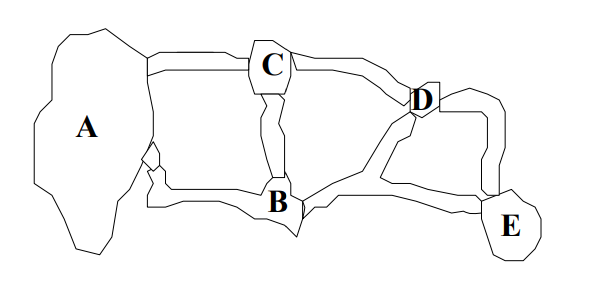
greenways often put along stream since you can’t build anything else around it
plus sewage easements
Greenways
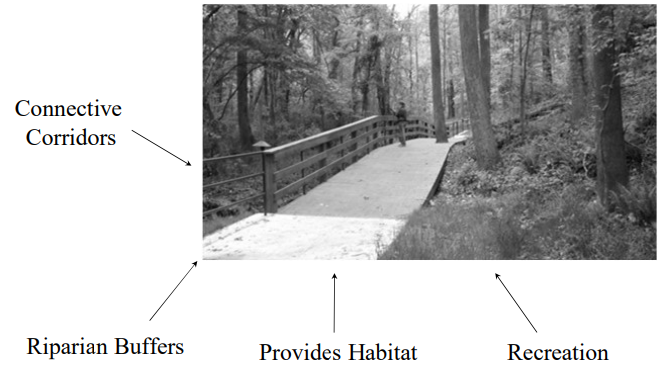
connective corridors
riparian buffers
provides habitat
recreation
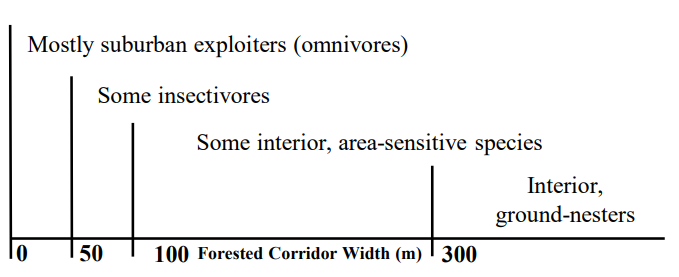
Wide, mowed areas deter birds
Develop-sensitive birds enjoy lots of herbaceous growth and canopy cover
Humans in open areas, fragmented greenspace
Wider forest corridor equals more development-sensitive birds
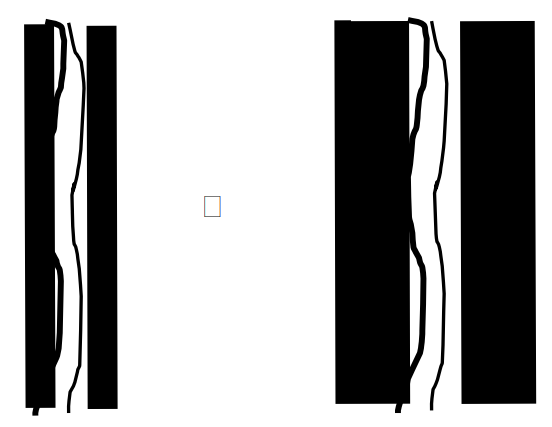
But even wide corridors don’t protect salamander habitat

Watershed-scale changes override local buffer effects
Roads as Barriers
17000 Deer vehicle collisions/year in NC
>1 million vertebrates killed a day in U.S.
Crossing Structures
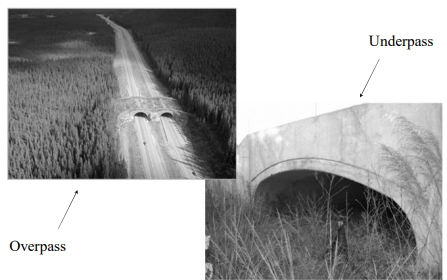
Urban Structure Kill
Windows
non reflective material
Away from vegetation
Communication towers
construct <200 ft tall
flashing white lights
few guy wires
Competing Approaches in Design
low density development
dispersed habitat
sprawl
habitat fragmentation
high density city centered development
limited habitat
concentrated development
less pressure for exurban development
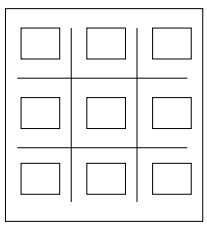
Conservation Developments
conventional low density
cluster development
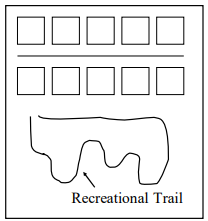
Early-Succession Vegetation
Limited in the urban matrix
Backyard hedgerows low quality
Late-seral species use these areas, too
Management on public lands at interface
timber harvest and prescribed fire
signs and demonstrations

Wildland Urban Interface 2000 (WUI)
Home Landscapes Principles
no trees
lawns :(
Promote Vertical Structure
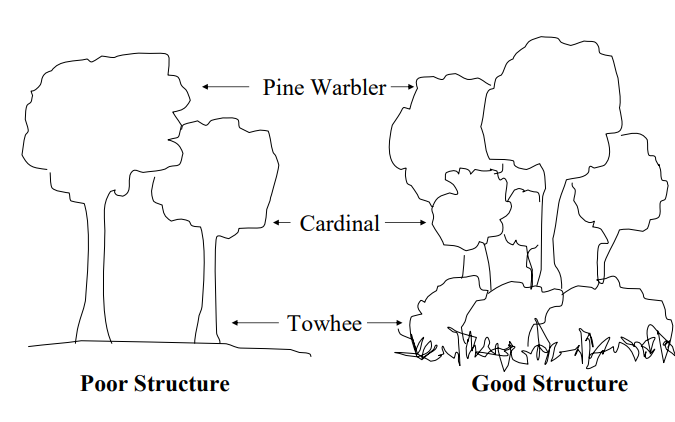
Increase Structural Complexity
looks messy in yards but good
Avoid Specimen Plantings
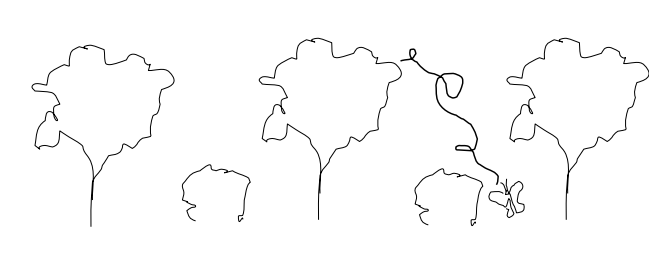
any animal that wants resources has to move a lot
not much wildlife
no continuity in structure
Make it Messy
Rubus sp., pokeweed, poison-ivy
great wildlife value
Rethink the Lawn
1/3 of water use
Nutrient source roosted in fossil fuels
non native grasses
50 million acres in US, half as home lawns
low plant diversity by design
poor vegetation structure by design
Avoid Invasive Plants
spread into natural areas
Implications for Wildlife
lowered native plant diversity
fewer food choices
altered plant structure
lower bird nest survival
fewer native wildlife
Promote Native Plant Diversity
Food Across Seasons-Fruit
mulberry in spring
viburnum in fall
holly in winter
Food Across Seasons-Nectar
redbud in spring
maypop in summer
goldenrod in fall
Diversity of Flower Types
hairstreak
spotted skipper
tiger swallowtail
Dead Wood is Good
leave dead wood for habitat for birds
nest sites for great crested flycatcher
red-headed woodpecker
eastern bluebird secondary cavity nesters
gray squirrel
southern flying squirrel
Nest Boxes = Artificial Snags
songbirds
Create Brush Piles/Down Logs
cottontail rabbits
rats
white throated sparrow
5 lined skink, eastern fence lizard
american toad, slimy salamander
“Nuisance Animals”
coyote, gray fox, geese, raccoon…
true nuisance = canada geese abundant near airport
gray foxes are NOT a nuisance
Keep Cats Indoors
cats kill wildlife
number of free ranging cats has reduced as coyotes increase
Issues of Environmental Justice
Distribution of tree/plant cover
richness greatest in luxury neighborhoods
tree canopy greater in white neighborhoods
high density has smaller lots/less vegetation
low SES (socioeconomic status) near lower quality greenspace
individual and ethnic variation in preferences
Some parks/greenways spur gentrification
raises property prices, push out OG homeowners
Summary Recommendations
Conserve habitat for specialists
Maintain connectivity
Retain large patches of green space
buffer streams(>75 feet/side for birds)
encourage creative neighborhood design
encourage native plant landscapes
educate the public about wildlife
TOPHAT
Which is true about wildlife habitat in urban landscapes?
A
there is low abundance of snags and downed logs
B
late-succession vegetation is more limiting than early-succession vegetation
C
invasive plants generally are less abundant than in rural areas
D
all answers are correct
E
no answers are correct