Life Processes
Life Processes
Defining Life
Distinction between Living and Non-living:
Observable behaviors such as a dog running or a human shouting are clear indicators of life.
Even stationary or asleep beings (like a slumbering human or a resting plant) exhibit inherent signs of life, particularly through processes such as breathing and metabolic activity.
Visual cues like plant color, growth, and flowering can suggest life but are not definitive since some characteristics may not be visible to the naked eye.
Microscopic molecular movements are crucial to life yet are often invisible, making it challenging to assess life status in minute forms.
There is ongoing debate regarding viruses, which exhibit no movement until they infect host cells, raising questions about whether they should be classified as living entities.
Importance of Molecular Movement:
Life requires meticulous molecular organization which must be maintained actively through continuous movement and energy input, reflecting a systematic exchange of biochemical signals.
Overview of Life Processes
5.1 What Are Life Processes?
Essential maintenance processes in living organisms operate continuously, even during periods of perceived inactivity. These functions are critical for survival and include:
Nutrition: The process of obtaining energy from food intake to fuel body functions and growth.
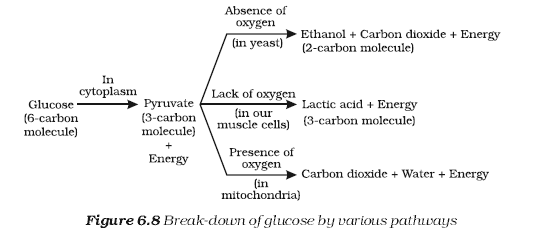
Respiration: The breakdown of food molecules, particularly glucose, for energy production, utilizing oxygen or occurring in its absence.
Transportation: The efficient distribution of nutrients, gases, and oxygen throughout the body to support cellular functions.
Excretion: The necessary removal of waste products to prevent buildup of harmful materials within the body.
Nutrition
5.2 Nutrition
Energy and raw materials from nutrition are crucial for growth, repair, and general bodily functions. The nutritional strategies organisms adopt can be broadly categorized:
Autotrophs: These organisms, like green plants and certain bacteria, produce their own energy from simple inorganic substances (e.g., carbon dioxide and water) via the process of photosynthesis. These organisms transform sunlight into chemical energy, serving a critical role as the base of food chains.
Heterotrophs: These organisms, including most animals and fungi, depend on consuming complex organic substances for energy. Heterotrophs fulfill their energy needs through various methods, based on their environmental adaptations.
5.2.1 Autotrophic Nutrition
The photosynthesis process converts sunlight, carbon dioxide, and water into carbohydrates, providing an essential energy reserve like starch within plants for later use in growth or energy demands.
5.2.2 Heterotrophic Nutrition
Variability in nutrient acquisition occurs based on environmental adaptations:
External Digestion: Certain fungi secrete enzymes to break down organic matter externally before absorption, showcasing a unique adaptation in nutrient acquisition.
Internal Digestion: Other organisms, primarily animals, ingest food and digest it internally, where enzymatic and mechanical breakdown processes occur for effective nutrient absorption.
Parasitic Nutrition: Some organisms like cuscuta (a type of plant parasite) and leeches derive nutrients directly from host organisms, showcasing a distinct survival strategy in diverse ecological niches.
5.2.4 Nutrition in Human Beings
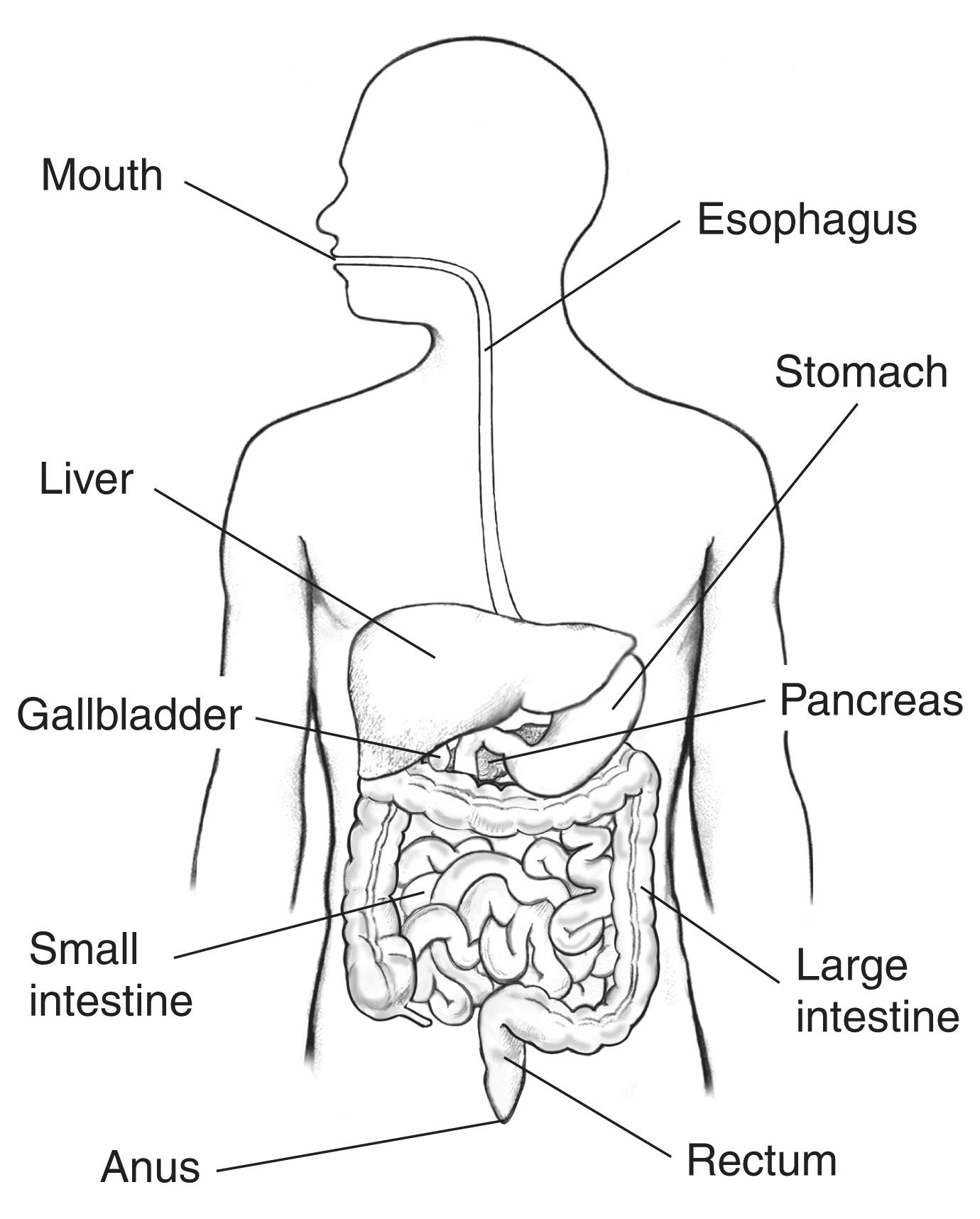
The human alimentary canal is specially designed to facilitate effective digestion and absorption through structure and function, enhancing mechanical (chewing) and enzymatic breakdown of food to maximize nutrient uptake.
Respiration
5.3 Respiration
Aerobic Respiration: This process requires the presence of oxygen for the complete breakdown of glucose, culminating in a substantial release of energy for cellular functions.

Anaerobic Respiration: This form of respiration occurs in the absence of oxygen; it is essential under specific conditions, such as during intense muscular exercise or in certain organisms, leading to products like lactic acid or ethanol, depending on the type of organism.
The breakdown of pyruvate varies significantly:
In the absence of oxygen, it converts to lactic acid or ethanol, while in the presence of oxygen, it further breaks down efficiently into carbon dioxide and water, releasing energy for cellular activities.
Transportation
5.4 Transportation
5.4.1 Transportation in Humans
The circulatory system plays a pivotal role in transporting critical substances:
Blood comprises plasma, red blood cells (which transport oxygen), white blood cells for immune response, and platelets for clotting.
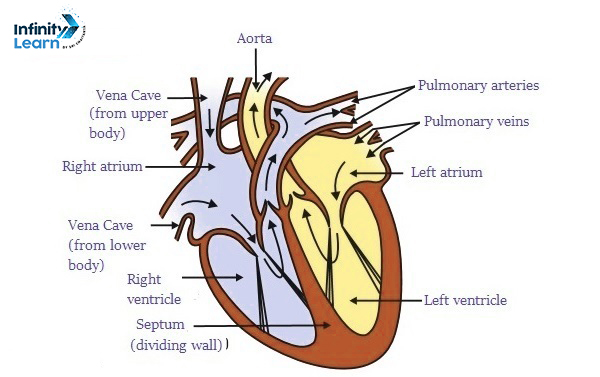
The heart functions as a robust pump, facilitating two pathways of circulation (oxygenated and deoxygenated blood), essential for efficient nutrient and gas exchange in tissues.

5.4.2 Transportation in Plants
Xylem: This specialized tissue is responsible for transporting water and minerals absorbed from the roots to the foliage, vital for photosynthesis and structural support.
Phloem: This plant vascular system carries the products of photosynthesis, predominantly sugars, from leaves to various parts of the plant where support for growth and energy storage is needed.
Excretion
5.5 Excretion
Excretion in Humans: The kidneys efficiently filter waste products (such as urea) from the blood, storing the liquid waste (urine) within the bladder until excreted, protecting the body from toxic buildup.
![Easy Steps to Draw Nephron [Class 10 NCERT] Write down each step with hand drawn labelled diagram. Keep the - Brainly.in](https://hi-static.z-dn.net/files/d12/b8d17c1af1a71224aa6bd95448914b03.jpg)

Excretion in Plants: Plants manage waste by storing excess substances in vacuoles or shedding them alongside leaves, showcasing efficient management of resources and toxic substances.
Summary of Life Processes
Life is characterized by an interrelated series of processes, whereby nutrition provides energy for life functions, respiration is fundamental for ATP production, transportation systems are critical for distributing materials, and excretion is necessary for waste management. Each process has variations depending on the organism, with distinct strategies observed between the methods employed by autotrophic and heterotrophic organisms, as well as between plant and animal forms of life.