Indigenous Societies
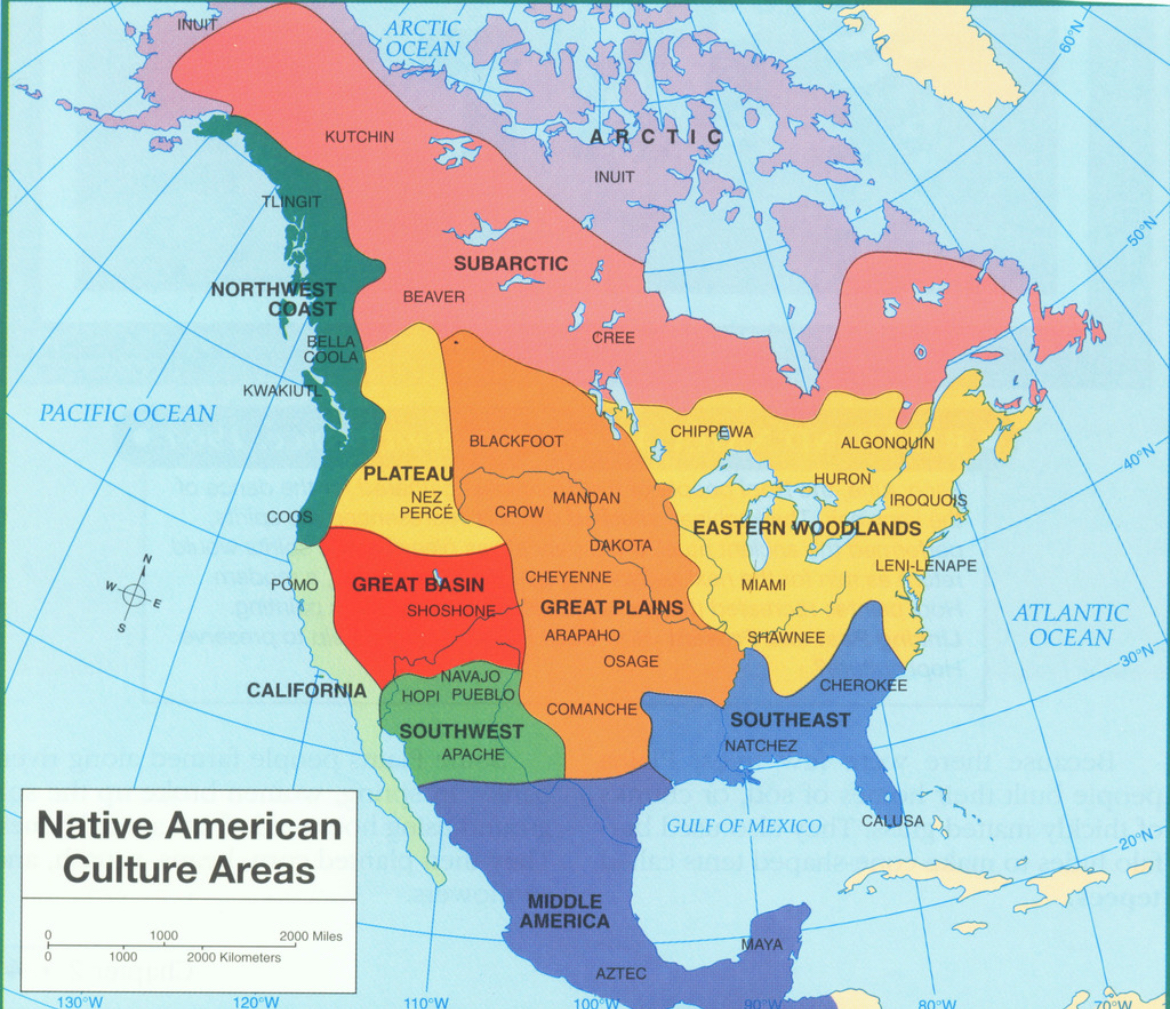
Northeast 🌲
Features: Forests, rivers, fertile soil; cold winters, mild summers
Way of Living: Sedentary farming (corn, beans, squash – “Three Sisters”); lived in longhouses; matrilineal societies; formed political alliances such as the Iroquois Confederacy
Key Idea: Agriculture and cooperation led to strong political structures
---
Great Plains 🌾
Features: Flat grasslands, few trees, extreme weather
Way of Living: Nomadic hunters who followed buffalo; lived in tipis; after the introduction of horses, became expert riders
Key Idea: Environment encouraged mobility and hunting-based culture
---
Southwest 🏜
Features: Desert climate, limited water supply
Way of Living: Irrigation farming; grew corn, beans, and squash; lived in pueblos made of adobe
Key Idea: Developed advanced farming techniques to survive arid conditions
---
Pacific Northwest 🏝
Features: Coastal region with heavy rainfall; abundant forests and rivers
Way of Living: Fishing-based economy (especially salmon); little to no farming; permanent villages; totem poles reflected social status
Key Idea: Abundant resources allowed social hierarchy and permanent settlement
---
Southeast 🌿🌳
Features: Warm climate, fertile land, long growing season
Way of Living: Large agricultural societies; organized into chiefdoms; built mound cities; matrilineal societies
Key Idea: Agriculture supported complex and hierarchical societies
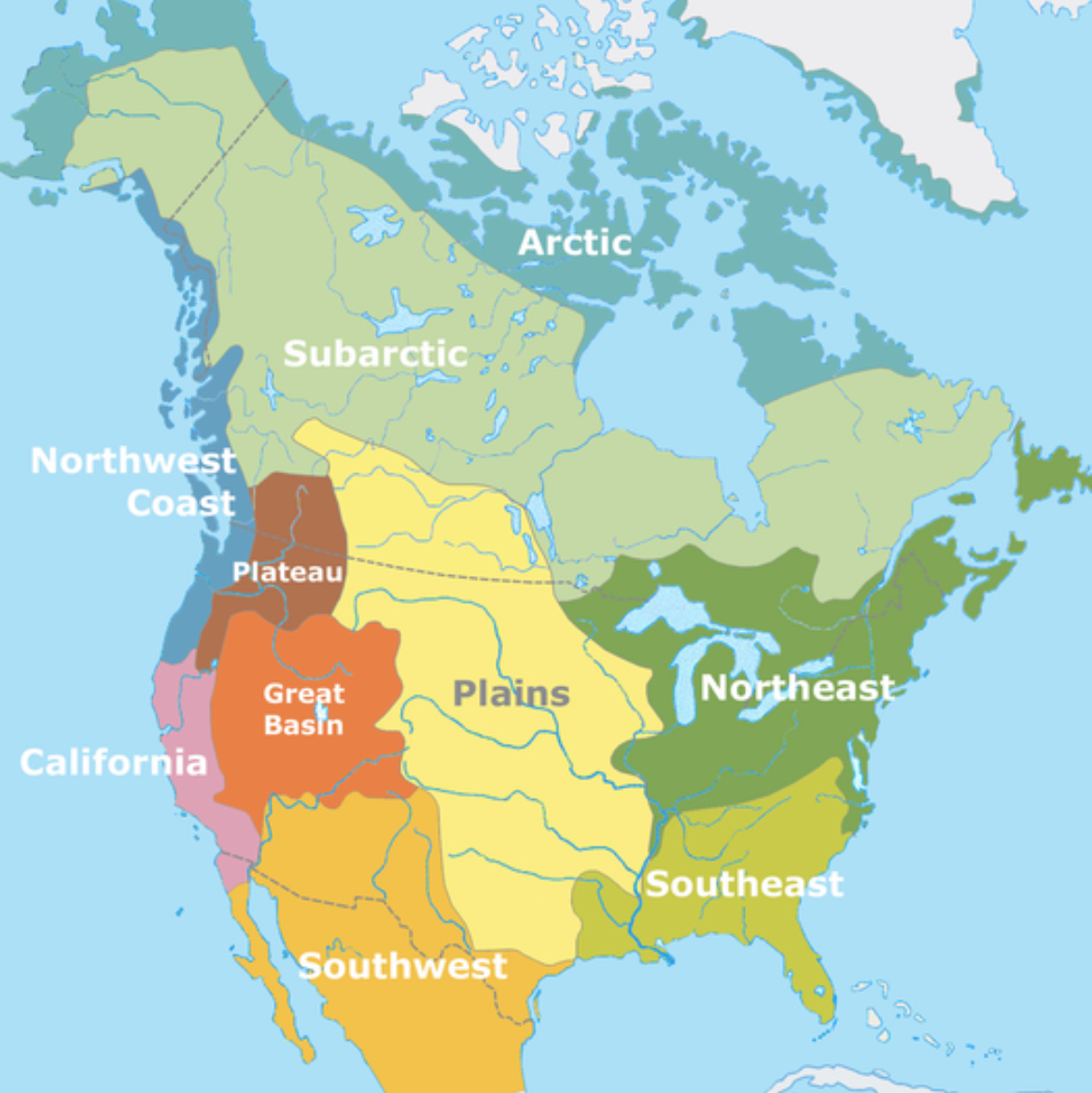
APUSH Big Picture
Environment shaped how Indigenous societies developed their economies, housing, social structures, and cultures. Native societies were diverse, complex, and well adapted to their regions.