Budgets, Deficits, and Debt
Determining the federal budget is one of the most contentious activities undertaken by government leaders in Washington D.C. Nearly everyone has different opinions on how federal money should be spent. Budget-related issues have even led to several government shutdowns in the last couple of decades. Before diving further into the lesson, watch the video below for a brief overview of the budget-making process.
Deficits and Surpluses


Ideally, the federal government would deliver a balanced budget every year. A balanced budget is a budget in which revenues and expenditures are equal. In other words, the federal government's annual budget is balanced when the dollars gained through tax revenue are exactly equal to the dollars spent by the government.
Unfortunately, this rarely happens. Usually, the federal budget has a deficit. The budget is considered in deficit when expenditures exceed revenues. In bad economic times, it's sometimes necessary for the government to run a deficit because their tax revenues will have sharply declined. Unfortunately, the government usually continues to have deficits even when the economy is experiencing growth and prosperity.
The opposite of a deficit is a surplus. When revenue exceeds expenditures, the federal budget is in surplus. Ideally, the government budget would be in surplus during periods of economic growth, allowing it to make up for the deficits that occur during contractions. Unfortunately, surpluses are extremely rare. The last budget surplus occurred in 2001, and there have only been eleven budget surpluses since 1931.
Debt
The consequence of many deficits and few surpluses is an expanding national debt. When the budget is in deficit, the government must borrow money to make up the difference between revenue and expenditures. This borrowing is accomplished by selling securities (usually bonds) to individuals, corporations, financial institutions, and other governments.
The national debt is the sum total of all the money that the federal government owes. It's the sum of all past deficits and surpluses. Like anyone else, the government must pay interest on the money it borrows. The money spent on this interest is, therefore, not available to pay for other government expenditures. The more taxpayer dollars go to pay interest, the fewer taxpayer dollars are being used to fund government operations, services, and programs.
Consequences of the National Debt
Growth of America's National Debt (1970–2020)
Debt (in billions)
Year
In the last lesson, we discussed the explosion of federal spending that occurred during the New Deal. In total, the New Deal cost about $50 billion from the years 1933 to 1940. But many of those programs are still in existence today. The future cost of these programs, such as Social Security, Medicare, the Tennessee Valley Authority, and farm subsidies, is estimated at over $50 trillion. And many government officials are calling for additional expensive programs, such as the Green New Deal, Medicare for All, or Universal Basic Income. If any of these programs come into being, they will balloon the national debt to even greater heights.
By the end of 2022, the national debt of the United States reached $31 trillion. Just twenty years earlier in 2002, the debt was only $6.2 trillion.
As you read this, the debt will have grown even more, as the government is projected to maintain a yearly deficit of over a trillion dollars. In 2014, the national debt became greater than America's annual GDP, and the debt currently stands at over $90,000 per citizen. In 2022, the interest paid on the national debt was about $680 billion. This amounts to over 12% of the federal budget.
The national debt has grown in good times and bad, under both Democratic and Republican leadership. President Obama oversaw the first four trillion-dollar deficits during the Great Recession (years 2009–2012), before reducing it to a "mere" $400 to $700 billion in his last four years in office. When President Trump became president, the deficit quickly rose despite the strong economy, again reaching over a trillion dollars in 2019. Then, in 2020, the COVID-19 pandemic led to a deficit of $3.1 trillion, by far the largest deficit in American history. This was followed by a $2.7 trillion deficit in 2021 under President Biden.
One major consequence of the national debt is the interest that the government has to pay each year. The hundreds of billions of taxpayer dollars that are spent on interest are dollars that can't be spent on government services or programs. But this isn't the only consequence of a high national debt; there are several other negative consequences that can harm the entire economy.
LESS INVESTMENT -
Spending more money on interest payments means that the government won't have as much money available to invest in infrastructure, education, and research. Fewer investments in these areas result in reduced economic growth. As the debt grows larger and the economy grows weaker, interest rates will also rise. People loaning money to the government will ask for a higher interest rate because there will be a greater chance that the government won't be able to pay back those loans. Private investment will also be reduced due to these higher interest rates. If interest rates are high, companies won't be able to borrow as much money. That means they won't be able to invest in more efficient human and physical capital.
As investment slows, it can start a death spiral in the economy. Reduced investment leads to slower economic growth, which means less tax revenue. Less tax revenue means larger deficits, and larger deficits lead to greater debt. This greater debt reduces investment even more, and the cycle repeats itself.
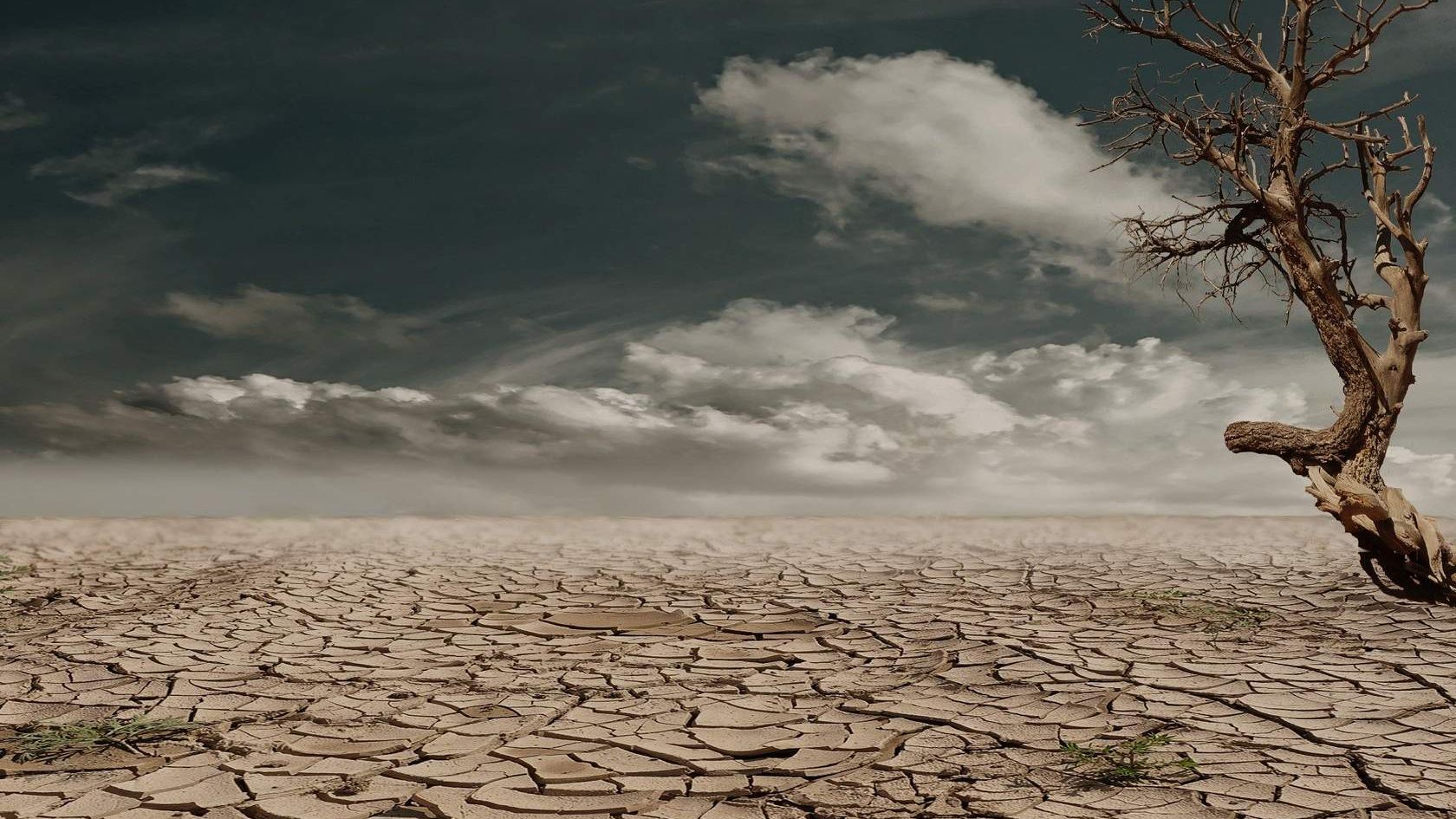 FEWER ECONOMIC OPPERTUNITIES -
The national debt also results in fewer economic opportunities for the nation's citizens. Higher interest rates make it harder for people to buy homes, start businesses, or get an education. Safety net programs like food stamps and public housing would also come under economic pressure as the government receives fewer tax dollars and pays increased interest.
 LESS FISCAL FLEXIBILITY -
Extreme debt also reduces the financial options the government can employ to respond to future emergencies, such as recessions and wars. When the Great Recession occurred, the United States had the option to increase spending because the debt was still at a manageable level (at the time, the debt was 60% of GDP). As the debt (now over 100% of GDP) continues to rise, the nation will lose much of its flexibility when establishing fiscal and monetary policy.
 Review of Key Terms
balanced budget: a budget in which revenues and expenditures are equal
deficit: a budget in which expenditures exceed revenues
surplus: a budget in which revenues exceed expenditures
national debt: the sum total of all the money that the federal government owes
America's national debt has not yet reached a point where it will cripple the entire economy, but it eventually will if it's not addressed. Currently, America's politicians seem content to push the problem further into the future, but this will lead to a painful reckoning when the situation finally becomes untenable. The sooner the nation's politicians commit to solving the problem, the less painful that solution will be.