M6L8 Importance of targeting the stroma
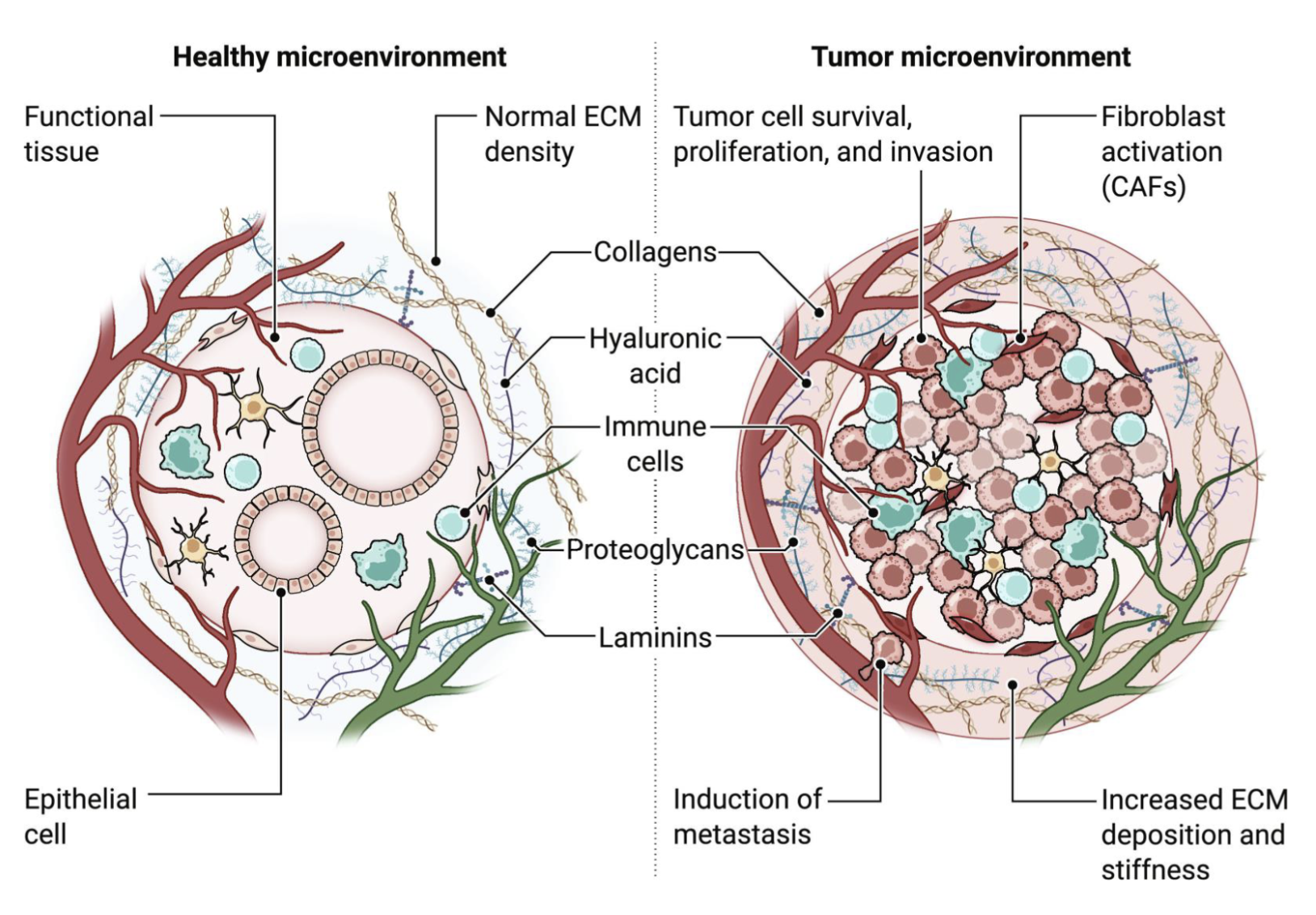
Popular cancer models contributing to the bulk of the oncology literature lacks authentic stromal architecture
One tumour type has human like architecture in mice, but unpopular - likely as drugs do not work using in this model (however this is due to it being closer to human architecture and drug delivery here would be more authentic)
Stroma can act as a barrier to drug delivery or have immunomodulatory effects
Lack of CAFs in animal models vs humans, upon adding CAFs to animal tumour models then immunotherapies and cancer vaccines were less efficacious
An authentic representation of a solid tumour is that it is mostly stroma with islands of cancer cells, capillaries infiltrate the stroma and immune cells often are at the periphery
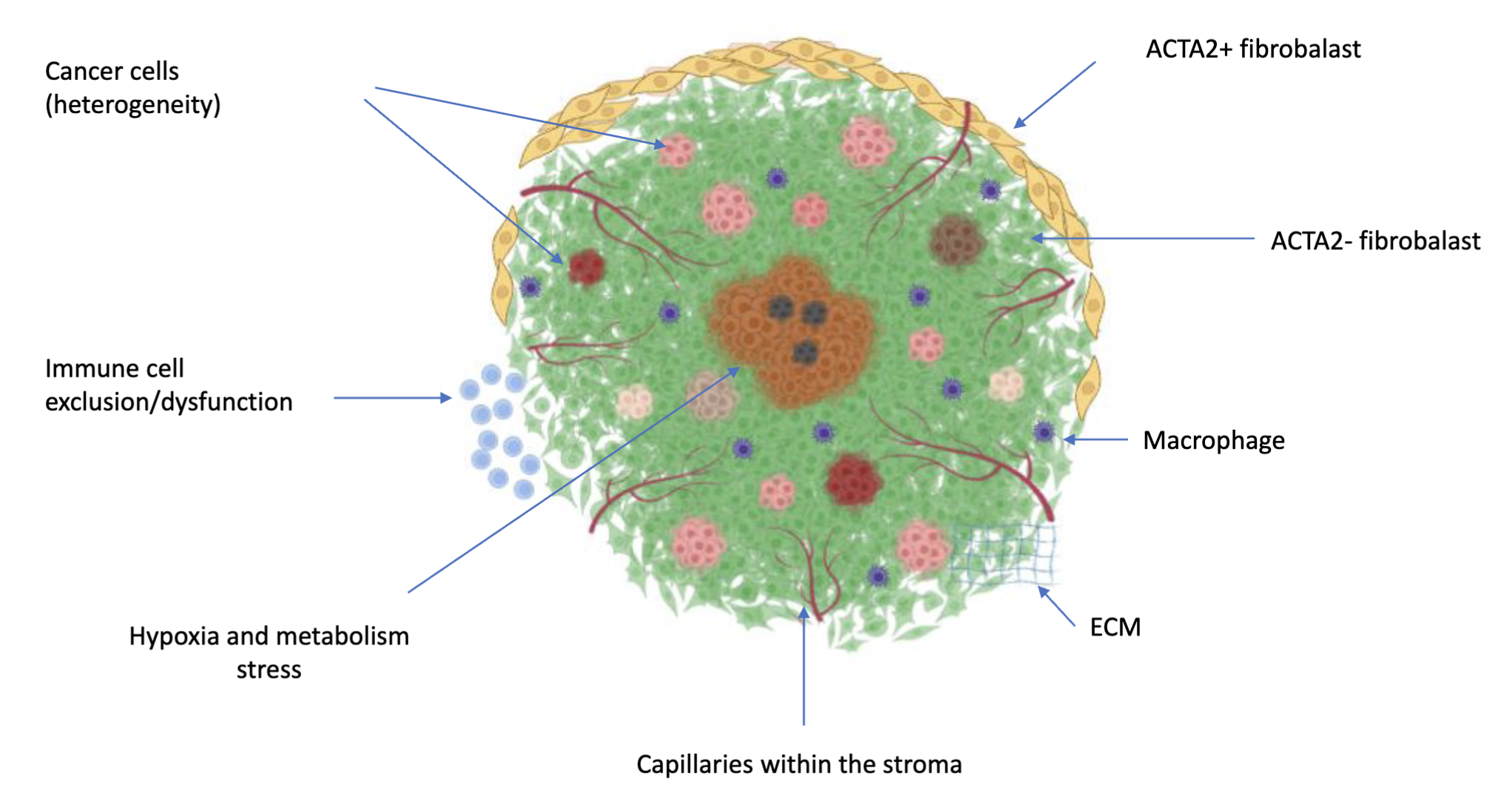
There is still ECM in liquid tumours, some around the cells at least
Cancer cells can not survive without stroma, the cells grown in vitro are abnormal in this sense as they can grow on plastic
ECM is more than a mechanical substrate - crosslinking enhances stiffness, signalling through ECM binding proteins driving proliferation/motility, CAFs and CAMs remodel the ECM…
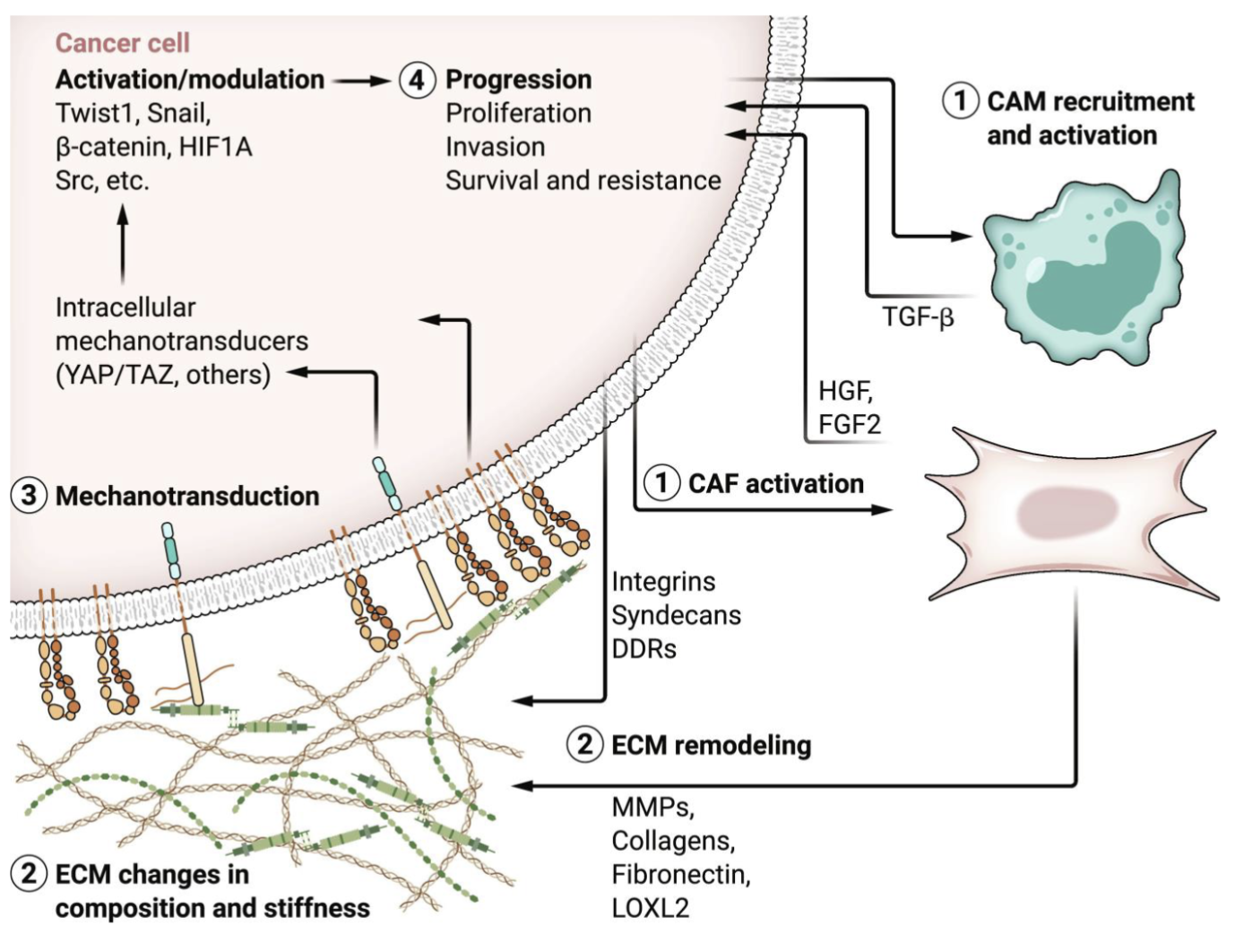
Cross-linking enzymes eg lysyl hydroxylase (LOXL) increase stiffness
A problem with targeting ECM - if someone has pathology elsewhere in the body (fibrosis, inflammation, wounds…) then there will be off-target effects
TGFb - initially anti-timour and has pro-tumour in chronic cancer
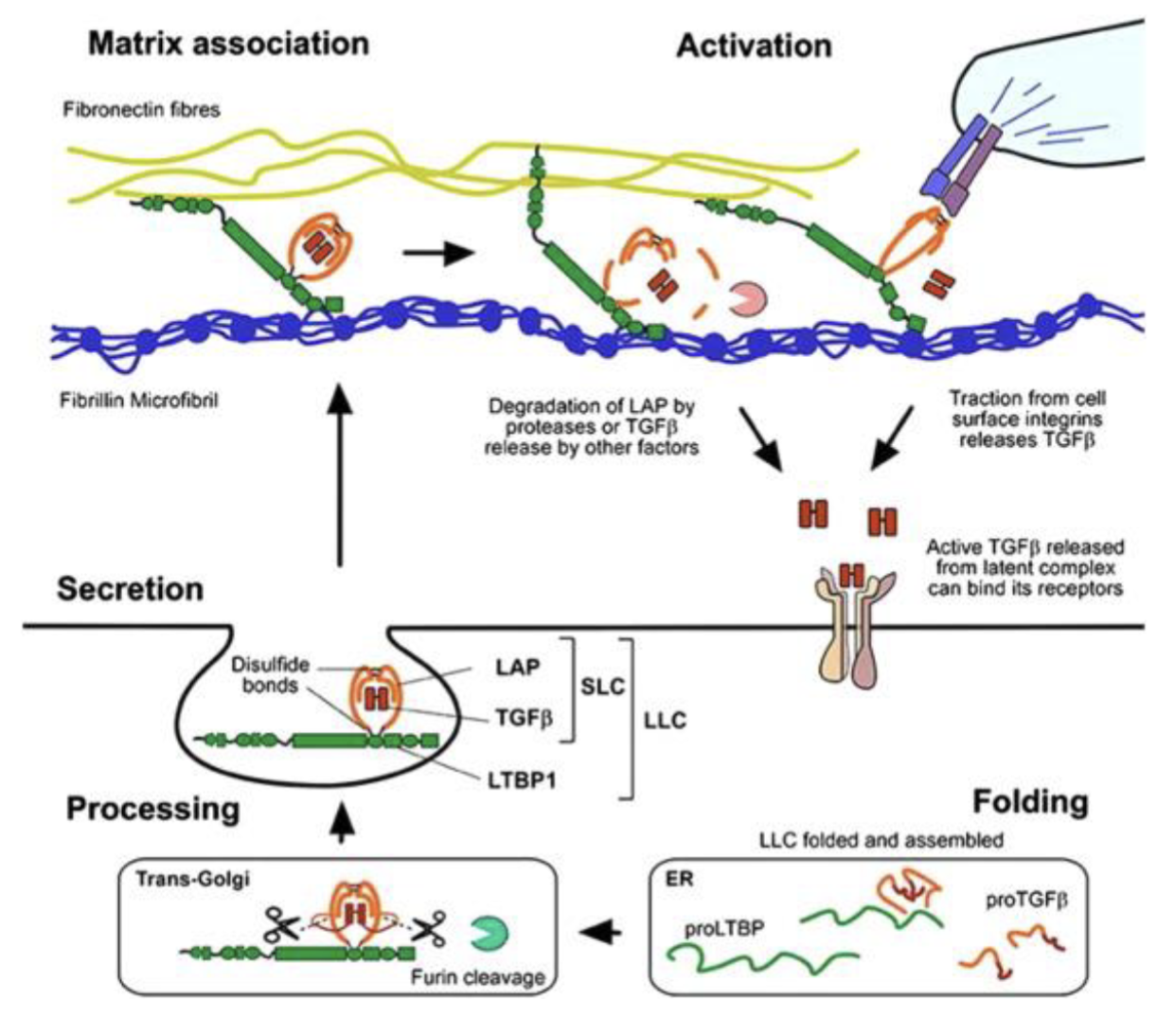
TGFb are mostly expressed by stromal cells - it gets tethered to collagen in a protective ‘cage’ of LAP which creates a ‘memory’ of the tumour, the TBFb can get released/activated again by proteases or mechanical effects due to integrin binding from other cells even after the tumour cells are eliminated
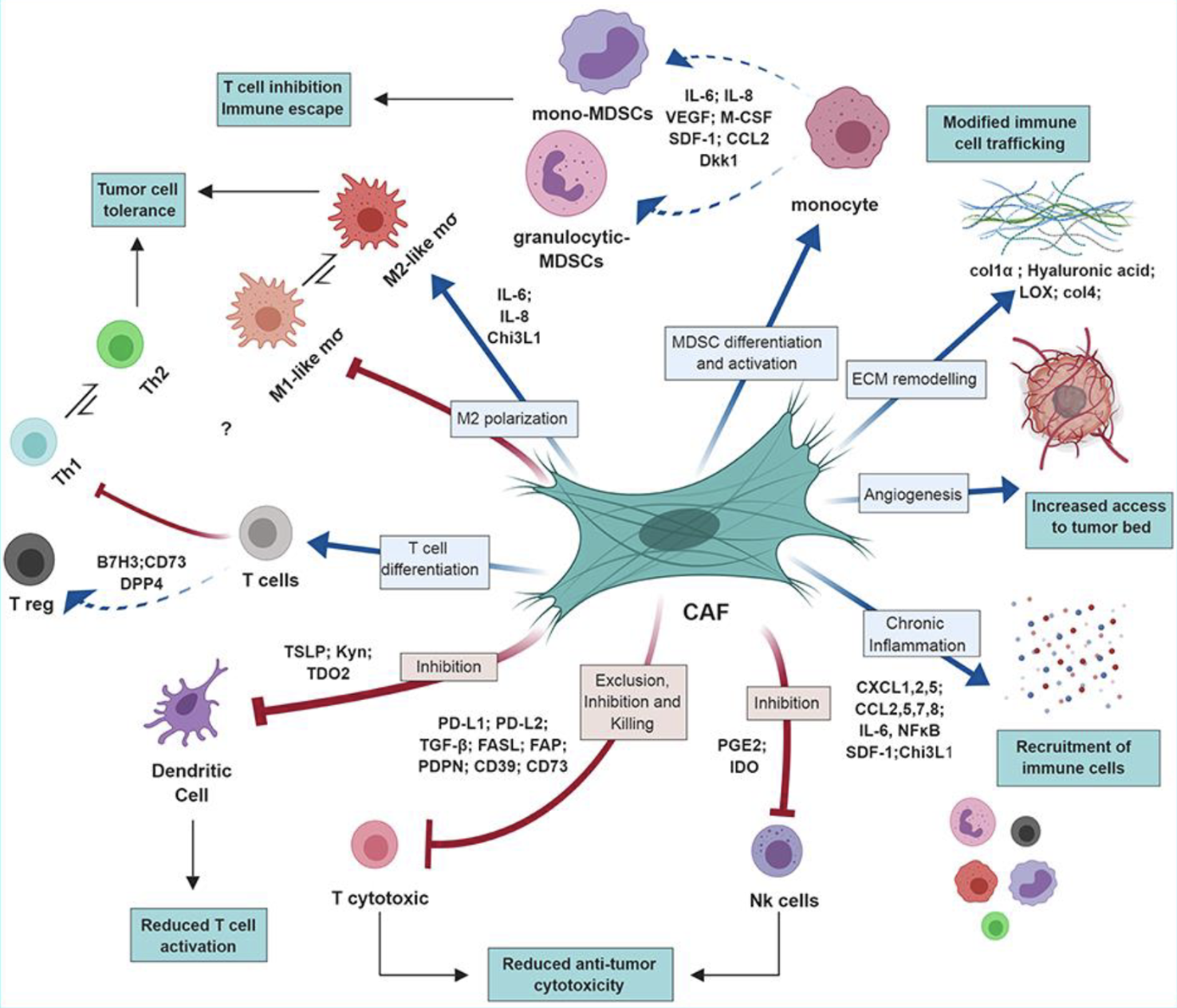
Approaches to target fibroblasts include mAbs, OVs, bispecific Abs, vaccines, CAR-T… but it is difficult to target CAFs specifically and avoid off target effects as fibroblasts are all over the body
Fibroblast activation protein alpha (FAP-a) could be targeted?
Fibroblasts have ‘functional preferences’ depending on where they are in the TME
Antigen presenting CAFs are of emerging interest
Interest in reprogramming fibroblasts
Macrophages often do many of the same functions as fibroblasts - redundancy in the TME