L7- Restoration and Reintroduction
Targets:
United Nations decade on ecosystem restoration→ are halfway through, based on preventing, halting and reversing the degradation of the world’s ecosystems
Post 2020 global biodiversity framework→ restore degraded ecosystems and ensure connectivity
Why restore habitats?
Ecosystem Service Provision
most recent ecosystem assessment shows that 14/18 groups of ‘nature’s contribution to people’ (ecosystem services) are declining
Species Conservation
habitat loss is the main threat to 85% of IUCN red list species, degradation has a big impact too
most current PAs are isolated
Meeting area-based Protection Targets
30% by 2030, 50% by 2050→ ecoregions
next biodiversity conference is happening October 2024→ targets are hard to meet due to insignificant political attention
IUCN Ecosystem Red List:
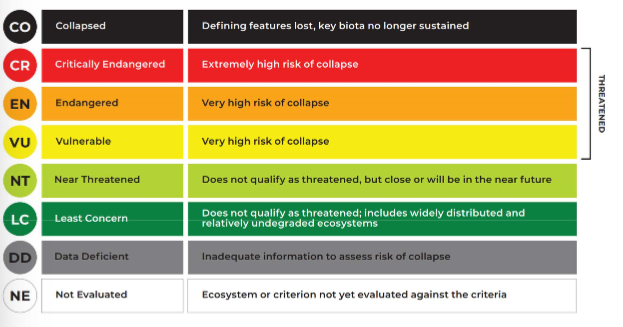
5 criteria used in the assessment:
reduction in geographic distribution
restricted distribution→ naturally constrained
degradation
disruption of biotic processes/interactions
probability of collapse
over 4000 ecosystems have been assessed, aim to complete all by 2026
Current assessments:
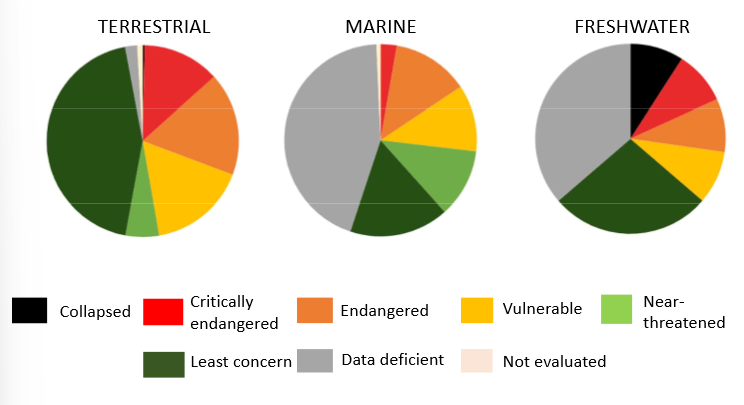
Most of the deficient data is in aquatic ecosystems
Around half of terrestrial ecosystems are threatened to some extent
Predict the pattern in terrestrial will be the same or worse in aquatic with more data
Case Study 1→ Aral Sea, collapsed ecosystem:
in 1911-60, it was the 4th largest continental water body with many endemic species and shoreline reed-beds
in 2005, only 10% of the original lake remained, there was no reef beds or endemic species, replaced with desert plains
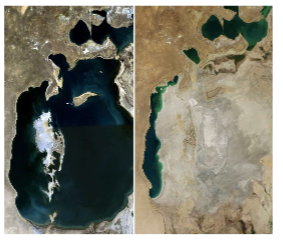
→ massive collapse of ecosystem
cause of the collapse→ diverting the rivers that ran into this sea for agricultural irrigation and pesticide run off from cotton fields
human impacts→ pesticides are causing toxic dust storms which affect the health of locals (infant mortality is 2x average), the fishing industry has collapsed, there is reduced evaporation so reduced rainfall and higher temps
restoration in the northern basin in Kazakhstan→ have built a dam, river improvements, reduced irrigation, fishing has returned→ not fully restored but there is progress to restore the sea
restoration in the southern basin in Uzbekistan→ still use river diversion for cotton but have planted 0.5million hectares of saxual plantations which is a native bush, reduces impacts, reduces temperature, antelopes graze on these→ not restoring the original ecosystem but increasing the quality of the dry lake bed left
Case Study 2→ Sundarbans, endangered ecosystem:
mangrove system in Bangladesh, has important viable populations of tigers and finfoot birds
>85% loss since 2000, supports billions in flood protections, tonnes of carbon and millions of small-scale farmers, unique biodiversity→ very important
change in mangrove extent→ historical deduction, still ongoing but has slowed down
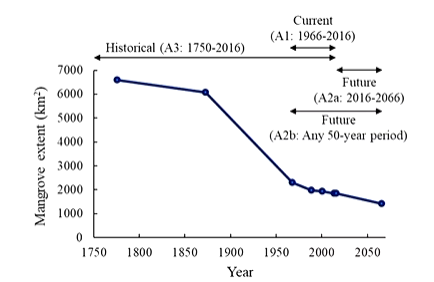
assessed criteria across 4 time zones:
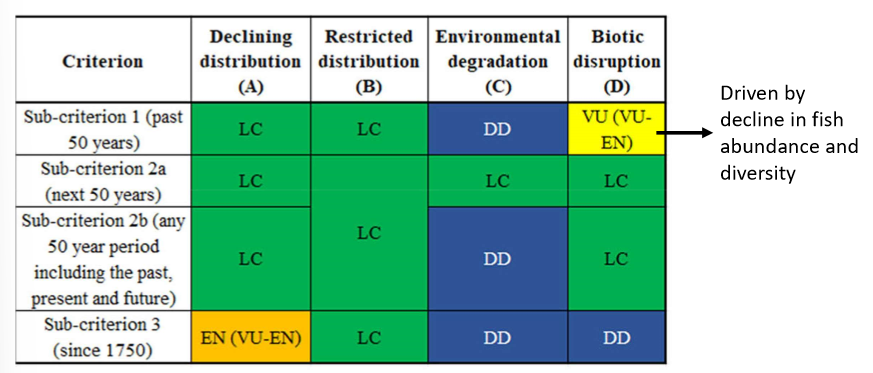
don’t have enough data for a full assessment
long-term trend has seen a reduction in distribution since 1750
IUCN take the highest level of threat from this table so this ecosystem is endangered even though it has viable populations
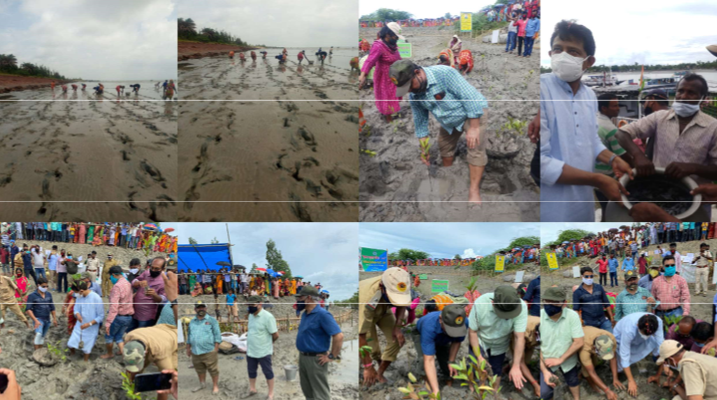
there are big restoration attempts on the borders of the forest to restore mangrove forests, local restoration schemes appear to have been successful (increased carbon tonnes from 0-314 tonnes/hectare)
Case Study 3→ Harapan Rainforest, Indonesia:
logging concessions have come to the end of term and so there is no current management plan, land is being sold off for plantations
selectively logged forests are still important for biodiversity and restoration
developed 980km squared of Ecosystem Restoration Concession which has been successful as trees have 44% higher than average survival rate
but there are long-term funding issues, settlers and a 51km highway to transport coal through this site
→ current restoration has been successful but fate is unsure due to future threats
IUCN General Ecosystem Restoration Principles:
consider all the stakeholders and all the goals
remove all threats
clear targets, measure progress, multiple times
have different approaches, can scale them up
need to be backed up by regulation and policy support at the local, national and global scales
Reintroductions:
Example→ Santa Fe, island on the Galapagos
Sante Fe tortoise went extinct in the 1800s→ seeds needed to pass through gut to germinate
feral goats ravaged, were removed, island did not recover
Espanola tortoise was introduced (closely related)→ 10% of island was colonised, high survival rate, keystone Cacti and iguana populations increased
→ species introduction has a clear link to ecosystem restoration
Types of introductions:
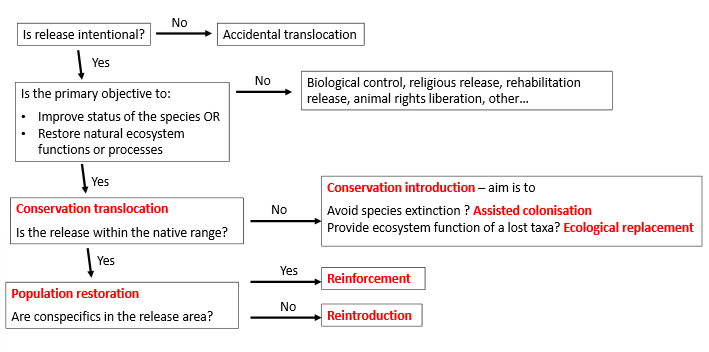
Accidental Translocation→ release was accidental
Conservation Translocation→ release was intentional, primary objective is conservation
Conservation Introduction→ not released within native area
Assisted Colonisation→ released to avoid that species extinction
Ecological Replacement→ released to provide ecosystem function of a lost taxa e.g. tortoise
Population Restoration→ released within native area
Reinforcement→ there are individuals already present there
Reintroduction→ species has gone locally extinct
The conservation translocation cycle→
translocation is a complex process
need a feasibility assessment, two types of risk assessments (old are, new area), adaptive management cycle (constantly monitor)
IUCN reintroduction guidelines:
Feasibility-
species has to have been there before, be self-maintaining, should be modelled and a population viability analysis should be done
Appropriateness-
suitable site should be picked, cause of original extinction should be eliminated
Provenance (donor site)-
animals should be genetically similar, not endanger status of source populations, not be diseased and be able to adapt
Socio-economic-
long-term financial and political support, cost-benefit analysis for locals, risks to life/property need to be assessed and accepted
Release-
pre and post monitoring, vets, public relations program, scientific evaluation
Case Study 1→ UK
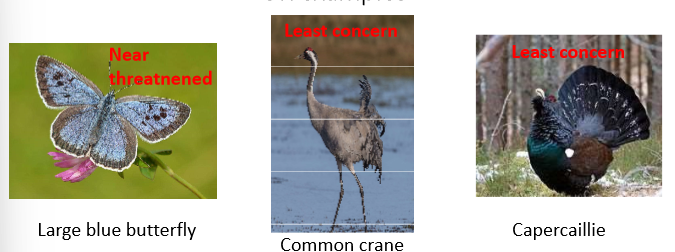
Large blue butterfly-
highly specialist, extinct in 1979, reintroduced in the 1980’s
is near threatened
Common crane-
extinct in 1500s, natural recolonisation in 1980s, reintroduced in 2010
is of least concern
Capercaillie-
game bird, extinct in 1785, reintroduced in 1837, declining recently
is of least concern
→ focus of conservation efforts in the UK are not on the right species e.g. other crane species are more endangered
Case Study 2→ Californian Condor
was widespread across NA in the pleistocene but it’s prey was hunted to extinction
went extinct in 1987, had a court case, lost and had to bring remaining individuals into captivity
bred successfully, reintroduced the small population BUT the threat of lead shots hasn’t gone so are still at risk of being extinct
Case Study 3→ Bettong (marsupial)
are restricted to Tasmania, used to be widespread
moved 32 individuals to a predator free restoration area, had many issues:
trapping the females made them reject their young
GPS collars would get caught in the vegetation
there are low densities in the source area
despite the issues, there is now a self-sustaining population at carrying capacity
→ conservation reintroductions can be successful but are also very difficult and costly
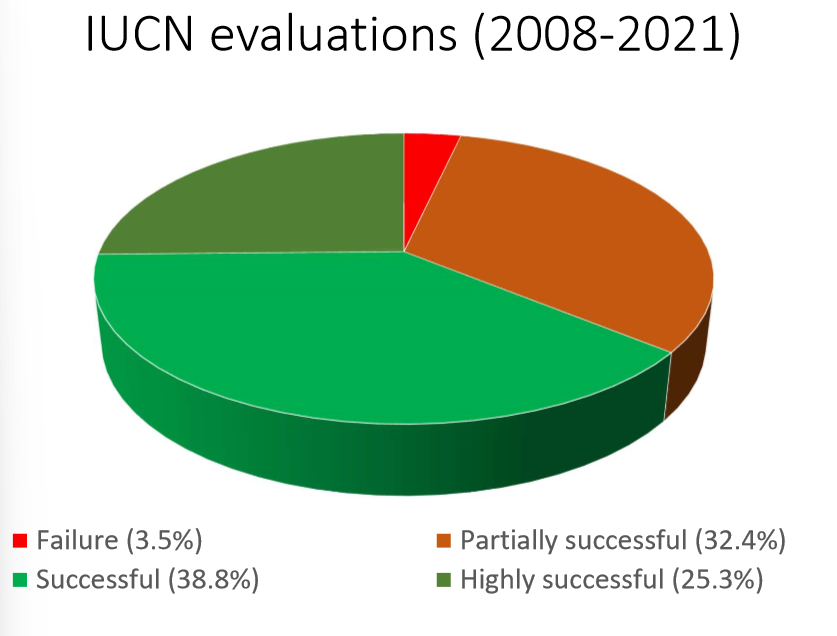
An evaluation of IUCN reintroduction attempts shows the majority are successful to some extent